How to Use an Earrings Filter to Find High-Value Jewelry in 2026
Learn how to bypass cheap alloys by mastering the earrings filter. Discover material grades, gauge sizes, and budget hacks for high-value jewelry.

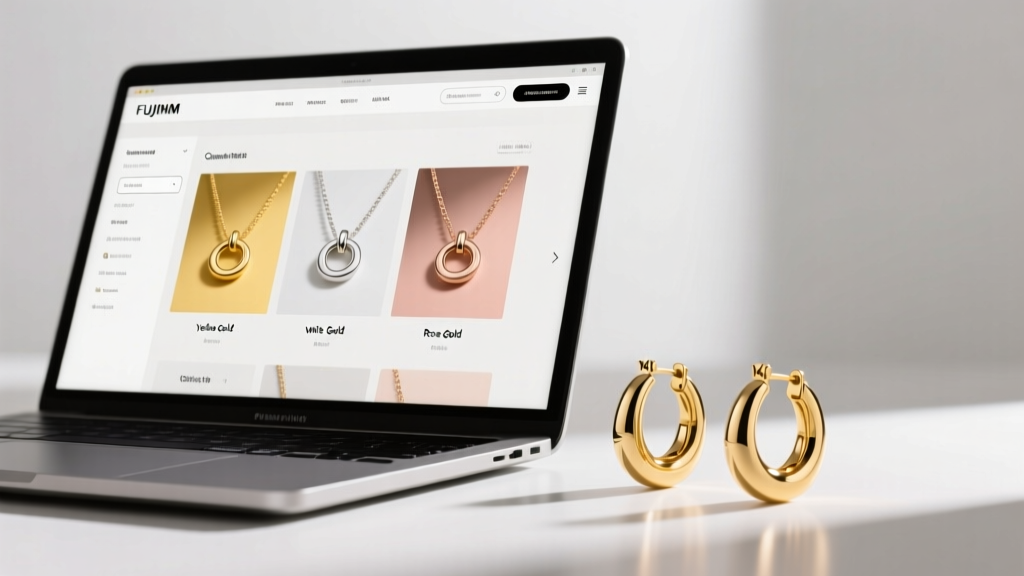
The Trap of the Default Earrings Filter
Online jewelry shopping in 2026 offers an overwhelming, nearly infinite inventory. However, relying on the default 'price: low to high' earrings filter is the fastest way to fill your collection with disposable, skin-irritating alloys. When you sort strictly by the lowest absolute price, retail algorithms prioritize high-margin, low-quality dropshipped items. These pieces are typically crafted from flash-plated brass, zinc alloys, or nickel-heavy base metals that will turn your earlobes green and cause contact dermatitis within weeks.
True budget shopping isn't about finding the cheapest upfront cost; it's about optimizing for cost-per-wear, structural longevity, and biocompatibility. By manipulating advanced filter parameters and utilizing specific search modifiers, you can bypass the junk and uncover high-value pieces that outlast trend-cycle accessories. This guide will teach you how to configure your earrings filter to assess true value, focusing on material grades, gauge sizes, and construction metrics.
4 High-Value Filter Parameters You Must Use
1. Material Composition Over 'Color'
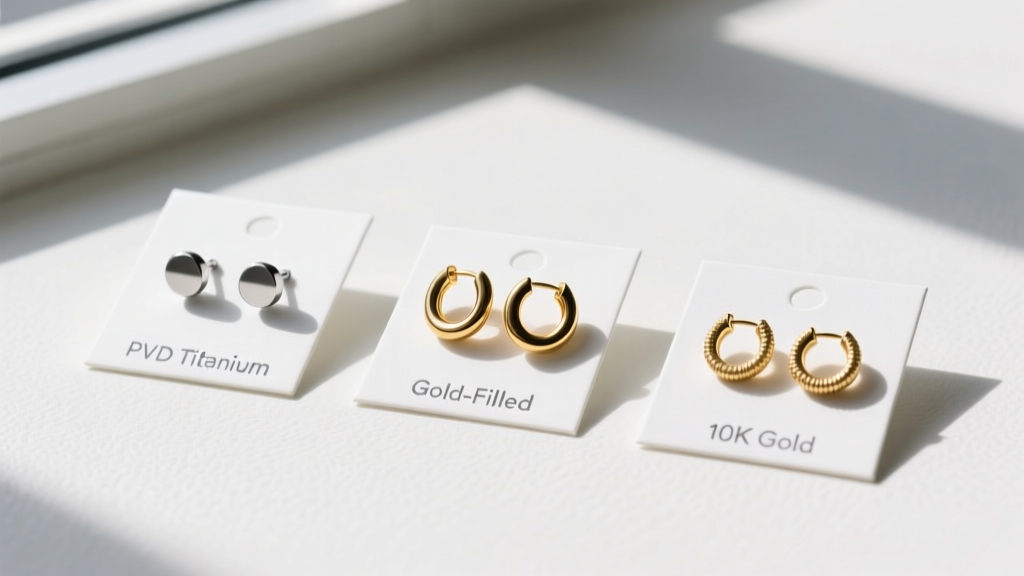
The most critical mistake budget shoppers make is filtering by color (e.g., 'gold' or 'silver') rather than metallurgical composition. A $12 'gold' earring is not gold; it is a base metal with a microscopic flash plating that will wear off in a month. When using an earrings filter on advanced retail sites, always filter by specific material grades:
- ASTM F136 Implant-Grade Titanium: The gold standard for sensitive ears and fresh piercings. According to the Association of Professional Piercers (APP), implant-grade titanium is highly biocompatible and completely nickel-free.
- 14k Gold-Filled: Regulated by the FTC, gold-filled jewelry must contain a layer of 14k gold that constitutes at least 1/20th (5%) of the total weight of the item. It is vastly superior to gold vermeil or gold-plated options and can last decades with proper care.
- PVD-Coated 316L Stainless Steel: Physical Vapor Deposition (PVD) binds color to steel at a molecular level in a vacuum chamber. It is 10 times more durable than traditional electroplating and will not flake or peel.
2. Gauge Thickness and Structural Integrity
Gauge size dictates the thickness of the earring post or wire. Standard lobe earrings are usually 20-gauge (0.81mm). However, if you are shopping for cartilage, helix, or tragus piercings, filtering for or searching '18 gauge' (1.02mm) or '16 gauge' (1.29mm) is crucial. Thinner 20g wires in cartilage can cause the 'cheese-cutter effect,' where the thin metal slowly migrates through the dense tissue due to pressure and movement. Always verify the gauge specification in the product details before adding to your cart.
3. Grammage and Hollow vs. Solid Construction
When shopping for hoops or huggies, the earrings filter won't explicitly show you the internal structure, but you can filter by 'solid' or check the product's gram weight. Hollow-tube hoops are lightweight and cheaper to produce, but they dent easily and cannot be repaired if crushed. Solid or semi-solid wire hoops carry a higher upfront cost but offer vastly superior structural integrity and a premium, weighted feel on the ear.
4. Backing Mechanisms
The backing mechanism is often the first point of failure on budget earrings. Standard butterfly friction backs lose their tension over time, leading to lost earrings. Use your filter or search bar to target 'screw backs,' 'flat backs' (ideal for sleeping and cartilage), or 'hinged snap closures' for hoops. These mechanisms require higher manufacturing precision and are rarely found on ultra-cheap, low-quality inventory.
The Budget Value Matrix: Target Filter Settings
To help you calibrate your expectations, use this matrix when setting your price and material filters. If a product claims to be a premium material but falls drastically below the expected price range, it is likely mislabeled or counterfeit.
| Material Grade | Exact Filter Keyword | Avg Budget Range | Expected Lifespan |
|---|---|---|---|
| ASTM F136 Titanium | 'implant grade titanium' | $30 - $85 | Lifetime (Hypoallergenic) |
| 14k Gold-Filled | '1/20 14k gold filled' | $40 - $120 | 5 to 15+ Years |
| Solid 10k Gold | 'solid 10k gold' | $80 - $200 | Lifetime (Can be polished) |
| PVD Gold on 316L Steel | 'PVD coated titanium/steel' | $25 - $60 | 2 to 5 Years |
| Gold Vermeil (Sterling Base) | '18k gold vermeil' | $45 - $110 | 1 to 3 Years (Requires care) |
Pro Tip: The Gemological Institute of America (GIA) notes that 10k gold (41.7% pure gold) is the most durable and scratch-resistant karatage for everyday wear, making it an exceptional filter target for budget-conscious buyers seeking lifetime pieces.
Platform-Specific Hacks for Advanced Filtering
Different e-commerce platforms handle metadata differently. Here is how to exploit their specific earrings filter ecosystems to find hidden value:
Etsy: The Tag Exploit
Etsy's native filter sidebar is notoriously limited, often lacking specific material toggles. Instead of using the sidebar, type your material requirements directly into the search bar alongside the word 'earrings.' For example, search '14k gold filled flat back earrings'. Furthermore, scroll to the bottom of the search results and look at the 'Related Searches' tags. Clicking these hyper-specific tags forces Etsy's algorithm to filter out mass-produced dropshippers and surface actual artisans who properly tag their metallurgical specs.
Amazon: Bypassing the Sponsored Junk
Amazon's 'jewelry' category is flooded with sponsored alloy listings. To bypass this, ignore the main 'Fashion' filter and navigate to the 'Clothing, Shoes & Jewelry' > 'Women' > 'Earrings' sub-category. Once there, use the left-hand 'Metal Type' filter and strictly select '14k Gold', '10k Gold', or 'Titanium'. Crucially, immediately sort by 'Avg. Customer Review' and filter for 4 stars and up. Read the 3-star reviews specifically; these usually contain honest assessments of whether the metal tarnished or the posts bent, revealing the true value of the item.
Specialty Jewelers (Blue Nile, James Allen, Catbird)
High-end sites offer the most granular earrings filters. You can filter by exact metal weight (grams), post type, and specific gemstone origin. Use the 'Metal Weight' filter to find pieces that offer substantial gold content just below your maximum budget threshold. A 3-gram pair of solid 14k gold huggies will always offer better intrinsic value than a 1-gram pair, even if the upfront cost is slightly higher.
Red Flags: When to Clear the Filter and Walk Away
Even with a perfectly configured earrings filter, marketing teams use deceptive terminology to bypass your search criteria. If you see any of the following terms in a product description, clear your cart immediately:
- 'Gold Tone' or 'Silver Tone': This legally means the item is painted or flash-plated to look like the color, with zero precious metal content.
- 'Tibetan Silver' or 'Alloy': These are generic catch-all terms for cheap, unregulated base metals that frequently contain high levels of nickel, lead, and cadmium.
- 'Nickel-Free' (Without Base Metal Disclosure): While 'nickel-free' sounds safe, if the brand refuses to disclose the actual base metal (e.g., surgical steel, brass, copper), it is a massive red flag. Some 'nickel-free' alloys still cause severe allergic reactions due to other reactive metals.
- 'Hypoallergenic': This is an unregulated marketing buzzword, not a medical or metallurgical standard. Always filter for the exact metal (like Titanium or Niobium) rather than trusting this vague adjective.
Final Thoughts on Value Assessment
Mastering the earrings filter is about shifting your mindset from 'bargain hunting' to 'value investing.' By demanding transparency in material grades, insisting on structural gauge sizes, and understanding the true cost-per-wear of solid metals, you can build a high-quality, biocompatible jewelry collection on a strict budget. Stop letting algorithms dictate your purchases; take control of the filter parameters, and force the market to show you its best-kept secrets.


