Buying Guide: Finding the Best Earrings Hoop with Ball
Discover what to look for when buying an earrings hoop with ball. Learn about gauge sizes, ASTM F-136 titanium, tension settings, and secure clasps.

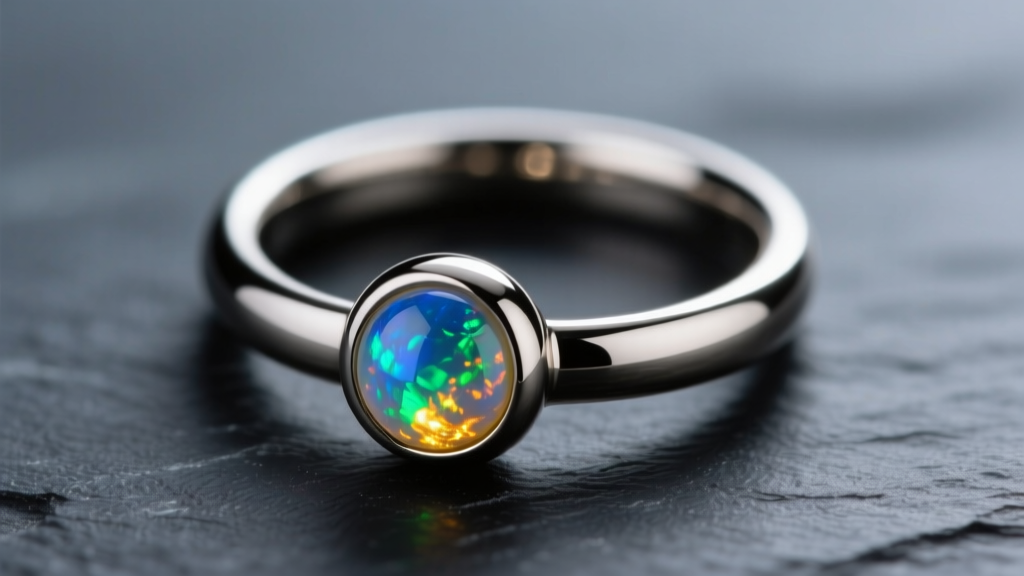
Decoding the Earrings Hoop with Ball: A 2026 Buying Guide
When searching for the perfect earrings hoop with ball, consumers often encounter a confusing mix of terminology, ranging from captive bead rings (CBRs) to screw-on ball closures and dangling charm hoops. As of 2026, the jewelry market has seen a massive shift toward anatomical correctness and material purity, moving away from the cheap, nickel-laden alloys of the past. Whether you are outfitting a fresh helix piercing, upgrading a stretched lobe, or simply looking for a secure everyday huggie, understanding the mechanics of how the ball attaches to the hoop is critical. This guide breaks down the exact specifications, material grades, and failure modes you need to know before making a purchase.
The Anatomy and Physics of Ball Closure Rings
The most common iteration of this style is the Captive Bead Ring (CBR), also known as a Ball Closure Ring (BCR). Unlike clickers or hinged hoops, a CBR relies entirely on the tensile strength of the metal to hold the bead in place. The ring is manufactured with a tiny gap; the bead features two shallow divots on either side. When the ring is snapped shut, the metal's natural tension grips the bead.
The Expert Insight: The physics of tension dictate that a thicker wire (lower gauge number) on a smaller diameter hoop creates a vice-like grip. Conversely, a thin wire on a large diameter hoop creates almost zero tension. If you buy a 20-gauge hoop with a 12mm inner diameter, the metal lacks the structural rigidity to hold the ball, and you will lose it. For secure captive bead earrings, you must balance gauge thickness with inner diameter (ID).
Material Grades: What Actually Touches Your Piercing
The Association of Professional Piercers (APP) strictly outlines which metals are safe for long-term wear, especially in cartilage piercings that are prone to irritation bumps. When buying an earrings hoop with ball, ignore the term 'surgical steel,' which is a marketing buzzword that often masks nickel content.
- ASTM F-136 Implant-Grade Titanium: The gold standard for 2026. It is completely nickel-free, lightweight, and can be anodized to various colors. Ideal for sensitive cartilage.
- Niobium: A highly reactive, hypoallergenic metal that is softer than titanium. It is excellent for CBRs because its slight malleability makes opening and closing the ring easier without compromising the tension grip.
- 14k or 18k Solid Gold: According to the Gemological Institute of America (GIA), gold must be alloyed for durability. Ensure the alloy is nickel-free (often using palladium or silver). Avoid gold-plated or gold-filled hoops for CBRs, as the tension friction will wear the plating off the bead divots over time.
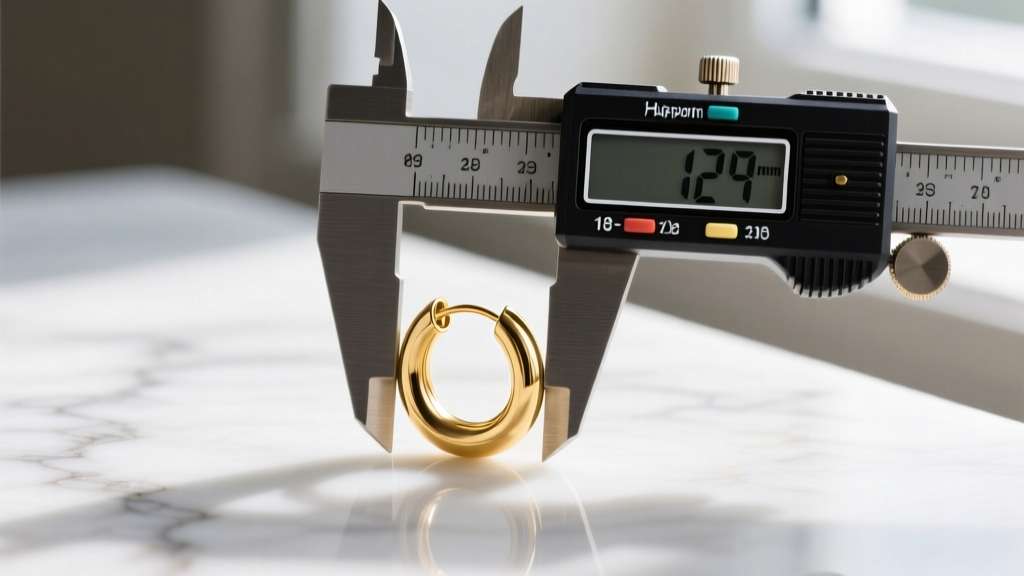
Sizing Matrix: Gauge, Diameter, and Tension
Choosing the right size is where most online purchases fail. Below is a structural matrix to help you select the correct gauge and inner diameter for your specific piercing location, ensuring the ball remains secure.
| Gauge Size | Thickness (mm) | Standard Piercing Use | Tension & Ball Security Note |
|---|---|---|---|
| 20G | 0.81mm | Standard Earlobe, Nose | Low tension. Avoid IDs over 8mm or the ball will pop out under slight pressure. |
| 18G | 1.02mm | Helix, Forward Helix, Lobe | Moderate tension. Best paired with 6mm to 10mm IDs for secure wear. |
| 16G | 1.29mm | Conch, Daith, Cartilage | High tension. The industry standard for CBRs; holds 4mm-6mm beads flawlessly. |
| 14G | 1.63mm | Industrial, Stretched Lobe | Maximum tension. Requires specialized ring-opening pliers to insert the bead. |
Closure Mechanisms: Beyond the Captive Bead
If the physics of a traditional CBR seem too finicky, the 2026 market offers advanced alternatives for the 'hoop with ball' aesthetic that eliminate the risk of losing the bead entirely.
1. Internally Threaded Screw-On Balls
In this design, the hoop features a hollow, threaded receiver at one end, and the ball has a precision-machined pin that screws into it. Crucial Rule: Never buy externally threaded hoops (where the screw is on the hoop and the hole is in the ball). Externally threaded jewelry acts like a cheese grater on your piercing fistula during insertion. Internally threaded jewelry ensures a smooth, tissue-safe transition.
2. Threadless (Press-Fit) Tension Systems
Pioneered by high-end body jewelry brands like BVLA, threadless hoops use a bent pin on the ball that slides into the hollow shaft of the hoop. The bending of the pin creates internal spring tension. This is currently the most secure method on the market for cartilage hoops, as it cannot accidentally unscrew like threaded jewelry, and it doesn't require pliers like a CBR.
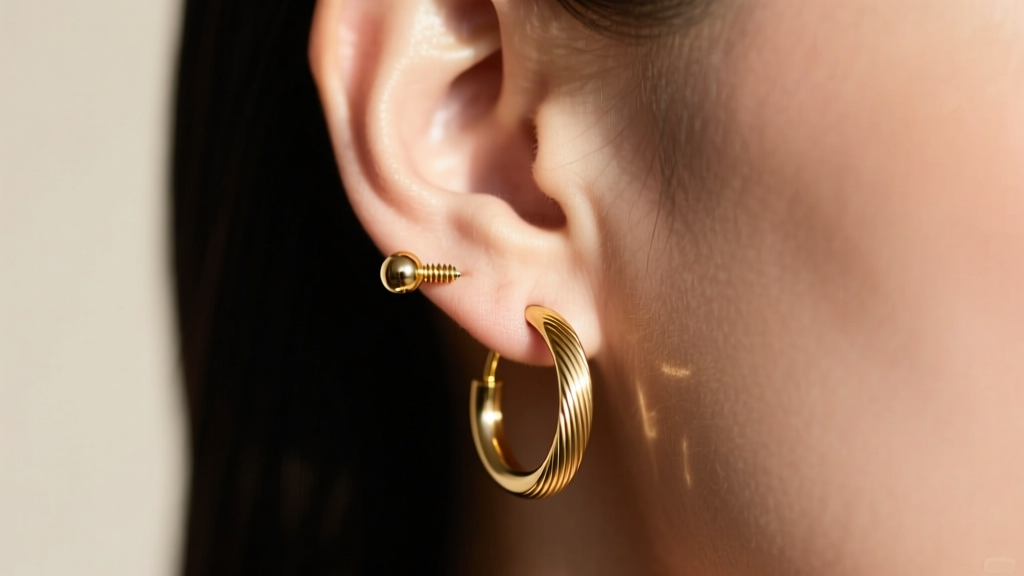
3. The Dangle Ball Hoop (Fashion Jewelry)
For standard lobe piercings where a continuous hoop with a dangling ball charm is desired, look for snap-click hinged closures rather than wire-wraps. Wire-wrapped ball dangles are notorious for snagging on hair and sweaters, eventually unwinding and dropping the charm. A machined clicker hinge with a soldered jump ring holding the ball charm ensures longevity.
Styling for Face Shapes and Ear Anatomy
The visual weight of the ball on a hoop can subtly alter facial balance.
Pro Styling Tip: If you have a rounder face shape, opt for an elongated drop hoop where the ball rests at the bottom of a vertical oval, drawing the eye downward and elongating the jawline. If you have sharp, angular features, a classic circular CBR with a proportionally sized bead (e.g., a 5mm bead on an 8mm hoop) softens the geometry of the face.
Furthermore, consider your ear anatomy. If you have a small, flat conch, a large hoop with a heavy ball will migrate and cause pressure necrosis. Always match the weight of the ball to the tissue density of the piercing site.
Troubleshooting Common Failure Modes
Even premium jewelry can fail if mishandled. Here is how to troubleshoot the most common issues with ball hoops:
- The Ball Keeps Falling Out: You are likely twisting the ring laterally to open it. Twisting warps the circular shape into an oval, permanently destroying the tension. Always use two pairs of ring-opening pliers to pull the gap apart horizontally.
- Cross-Threading on Screw-On Balls: If you force a threaded ball, you will strip the microscopic threads. Always turn the ball counter-clockwise first until you feel a subtle 'click' (the threads aligning), then turn clockwise to tighten.
- Discoloration on Titanium: If your anodized titanium hoop loses its color around the bead gap, it is due to friction and skin pH. This is a normal cosmetic wear pattern and does not affect the hypoallergenic nature of the metal.
Final Verdict & Care Protocol
Investing in a high-quality earrings hoop with ball requires looking past the aesthetic and examining the engineering. For fresh or sensitive piercings, demand ASTM F-136 titanium and opt for threadless or internally threaded closures to guarantee security and tissue health. For healed lobes, a classic 16G niobium CBR offers an unbeatable blend of security, heritage, and style. Maintain your jewelry by soaking it in sterile saline twice a week and avoiding harsh chemical polishes that can degrade the micro-tolerances of the bead divots. By prioritizing material integrity and mechanical precision, your hoop earrings will remain secure, comfortable, and striking for years to come.


