What Do Earrings Left Ear Mean? Myth & Buying Guide
Discover what do earrings left ear mean historically, debunk the myths, and learn how to buy the perfect single-ear statement pieces and asymmetrical stacks.

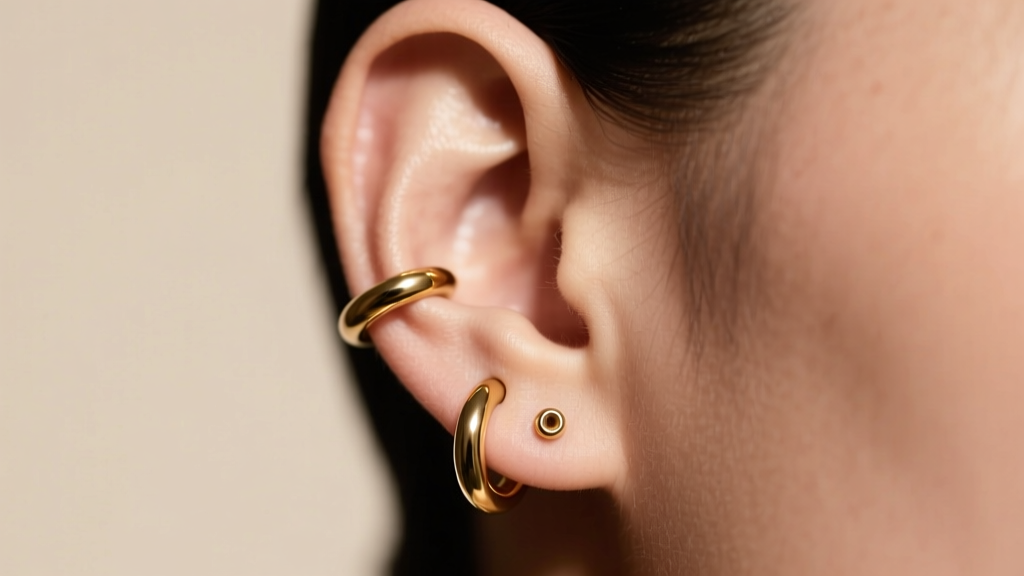
The Historical Myth: What Do Earrings Left Ear Mean?
For decades, pop culture, schoolyard rumors, and outdated fashion magazines have perpetuated a very specific query among jewelry shoppers and curious observers alike: what do earrings left ear mean? If you have ever hesitated before buying a single statement stud or a bold hoop for your left side due to perceived cultural coding, you are not alone. To understand the modern buying landscape, we first need to dismantle the historical baggage attached to ear piercing placement.
The myth originated in the 1970s and peaked in the 1980s and 1990s as a form of covert signaling among men. The pervasive slang was 'left is right, right is wrong,' implying that a single earring in the left ear denoted heterosexuality, while the right ear was a coded signal for homosexuality. According to Wikipedia's historical archive on earring cultural significance, this binary coding was largely a Western, mid-to-late 20th-century phenomenon. Pirates, sailors, and various indigenous cultures historically pierced the left ear (or both) for reasons ranging from superstition about eyesight to marking rites of passage, entirely devoid of modern sexual connotations.
In 2026, the idea that ear placement dictates orientation or personality is completely obsolete. Today, choosing to wear jewelry exclusively in the left ear is a deliberate, high-fashion aesthetic choice rooted in asymmetry, visual weight, and personal styling. The modern question is no longer about hidden meanings; it is about how to curate, balance, and purchase high-quality jewelry for a single-ear focal point.
The Modern Single-Ear Aesthetic: Styling the Left Side
Asymmetrical styling has dominated runway trends and street style over the last few years. Dedicating your left ear to a 'statement stack' while keeping the right ear minimalist (or completely bare) creates an edgy, intentional look that draws the eye. When you commit to a single-ear focus, the jewelry you buy must be of exceptional quality because it will command undivided attention. There is no matching pair to hide behind; every gemstone cut, metal finish, and structural line is magnified.
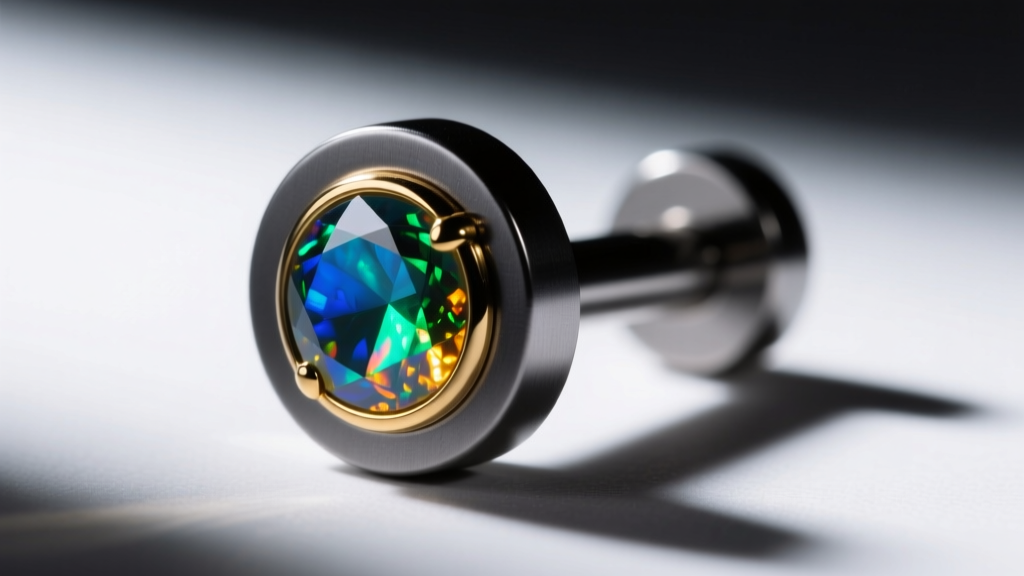
When shopping for a left-ear focal point, buyers should look for pieces that offer structural integrity and ergonomic comfort, especially if you plan to wear them daily. The market has shifted away from flimsy, mass-mall-kiosk accessories toward bespoke, body-safe fine jewelry. Brands like BVLA (Body Vision Los Angeles), Anatometal, and Maria Tash have pioneered the 'fine body jewelry' movement, blending luxury gemology with anatomical precision.
Buying Guide: Gauges, Anatomy, and Fit
The most critical failure mode when buying single-ear jewelry is ignoring gauge size and post length. A standard earring bought from a fashion retailer often features a 20-gauge (0.8mm) post, which is too thin for many cartilage piercings and can cause the 'cheese-cutter effect,' where thin wire slowly migrates through the tissue. Below is a structural breakdown of what to look for based on your specific left-ear anatomy.
| Piercing Location | Standard Gauge | Optimal Post Length | Best Jewelry Type | 2026 Price Range |
|---|---|---|---|---|
| Standard Lobe | 20g - 18g (0.8-1.0mm) | 6mm - 8mm | Threadless Studs, Clicker Hoops | $35 - $120 |
| Helix / Forward Helix | 16g (1.2mm) | 6mm - 8mm | Flat Back Labrets | $45 - $180 |
| Tragus | 16g (1.2mm) | 5mm - 6mm | Flat Back Labrets (Bezel Set) | $50 - $150 |
| Conch | 14g - 16g (1.6-1.2mm) | 6mm - 8mm | Large Flat Backs, Seamless Rings | $60 - $250+ |
| Daith / Rook | 16g (1.2mm) | 6mm - 8mm (Curved) | Clicker Rings, Curved Barbells | $40 - $140 |
When buying online, always verify the exact gauge and inner diameter. A 16-gauge flat back labret is the gold standard for upper-ear cartilage, providing enough thickness to support heavy gemstone ends without bending or irritating the fistula (the piercing channel).
Material Grades: What to Look For in 2026
If you are investing in a single, high-impact left ear piece, material purity is non-negotiable. The term 'surgical steel' is a largely unregulated marketing buzzword that often contains nickel, a primary culprit for contact dermatitis and localized swelling. According to The Association of Professional Piercers (APP) jewelry guidelines, only specific, verifiable implant-grade materials should be worn in the body long-term.
- ASTM F136 Implant-Grade Titanium: The absolute baseline for safe body jewelry. It is entirely nickel-free, lightweight, and can be anodized to create vibrant colors without using surface paints or dyes that can chip off in the ear.
- Niobium (ASTM B392): Similar to titanium in its hypoallergenic properties but softer and heavier. Excellent for intricate, dark-anodized ear cuffs and hoops.
- Solid 14k or 18k Gold: Must be nickel-free and alloyed for biocompatibility. Look for palladium-white gold rather than nickel-white gold. Brands like BVLA (Body Vision Los Angeles) set the industry standard for 14k and 18k gold ends, ensuring the alloy is safe for 24/7 wear.
- Avoid: Gold-plated or gold-filled jewelry. The base metal is usually brass or copper, which will oxidize, turn your skin green, and cause severe allergic reactions once the microscopic outer layer of gold wears away from friction.
Hardware Mechanics: Threadless vs. Internally Threaded
The mechanical construction of the earring post is just as important as the metal itself. Traditional 'butterfly back' or 'friction back' earrings are a major failure point. They trap dead skin, moisture, and hair, creating a breeding ground for bacteria and localized infections. Furthermore, the thin posts easily bend, making insertion painful.
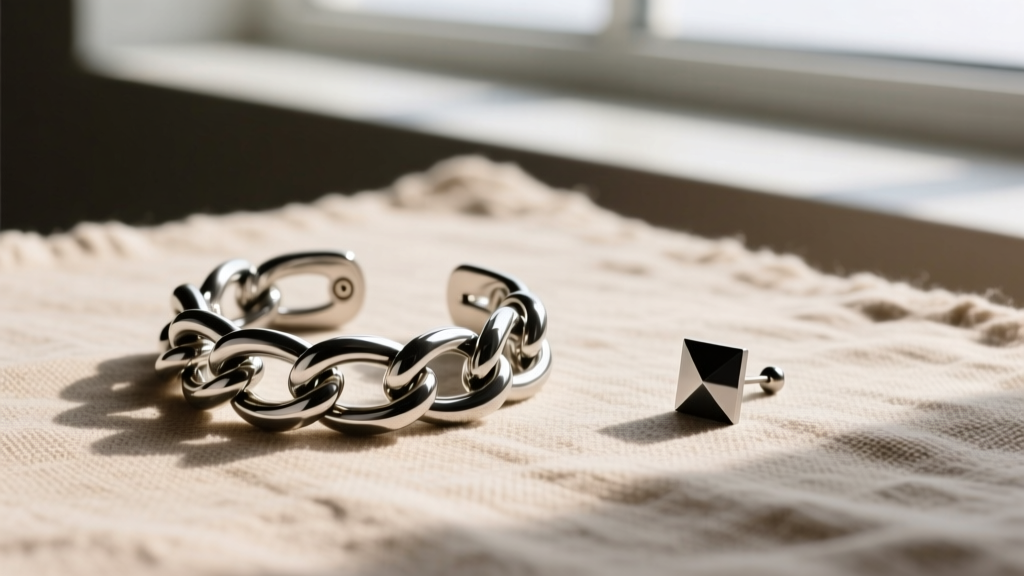
For a premium left-ear stack, you must look for threadless (push-pin) or internally threaded hardware. Threadless jewelry uses the tension of a slightly bent pin inside a hollow post to hold the jewelry together. It offers a seamless, secure fit that will not fall out in your sleep or catch on sweaters. Internally threaded jewelry features screw threads on the removable gemstone end rather than the post itself, meaning the smooth post glides through your piercing without micro-tearing the delicate tissue lining. External threading (where the screw is on the post) should be strictly avoided, as it acts like a cheese grater on the fistula during insertion and removal.
Curating Your Asymmetrical Stack
Styling a single ear requires an understanding of visual weight. If your left ear is your canvas, you can experiment with ear chains, orbital piercings, and clustered constellations. However, balance is key. If your left ear features a heavy, diamond-encrusted ear chain connecting a helix to a lobe, keep your right ear completely bare or limit it to a single, flush-fitting titanium huggie. This contrast ensures your left ear remains the undeniable focal point, transforming an outdated myth into a masterclass in modern, intentional styling.


