How to Authenticate & Style Vintage Black Pearl Earrings
Learn how to authenticate, clean, and style vintage black pearl earrings. Discover expert tips on identifying real Tahitian vs. dyed pearls.

The Allure and Deception of Vintage Black Pearl Earrings
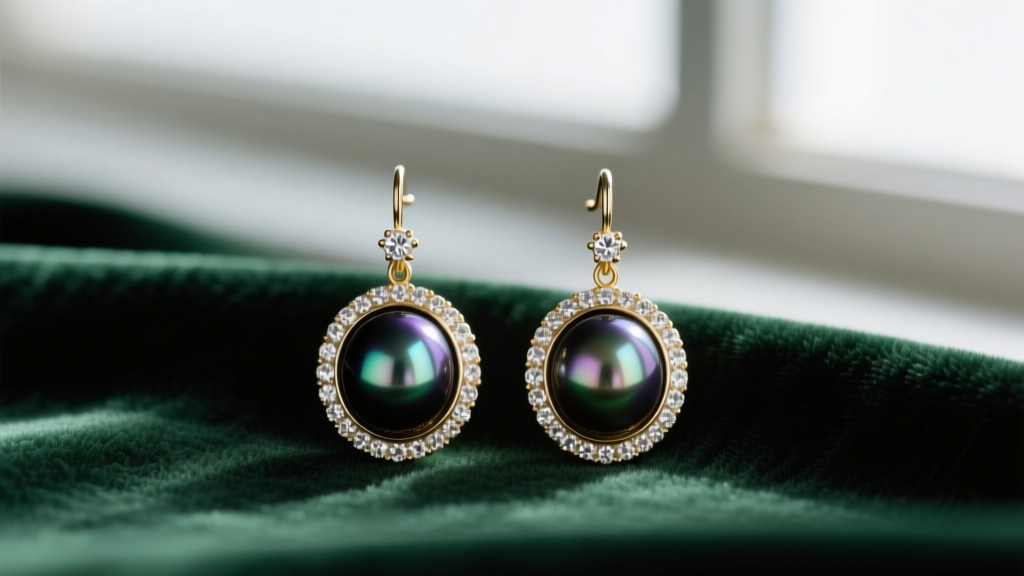
The secondary jewelry market has seen a massive resurgence in the demand for vintage black pearl earrings. With their moody, iridescent overtones and undeniable mid-century glamour, these pieces are highly sought after by collectors and modern stylists alike. However, as of 2026, the proliferation of sophisticated dyeing techniques and synthetic imitations has made authentication more challenging than ever. Whether you are bidding at an estate auction, browsing a curated vintage boutique, or inheriting a family heirloom, knowing how to properly evaluate these gems is critical to avoiding costly mistakes.
This comprehensive, step-by-step guide will walk you through the gemological and historical markers of genuine vintage black pearl earrings. We will cover everything from drill-hole inspections using a jeweler's loupe to understanding the historical timeline of Tahitian pearl exports, ensuring you can shop, restore, and style your pieces with absolute confidence.
The Historical Reality Check: Era vs. Origin
Before pulling out your magnifying tools, you must understand a crucial piece of gemological history that catches many amateur buyers off guard. According to the Cultured Pearl Association of America (CPAA), the commercial cultivation and export of genuine Tahitian black pearls did not begin in earnest until the mid-1970s, following official recognition by the French government and the establishment of strict nacre-thickness export laws.
What does this mean for vintage buyers? If a seller claims a pair of Art Deco (1920s) or Retro (1940s) earrings features "natural Tahitian black pearls," they are either misinformed or intentionally deceptive. Black pearls from the early-to-mid 20th century are almost exclusively dyed Akoya, dyed freshwater pearls, or black glass. Genuine vintage Tahitian black pearl earrings will date from the late 1970s, 1980s, or 1990s. Keeping this timeline in mind is your first line of defense against fraudulent listings.
Step 1: Visual Inspection and Luster Analysis
The first physical step in authenticating vintage black pearl earrings is evaluating the luster and "orient" (the play of color across the surface). Genuine Tahitian pearls are rarely a flat, inky black. Instead, they exhibit complex overtones.
- Peacock: The most valuable overtone, featuring a dark green-gray base with flashes of pink, purple, and blue.
- Aubergine: A deep, purplish-black hue that mimics the skin of an eggplant.
- Pistachio: A lighter, yellowish-green gray that is highly prized in 1980s vintage settings.
Conversely, dyed Akoya or freshwater pearls often possess a flat, uniform, "shoe-polish" black appearance. While high-quality modern dyes can mimic some overtones, they often fail to replicate the deep, mirror-like luster of a genuine Tahitian pearl. Hold the earrings under a soft, diffused daylight lamp. A genuine pearl will reflect a sharp, crisp light source on its surface, while a dyed or treated pearl may look chalky or overly metallic.
Step 2: The Drill Hole and Nacre Test
To definitively separate genuine vintage Tahitian pearls from their dyed counterparts, you must examine the drill hole using a 10x triplet jeweler's loupe. This is where dyeing processes inevitably fail to hide their tracks.
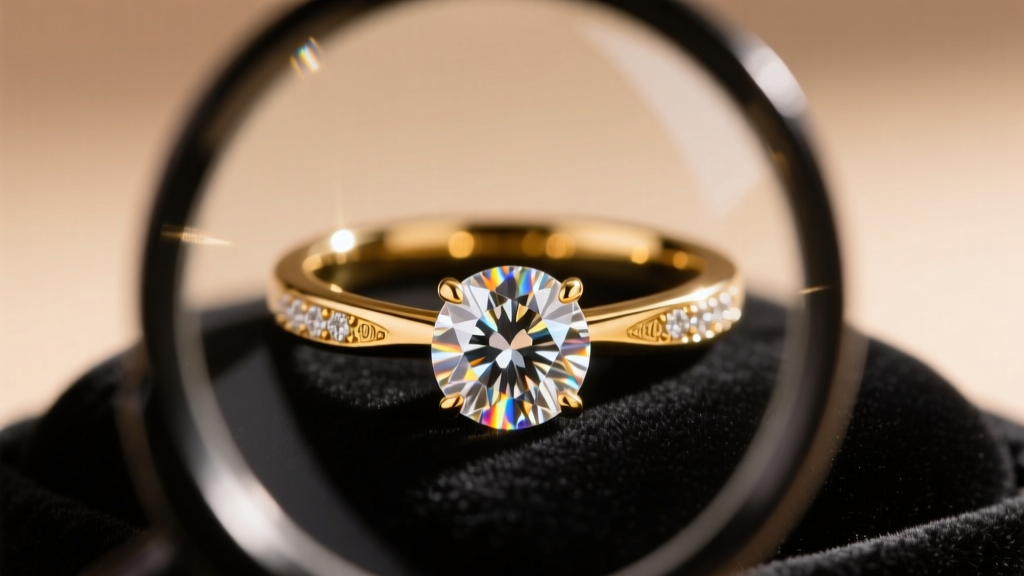
When pearls are dyed using silver nitrate or organic black dyes, the liquid pools in the microscopic crevices of the drill hole. Look for dark, muddy rings or concentrated black streaks radiating from the center of the hole. Furthermore, genuine Tahitian pearls are bead-nucleated with a thick nacre layer (minimum 0.8mm, but vintage 1980s pieces often boast 1.2mm to 2.0mm). If you can clearly see a stark white or dark shell bead immediately inside the drill hole with virtually no nacre covering, you are likely looking at a thin-nacre dyed Akoya.
Comparison Chart: Genuine vs. Dyed Black Pearls
| Diagnostic Feature | Genuine Vintage Tahitian (1970s+) | Dyed Akoya / Freshwater |
|---|---|---|
| Color Uniformity | Varied, with peacock/aubergine overtones | Flat, uniform, inky black |
| Drill Hole (10x Loupe) | Clean, sharp edges, no dye pooling | Dark rings, muddy dye concentration |
| Nacre Thickness | 0.8mm to 2.0mm+ (bead hidden deep) | Thin nacre, bead visible inside hole |
| Luster Quality | Deep, mirror-like with distinct orient | Chalky or overly metallic, lacks depth |
Step 3: Evaluating Vintage Settings and Hallmarks
Once the pearls pass the gemological inspection, shift your focus to the metalwork. The Gemological Institute of America (GIA) emphasizes that the mounting can provide vital clues regarding a piece's provenance and authenticity. Vintage black pearl earrings from the 1980s and 1990s were frequently set in 18k yellow gold or platinum, designed to contrast sharply with the dark nacre.
Inspect the earring posts, clips, or omega backs for hallmarks. Look for stamps such as "750" (18k gold), "PT900" (platinum, highly popular in Japanese vintage markets), or maker's marks. Be highly suspicious of heavy, ornate settings that lack any metal stamps, as these are often modern, mass-produced alloy castings designed to look "antique" and hide low-grade pearls. Additionally, check the friction of the earring posts; genuine vintage screw-backs or friction posts should operate smoothly, whereas cheap reproductions often feature poorly threaded or flimsy base-metal hardware.
Expert Tip: If the earrings are clip-ons, examine the hinge tension. Vintage 1980s clip-on mechanisms were engineered with precise spring tension to accommodate the heavier weight of solid gold and large Tahitian pearls. Modern replica clips often feel loose or pinch aggressively due to inferior metallurgy.
Step 4: Safe Cleaning and Restoration Protocols
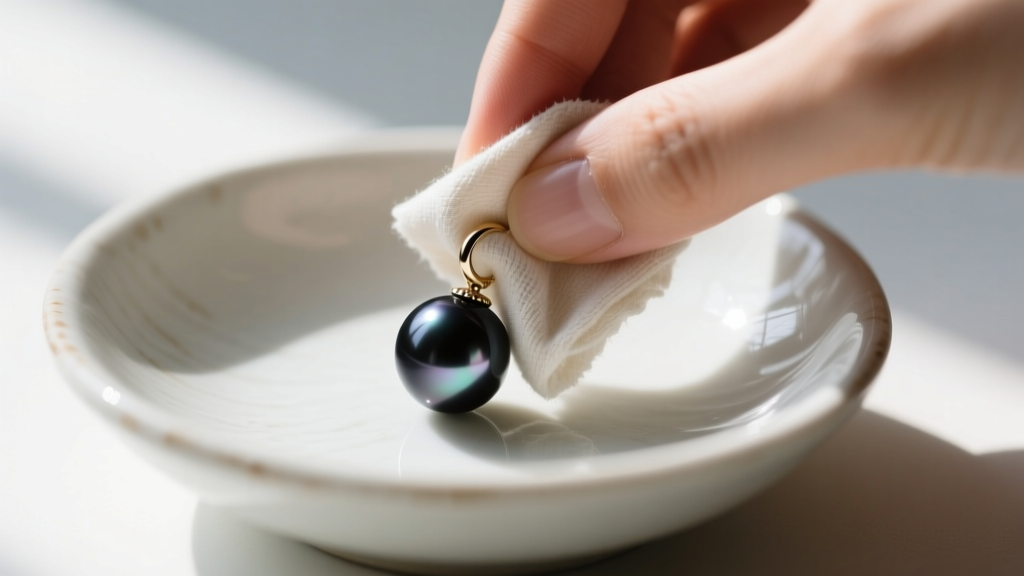
Restoring vintage black pearl earrings requires a delicate touch. Pearls are organic gemstones with a Mohs hardness of just 2.5 to 3.0, making them highly susceptible to scratching and chemical damage. Never use ultrasonic cleaners, steamers, or commercial jewelry dips, as these will strip the nacre and ruin the orient.
Step-by-Step Cleaning Guide:
- Dust Removal: Use a clean, dry, ultra-soft makeup brush to gently sweep away loose dust and skin cells from the drill holes and settings.
- Damp Wipe: Dampen a microfiber cloth with distilled water (never tap water, which contains chlorine). Gently wipe the surface of the pearl.
- Mild Soap (If Needed): For stubborn body oils, use a drop of pH-neutral castile soap on the damp cloth. Avoid getting soap into the drill hole, as it can degrade the silk or nylon threading inside.
- Drying: Lay the earrings flat on a dry cotton towel. Never hang vintage pearl earrings to dry, as the moisture can stretch the internal threading or cause the metal posts to oxidize.
- Metal Polishing: Use a separate, treated jeweler's polishing cloth for the gold or platinum settings, ensuring the cloth does not touch the pearl itself.
Step 5: Styling Vintage Black Pearl Earrings
The beauty of vintage black pearl earrings lies in their versatility. Unlike the traditional, conservative look of white Akoya studs, black pearls offer an edgy, sophisticated aesthetic that bridges the gap between classic elegance and modern avant-garde fashion.
For a contemporary 2026 wardrobe, pair 1980s 18k yellow gold and black pearl button earrings with a structured, oversized charcoal blazer and a crisp white silk blouse. The warm gold and moody pearls create a striking contrast against neutral tones. If you are working with dramatic, long drop earrings from the 1990s featuring diamond halos, let them be the focal point of your look by sweeping your hair into a sleek, low chignon and wearing a minimalist, deep-V neckline. Avoid wearing black pearls with overly busy, patterned fabrics; their complex overtones require visual breathing room to truly shine.
2026 Market Pricing and Sourcing Guide
Understanding current market valuations is essential for negotiating and identifying fair deals. As of 2026, genuine vintage Tahitian black pearl earrings (10mm - 12mm, 18k gold settings, excellent luster) typically range from $1,200 to $3,500 on the estate market. Pieces featuring significant diamond accents or signed designer hallmarks (such as vintage Mikimoto or Tiffany & Co.) can easily command $5,000 to $12,000+.
Conversely, vintage-style dyed Akoya earrings usually max out between $150 and $400. If a seller is asking premium Tahitian prices for a piece that lacks proper documentation, exhibits flat color, or dates prior to 1975, walk away. Always request a recent gemological lab report from reputable institutions like GIA or SSEF when making high-value vintage purchases. By combining historical knowledge with rigorous physical inspection, you can confidently build a stunning, authentic collection of vintage black pearl earrings that will retain its value and beauty for generations.


