How to Clean and Maintain Your Pearl Heart Earrings
Discover expert tips to clean, store, and maintain pearl heart earrings. Learn safe cleaning solutions and how to protect nacre from damage.

The Organic Nature of Nacre and Heart-Shape Vulnerabilities
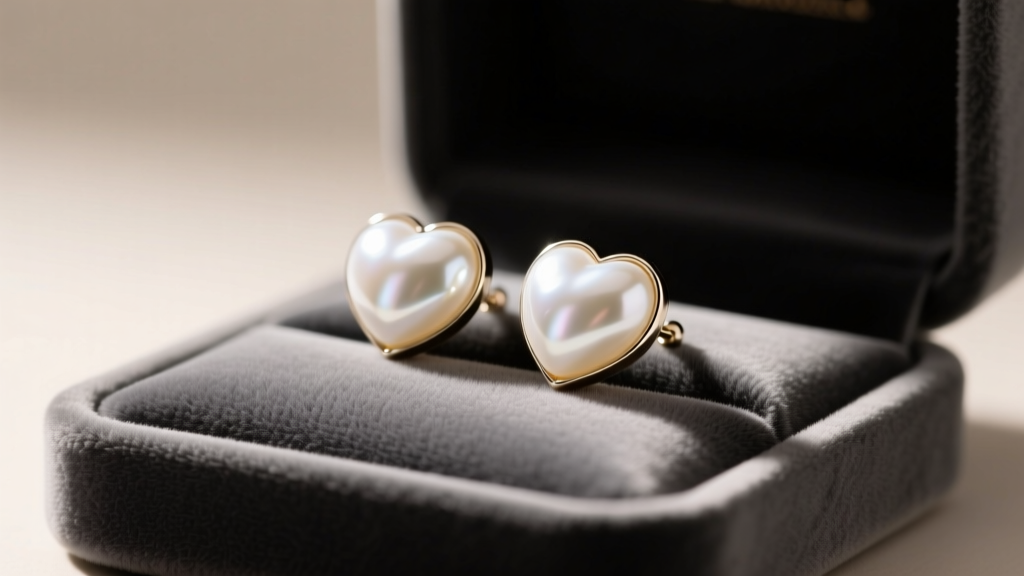
Pearl heart earrings are a romantic and timeless staple in any jewelry collection, but their unique composition and silhouette demand specialized care. Unlike faceted gemstones such as diamonds or sapphires, pearls are organic gems primarily composed of calcium carbonate (aragonite platelets) bound together by a protein called conchiolin. This structure gives pearls their signature luster but also leaves them remarkably soft, ranking between 2.5 and 4.5 on the Mohs hardness scale. Because of this porosity, pearls are highly susceptible to chemical etching and dehydration.
The heart shape introduces a specific structural vulnerability: the inner cleft (the dip at the top of the heart) and the tapered bottom point. These crevices act as natural traps for sebum, dead skin cells, cosmetic residues, and soap scum. If left unaddressed, this buildup not only dulls the nacre's orient but can also accelerate the degradation of the metal settings and the adhesives used to secure the pearl to the earring post. Understanding these material realities is the first step in preserving the pristine condition of your pearl heart earrings.
The 'Last On, First Off' Rule for Daily Wear
The most effective maintenance strategy for pearl heart earrings is preventative. The golden rule of pearl jewelry is 'last on, first off.' Pearls should be the final accessory you put on when getting dressed and the first item you remove when you return home. This protocol minimizes their exposure to the harsh chemicals found in everyday beauty products.
- Cosmetics and Fragrances: Hairsprays, perfumes, and lotions contain alcohols and volatile organic compounds that can strip the pearl's natural moisture and dull its luster. Always allow perfumes and hairsprays to dry completely before putting on your earrings.
- Perspiration and pH Levels: Human sweat has a pH ranging from 4.5 to 7.0. Because calcium carbonate is highly reactive to acids, prolonged exposure to sweat can literally etch the surface of the pearl, leaving permanent microscopic pits. If you wear your pearl heart earrings on a warm day, wipe them down immediately upon removal.
- Household Cleaners: Never wear pearl earrings while cleaning. Ammonia and bleach-based cleaners will cause immediate, irreversible damage to the nacre and can severely tarnish the metal settings.
Step-by-Step Cleaning Protocol
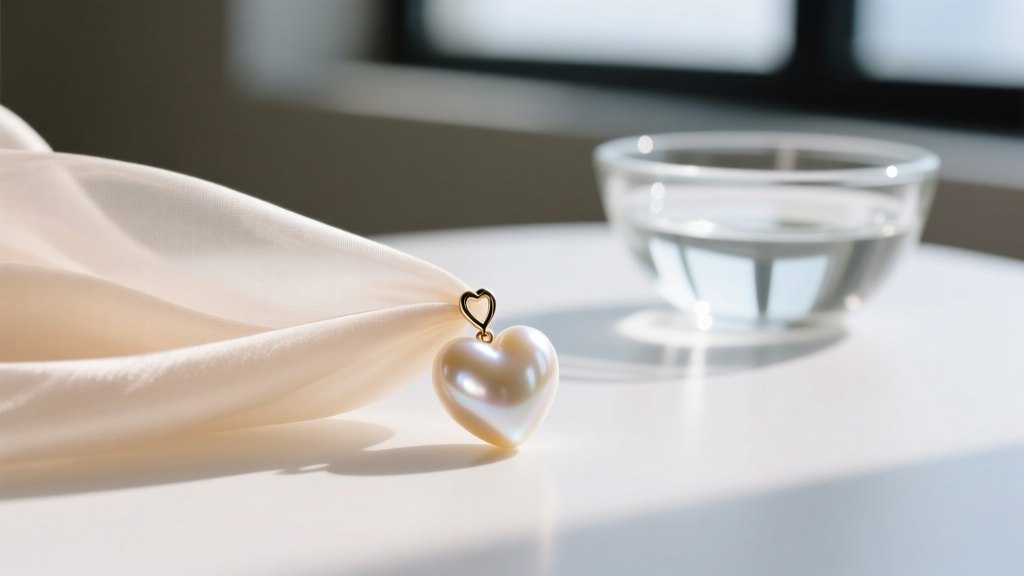
When your pearl heart earrings lose their brilliance, a gentle, manual cleaning is required. Never use commercial jewelry dips, steam cleaners, or ultrasonic machines. Ultrasonic cleaners use high-frequency cavitation that can shatter the delicate nacre layers or shake the pearl loose from its epoxy setting.
Safe vs. Unsafe Cleaning Agents
| Cleaning Agent | Safety Status | Effect on Pearl Nacre |
|---|---|---|
| Damp Microfiber Cloth | Highly Safe | Gently removes surface oils without scratching. |
| Mild Castile Soap (Unscented) | Safe (Diluted) | Effective for stubborn grime; must be rinsed quickly. |
| Ultrasonic Cleaners | Dangerous | Causes micro-fractures and destroys the nacre layer. |
| Ammonia / Bleach | Dangerous | Dissolves calcium carbonate; causes permanent etching. |
| Steam Cleaners | Dangerous | Heat dehydrates the pearl and melts setting adhesives. |
To clean your earrings, lightly dampen a soft, lint-free microfiber cloth with distilled water. Gently wipe the surface of the pearl, paying special attention to the back where it rests against the earlobe. If there is visible buildup, use a drop of unscented, mild liquid castile soap (such as Dr. Bronner's Baby Unscented) mixed with distilled water. Wipe the pearl gently, then use a second cloth dampened only with pure distilled water to remove any soap residue. Allow the earrings to air dry completely on a soft towel before storing them.
Navigating the Heart Cleft and Metal Settings
The intricate cleft of a heart-shaped pearl requires a more targeted approach to remove trapped debris. Do not use metal pins or sharp objects to dig out dirt, as these will easily scratch the soft nacre. Instead, use a wooden toothpick or a soft-bristled baby toothbrush to gently dislodge debris from the top cleft and the bottom point of the heart.
When cleaning the metal settings—whether they are crafted from 14k gold, 18k gold, or sterling silver—you can be slightly more aggressive. A soft baby toothbrush dipped in a mild soapy solution can be used to scrub the metal prongs, bezels, or earring posts. However, you must be meticulous about keeping the soapy brush away from the pearl itself. For sterling silver settings that have tarnished, use a dedicated silver polishing cloth on the metal only, ensuring the polishing compound does not transfer to the pearl's surface. According to the Gemological Institute of America (GIA), keeping the metal settings clean prevents corrosive tarnish from migrating to the porous surface of the pearl.
Storage Strategies to Prevent Dehydration
Pearls contain a small amount of water within their conchiolin matrix. If stored in an overly dry environment, they can dehydrate, leading to a loss of luster, surface crazing (fine cracking), and eventual peeling. Conversely, storing them in airtight plastic bags or safety deposit boxes for extended periods will suffocate the organic gem and accelerate dehydration.
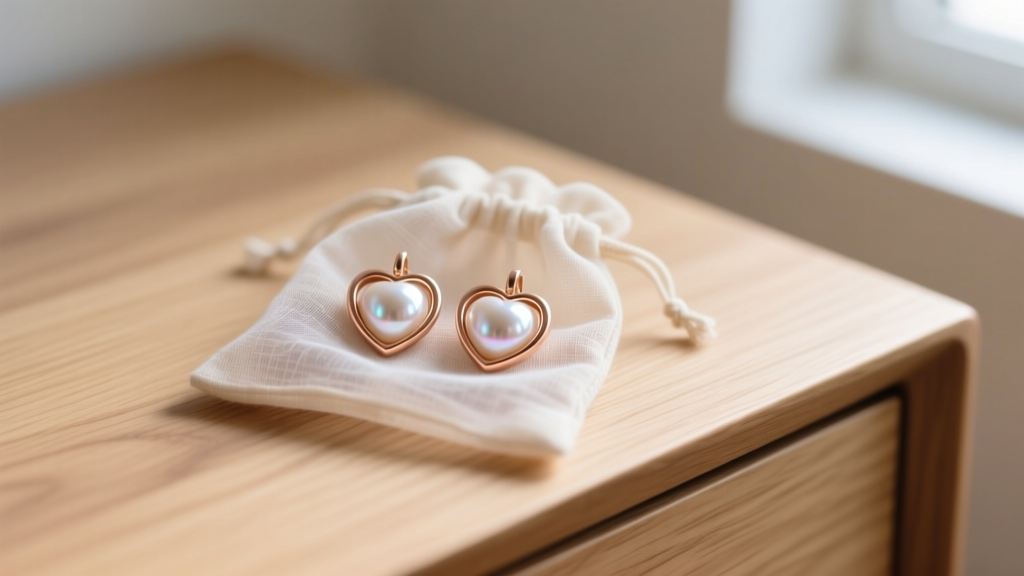
To properly store your pearl heart earrings, place them in a breathable, unbleached cotton or silk pouch. This protects them from dust and scratches while allowing ambient humidity to reach the nacre. Never store pearls in a communal jewelry box where they can rub against harder gemstones or metal chains; a diamond or sapphire will effortlessly scratch the surface of a pearl. Furthermore, always store pearl earrings flat. Hanging them for long periods can stress the post or the adhesive bond, especially if the pearls are heavily drilled or mounted on delicate wire.
When to Seek Professional Jeweler Maintenance
While daily care and gentle cleaning can be managed at home, structural maintenance requires a professional touch. Most pearl stud earrings, including heart-shaped designs, are secured to their metal posts using a specialized two-part epoxy resin. Over time, exposure to skin oils, temperature fluctuations, and minor impacts can cause this epoxy to degrade, yellow, or become brittle.
We recommend taking your pearl heart earrings to a certified jeweler once a year for a professional inspection. The jeweler will check the integrity of the adhesive bond, ensure that any prongs or bezels are securely holding the pearl, and perform a deep, safe cleaning of the metal components. If you notice any looseness, wobbling, or visible yellowing around the base of the pearl post, stop wearing the earrings immediately and seek professional re-setting to prevent the loss of the gem. As noted by Jewelers of America, routine professional inspections are the most reliable way to extend the lifespan of delicate organic jewelry and ensure your romantic heart-shaped pieces remain secure for generations.


