Earrings Meaning: The Hidden Symbolism Behind Your Piercings
Discover the hidden earrings meaning behind your piercings. Explore historical symbolism, left vs. right ear myths, and cartilage placement secrets.

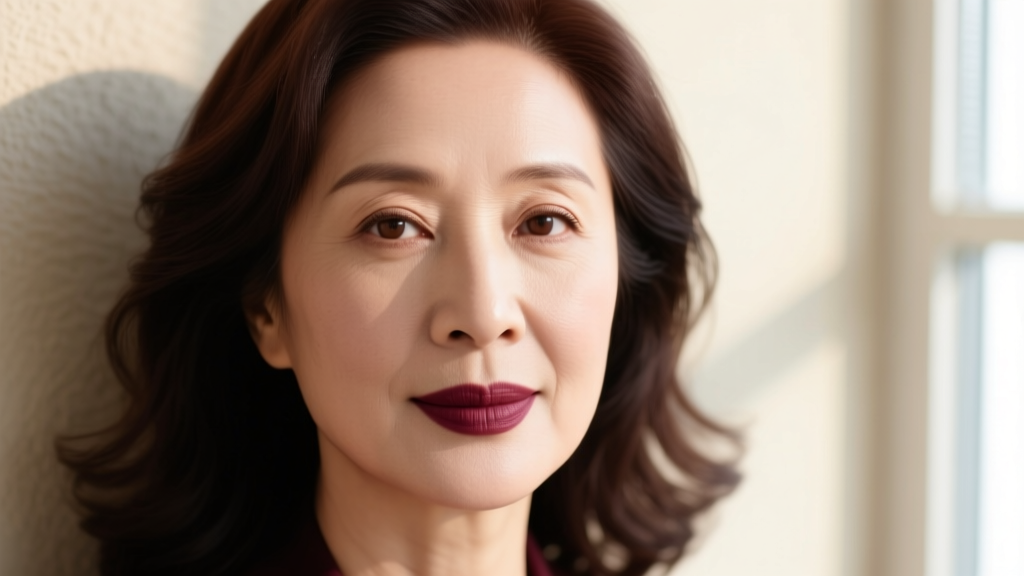
When you look in the mirror and adjust your favorite pair of earrings, you are likely thinking about how they frame your face or complement your outfit. But have you ever considered the deeper earrings meaning behind your chosen adornments? For thousands of years, ear piercings and the jewelry that fills them have served as much more than mere decoration. They have acted as talismans for protection, markers of social status, indicators of tribal affiliation, and even tools for holistic healing.
As a beginner navigating the vast world of ear curation, understanding the historical, cultural, and spiritual symbolism behind your piercings can transform your jewelry box from a simple collection of accessories into a deeply personal armor. In this comprehensive guide, we will decode the hidden meanings behind earring styles, placements, and materials, giving you a profound new perspective on body modification.
The Historical Roots: Why We Pierce
To truly grasp the earrings meaning in a modern context, we must look back to the very origins of body modification. Ear piercing is widely recognized as the oldest form of body art in human history. The most famous piece of evidence comes from Ötzi the Iceman, a naturally mummified man who lived around 3300 BCE. Discovered in the Ötztal Alps, Ötzi had stretched earlobes measuring approximately 7-11mm in diameter, proving that the practice of stretching and adorning the ears predates modern civilization by millennia. Anthropologists suggest that for early tribes, earrings served as spiritual wardens, designed to keep evil spirits from entering the body through the ear canal.
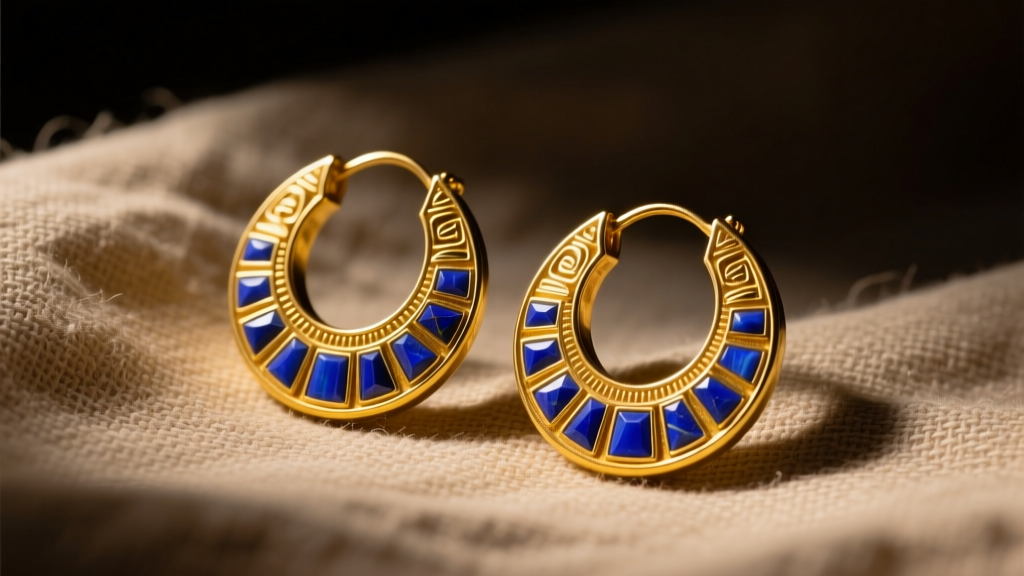
In Ancient Egypt, the meaning of earrings shifted toward status and wealth. Both men and women of nobility wore heavy, elaborate gold hoops and pendants. According to Britannica's archives on body modification, these heavy gold pieces were not just beautiful; they were a physical manifestation of divine favor and royal lineage. Conversely, in the Roman Empire, earrings briefly took on a starkly different meaning. During the early Republic, they were primarily worn by slaves and the lower classes, though this shifted dramatically during the later Empire when wealthy Roman women began wearing pearl drops to signal their immense wealth and global reach.
Left vs. Right Ear: Decoding the Myth
One of the most common questions beginners ask when exploring ear curation is whether there is a specific meaning attached to the left or right ear. In Western pop culture, specifically during the 1970s and 1980s, a pervasive urban myth emerged stating that piercing the right ear was a covert signal of homosexuality, while the left ear denoted heterosexuality. This binary code has since been entirely dismantled and rendered obsolete by modern fashion and LGBTQ+ advocacy. Today, asymmetrical and bilateral piercings are purely aesthetic choices.
However, in Eastern spiritual traditions and Traditional Chinese Medicine (TCM), the left and right sides of the body carry distinct energetic meanings. The left side is often associated with solar, masculine, and active energy (Yang), while the right side is linked to lunar, feminine, and receptive energy (Yin). Therefore, placing a stimulating gemstone like Carnelian in the left ear might be intended to boost assertiveness, while placing calming Amethyst in the right ear could promote emotional receptivity.
Cultural Symbolism Comparison
| Culture / Era | Left Ear Meaning | Right Ear Meaning | General Earrings Meaning |
|---|---|---|---|
| Ancient Egypt | Solar connection / Ra | Lunar connection / Thoth | Wealth, divine protection, royalty |
| 1980s Western Pop | Heteronormative signal | Counterculture / LGBTQ+ signal | Rebellion, identity coding |
| Hindu Tradition | Male energy / Intellectual | Female energy / Emotional | Rite of passage, Ayurvedic health |
| Modern Curated Ear | Aesthetic balance | Aesthetic balance | Self-expression, artistry, individuality |
Earring Styles and Their Secret Symbolism
The physical shape of your jewelry also carries profound psychological and cultural weight. When you select a specific style, you are unconsciously tapping into centuries of visual language.
The Eternal Hoop
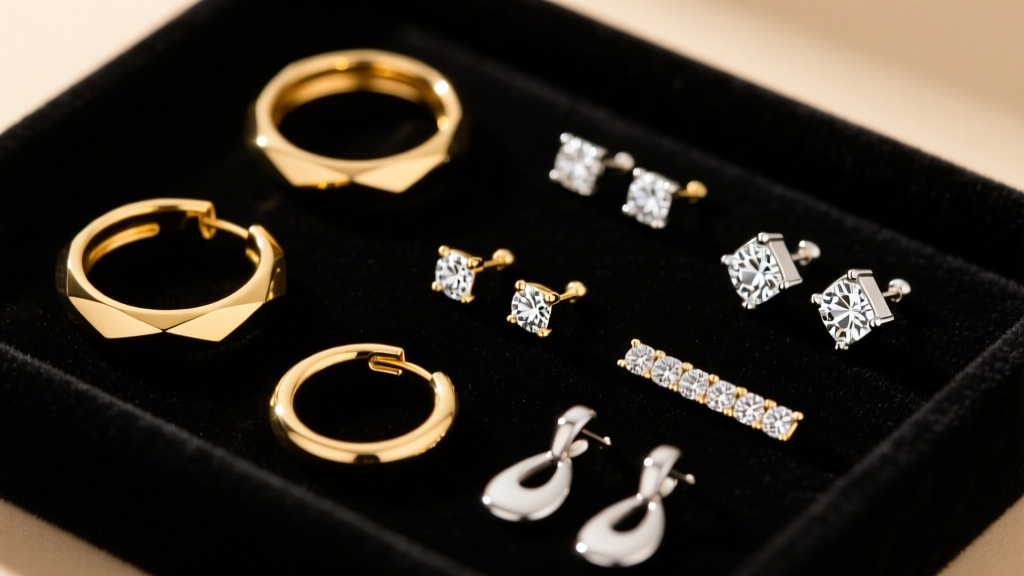
Hoops are arguably the most universally recognized earring style. Because a circle has no beginning and no end, the hoop represents eternity, wholeness, and the cyclical nature of life. In many Latinx and Black communities, large gold hoops are deeply intertwined with cultural resilience, matriarchal strength, and identity. Wearing hoops is often an act of claiming space and projecting unapologetic confidence. From a styling perspective, hoops draw the eye in a continuous loop, softening angular jawlines and adding warmth to the face.
The Grounding Stud
Studs represent minimalism, focus, and grounding. Because they sit flush against the earlobe, they do not distract from the wearer's natural features but rather act as a concentrated point of light or color. In spiritual terms, a stud acts as an anchor. A single diamond or gemstone stud is often viewed as a 'third eye' for the ear, promoting clarity of thought and sharp intuition. They are the preferred choice for professionals who wish to project stability, reliability, and understated elegance.
The Theatrical Dangle
Dangle and drop earrings are all about movement, freedom, and theatricality. Historically, they were worn by performers, dancers, and nobility who wanted to draw attention to the neck and collarbone. The kinetic energy of a dangle earring signifies a free spirit and an extroverted personality. Because they elongate the neck, they are deeply associated with grace and sensuality.
Cartilage and Placement Meanings in Modern Body Mod
As the 'curated ear' trend has exploded in the 2020s, the placement of the piercing itself has taken on new meanings. Moving beyond the standard lobe, cartilage piercings require a deeper understanding of anatomy and intent.
- The Helix: Located on the upper outer rim of the ear, the helix piercing represents independence and a willingness to step outside traditional boundaries. It is the most popular secondary piercing, symbolizing the first step into curated self-expression. Standard jewelry for a healed helix is a 16G (1.29mm) or 18G (1.02mm) flat-back labret.
- The Conch: Pierced through the deep, cup-shaped cartilage of the inner ear, the conch is associated with deep listening and inner truth. Because it accommodates large, statement-making studs or intricate hoops, it symbolizes a bold, unhidden personality.
- The Daith: Passing through the ear's innermost cartilage fold (the crus of the helix), the daith piercing has gained massive popularity not just for its aesthetic, but for its purported holistic benefits. Many proponents claim that the daith piercing acts as a permanent acupressure point that stimulates the vagus nerve, potentially alleviating migraine symptoms and anxiety, though clinical evidence remains debated.
For a deeper dive into the anatomical history of ear modifications, History.com's feature on Ötzi the Iceman highlights how early humans understood the ear's connection to the nervous system long before modern medicine mapped it.
Material Matters: The Energy of Metals
The earrings meaning is incomplete without discussing the metallurgy of the jewelry itself. The metal touching your skin interacts with your body's micro-electric field.
Gold: Historically associated with the sun, wealth, and divine consciousness. Gold is an excellent conductor of energy and is highly hypoallergenic when properly alloyed (14k or 18k). It is believed to attract positive energy and abundance.
Silver: Tied to the moon, intuition, and emotional balance. Silver has natural antimicrobial properties, which is why it was historically used to ward off infection. It is thought to cool fiery tempers and promote emotional clarity.
Implant-Grade Titanium: While not steeped in ancient mythology, ASTM F136 implant-grade titanium is the undisputed king of modern body jewelry. For beginners, understanding that titanium contains zero nickel and is entirely biocompatible is crucial. It represents a modern commitment to bodily autonomy, health, and safe healing practices. If you are getting a new piercing, titanium should always be your starting point to prevent contact dermatitis and rejection.
How to Choose Earrings Based on Personal Intent
Now that you understand the layered earrings meaning behind different styles and placements, how do you apply this to your daily life? Use this simple framework to select your jewelry based on your daily intent:
The Intent Framework:
Need to feel grounded and focused for a major presentation? Opt for 18k gold geometric studs in your primary lobe piercings.
Seeking creative inspiration and social connection? Layer 16G gold hoops in your helix and conch to open up your energetic profile.
Feeling emotionally overwhelmed? Switch to cool-toned silver or platinum dangles featuring soothing stones like Aquamarine or Moonstone to encourage emotional flow.
Ultimately, the most powerful earrings meaning is the one you assign to them yourself. Whether you are honoring ancient traditions, stimulating holistic pressure points, or simply celebrating your unique facial geometry, your ears are a canvas for your personal narrative. By choosing your placements, gauges, and materials with intention, you elevate your jewelry from mere metal to a profound extension of your identity.


