Best Earrings Michaels Sells: 2026 Value & Material Guide
Are the best earrings Michaels sells worth your money? We assess the 2026 value, material safety, and DIY cost of craft store jewelry.

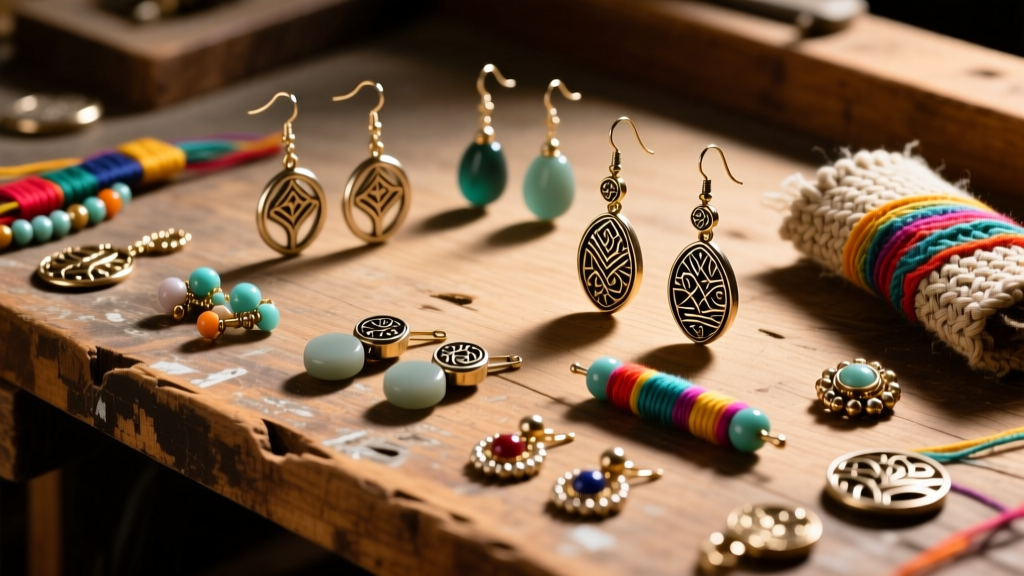
The Michaels Earrings Landscape: Pre-Made vs. DIY Findings
When building a jewelry collection on a strict budget, craft stores often present a tempting alternative to high-end boutiques and mid-tier mall jewelers. For decades, Michaels has been a go-to destination for DIY enthusiasts and bargain hunters alike. But when it comes to finished earrings and earring-making supplies, the question of true value arises. Are the best earrings Michaels offers a smart budget hack, or a fast-fashion trap that will leave your earlobes irritated and your wallet drained?
In this comprehensive 2026 value assessment, we dissect the metallurgy, pricing structures, and long-term wearability of both pre-made Michaels fashion earrings and their DIY earring findings. To accurately assess value, we must divide the inventory into two distinct categories: pre-made fashion jewelry and DIY earring components.
Pre-made earrings at Michaels are typically located near the bead aisles or checkout displays. These are mass-produced, trend-driven pieces—think chunky resin hoops, enamel florals, and faux-pearl clusters. They are designed for immediate visual appeal rather than longevity, usually priced between $5.99 and $14.99. On the other hand, the DIY earring findings section offers French hooks, leverbacks, and stud posts sold in bulk packs. These components are the backbone of homemade jewelry. A standard pack of 20 silver-plated brass French hooks might cost around $3.99 to $6.49. While the upfront cost per earring is mere cents, the true cost of these materials reveals itself over time through tarnishing, structural failure, and skin reactions.
Material Breakdown: What Are You Actually Putting in Your Piercings?
The most critical factor in any budget jewelry assessment is material composition. The vast majority of pre-made Michaels earrings and base-metal DIY findings are crafted from zinc alloys (often Zamak), brass, or copper, which are then flash-plated with a microscopic layer of silver, gold, or rhodium.
Flash plating is a budget-friendly electroplating process that deposits a layer of precious metal measuring less than 0.01 microns thick. For context, high-quality vermeil requires a minimum of 2.5 microns of gold over sterling silver. This means the plating on craft store earrings will wear away within weeks of daily friction, exposing the base metal underneath. More concerning is the presence of nickel. Nickel is frequently used in base metal alloys to add strength and a bright, silvery finish.
According to the American Academy of Dermatology, nickel allergy is the most common cause of allergic contact dermatitis, affecting up to 18% of adults in North America. When the flash plating on Michaels earrings wears off, the nickel leaches into the skin via sweat, causing severe itching, redness, and weeping piercings.
Gauge Sizes and Structural Integrity
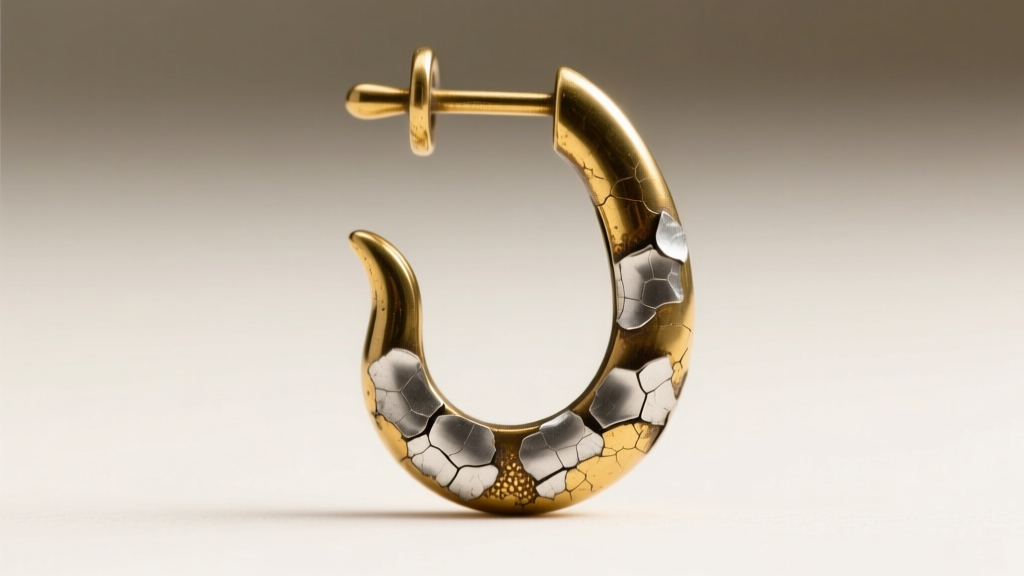
Beyond metallurgy, the physical dimensions of the earring wire dictate comfort and piercing health. Standard DIY French hooks sold at Michaels are almost universally 20-gauge (0.81mm) or 21-gauge (0.72mm). While 20-gauge is a standard size for earlobe piercings, the cheap stamping process often leaves microscopic burrs and sharp edges on the wire where it was cut from the factory mold.
Inserting a rough, 20-gauge base metal wire into a healing or sensitive piercing acts like a micro-saw, causing internal tissue micro-tears. Furthermore, the tension loops on these budget French hooks are frequently poorly calibrated. They either sit too loosely, causing the earring to slip out and get lost, or they are squeezed too tightly, making them a nightmare to attach to jump rings without snapping the brittle brass wire.
Furthermore, the clutch backs on pre-made Michaels stud earrings are notoriously poorly manufactured. The butterfly friction backs are often stamped from thin, nickel-plated brass with jagged edges that scrape the earlobe during insertion. Replacing these with silicone O-rings or 18k gold-plated sterling silver friction backs immediately elevates the comfort and safety of the piece.
Cost vs. Longevity: A 2026 Value Assessment
To determine if Michaels earrings offer genuine budget value, we must calculate the cost-per-wear and factor in the hidden costs of skin irritation and replacement. Below is a comparative analysis of craft store options versus mid-tier alternatives.
| Earring Type | Initial Cost | Material Core | Plating Quality | Estimated Lifespan | Value Rating |
|---|---|---|---|---|---|
| Michaels Pre-Made Fashion | $8.99 | Zinc Alloy / Zamak | Flash (0.01µ) | 1-3 Months | Low |
| Michaels DIY Base Metal Hooks | $0.25 / pair | Brass / Nickel-Silver | Flash (0.01µ) | 2-4 Months | Medium |
| Michaels DIY + Titanium Upgrade | $1.50 / pair | ASTM F-136 Titanium | None (Solid) | Lifetime | High |
| Mid-Tier Boutique (Sterling) | $28.00 | 925 Sterling Silver | Vermeil (2.5µ) | 2-5 Years | High |
As the data illustrates, buying pre-made Michaels earrings is a false economy. You may save $20 upfront compared to a boutique pair, but you will likely replace them three times a year as the posts snap or the plating turns your skin green due to copper oxidation.
The Sensitive Ear Dilemma: Hacks and Upgrades
If you are committed to the DIY route using Michaels charms and beads, you do not have to sacrifice your ear health. The most effective budget hack in 2026 is the 'Hook Swap.' Purchase your decorative elements from Michaels, but discard the base metal findings. Instead, invest in a pack of 20-gauge implant-grade titanium (ASTM F-136) or pure niobium French hooks from specialized online jewelry suppliers.
The Mayo Clinic strongly recommends titanium and niobium for individuals with severe metal hypersensitivity, as these metals are completely inert and do not trigger immune responses. By pairing a $2 Michaels enamel charm with a $1.50 titanium hook, you create a custom, hypoallergenic earring for under $4.00—a massive upgrade in both safety and longevity.
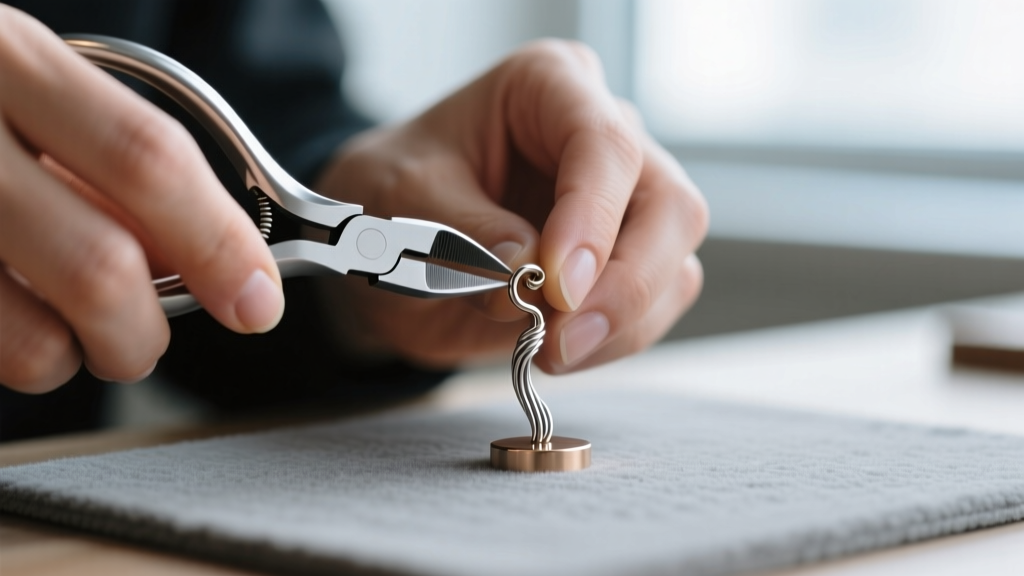
When working with Michaels charms, you will frequently encounter 4mm and 5mm jump rings. Standard craft store jump rings are often 20-gauge or 22-gauge wire, but they are rarely soldered closed. This means the structural weak point of your earring is not just the hook, but the tension gap on the jump ring. Upgrading to 18-gauge stainless steel or titanium soldered jump rings ensures your hard-earned DIY creations do not end up lost on the pavement.
For pre-made Michaels earrings that you already own and love, you can use a barrier coating like Jewelry Shield or a specialized clear nano-ceramic spray to seal the base metal posts. This prevents nickel leaching and copper oxidation for roughly 3 to 6 months before reapplication is required. However, this is a temporary band-aid, not a permanent fix for poor metallurgy.
Final Verdict: Are Michaels Earrings Worth Your Budget?
When evaluating the craft store jewelry market, the value proposition is highly dependent on how you use the store's inventory. As a source for ready-to-wear, finished fashion earrings, Michaels falls short. The reliance on Zamak alloys, nickel-laden brass, and sub-micron flash plating guarantees a short lifespan and a high risk of contact dermatitis. They are suitable only for ultra-short-term, single-use events where skin sensitivity is not a primary concern.
However, as a supplier of decorative beads, resin charms, and enamel pendants, Michaels remains a goldmine for budget-conscious jewelry makers. By treating their inventory as a source for 'toppers' rather than complete structural pieces, and by upgrading the ear wires to medical-grade titanium or niobium, you can achieve exceptional value. True budget jewelry is not about spending the absolute minimum on day one; it is about maximizing cost-per-wear while protecting the long-term health of your piercings.


