The Ultimate Wylders Earring Buying Guide: What to Look For
Discover what to look for when buying a Wylders earring. Our 2026 guide covers raw gemstones, metal grades, gauge sizes, and artisan pricing.

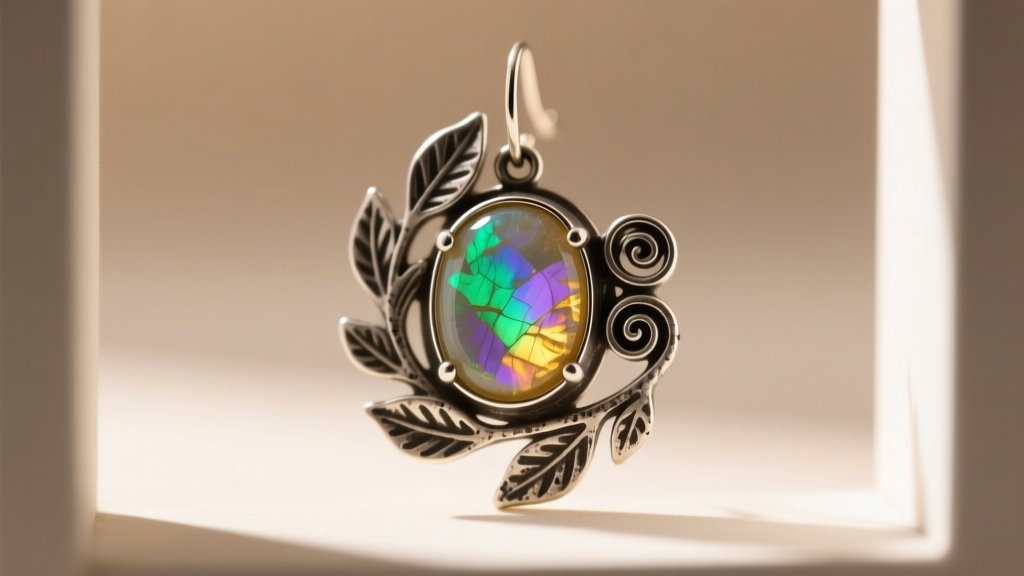
The modern jewelry landscape has seen a massive shift toward organic, nature-inspired aesthetics, and at the forefront of this movement is the Wylders earring. Characterized by hand-forged metals, raw uncut gemstones, and intricate botanical motifs, the Wylders style bridges the gap between bohemian artistry and everyday wearability. However, as the demand for artisanal, nature-inspired jewelry surges in 2026, the market has become saturated with mass-produced knockoffs attempting to mimic this bespoke look.
Whether you are investing in your first pair of statement drops or adding to a curated collection of ear weights, knowing how to evaluate craftsmanship, metal purity, and stone integrity is essential. This comprehensive buying guide breaks down exactly what to look for when shopping for an authentic Wylders earring, ensuring your investment stands the test of time.
The Anatomy of an Artisan Wylders Earring
Before diving into materials, it is crucial to understand the structural components that define high-quality bohemian earrings. A true artisan piece relies on structural integrity to support the often-heavy raw stones and intricate metalwork.
- The Ear Wire (French Hook): Look for wires crafted from half-hard wire rather than dead-soft. Half-hard wire maintains its tension, preventing the earring from slipping out of the lobe, while still being pliable enough for the jeweler to shape.
- The Bezel or Prong Setting: Raw stones lack the uniform facets of cut gems, making traditional prong settings risky. High-end Wylders styles utilize custom-fitted bezels or heavy-gauge wire wrapping to secure irregular stone shapes without applying pressure points that could cause cleavage (cracking).
- The Bail and Jump Rings: The connection point between the ear wire and the main body of the earring must be soldered closed. Open jump rings will inevitably pull apart under the weight of statement stones.
Decoding Materials: Metals and Raw Gemstones
The soul of a Wylders earring lies in its materials. The aesthetic relies heavily on textured, oxidized, or hammered metals paired with unrefined, natural crystals.
Metal Grades and Finishes
Authentic artisan pieces typically utilize recycled sterling silver (stamped .925) or 14k gold-filled wire. It is vital to understand the difference between gold-filled and gold-plated. According to the FTC Jewelry Guides, gold-filled items must contain a layer of gold that constitutes at least 1/20th of the total weight of the metal product. Gold-plated earrings, conversely, feature a microscopic layer of gold that will quickly wear away against the skin's natural oils, leaving behind base metals that can cause contact dermatitis.
For the signature "wild" look, silversmiths often apply a liver of sulfur patina to oxidize the silver, darkening the crevices of leaf or vine motifs, and then polish the high points to create a striking, antique contrast.
Evaluating Raw Gemstones
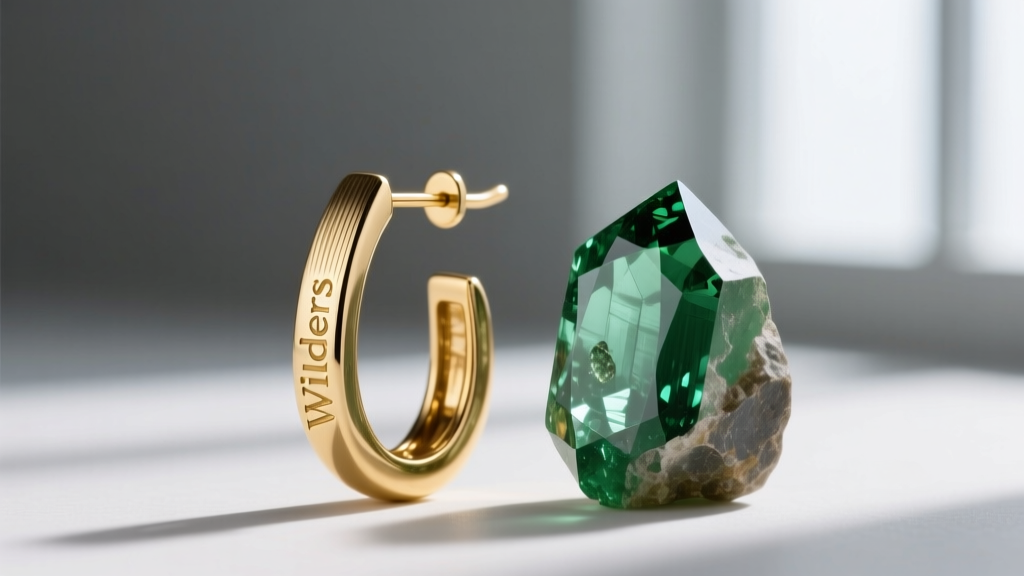
Raw, uncut gemstones are a hallmark of the Wylders aesthetic. However, not all raw stones are suitable for daily wear in earrings. When evaluating a piece, consider the Mohs hardness scale. The GIA Gem Encyclopedia notes that stones like raw tourmaline (Mohs 7-7.5) and raw quartz (Mohs 7) are excellent for earrings as they resist scratching. Conversely, raw fluorite (Mohs 4) or selenite (Mohs 2) are incredibly fragile and should be avoided in pieces meant for regular rotation, as they can easily chip or dissolve upon contact with moisture.
Gauge Sizes and Piercing Compatibility
One of the most overlooked aspects of buying artisanal earrings is the wire gauge. The Wylders style frequently incorporates ear weights and thicker hooks designed for stretched lobes or those seeking a bolder silhouette. Buying the wrong gauge can lead to torn piercings or an inability to wear the piece altogether.
| Gauge Size | Millimeter (mm) | Piercing Type | Common Wylders Application |
|---|---|---|---|
| 20G | 0.81 mm | Standard Lobe / Cartilage | Lightweight raw stone studs, delicate wire-wrapped hoops |
| 18G | 1.02 mm | Standard Lobe / Helix | Standard French hooks, medium-weight dangles |
| 16G | 1.29 mm | Thick Lobe / Industrial | Heavy statement drops, sturdy ear cuffs |
| 8G to 0G | 3.26 mm to 8.25 mm | Stretched Lobes | Artisan ear weights, heavy brass hangers |
Pro Tip: If you have standard piercings but want to wear heavier Wylders statement pieces, look for designs that feature a 20G or 18G hook at the top, transitioning into a thicker, decorative chain or wire lower down to distribute the visual weight without stretching your lobe.
Spotting Authentic Craftsmanship vs. Mass Production
As the boho-chic trend remains dominant in 2026, fast-fashion retailers have flooded the market with cast-metal imitations. Here is how to use the E-E-A-T framework (Experience, Expertise, Authoritativeness, and Trustworthiness) to evaluate a seller and spot a genuine Wylders earring:
1. Inspect the Solder Joints
Handmade earrings feature soldered jump rings and settings. Look closely at where the ear wire connects to the earring body. If the ring is simply pinched closed with a visible seam, it is likely mass-produced and will fail under the weight of a raw stone. Authentic pieces will have smooth, seamless solder joints.
2. Look for Maker's Marks
True artisans stamp their work. A genuine piece will feature a tiny maker's mark (usually the jeweler's initials or logo) alongside the metal purity stamp (e.g., .925 or 14/20 for gold-filled). Cast imitations often lack these crisp, individualized stamps.
3. Assess the Stone Setting
Because raw stones are entirely unique in shape, a genuine artisan will custom-fit the metal to the stone. If you see identical bezel settings holding slightly different stones, or excessive amounts of glue seeping out from under a bezel, you are likely looking at a factory-made piece where stones are simply glued into pre-cast settings.
Pricing Tiers and Value Assessment
Understanding the pricing structure of artisanal jewelry protects you from overpaying for costume pieces or falling for "too good to be true" discounts on raw gems. Here is what you should expect to pay for an authentic Wylders earring in the current market:
- Entry-Level ($45 - $85): Small to medium raw stone studs or simple hoops. These typically feature 20G sterling silver wire, lightweight stones like raw amethyst or quartz, and minimal metalwork.
- Mid-Tier Statement ($90 - $180): The core of the Wylders collection. Expect intricate wire-wrapping, 14k gold-filled components, and premium raw stones like rainbow moonstone, labradorite, or watermelon tourmaline. These pieces involve hours of bench time.
- Heirloom & Ear Weights ($200 - $350+): Heavy-gauge ear weights, large-scale botanical cuffs, and pieces featuring rare, high-carat raw crystals (like raw emerald or sapphire). These require advanced metalsmithing techniques to ensure the heavy metal and stone are balanced comfortably on the ear.
Care and Maintenance for Raw Stones and Textured Metals
Owning a Wylders earring requires a different maintenance routine than caring for traditional faceted diamond or sapphire jewelry. The very elements that give these pieces their wild charm—raw textures and unpolished stones—also make them more vulnerable to environmental damage.
Cleaning Protocols
Never use ultrasonic cleaners. The high-frequency vibrations can easily shatter raw stones, particularly those with natural inclusions or internal fractures, which are common in uncut gems. Instead, use a soft-bristled baby toothbrush, warm water, and a drop of mild, phosphate-free dish soap. Gently brush the metal and the stone, then pat dry with a microfiber cloth.
Managing Oxidation
The darkened, oxidized finish on sterling silver Wylders pieces is intentional, but it can wear away on high-friction areas over time. To preserve the antique contrast, store your earrings in an anti-tarnish pouch when not in use, and avoid exposing them to perfumes, lotions, or chlorine, which can strip the patina unevenly.
Final Thoughts on Your Investment
A true Wylders earring is more than just an accessory; it is a wearable piece of natural art. By prioritizing half-hard wire construction, verifying FTC-compliant metal grades, respecting the Mohs scale of raw gemstones, and insisting on soldered structural joints, you ensure that your jewelry remains a staple of your personal style for years to come. When you invest in authentic artisanal craftsmanship, you aren't just buying an earring—you are supporting the enduring legacy of independent metalsmithing.


