How Big Is 8mm Earring? Sizing, Fit & Troubleshooting
Discover exactly how big an 8mm earring is across hoops, huggies, and studs. Troubleshoot fit issues, gauge mismatches, and lobe proportions.

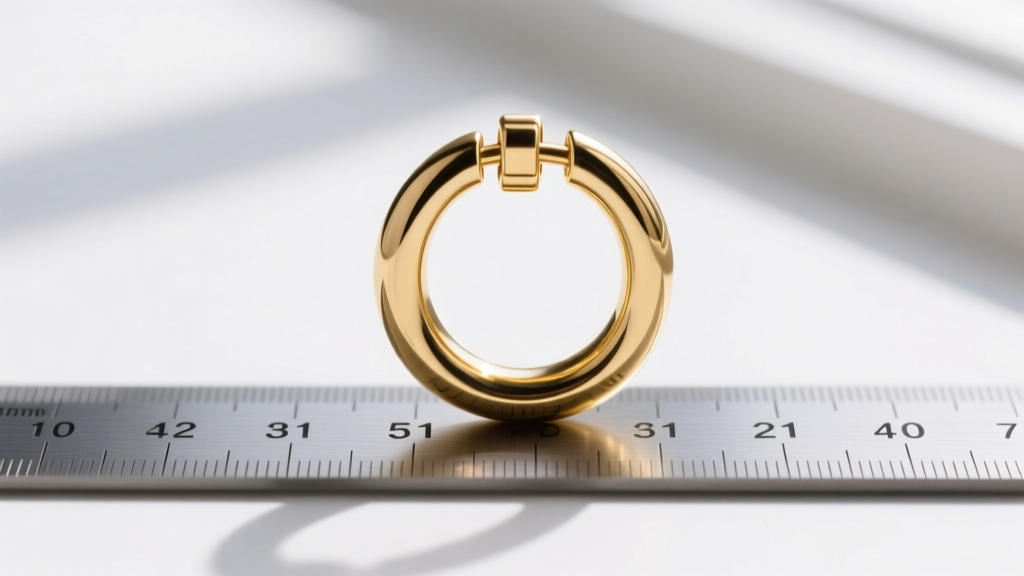
When jewelry shoppers ask, how big is 8mm earring jewelry, the answer is rarely straightforward. In the world of ear adornments, eight millimeters represents a critical threshold. Depending on whether you are looking at a hoop, a huggie, or a stud, an 8mm measurement can mean the difference between a snug, comfortable fit and an unwearable piece that digs into your anatomy. The confusion stems from a fundamental misunderstanding of how jewelry manufacturers measure different earring styles. This comprehensive troubleshooting guide breaks down the exact proportions of 8mm earrings, identifies common fit failures, and provides actionable solutions for your specific ear anatomy.
The Core Confusion: Inner Diameter vs. Face Size
The most frequent point of failure when purchasing earrings online is conflating Inner Diameter (ID) with Outer Diameter (OD) or Face Size. If you order an 8mm hoop, you are typically receiving an 8mm Inner Diameter. However, if the metal wire is 2mm thick, the actual Outer Diameter of the earring will be 12mm.
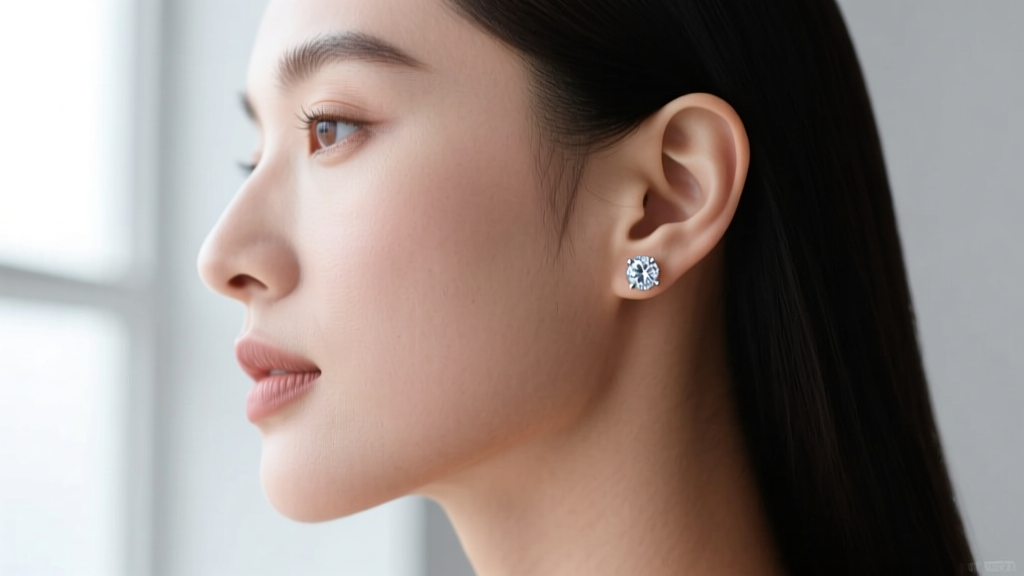
Conversely, if you order an 8mm stud, the 8mm refers to the decorative face of the earring (the gemstone, pearl, or metal disc). An 8mm round gemstone is substantial—roughly the size of a standard pencil eraser or a small pea. According to the Brilliance Diamond Size Chart, an 8mm round diamond equates to approximately 2.00 carats, making it a bold statement piece that covers roughly 30% to 40% of an average earlobe. Understanding this dichotomy is the first step in troubleshooting your fit issues.
Troubleshooting 8mm Hoops and Huggies
An 8mm Inner Diameter hoop is universally classified as a 'huggie' or a snug cartilage hoop. It is designed to hug the earlobe or sit tightly in a helix piercing. However, this snug fit is a common source of anatomical mismatch.
Issue: The Hoop Digs Into Your Lobe
The average earlobe thickness ranges from 4mm to 6mm at the piercing site. An 8mm ID hoop leaves only 2mm to 4mm of clearance. If your lobes are naturally thick, or if they swell slightly due to heat, humidity, or sleeping on them, an 8mm hoop will embed into the skin, causing irritation and potential migration. The Fix: Measure your lobe thickness using a digital caliper. If your lobe exceeds 5mm, you must size up to a 10mm or 12mm ID hoop to allow for a comfortable 5mm drop.
Issue: The Clicker Hinge Won't Snap Shut
Many 8mm huggies feature a clicker clasp. If the earring is too tight for your anatomy, the tension required to push the two ends of the clicker together will warp the metal over time, leading to a broken hinge. The Fix: Never force a clicker shut. If you have to pull the ends of the hoop apart to make the clasp meet, the 8mm ID is too small for your piercing placement.
Troubleshooting 8mm Studs and Gemstones
While 8mm hoops are tiny, 8mm studs are large. Troubleshooting stud fit revolves around weight distribution, post length, and backing security.
Issue: The 'Earlobe Droop' Effect
An 8mm gemstone or metal disc carries significant weight, especially if crafted from dense materials like solid 14k gold or platinum. If the post is too thin (e.g., 20-gauge), the weight of the 8mm face will pull the earring downward, causing the stud to point at the floor rather than sitting flush against the lobe. The Fix: Ensure your 8mm stud features a minimum 18-gauge (1.0mm) or 16-gauge (1.2mm) post for structural rigidity.
Issue: The Post Embeds or Irritates
Large 8mm studs require a secure backing, which often means a thicker butterfly clutch or a screw-back mechanism. If the post is too short (under 6mm), the bulky backing will press directly into the back of the earlobe, restricting blood flow and causing contact dermatitis. The Fix: Opt for labret-style flat-back posts or extra-long 10mm posts for 8mm statement studs to ensure adequate clearance behind the lobe.
8mm Earring Proportions & Fit Matrix
To eliminate guesswork, refer to this troubleshooting matrix before purchasing your next pair of earrings. This data synthesizes standard industry measurements with anatomical realities.
| Earring Style | What '8mm' Means | Ideal Anatomy / Placement | Common Failure Mode |
|---|---|---|---|
| Huggie Hoop | 8mm Inner Diameter | Thin to medium lobes, snug helix | Embeds in thick lobes; clicker warps |
| Seamless Cartilage Hoop | 8mm Inner Diameter | Tragus, forward helix, snug conch | Too tight for standard lobe piercings |
| Gemstone / Pearl Stud | 8mm Face Diameter | Standard lobe, statement upper lobe | Heavy droop; requires thick post gauge |
| Flat-Back Labret | 8mm Post Length | Conch, flat, or fresh lobe piercings | Too long for healed lobes; catches on hair |
Material & Gauge Considerations for Snug Fits
When dealing with 8mm huggies or snug hoops, the metal sits in constant, tight contact with the skin. This environment traps moisture, dead skin cells, and sebum, creating a breeding ground for irritation bumps and contact dermatitis. The Association of Professional Piercers (APP) strongly recommends implant-grade materials for jewelry that sits flush against the body.
- ASTM F-136 Titanium: The gold standard for snug 8mm hoops. It is entirely nickel-free and will not react with the skin's moisture, even when the fit is tight.
- 14k or 18k Solid Gold: Safe for most, but ensure it is alloyed without nickel. Avoid gold-plated or gold-vermeil 8mm huggies, as the constant friction against the skin will quickly wear away the plating, exposing reactive base metals.
- Surgical Steel (316L): Contains trace amounts of nickel. If your 8mm hoop fits tightly and causes itching or flaking, switch to titanium immediately.
How to Measure Your Existing Jewelry
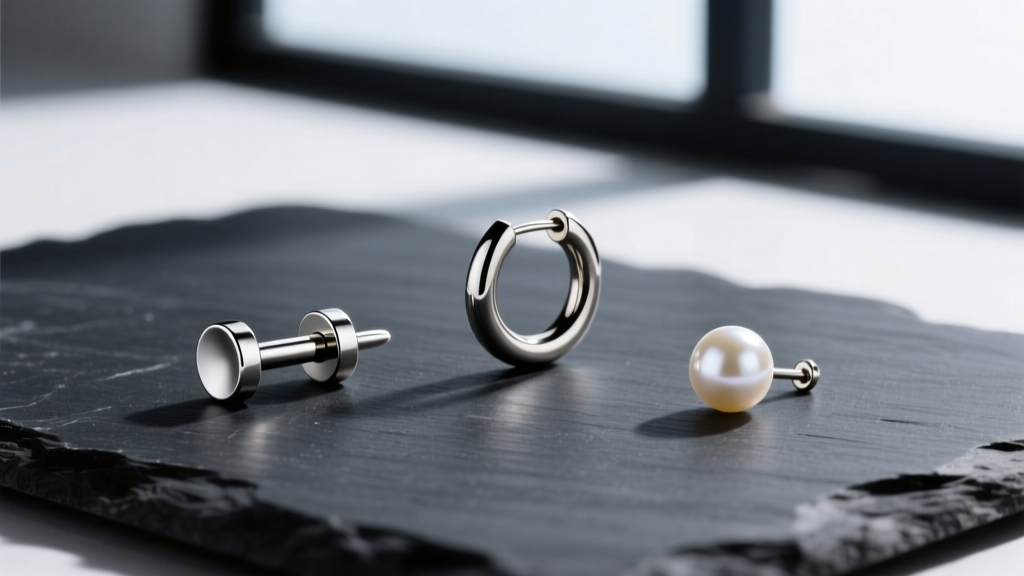
If you already own an earring that fits perfectly but you don't know its size, do not rely on a standard tape measure. The curvature of hoops and the depth of settings require precision tools.
- For Hoops: Use a digital caliper. Close the jaws inside the hoop to measure the Inner Diameter (ID). Do not include the thickness of the metal wire.
- For Studs: Place the caliper jaws across the widest part of the decorative face. For gemstones, measure the millimeter spread, not the carat weight, as different gem densities (like sapphire vs. diamond) alter the physical size of the stone.
- For Posts: Measure the straight wire from the base of the decorative head to the tip, excluding any backing or clutch.
Final Verdict: Is 8mm Right for Your Anatomy?
Answering 'how big is 8mm earring' ultimately requires looking in the mirror and assessing your unique anatomy. If you are seeking a delicate, barely-there huggie for a thin earlobe, an 8mm ID hoop is your perfect match. If you are looking for a bold, eye-catching stud that commands attention across the room, an 8mm face diameter will deliver exactly that. However, if you have thicker lobes or sensitive cartilage, an 8mm snug fit will likely lead to frustration. By understanding the critical difference between inner diameter and face size, and by respecting the physics of gauge and weight distribution, you can troubleshoot your jewelry box and curate a collection that fits flawlessly.
Pro Stylist Tip: When in doubt between an 8mm and 10mm huggie hoop, always size up. A 10mm hoop offers a universally flattering, relaxed drop that accommodates daily lobe swelling, whereas an 8mm hoop is unforgiving of even minor anatomical changes.


