Surgical Steel Earrings Hypoallergenic: A 2026 Value Assessment
We assess if budget surgical steel earrings are truly hypoallergenic in 2026. Compare 316L grades, nickel risks, and titanium alternatives.

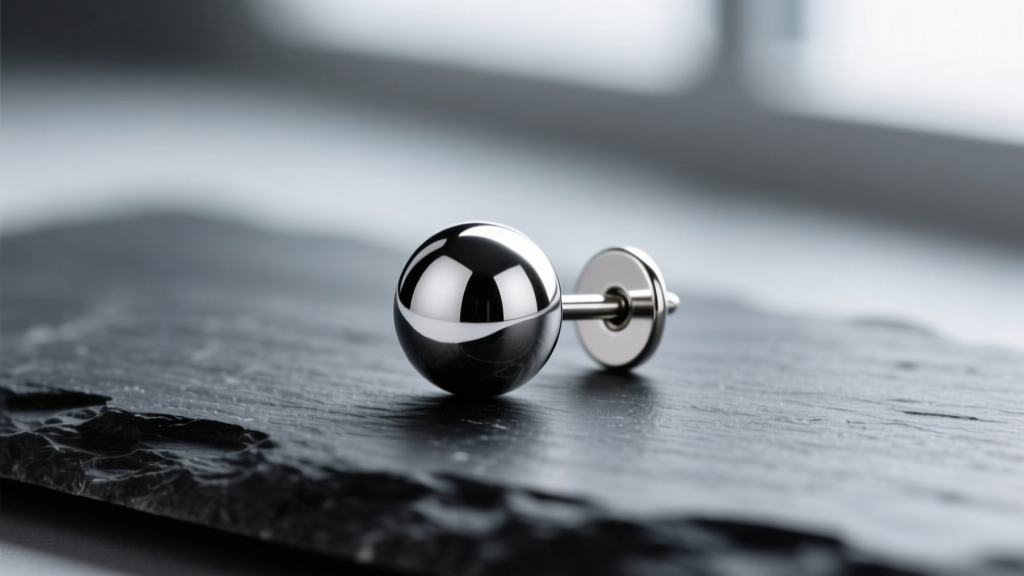
The Paradox of Budget Jewelry: Is Surgical Steel Actually Hypoallergenic?
When shopping for affordable body jewelry, the phrase surgical steel earrings hypoallergenic is one of the most frequently searched—and heavily misunderstood—terms in the market. As we navigate the jewelry landscape in 2026, the influx of ultra-cheap, mass-market accessories has made it crucial for consumers to separate marketing jargon from metallurgical reality. The short answer? Surgical steel is not inherently hypoallergenic. However, its value proposition depends entirely on your specific skin sensitivity, the grade of the steel, and the anatomy of your piercing.
To make an informed budget assessment, we must first dismantle the myth that 'surgical' implies 'safe for all.' In the jewelry industry, the term surgical steel is largely unregulated. It typically refers to 316L or 304 stainless steel, both of which contain significant amounts of nickel—the most common contact allergen in the world. According to the Association of Professional Piercers (APP), only specific implant-grade materials are recommended for fresh piercings or severe allergy sufferers. Yet, for those with mild sensitivities or fully healed lobe piercings, budget-friendly 316L steel remains a dominant, cost-effective choice.
Decoding the Alloys: 316L vs. 304 vs. ASTM F138
Not all steel is created equal. When evaluating the budget tier of earrings, you will predominantly encounter three classifications. Understanding these grades is the key to determining whether you are getting genuine value or simply buying a future allergic reaction.
- 304 Stainless Steel: The lowest tier. Contains roughly 8-10.5% nickel and lacks molybdenum. It is highly prone to pitting and corrosion when exposed to sweat and sebum. Avoid this for any long-term wear.
- 316L Stainless Steel: The standard 'surgical steel.' The 'L' stands for low carbon, and the addition of 2-3% molybdenum drastically improves corrosion resistance. It still contains 8-12% nickel, but the alloy matrix binds the nickel tightly, reducing leaching. Safe for healed piercings if you do not have a severe nickel allergy.
- ASTM F138 Implant-Grade Steel: A highly refined, vacuum-melted steel that meets strict ASTM International standards for surgical implants. While it still contains nickel, its surface passivation is superior. It costs slightly more but offers a massive leap in biocompatibility.
Budget Breakdown: Surgical Steel vs. Titanium & Niobium
How does the pricing of steel compare to truly hypoallergenic alternatives in 2026? Below is a value assessment matrix comparing the average market costs, material safety, and longevity of popular earring metals.
| Material Grade | Avg. Price Range (Studs) | Nickel Content | Allergy Risk | Longevity & Tarnish |
|---|---|---|---|---|
| 304 Stainless Steel | $2 - $8 | 8% - 10.5% | High | Low (Prone to pitting) |
| 316L Surgical Steel | $5 - $18 | 8% - 12% | Moderate | Medium (Requires care) |
| ASTM F138 Steel | $12 - $25 | ~10% (Bound) | Low-Moderate | High (Excellent finish) |
| Niobium (99.9%) | $15 - $30 | 0% | None | High (Anodizable) |
| ASTM F136 Titanium | $18 - $45 | 0% | None | Lifetime (Impervious) |
From a pure budget perspective, 316L surgical steel offers a 60-70% cost savings compared to implant-grade titanium. If you are buying fashion earrings for occasional wear, or thick hoops for fully healed, robust earlobes, the financial savings of 316L steel are justifiable. However, if you are purchasing jewelry for cartilage, daiths, or rooks—where swelling and prolonged healing are factors—the budget savings are quickly negated by the cost of treating contact dermatitis.

Gauge Sizes, Anatomy, and the Cartilage Trap
A critical failure mode for budget jewelry buyers is ignoring gauge thickness relative to ear anatomy. Surgical steel earrings are frequently manufactured in thinner gauges to save on material costs and accommodate mass-produced piercing guns.
The 20G and 18G Lobe Reality
Standard lobe piercings are typically done at 20G (0.81mm) or 18G (1.02mm). Budget 316L steel studs in these sizes are generally well-tolerated by the public. The earlobe has excellent blood flow, which helps flush away minor irritants and localized allergic responses. For standard fashion studs, dangles, and lightweight drop earrings, 18G 316L steel is an excellent budget-friendly workhorse.
The 16G Cartilage Warning
Cartilage piercings (helix, tragus, conch) are almost universally pierced at 16G (1.29mm) or 14G (1.6mm). Cartilage lacks direct blood supply, making it highly susceptible to irritation bumps and hypertrophic scarring if the jewelry causes friction or leaches nickel. Many budget brands sell 'cartilage hoops' in 18G or even 20G surgical steel. Inserting a thin, 18G steel wire into a 16G cartilage hole creates a 'cheese-cutter' effect, where the thin wire migrates through the tissue, exacerbating nickel exposure. Always verify the exact gauge using a digital caliper before inserting budget steel into cartilage.
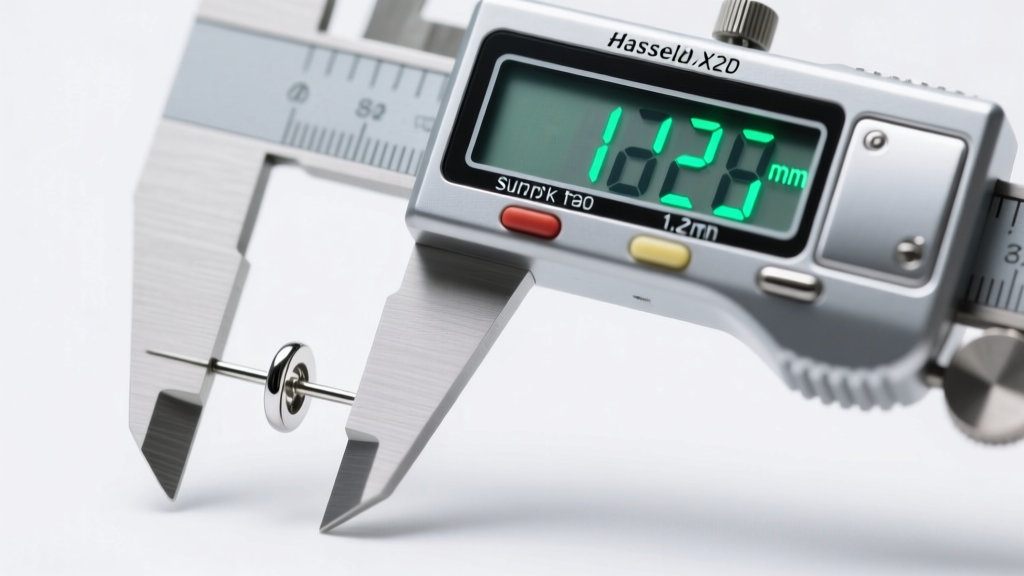
Failure Modes: Passivation and the 'Cheese-Cutter' Effect
Why do some people wear cheap steel with zero issues, while others develop severe contact dermatitis within 48 hours? The secret lies in passivation.
High-quality 316L steel undergoes a chemical bath that strips free iron from the surface, allowing a microscopically thin layer of chromium oxide to form. This invisible shield traps the nickel inside the alloy. Budget manufacturers often skip or rush this passivation process to cut costs. When un-passivated steel is exposed to the slightly acidic pH of human sweat, the surface degrades, micro-pitting occurs, and nickel ions are released directly into the fistula (the piercing channel).
Pro-Tip for Budget Buyers: You can artificially passivate your budget 316L steel earrings at home. Soak them in a diluted citric acid solution or a specialized stainless steel passivation liquid for 20 minutes, rinse with distilled water, and let them dry. This restores the chromium oxide layer and significantly reduces the risk of nickel leaching during wear.
Verdict: Who Should Buy Budget Steel in 2026?
Assessing the true value of surgical steel earrings hypoallergenic claims requires a pragmatic approach to your own biology and piercing anatomy. Surgical steel is a phenomenal budget material, provided you respect its limitations.
Buy 316L Surgical Steel If:
- You are purchasing fashion earrings, huggies, or heavy dangles for fully healed, mature lobe piercings.
- You have tested negative for severe nickel allergies using a dimethylglyoxime (DMG) spot test kit.
- You are buying from reputable body jewelry brands that guarantee 316L or ASTM F138 grades, rather than unbranded marketplace sellers offering 304 steel.
Invest in Titanium (ASTM F136) If:
- You are buying jewelry for fresh, healing, or easily irritated cartilage piercings.
- You have a known history of contact dermatitis or systemic nickel allergies.
- You require lightweight, threadless internals for high-gauge stretching or complex ear curation.
Ultimately, the 'hypoallergenic' label on budget steel is a marketing convenience, not a medical guarantee. By understanding alloy grades, verifying gauge thicknesses, and recognizing the anatomical limits of your piercings, you can safely leverage surgical steel to build a diverse, cost-effective earring collection without sacrificing your ear health.


