The Best Way to Store Earrings: A Step-by-Step Preservation Guide
Discover the best way to store earrings with our step-by-step guide. Learn how to prevent tarnish, tangling, and damage for studs, hoops, and dangles.

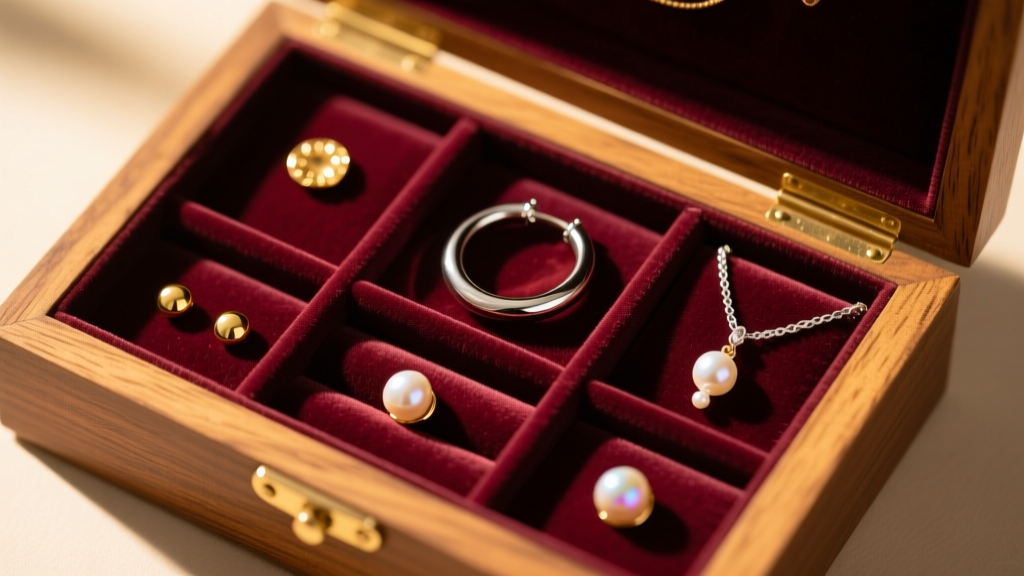
Finding the best way to store earrings is about more than just keeping your vanity tidy; it is a critical practice in material preservation. Whether you are managing a collection of delicate 14k gold threader earrings, heavy sterling silver hoops, or fragile opal studs, improper storage leads to irreversible damage. Tarnished metals, bent posts, tangled chains, and scratched gemstones are the direct results of environmental exposure and friction. As of 2026, with the rise of mixed-metal jewelry and complex ethically sourced gemstones, understanding the micro-environment of your jewelry box is essential. This comprehensive, step-by-step guide will walk you through the exact protocols used by professional jewelers to organize, protect, and extend the lifespan of your earring collection.
The Science of Earring Degradation: Why Storage Matters
Before diving into the organizational steps, it is crucial to understand the chemical and physical forces that destroy improperly stored earrings. The two primary culprits are friction and oxidation.
The Mohs Scale and Friction Damage
The Mohs scale of mineral hardness dictates how gemstones interact when stored together. A diamond (Mohs 10) will effortlessly scratch a pearl (Mohs 2.5-4.5) or an opal (Mohs 5.5-6.5) if they are tossed into the same compartment. According to the Gemological Institute of America (GIA), even dust particles contain quartz (Mohs 7), which can scratch gold and silver settings if left uncleaned before storage. Storing earrings individually or in soft, separated compartments is non-negotiable for mixed-gemstone collections.
Hydrogen Sulfide and Silver Tarnish
Sterling silver (925) contains 7.5% copper, which reacts with hydrogen sulfide and oxygen in the air to form silver sulfide—the black tarnish you see on neglected earrings. High humidity accelerates this chemical reaction. Therefore, the best way to store earrings made of silver involves actively controlling the ambient moisture and chemical pollutants in their immediate environment.
Step 1: Sort, Clean, and Prep Before Storing
Never put dirty earrings directly into long-term storage. Oils from your skin, lotions, and environmental pollutants act as a catalyst for tarnish and can degrade porous gemstones over time.
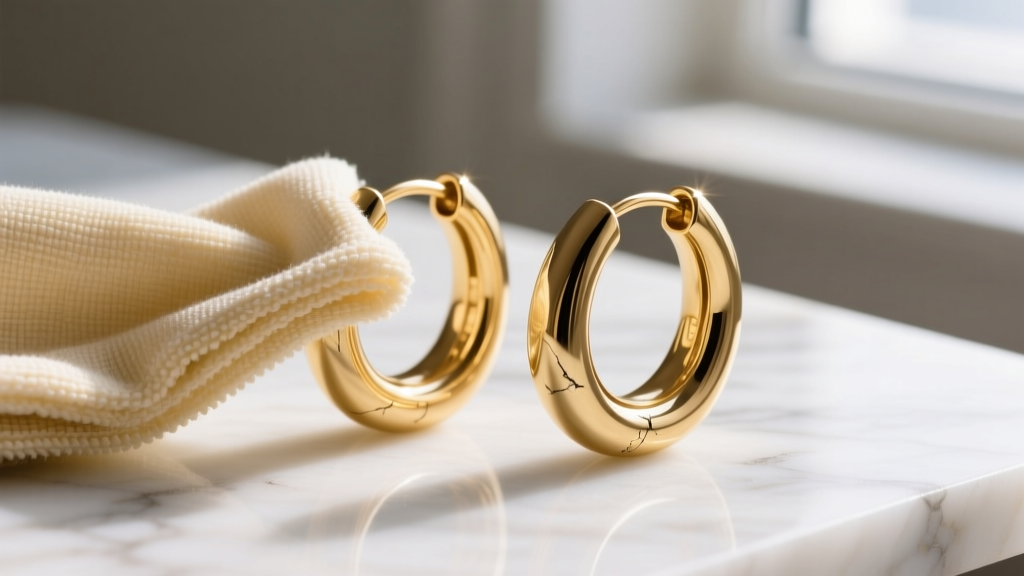
- Sort by Material and Hardness: Group your earrings into three piles: fine metals (gold, platinum), silver, and costume/fashion jewelry. Separate any pieces featuring soft gemstones (pearls, turquoise, emeralds) from hard stones (diamonds, sapphires).
- Wipe Down: Use a clean, lint-free microfiber cloth to gently wipe the posts, backs, and settings of each earring. For gold and platinum, this removes daily oils.
- Wash if Necessary: For stubborn buildup, use a few drops of mild dish soap in lukewarm water and a soft-bristled baby toothbrush. Warning: Never submerge porous stones like opals or pearls. Wipe them with a barely damp cloth instead.
- Dry Completely: Moisture trapped behind an earring back will cause the metal post to corrode. Ensure every piece is 100% dry before moving to Step 2.
Step 2: Engineer the Ideal Storage Environment
The physical container is only half the battle; the internal climate of your jewelry box dictates the longevity of your pieces. Jewelers of America recommends keeping jewelry in a cool, dry place, but we can be much more specific.
- Control Relative Humidity (RH): Aim for an RH level between 40% and 50%. If you live in a humid climate, place small silica gel packets inside your jewelry drawers or boxes. Replace these packets every 6 months.
- Use Anti-Tarnish Strips: For silver earrings, invest in 3M Anti-Tarnish strips. These specialized papers absorb airborne sulfides and oxidants. One 2-inch strip protects a 1-cubic-foot space for up to a year.
- Upgrade Your Earring Backs: Standard metal butterfly backs trap dead skin cells and moisture against the earring post, leading to localized corrosion. Swap them out for flat silicone disc backs or secure locking backs before storing, as silicone is inert and won't trap moisture the same way.
Step 3: The Best Way to Store Earrings by Style
Different earring silhouettes present unique structural vulnerabilities. A heavy chandelier earring requires a completely different storage approach than a simple gold huggie. Use the framework below to organize your specific styles.
| Earring Style | Primary Storage Risk | Best Storage Method |
|---|---|---|
| Studs | Lost backs, bent posts, gem scratching | Velvet roll with individual pockets or a dedicated silicone insert box. Keep backs attached but not overly tightened. |
| Hoops & Huggies | Latch deformation, hinge failure | Flat lay in a lined drawer with the clasp securely closed. Never hang heavy hoops, as gravity can warp the wire over time. |
| Dangles & Drops | Chain tangling, post bending | Hanging organizers with individual hooks. If laying flat, secure the chain in a soft pouch to prevent knotting. |
| Ear Cuffs | Tension loss, warping of the C-shape | Small, shallow compartments with foam inserts. Do not stack them, as the pressure can widen the cuff gap. |
| Threaders | Bending the delicate chain-post | Thread the chain through a small piece of felt or foam to keep it straight and prevent kinking. |
Step 4: Material-Specific Storage Hacks
Beyond the shape of the earring, the metallurgy and gemology demand specific storage interventions.
14k and 18k Solid Gold
Gold is relatively impervious to tarnish but highly susceptible to scratching. Store solid gold earrings in individual soft flannel pouches. Avoid plastic ziplock bags for long-term gold storage, as certain plastics can emit volatile organic compounds (VOCs) that cause a cloudy film on high-karat gold.
Sterling Silver and Vermeil
Wrap silver and gold vermeil earrings in Pacific Silvercloth or specialized anti-tarnish flannel before placing them in a box. The copper-infused threads in these cloths actively intercept tarnishing gases before they reach the metal surface.
Costume and Fashion Jewelry
Base metals (brass, copper alloys) oxidize rapidly. The best way to store earrings made of costume materials is in airtight, acid-free ziplock bags with a piece of anti-tarnish paper. Squeeze out as much air as possible before sealing.
Step 5: Travel Storage Solutions
Traveling introduces vibration, temperature fluctuations, and compression risks. Tossing earrings into a toiletry bag is a recipe for disaster. Instead, utilize a hard-shell, specialized travel jewelry case with a padded interior.
Pro-Tip for Travelers: If you are caught without a jewelry case, thread your hoop earrings through a clean plastic drinking straw and clasp them shut. This prevents the hoops from being crushed in your luggage and keeps the wire perfectly round.
For stud earrings on the go, punch holes into a strip of thick felt or use a clean, empty daily pill organizer. The individual compartments keep pairs together and prevent the posts from bending under the weight of your suitcase.
Troubleshooting Common Storage Failures
Even with the best intentions, storage issues can arise. Here is how to handle the most common earring storage emergencies.
Dealing with Tangled Drop Earrings
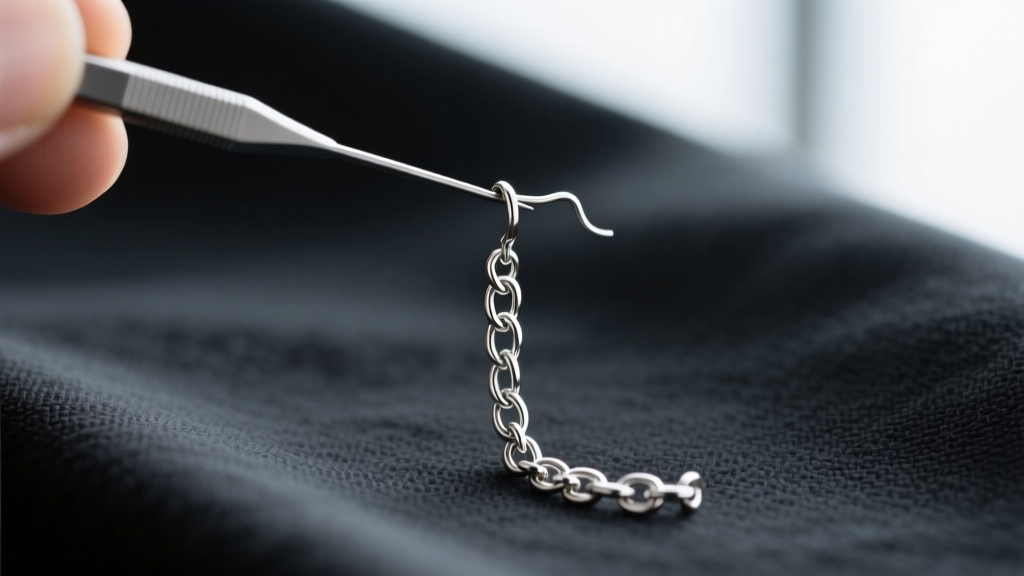
Chain dangles are notorious for knotting in shared compartments. If a chain tangles, do not pull. Lay the earring on a flat, dark surface, apply a microscopic drop of baby oil to the knot to reduce friction, and use two fine sewing needles to gently tease the links apart. Wipe clean before returning to storage.
Stuck or Corroded Clutches
If a metal earring back becomes stuck to the post due to corrosion or trapped debris, do not use pliers, which will crush the post. Instead, soak just the earring back and post in a small cup of warm water and mild dish soap for 10 minutes. Gently twist the back off. If it remains stuck, take it to a professional jeweler who can use an ultrasonic cleaner to vibrate the debris loose.
Restoring Tension to Ear Cuffs
If a non-piercing ear cuff loses its grip after being stored improperly, you can gently squeeze the sides together to restore tension. However, do this incrementally. Over-bending base metals can cause microscopic stress fractures, leading to a sudden snap. If the cuff is made of solid gold or silver, have a jeweler adjust the tension to avoid work-hardening the metal.
Final Thoughts on Earring Preservation
Implementing the best way to store earrings requires a shift in mindset from simple organization to active material preservation. By controlling humidity, respecting the Mohs scale, and utilizing style-specific storage methods, you ensure that every time you open your jewelry box, your collection is pristine, untangled, and ready to wear. Take an hour this weekend to audit your current storage setup, swap out those tarnished butterfly backs, and introduce anti-tarnish strips to your drawers. Your earrings—and your earlobes—will thank you.


