Emerald and Diamond Drop Earrings: 2026 Buyer's Guide
Discover what to look for when buying emerald and diamond drop earrings. Learn about gemstone grading, setting styles, and 2026 pricing tiers.

The Anatomy of High-Quality Emerald and Diamond Drop Earrings
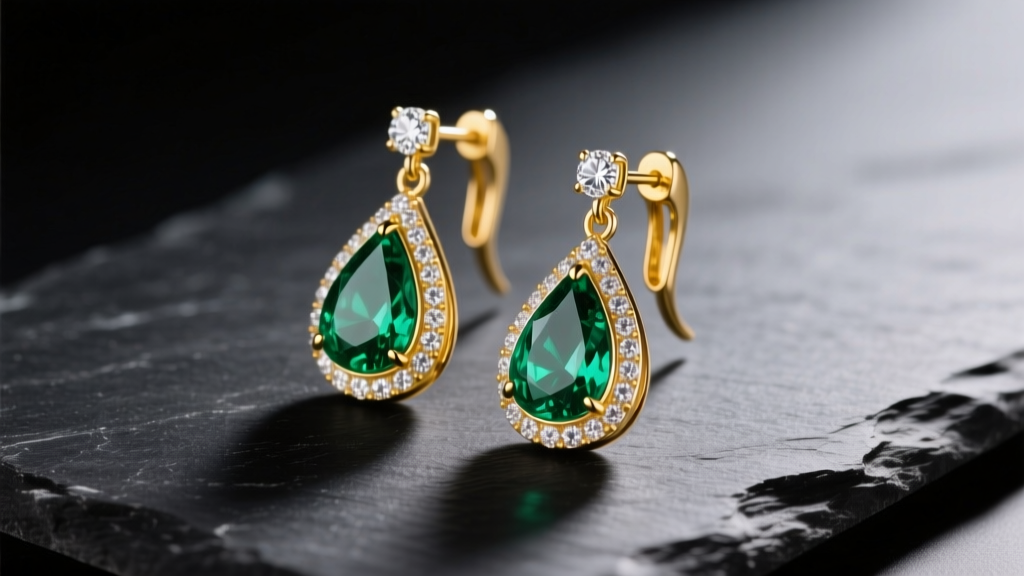
Investing in emerald and diamond drop earrings is a masterclass in balancing vibrant color with timeless elegance. Unlike studs or huggies, drop earrings command attention through movement, catching the light with every turn of the head. However, the kinetic nature of drops also means they are subject to more physical stress, making the quality of the gemstones and the integrity of the setting paramount. As we navigate the luxury jewelry market in 2026, understanding the nuanced grading of emeralds and the structural requirements of drop settings is essential for making a sound, lasting investment.
Evaluating the Emerald: Color, Clarity, and Origin
Color is the undisputed king of emerald valuation. The most prized specimens possess a pure, vivid green to bluish-green hue with medium-to-dark tone and high saturation. According to the Gemological Institute of America (GIA), Colombian emeralds from the Muzo and Chivor mines are historically celebrated for their warm, intense green, while Zambian stones from the Kagem mine often exhibit a cooler, slightly bluish-green undertone with higher natural clarity. Brazilian emeralds are also gaining traction in 2026 for their exceptional brilliance and lighter, yellowish-green hues.
When evaluating clarity, buyers must accept "jardin"—the French word for garden—which refers to the natural, moss-like inclusions inherent to emeralds. However, for drop earrings, you must be highly selective. Avoid stones with surface-reaching fractures or large fissures near the girdle. The swinging motion of a drop earring increases the risk of impact, and a heavily included stone could chip or split if struck against a hard surface like a marble countertop or a car door.
The Diamond Accent: Melee Quality and Cut
The diamond accents framing or capping these earrings are typically melee (stones under 0.15 carats). Do not let their small size fool you; their quality drastically affects the overall brilliance of the piece. Insist on "full cut" melee diamonds, which feature the standard 57 or 58 facets of a larger round brilliant. Many mass-market jewelers use "single cut" melee (only 17 or 18 facets) to cut costs, resulting in a glassy, lifeless appearance that fails to complement the deep glow of the emerald. Furthermore, ensure the melee diamonds are graded at least G-H in color and VS in clarity. If the diamonds are too warm (J-K color), they will look yellowish and muddy against the vibrant green of the emerald.
Setting Styles and Metal Choices for Drop Earrings
The structural integrity of the setting is just as critical as the gemstones. For emerald and diamond drop earrings, the metal must securely hold the stones while withstanding the constant pendulum-like motion of daily wear.
Prong Configurations and Backings
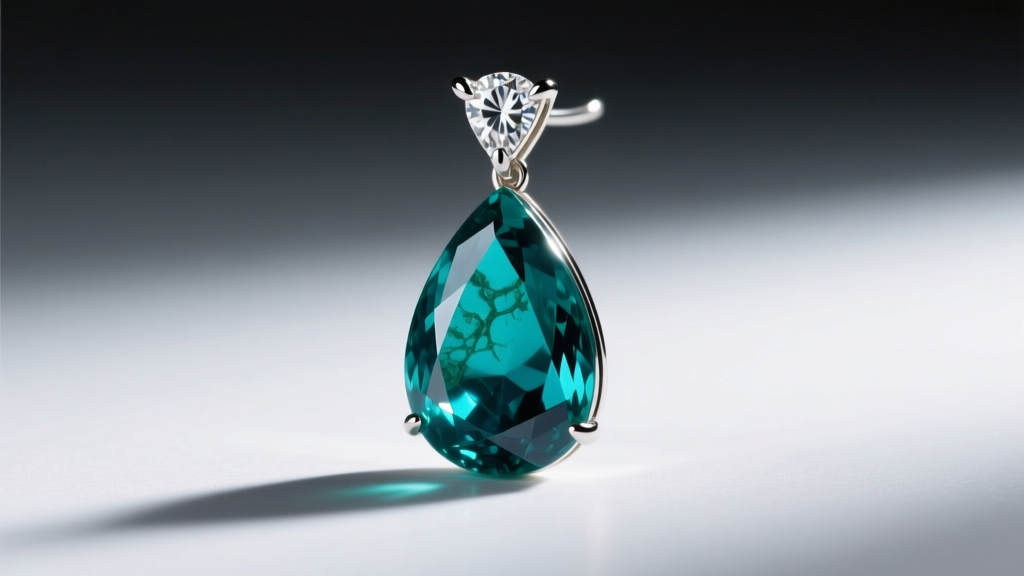
If your drop earrings feature pear-cut or emerald-cut stones, ensure the setting utilizes V-prongs at the pointed tips. Standard rounded prongs leave the fragile tips of the emerald exposed to chipping. Additionally, the earring backing must support the weight of the drop. French wire (fishhook) backings are common but prone to slipping out and offer poor weight distribution, causing the earring to droop forward. Instead, look for leverback closures or omega backs, which securely lock the earring in place and sit flush against the earlobe, keeping the drop perfectly vertical.
| Metal | Durability | Aesthetic Pairing | Best For |
|---|---|---|---|
| 18k Yellow Gold | Moderate (Scratches but holds prongs well) | Enhances warm, yellowish-green Colombian stones | Vintage and classic designs |
| 18k White Gold | High (Rhodium plated for bright white finish) | Provides high contrast for vivid, pure green emeralds | Modern, sleek, and diamond-heavy halos |
| Platinum (950) | Exceptional (Dense, secure, hypoallergenic) | Neutral, allows emerald color to dominate | Heavy drops and secure, lifelong prong tension |
Pricing Tiers: What to Expect in 2026
The market for colored gemstones has seen significant shifts, with high-quality, untreated, or minor-oil emeralds commanding premium prices. When shopping for emerald and diamond drop earrings, expect pricing to fall into three distinct tiers based on carat weight, origin, and treatment levels.
- Entry-Level ($1,500 – $4,000): Features emeralds between 1.00 and 2.00 total carat weight (TCW). Stones are typically Zambian or Brazilian with moderate oil treatment. Diamond melee may be single-cut, and settings are usually 14k or 18k gold with standard push-backs or simple fishhooks.
- Mid-Range ($5,000 – $15,000): Offers 2.50 to 5.00 TCW of vivid, well-saturated emeralds, often Colombian or high-grade Zambian with only minor clarity enhancement. Full-cut VS/GH diamond halos or caps, set in 18k gold with secure leverback closures.
- High-End & Investment ($20,000+): Showcases 5.00+ TCW of top-tier Colombian (Muzo/Chivor) emeralds with "None" or "Insignificant" oil ratings. Paired with premium, perfectly matched round brilliant diamonds, set in platinum or 18k gold with bespoke, articulated drop mechanisms.
Red Flags, Treatments, and Authentication
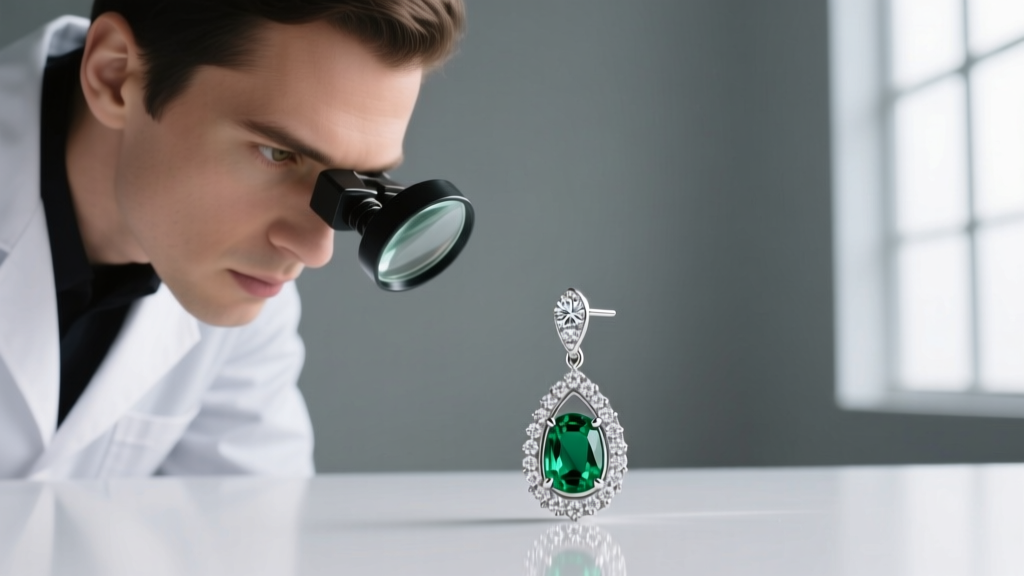
Nearly all emeralds on the market undergo some form of clarity enhancement to fill surface-reaching fissures. The traditional and most accepted method is cedar oil impregnation. However, you must be wary of stones treated with epoxy resins, polymers, or Opticon, which can degrade, yellow, or melt over time, especially if exposed to heat or harsh chemicals. The GIA Emerald Buying Guide strongly recommends purchasing stones accompanied by a laboratory report that explicitly states the type and extent of the clarity enhancement (e.g., "Minor," "Moderate," or "Significant").
Expert Maintenance Warning: Never clean your emerald and diamond drop earrings in an ultrasonic cleaner or use a steam cleaner. The high-frequency vibrations and intense heat will strip the cedar oil from the emerald's fissures, instantly turning a vibrant green stone into a cloudy, fractured mess. Always clean them gently with a soft brush, lukewarm water, and mild dish soap.
Final Thoughts on Sourcing
When purchasing emerald and diamond drop earrings, prioritize cut and color over flawless clarity. A well-proportioned emerald that maximizes light return will outshine a larger, heavily included stone every time. By insisting on full-cut diamond melee, secure V-prong settings, and leverback closures, you ensure that your earrings will not only look breathtaking in 2026 but will remain structurally sound and visually stunning for generations to come.


