The Ultimate Buying Guide for Emerald Green Gold Earrings
Discover what to look for when buying emerald green gold earrings. Learn about gemstone grades, gold karats, pricing, and authentication.

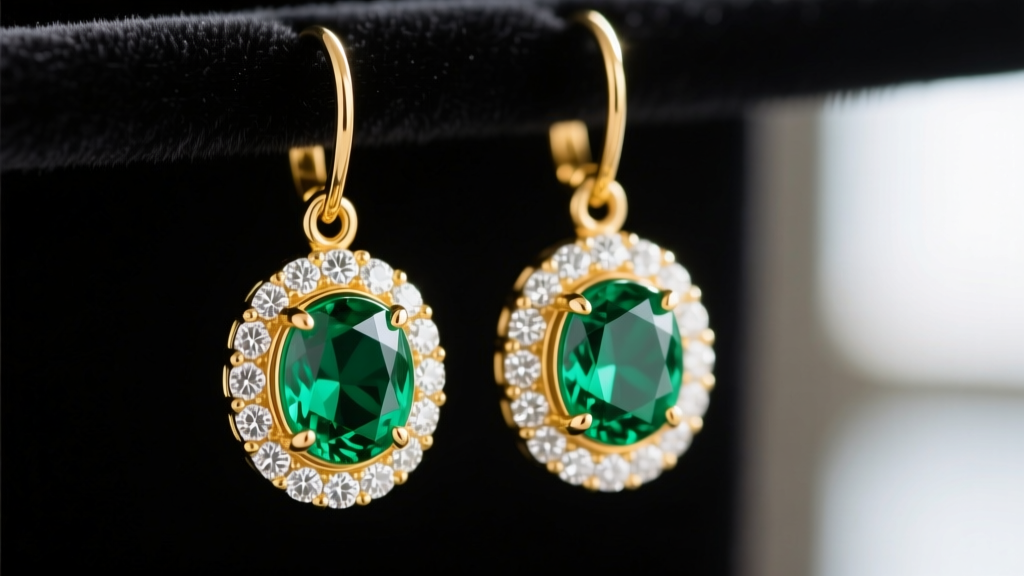
The allure of emerald green gold earrings lies in their striking contrast and timeless elegance. As a staple in both vintage and contemporary jewelry collections, these pieces represent a significant investment. However, navigating the market requires a deep understanding of gemology, metallurgy, and structural jewelry design. Whether you are looking for delicate studs or statement chandelier drops, this comprehensive buying guide will equip you with the technical knowledge needed to evaluate quality, ensure durability, and authenticate your purchase in today's market.
Understanding Emerald Quality: The 4 Cs and Treatments
Emeralds are a variety of the mineral beryl, colored by trace amounts of chromium and vanadium. Unlike diamonds, emeralds are classified as a Type III gemstone by the Gemological Institute of America (GIA), meaning they almost always contain visible inclusions.
Color, Clarity, and the 'Jardin'
The most critical factor in valuing emerald green gold earrings is color. The premium standard is a bluish-green hue with medium-dark tone and vivid saturation. Clarity is secondary; in fact, the internal fractures and inclusions, known as the jardin (French for garden), are expected and serve as a fingerprint of natural origin. An entirely eye-clean emerald is exceptionally rare and should immediately prompt a request for laboratory certification to rule out synthetic alternatives.
The Reality of Oiling and Fracture Filling
Because of their inherent brittleness and surface-reaching fractures, nearly all natural emeralds undergo clarity enhancement.
- Minor to Moderate Oiling: The industry standard. Cedar oil or synthetic equivalents are used to fill microscopic fissures, improving transparency. This is acceptable and expected in fine jewelry.
- Significant Oiling/Resin Filling: Avoid earrings with heavy epoxy or resin fillers. Over time, these polymers can yellow, shrink, or leach out, leaving the stone cloudy and structurally compromised.
Choosing the Right Gold: Karats, Colors, and Alloys
The gold setting does more than hold the stone; it influences the emerald's perceived color and the earring's structural lifespan. When selecting emerald green gold earrings, you must balance aesthetic warmth with metallurgical durability.
Yellow Gold vs. Rose Gold vs. White Gold
Yellow gold (alloyed with silver and copper) provides a warm, classic backdrop that amplifies the rich, velvety green of the emerald. Rose gold (higher copper content) offers a vintage, romantic contrast that pairs beautifully with slightly yellowish-green stones. White gold (alloyed with nickel or palladium and plated in rhodium) creates a stark, modern contrast, but requires re-plating every few years, which poses a risk if the jeweler uses harsh chemicals that can damage oiled emeralds.
The 14k vs. 18k Durability Debate
While 18k gold (75% pure) is prized for its rich color and hypoallergenic properties, it is relatively soft. For heavy emerald drop earrings, 14k gold (58.5% pure) is structurally superior. The higher alloy content in 14k gold provides greater tensile strength, ensuring that prongs do not bend and posts do not warp under the weight of dense beryl crystals.
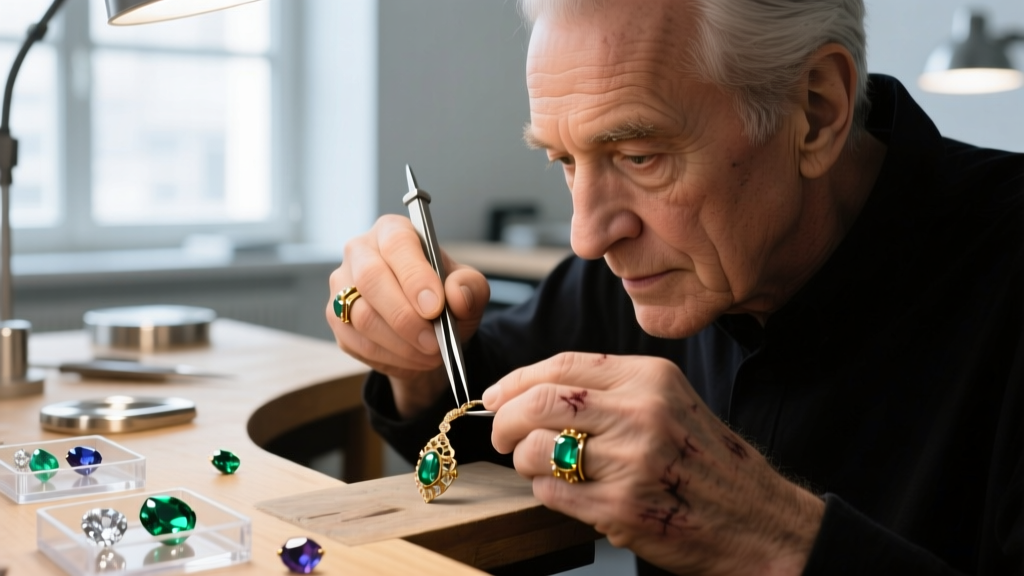
Hardware and Structural Integrity: Gauge Sizes and Backings
A common failure mode in high-end jewelry is ignoring the hardware. Emeralds are dense; a pair of solid 10x8mm emerald drops can easily exceed 4 grams per earring. Standard earring hardware is not designed for this weight.
Post Thickness (Gauge)
Most commercial earrings use 20-gauge (0.81mm) posts. For emerald earrings weighing over 2.5 grams each, you must insist on an 18-gauge (1.02mm) or even a 16-gauge (1.29mm) post. A thin post will inevitably bend, causing the earring to droop forward on the earlobe and increasing the risk of the gemstone striking surfaces and chipping.
Securing the Earring
Standard friction butterfly backs are insufficient for heavy emerald green gold earrings. The tension on the metal scroll weakens over time, leading to catastrophic loss. Always opt for:
- Screw Backs: Threaded posts that physically screw into the backing, ideal for 18k gold studs.
- Omega Backs or French Clips: Essential for heavy drops and chandelier styles, providing a wide, supportive base that grips the earlobe securely without relying on a thin post.
- Locking Leverbacks: Ensure the wire features a secondary locking mechanism or a tight, heavy-gauge snap closure.
Pricing Tiers: What to Expect in the Current Market
The pricing of emerald green gold earrings varies wildly based on origin, treatment, and gold purity. As we navigate the 2026 gemstone market, untreated stones from legacy mines continue to see aggressive appreciation. Below is a structured breakdown of current retail pricing tiers.
| Tier | Emerald Origin & Treatment | Gold Purity & Style | Estimated Price Range (Per Pair) |
|---|---|---|---|
| Commercial | Zambian or Brazilian; Moderate to Significant Oil | 10k - 14k Gold; Bezel or Prong Studs | $400 - $1,500 |
| Fine | Colombian or Zambian; Minor Oil (F1/F2) | 14k - 18k Gold; Diamond Halo Drops | $3,500 - $18,000 |
| Investment | Muzo or Chivor (Colombian); No Oil (Untreated) | 18k - 22k Gold; High-Jewelry Chandeliers | $35,000 - $150,000+ |
Authentication and Red Flags
Never purchase high-value emerald green gold earrings without an independent laboratory report. The American Gemological Laboratories (AGL) is widely considered the gold standard for colored gemstone grading in the US, providing meticulous detail on the type and extent of clarity enhancement. For international or investment-grade pieces, look for reports from SSEF or Gübelin in Switzerland.
Pro-Tip: Be highly skeptical of 'too good to be true' pricing on vivid, eye-clean emeralds. Synthetic flux-grown and hydrothermal emeralds have the exact same chemical composition as natural stones but cost a fraction of the price. Only a gemologist with advanced spectroscopic equipment can reliably separate high-end synthetics from natural stones.
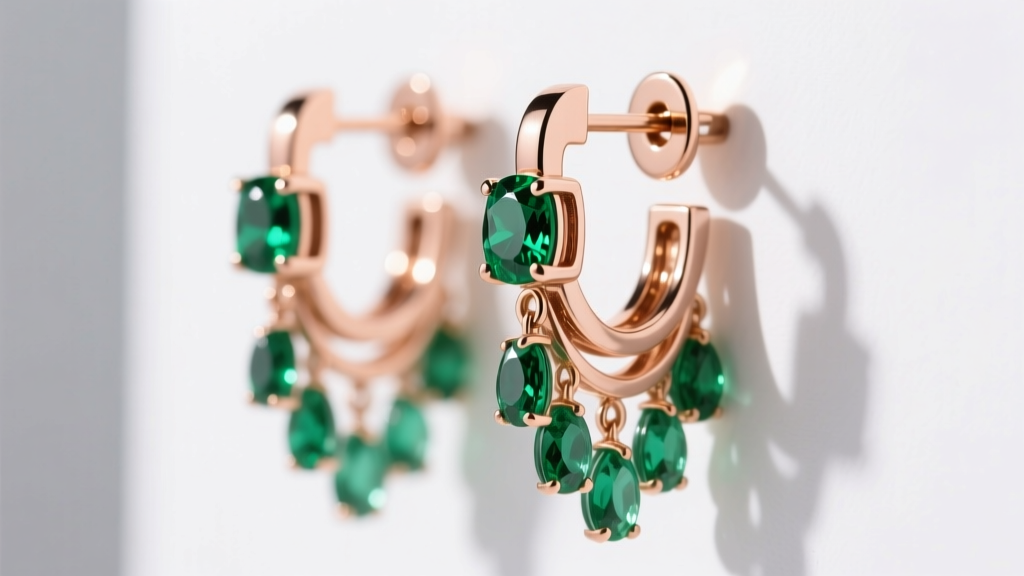
Care and Maintenance: Avoiding Catastrophic Damage
Emeralds rank 7.5 to 8 on the Mohs hardness scale, making them resistant to scratching but highly vulnerable to chipping and thermal shock due to their included nature. Proper maintenance is non-negotiable.
The Ultrasonic and Steam Cleaner Ban
Never, under any circumstances, place oiled emerald earrings in an ultrasonic cleaner. The high-frequency vibrations will shatter the stone along its internal jardin fracture lines. Similarly, steam cleaners will boil the cedar oil out of the fissures, instantly turning a vibrant green stone into a cloudy, opaque, and heavily fractured mess.
Safe Cleaning Protocol
To clean your emerald green gold earrings, use only lukewarm water, a drop of mild dish soap, and an ultra-soft baby toothbrush. Gently brush the back of the setting where skin oils and lotions accumulate, rinse briefly under a gentle stream of room-temperature water, and pat dry with a lint-free microfiber cloth. Have a professional jeweler inspect the prongs and re-oil the stones (if necessary) every two to three years to maintain their structural integrity and optical brilliance.


