2026 Gift Guide: Best Starter Jewelry When You Pierce Earrings
Gifting a first piercing? Discover the 2026 guide to starter jewelry, including implant-grade titanium, flat-back labrets, and safe gauge sizes.

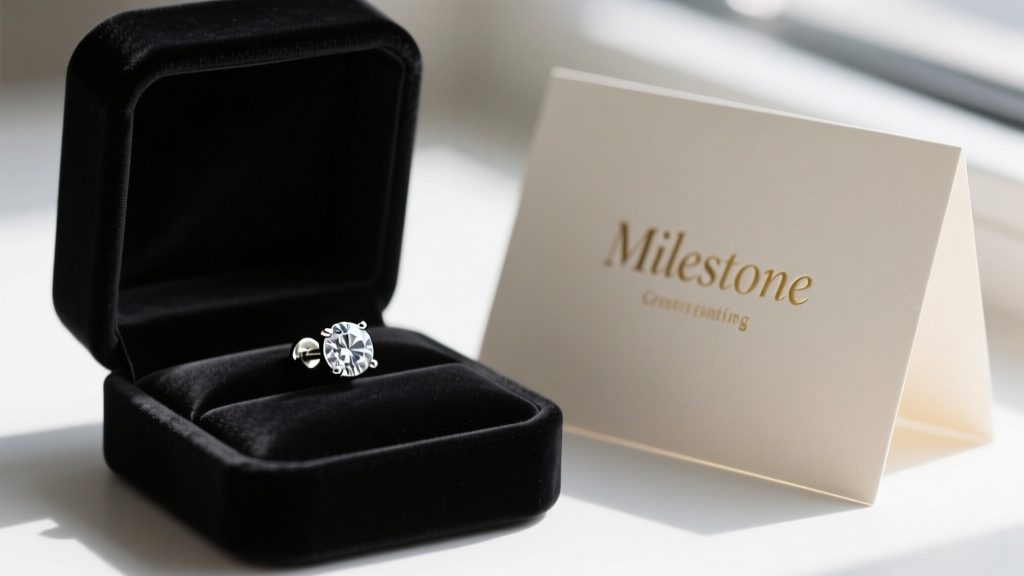
Gifting a piercing experience or a pair of high-quality starter earrings is a profound milestone. Whether it is a child’s first ear piercing, a teenager’s sweet sixteen cartilage project, or an adult’s curated ear journey, the jewelry you select dictates the healing outcome. In 2026, the standard for gifting has shifted away from mall kiosk piercing guns and mystery-metal butterfly backs. Today’s gifting requires an understanding of metallurgy, anatomy, and biomechanics. This comprehensive guide will help you select the exact specifications needed when you pierce earrings for a loved one, ensuring a safe, comfortable, and beautiful healing process.
The Milestone Gift: Why High-Quality Starter Jewelry Matters
A fresh piercing is not merely a hole in the skin; it is a puncture wound that requires an optimal environment to heal. Gifting low-quality jewelry introduces foreign body rejection risks, contact dermatitis, and pressure necrosis. According to the Association of Professional Piercers (APP), fresh piercings require jewelry with a mirror-finish polish to prevent microscopic tears in the forming fistula (the tube of healing tissue). When you gift a piercing, you are gifting the foundation of their body modification. Opting for cheap, porous metals or improper backings can turn a joyous occasion into a months-long medical frustration involving localized infections and hypertrophic scarring.
Material Grades: The Metallurgy of Healing
The most critical decision in your gift guide journey is the material. Many commercial brands use the term "surgical steel," but this is a marketing buzzword, not a regulated metallurgical standard. True implant-grade materials must meet specific ASTM (American Society for Testing and Materials) or ISO standards to guarantee biocompatibility.
| Material | Standard / Grade | Nickel Content | Price Range (2026) | Healing Suitability |
|---|---|---|---|---|
| Implant-Grade Titanium | ASTM F136 / Ti6Al4V | Zero | $25 - $60 | Excellent (Gold Standard) |
| Solid Gold | 14k or 18k (Nickel-Free) | Trace / Zero | $80 - $250+ | Excellent (If alloyed safely) |
| Niobium | Commercially Pure | Zero | $20 - $45 | Very Good |
| Surgical Steel | 316L / 316LVM | 8% - 10.5% | $10 - $25 | Poor (High allergy risk) |
| Sterling Silver | 925 Silver | Varies (Copper alloy) | $15 - $40 | Do Not Use (Tarnishes/Oxidizes) |
As noted in dermatological literature regarding Nickel Allergy and Contact Dermatitis, prolonged exposure to nickel-releasing alloys in open wounds heavily increases the risk of systemic sensitization. Always gift ASTM F136 titanium or verified nickel-free 14k/18k gold from reputable brands like NeoMetal, BVLA, or Intrinsic Body.
Gauge Sizes and Post Lengths: The Mechanics of Swelling
Buying the correct thickness (gauge) and length (post size) is vital. A post that is too short will compress the swelling tissue, leading to embedding—a medical emergency where the skin grows over the jewelry. A post that is too long will snag on hair and clothing, causing migration and irritation bumps.
- Standard Lobe Piercings: Typically pierced at 18G (1.02mm) or 20G (0.81mm). For fresh lobes, an 18G post is structurally superior as it reduces the "cheese-cutter effect" (where thin jewelry migrates through the tissue under tension).
- Cartilage (Helix, Conch, Flat): Standardized at 16G (1.29mm). The thicker gauge provides stability and prevents migration in dense cartilage tissue.
- Post Length for Fresh Piercings: Always gift jewelry with accommodating post lengths. For fresh lobes, a 5/16" (8mm) or 3/8" (10mm) post is required to account for the initial 2-3 weeks of swelling. Once healed, the recipient can downsize to a 1/4" (6mm) or 3/16" (5mm) post.
Occasion Matching: Gifting by Age and Milestone
First Ear Piercings for Young Children
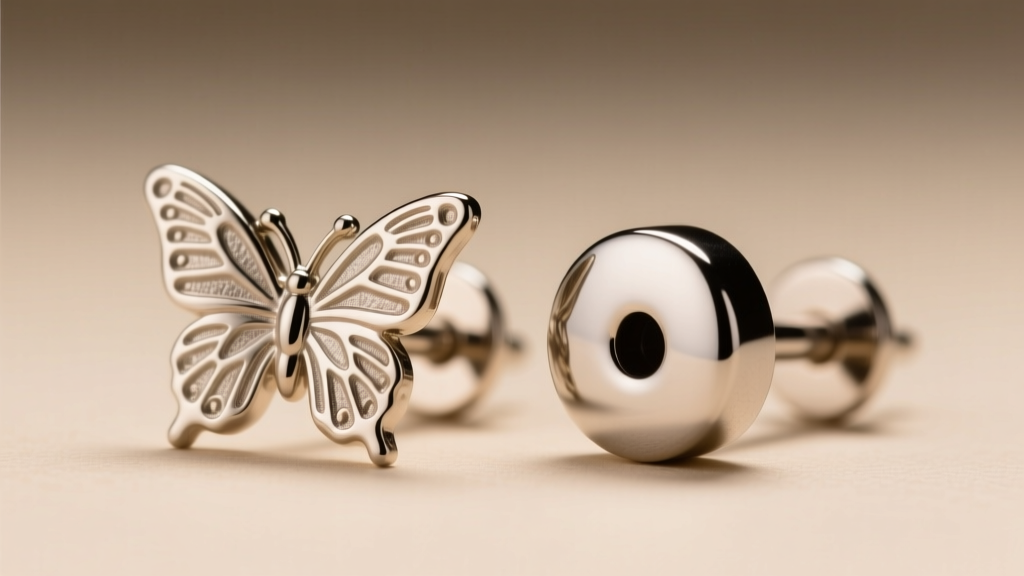
For a child's first piercing, safety and security are paramount. Avoid traditional push-pin butterfly backs, which harbor bacteria in their crevices and frequently poke the child's neck while sleeping. Instead, gift a pair of 18G solid 14k gold flat-back labrets with secure screw-on or threadless bezel-set gem ends. The flat disc sits flush against the back of the earlobe, providing a smooth, snag-free surface that is vastly more comfortable for naps and sleep.
Teenage Cartilage and Helix Milestones
Teenagers often desire expressive, stylish jewelry for cartilage piercings. Gift a high-quality titanium threadless labret post paired with an interchangeable anodized titanium or gemstone end. Brands like NeoMetal offer vibrant, anodized colors (like deep purples, teals, and rose golds) achieved through electrical voltage rather than toxic dyes, ensuring the color will not flake into the healing fistula.
Adult "Curated Ear" Projects
For the adult jewelry enthusiast, a "curated ear" project involves planning multiple complementary piercings across the ear's anatomy. The ultimate gift here is a consultation fee at a high-end APP-certified studio, paired with a gift card to a luxury jewelry brand like Maria Tash or BVLA. For these projects, gifting a set of 16G threadless flat-backs with varying gem sizes (e.g., a 3mm, 4mm, and 5mm graduated cluster) provides the perfect canvas for their piercer to execute the design.
Threadless vs. Internally Threaded: A Buyer’s Guide
When selecting the mechanics of the jewelry, you have two professional options. Never gift externally threaded jewelry (where the screw pattern is on the post itself), as the sharp threads tear the healing tissue upon insertion.
- Internally Threaded: The screw pattern is on the inside of the receiving tube, and the post is smooth. This is highly secure and excellent for those who prefer a traditional screw-in mechanism. However, it can be difficult to screw in blindly behind the ear.
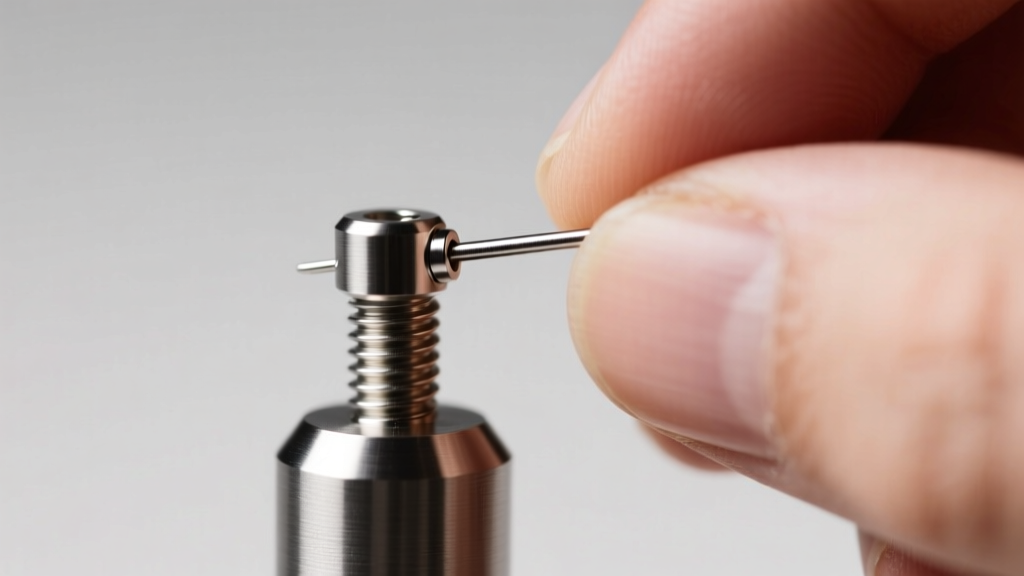
- Threadless (Tension-Fit): The industry gold standard for 2026. The decorative end has a tiny, slightly bent pin that pushes into the hollow post. The tension of the bent metal against the inside wall of the tube holds it securely in place. It is incredibly easy to insert and remove, and it will not unscrew accidentally in the shower or while brushing hair.
The 2026 Gifting Checklist for Fresh Piercings
Before finalizing your purchase, run through this expert checklist to ensure your gift is anatomically and metallurgically sound:
- Verify the Alloy: Confirm the product description explicitly states "ASTM F136 Titanium" or "Nickel-Free 14k/18k Gold." Avoid anything labeled merely as "hypoallergenic" or "surgical steel."
- Check the Polish: If buying in person, inspect the post under a bright light. It should look like a mirror. Any dullness, scratches, or tooling marks will irritate the healing fistula.
- Select the Right Backing: Ensure you are purchasing flat-back labrets (also called flat-back barbells) rather than traditional butterfly friction backs or bulky ball backs.
- Include Aftercare: Pair the jewelry with a bottle of sterile, preservative-free 0.9% sodium chloride wound wash (the only aftercare solution recommended by modern piercing professionals). Avoid gifting harsh chemicals like tea tree oil, rubbing alcohol, or DIY sea salt mixtures, which disrupt the skin's delicate healing pH.
- Book the Appointment: The jewelry is only half the gift. Ensure the recipient is booked with an APP-certified piercer who uses single-use, sterilized hollow needles rather than spring-loaded piercing guns, which cause blunt force trauma to the tissue.
By prioritizing material purity, anatomical sizing, and modern tension-fit mechanics, your gift will transition from a simple accessory to a safely healed, lifelong adornment. When you pierce earrings with intention and expertise, you are giving the gift of confidence, comfort, and impeccable style.


