Eye Candy Earrings: Engineering High-Impact Statement Pieces
Discover the technical engineering behind eye candy earrings. Learn about weight distribution, gauge sizing, and setting techniques for statement pieces.

The Biomechanics of Visual Impact: Weight vs. Lobe Tolerance
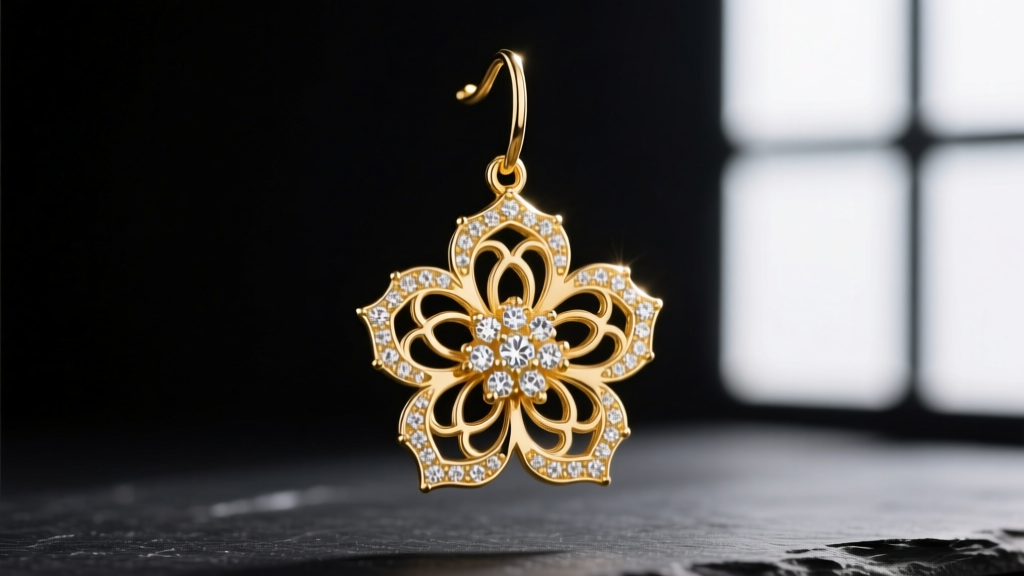
When industry insiders and collectors use the term 'eye candy earrings,' they are rarely talking about simple, lightweight studs. The phrase denotes high-impact, visually saturated statement pieces characterized by intricate metalwork, dense gemstone clustering, and dramatic silhouettes. However, creating true visual impact requires navigating a strict biological constraint: the human earlobe. As of 2026, the most sophisticated jewelry houses approach these designs not merely as art, but as structural engineering challenges.
The average human earlobe fistula (the piercing tract) can comfortably support between 10 to 15 grams of static weight for prolonged wear before experiencing tissue fatigue, elongation, or micro-tearing. True 'eye candy' statement drops, featuring cascading gemstones or heavy architectural goldwork, frequently push the 25 to 40-gram threshold. To prevent the earring from pulling the lobe downward or causing the post to bend, master jewelers employ advanced weight-reduction engineering.
Advanced Weight-Reduction Techniques
Modern high-end manufacturers utilize CAD/CAM hollow-forming to create the illusion of massive volume without the corresponding mass. By designing a 3D resin wax model with internal honeycomb lattices and 1.2mm exterior walls, a solid 35-gram 18k gold earring can be reduced to just 14 grams while maintaining its structural rigidity. Alternatively, electroforming is used for organic, fluid shapes. This process deposits a microscopic layer of gold over a conductive wax or resin core, which is later melted out, leaving an incredibly lightweight, hollow shell that catches the light beautifully.
Structural Integrity: Gauges, Posts, and Clasp Mechanics
The connection point between a heavy statement earring and the ear is the most critical failure point. Standard 20-gauge (0.81mm) friction posts are entirely inadequate for eye candy earrings, as the leverage exerted by a 3-inch drop will easily bend the wire. Upgrading the post gauge and utilizing specialized clasps is mandatory for high-end pieces.
| Post Gauge | Diameter (mm) | Max Safe Weight (Prolonged) | Recommended Clasp Type |
|---|---|---|---|
| 20G | 0.81mm | 5 - 8 grams | Standard Friction Push |
| 18G | 1.02mm | 10 - 15 grams | La Pousette / Silicone Back |
| 16G | 1.29mm | 20 - 25 grams | Heavy-Duty Omega Clip |
| 14G | 1.63mm | 30+ grams | Saddle-Back French Wire |
For earrings exceeding 20 grams, an Omega-back clasp is the industry standard. Unlike a simple wire post, an Omega clip features a hinged, curved paddle that grips the back of the earlobe and rests against the lower cartilage, distributing the weight across a much wider surface area. For ultra-heavy chandelier drops, a 14-gauge French wire paired with a wide 'saddle' backing provides the necessary support to keep the earring hanging perfectly vertical without warping the wire.
Metallurgical Finishes for Maximum Light Return
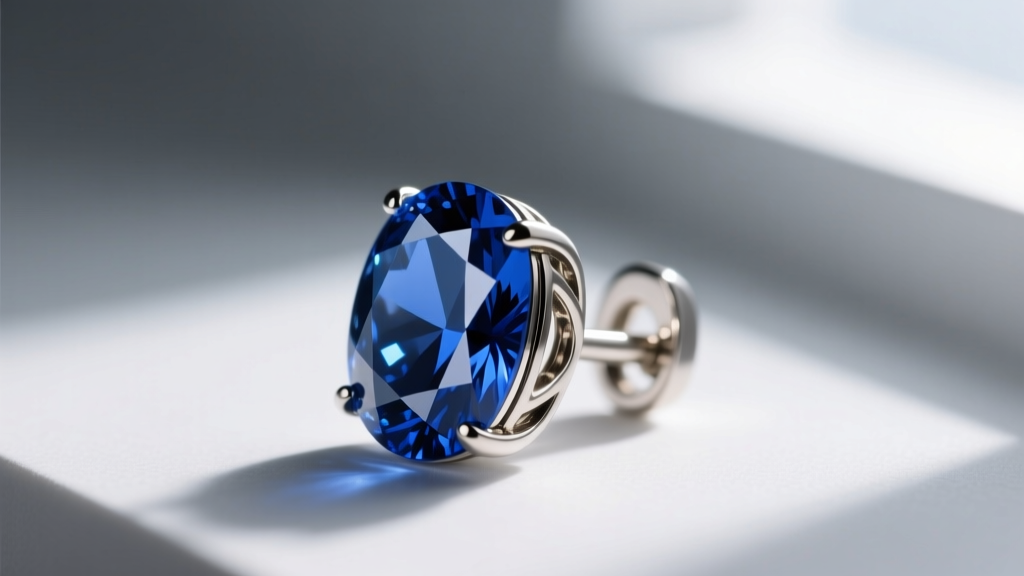
The 'candy' aspect of these earrings relies heavily on how the metal interacts with light. In 2026, the benchmark for white gold statement pieces involves a precise rhodium plating process. A high-quality finish requires a bath temperature of 35°C to 45°C and a deposition thickness of 0.75 to 1.0 microns. Anything thinner will wear through within months, exposing the yellowish tint of the underlying nickel-free palladium white gold alloy.
For colored titanium eye candy earrings, Physical Vapor Deposition (PVD) has replaced traditional anodizing in luxury markets. PVD creates a molecular bond between the titanium and the color coating (such as rose gold or deep violet), resulting in a scratch-resistant, hyper-reflective surface that will not fade or flake, even when subjected to the friction of daily wear. Furthermore, the base metal must be polished using a three-stage process: tripoli for cutting, rouge for high-gloss buffing, and a final ultrasonic cleaning to remove any embedded abrasive compounds before gemstone setting.
Gemstone Setting Techniques in Statement Drops
Eye candy earrings demand maximum scintillation, which is achieved through precise gemstone setting techniques. Micro-pavé is frequently used to encrust the metal frameworks of statement drops. In high-end manufacturing, setters use 0.8mm to 1.2mm melee diamonds, securing them with beads raised directly from the surrounding metal using a pneumatic micro-engraver. This ensures that over 85% of the diamond's crown is exposed to light, maximizing brilliance.
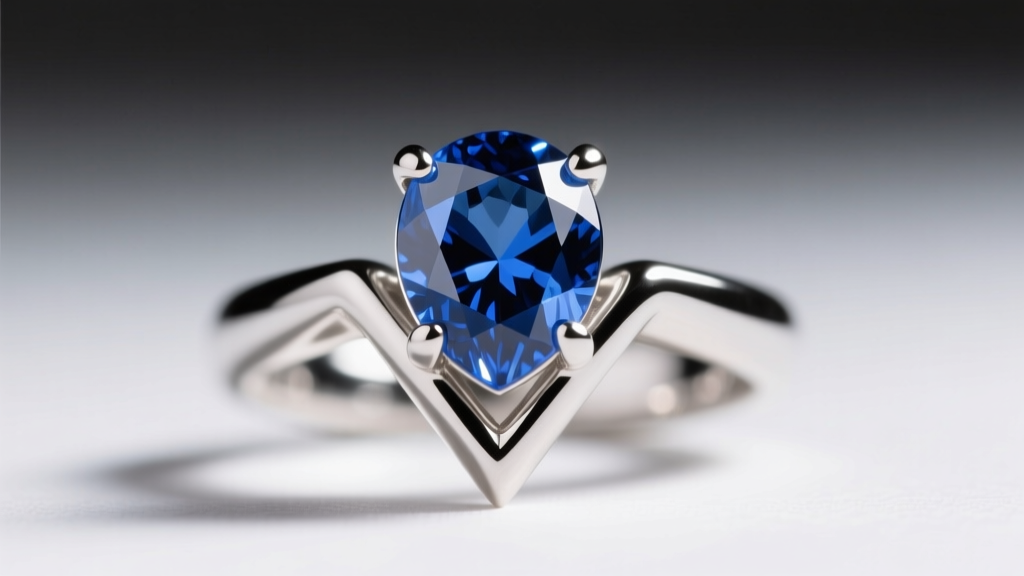
When incorporating large center stones, such as pear or marquise cuts, the tips of the gemstones are highly vulnerable to chipping. Expert setters utilize V-prongs—solid wedges of platinum or 14k gold that completely cap the sharp apex of the stone. Platinum is heavily preferred for these structural prongs due to its high tensile strength and 'memory,' meaning that if the prong is snagged on clothing, it will bend rather than snap open, keeping the valuable center stone secure.
Troubleshooting Common Failure Modes
Even beautifully designed eye candy earrings can suffer from structural failure if the manufacturing shortcuts are taken. The most common failure mode in multi-tiered drop earrings is jump ring fatigue. If the tiny rings connecting the articulated segments are simply bent closed with pliers, the constant swinging motion of the earring will eventually work the metal open, dropping the gemstone cluster. To prevent this, master jewelers laser-weld every jump ring shut. Laser welding provides a seamless, permanent bond without exposing nearby heat-sensitive gemstones (like emeralds or opals) to the thermal shock of a traditional jeweler's torch.
Another critical issue is porosity in cast shanks. If the casting flask is not properly heated, or the gold alloy is not degassed, microscopic air bubbles can become trapped inside the earring's main post or hinge. This creates a weak point that will inevitably snap under the leverage of a heavy drop. Reputable manufacturers utilize X-ray fluorescence (XRF) and micro-CT scanning to verify the internal density of their cast components before they ever reach the setting bench.
Authoritative Resources
For further technical reading on gemstone durability and setting mechanics, consult the Gemological Institute of America (GIA). Additionally, the Jewelers of America provides excellent guidelines on metallurgical standards and consumer care for fine jewelry.


