Friction Back Earrings: Technical Mechanics, Failures, and Fixes
An expert technical deep dive into friction back earrings, analyzing post gauges, spring tension failures, metal fatigue, and secure clasp upgrades.

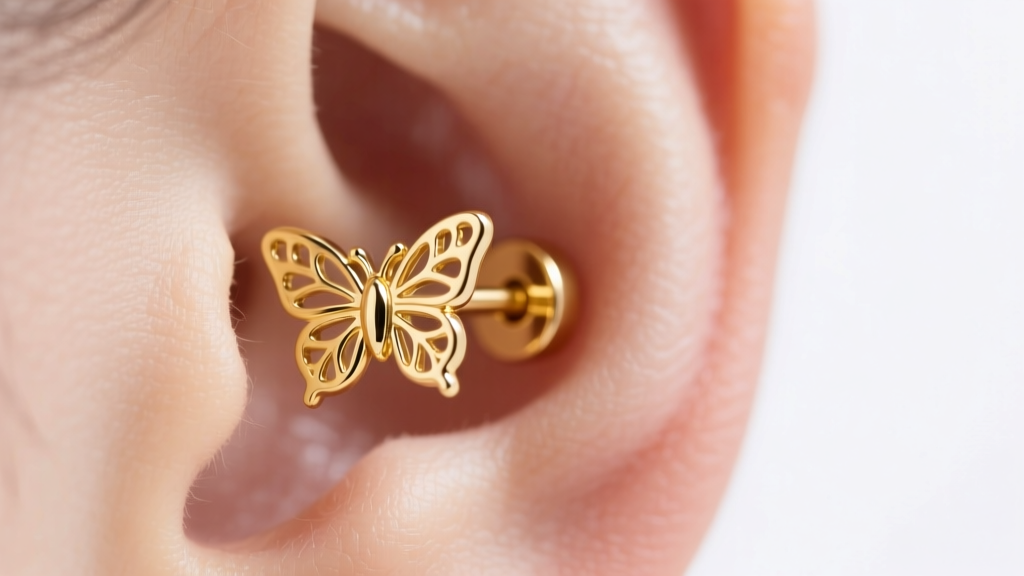
The Engineering Behind Friction Back Earrings
Friction back earrings, universally recognized as push backs or butterfly clasps, represent the most ubiquitous fastening mechanism in commercial fine jewelry. Accounting for over 85% of all stud earring sales globally, this mechanism relies on a delicate balance of metallurgical spring tension and precise mechanical tolerances. While they are celebrated for their ease of use and low manufacturing cost, friction backs are also the primary culprit behind lost fine jewelry. Understanding the exact engineering, material limitations, and failure modes of these clasps is essential for both jewelry designers and discerning collectors. In this expert deep dive, we dissect the technical anatomy of the friction back, explore why they fail, and outline professional-grade upgrades.
Anatomy of the Clasp: Posts, Grooves, and Clutches
The mechanism consists of two primary components: the male post (the wire that pierces the ear) and the female clutch (the backing). The security of the earring does not come from the friction of the metal against the earlobe, but rather from the internal spring tabs of the clutch snapping into a circumferential groove (notch) machined into the post.
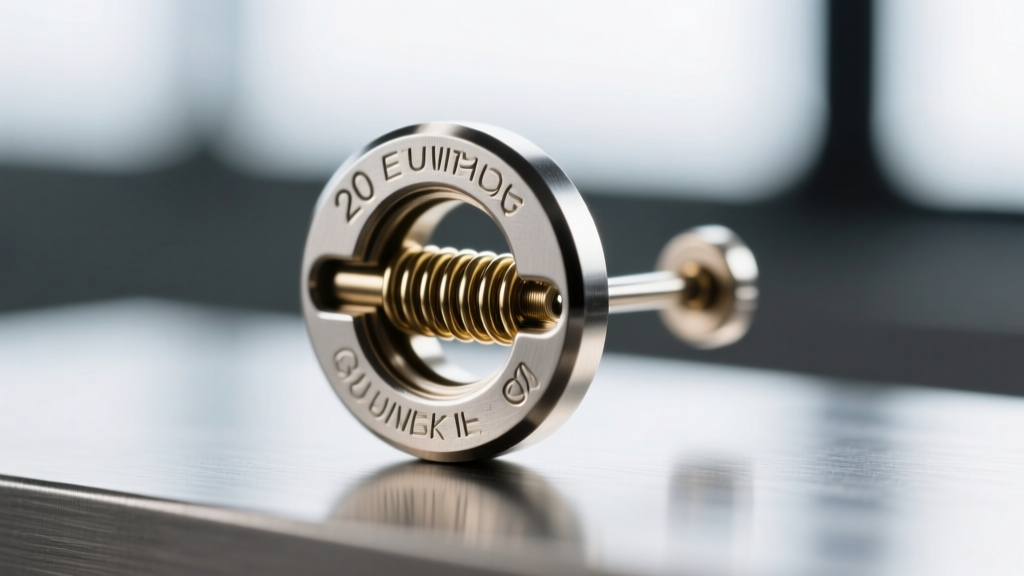
Post Gauge and Notch Tolerances
The dimensional precision of the post and notch dictates the lifespan of the earring. Standard commercial stud earrings utilize either a 20-gauge (0.812mm) or 18-gauge (1.024mm) post. The notch itself is typically machined to a depth of 0.3mm to 0.5mm. If the notch is cut too shallow during the casting or CNC milling process, the internal tabs of the butterfly back will not fully engage, resulting in a clasp that slides off under minimal tension. Conversely, a notch that is too deep compromises the structural integrity of the post, creating a shear point where the wire can snap under lateral stress.
Metallurgy and Spring Tension: Why They Fail
The most common point of failure in friction back earrings is not the post, but the clutch. To function correctly, the butterfly back must act as a leaf spring. This requires a metal with high yield strength and excellent elastic recovery.
- Metal Fatigue: Repeated compression of the butterfly wings to remove the earring gradually work-hardens the metal. Over time, the internal tension tabs lose their elastic memory and fail to press firmly against the post groove.
- Alloy Mismatches: Pure gold (24k) has a Vickers hardness of roughly 25 HV, making it entirely too soft for spring-loaded mechanisms. According to the Gemological Institute of America, jewelers must alloy gold with copper, silver, or zinc to increase hardness. However, many manufacturers cast the earring post in 14k or 18k gold but stamp the butterfly backs from beryllium copper or spring steel, plating them with a microscopic layer of gold to match. Once this plating wears off, the base metal is exposed to sweat and sebum, leading to rapid corrosion and contact dermatitis.
- Post Bending: A bent post alters the geometry of the groove relative to the clutch, preventing the tabs from seating correctly and causing the earring to fall out.
Material Hardness and Application Data
| Material / Alloy | Vickers Hardness (HV) | Elastic Recovery | Best Application |
|---|---|---|---|
| 24k Pure Gold | 25 - 30 HV | Poor | Decorative elements only |
| 18k Yellow Gold | 120 - 135 HV | Moderate | Earring posts, bezels |
| 14k White Gold | 135 - 150 HV | Good | Durable posts, cast clasps |
| Implant-Grade Titanium (ASTM F136) | 330 - 350 HV | Excellent | Hypoallergenic posts, internal threads |
| Beryllium Copper | 380 - 400 HV | Superior | Internal spring tabs, premium clutches |
The Biomechanics of Ear Lobe Pressure and Tilt
Friction backs are highly susceptible to the biomechanics of the human earlobe. When a heavy gemstone—such as a 2-carat diamond solitaire weighing approximately 1.5 grams—is set on a standard 4mm post, the center of gravity shifts forward. The earlobe acts as a fulcrum, causing the post to tilt downward. This tilt applies uneven, lateral pressure to the internal tabs of the friction back. Over the course of a day, the repetitive micro-movements of walking and talking cause the clutch to slowly ratchet past the groove, eventually leading to the loss of the earring. For heavy stones, friction backs are mechanically inadequate without the addition of a secondary stabilization mechanism, such as an ear jacket or a specialized clutch with a wider base plate.
Ergonomic Upgrades: Moving Beyond the Butterfly
For high-value fine jewelry, relying on a stamped metal friction back is a significant risk. Industry experts and master jewelers recommend upgrading to mechanically superior fastening systems that eliminate the reliance on spring tension alone.
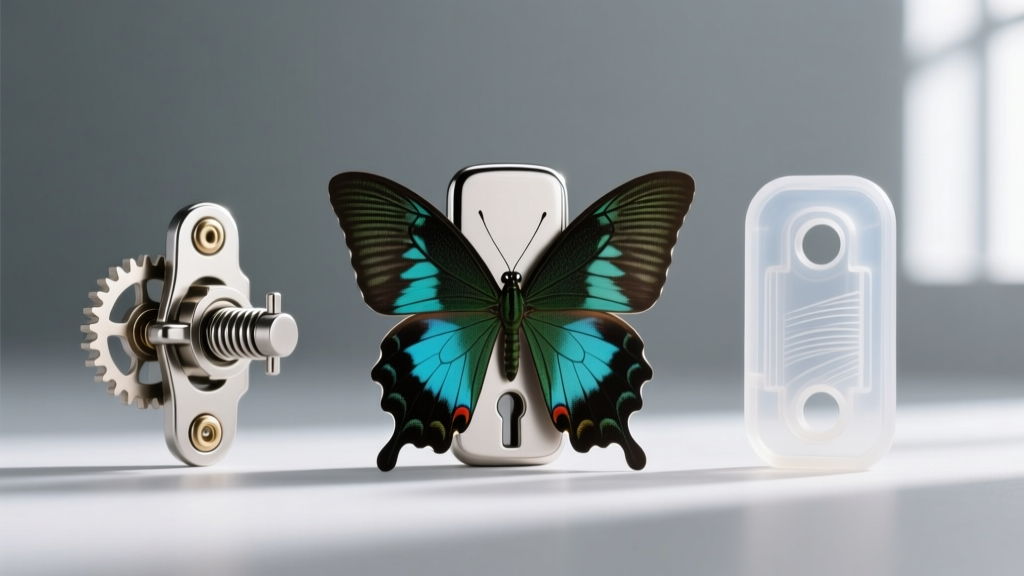
La Pousette and Mechanical Locking Clutches
The La Pousette back operates on a push-and-click mechanism similar to a retractable pen. It features an internal stainless steel or beryllium copper spring that locks positively behind a machined post notch. To release the earring, the user must pinch two side wings simultaneously, disengaging the internal locking collar. Because the mechanism is fully enclosed, it is impervious to sebum buildup and hair snagging, making it the gold standard for diamond solitaires over 1 carat.
Silicone Ombre Grips and Friction Stoppers
For patients with severe nickel allergies or those who find metal butterfly backs painful against the mastoid bone, medical-grade silicone friction stoppers offer a viable alternative. According to guidelines from the Association of Professional Piercers, implant-grade silicone is biocompatible and highly resistant to degradation from skin oils. However, silicone relies purely on surface friction against the post rather than engaging the notch, meaning it must be pushed on tightly and replaced every 6 to 12 months as the silicone bore stretches out.
Screw-Back Earrings
Screw backs utilize a threaded post and a threaded clutch. While they offer the highest level of security against accidental loss, they require precise alignment to avoid cross-threading, which can permanently strip the microscopic threads off a soft gold post. They are highly recommended for children's jewelry and high-value heirloom pieces where removal frequency is low.
Expert Maintenance and Tension Restoration
If a standard butterfly friction back becomes loose, it can often be rehabilitated without replacement. Using a pair of nylon-jawed flat-nose pliers, a jeweler can gently squeeze the two outer wings of the clutch together. This compresses the internal spring tabs closer to the center axis, restoring the outward tension required to grip the post groove. Additionally, if a friction back becomes stuck due to dried sebum or hairspray buildup within the clutch, submerging the assembly in an ultrasonic cleaner with a mild enzymatic jewelry solution for three minutes will dissolve the debris without damaging the metal's temper.
"The security of a fine jewel should never rely on a three-cent stamped metal clutch. Upgrading to enclosed mechanical locks or precision-threaded screw backs is the single most effective way to prevent catastrophic jewelry loss." — Master Bench Jeweler Protocol
By understanding the exact tolerances, metallurgical limitations, and biomechanical stresses placed on friction back earrings, collectors can make informed decisions about when to trust the classic butterfly clasp and when to demand a mechanical upgrade for their most prized possessions.


