Fixing Cluster Turquoise Earrings: Stains, Sagging Lobes, and Fakes
Solve common issues with cluster turquoise earrings. Learn to identify fakes, prevent lobe sagging, and safely clean porous stones without damage.

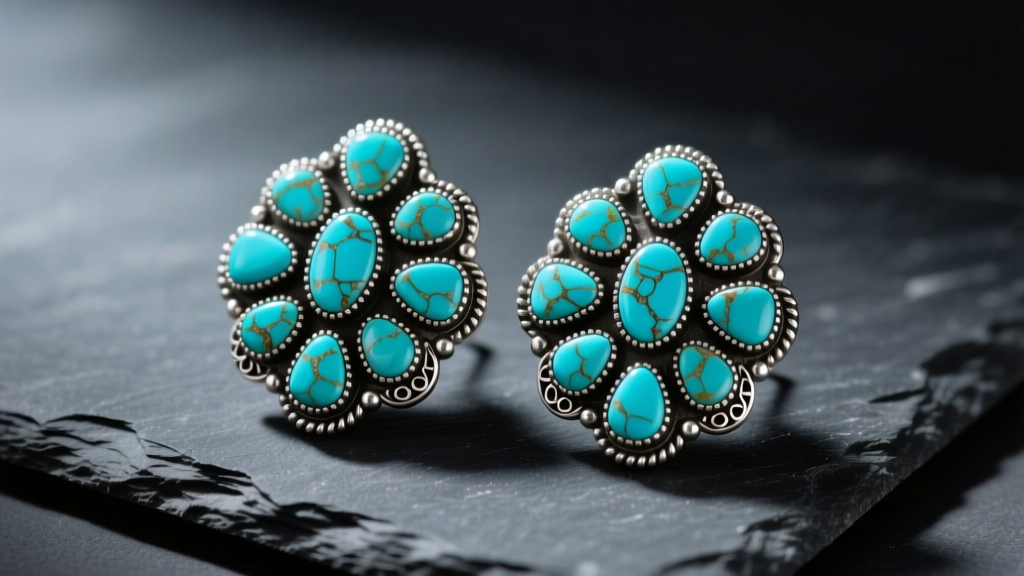
Cluster turquoise earrings are a cornerstone of Southwestern and bohemian jewelry design, featuring multiple small turquoise cabochons set closely together in intricate silver or gold arrangements. While visually stunning, the combination of porous gemstones, heavy metal settings, and complex structural joins creates a unique set of maintenance challenges. Whether you are dealing with color-shifting stones, heavy clusters tearing through your earlobes, or suspicious 'turquoise' that might actually be dyed howlite, this troubleshooting guide provides actionable, expert-level solutions to restore and protect your earrings.
The Unique Vulnerabilities of Cluster Settings
To effectively troubleshoot cluster turquoise earrings, you must first understand the material science at play. Natural turquoise is a hydrous phosphate of copper and aluminum, ranking between 5 and 6 on the Mohs hardness scale. It is inherently porous. When cut into the small cabochons required for cluster settings, the surface-area-to-volume ratio increases dramatically. This means more of the stone is exposed to skin oils, cosmetics, and environmental pollutants. Furthermore, cluster settings rely on dozens of tiny bezels or prongs; if the metal work is thin or mass-produced, stone loss is a frequent failure mode.
Problem 1: Identifying Dyed Howlite and Block Imitations
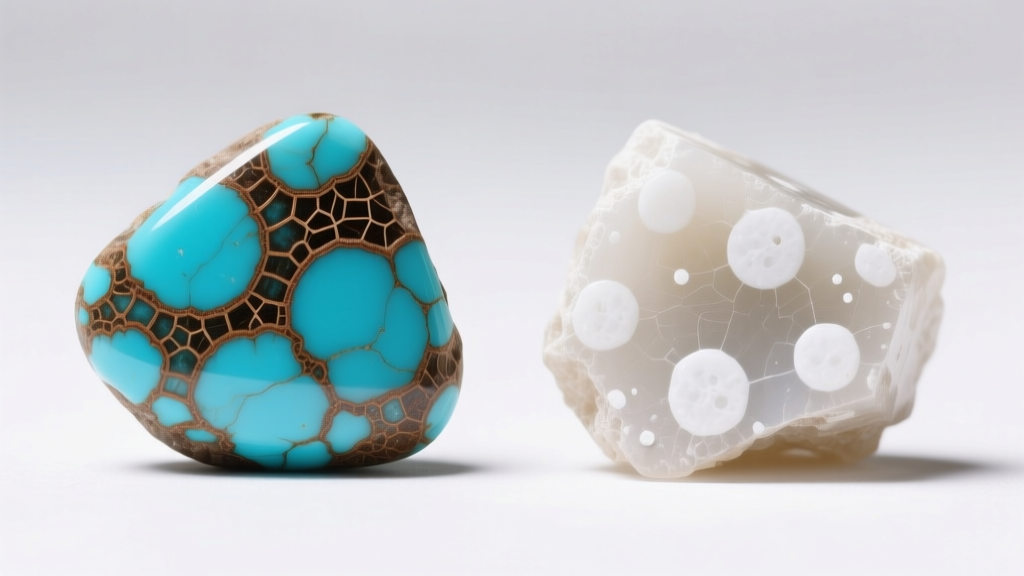
The market is flooded with cluster earrings made from dyed howlite, magnesite, or 'block turquoise' (a composite of turquoise dust and plastic resin). Because cluster settings use many small stones, manufacturers often use cheap imitations to keep costs down. Authenticating your earrings is the first step in determining how to clean and care for them.
The Acetone and Visual Matrix Tests
Examine the matrix—the brown, black, or golden webbing within the stone. In natural turquoise, the matrix is host rock (like limonite or sandstone) and has depth and natural variation. In dyed howlite, the matrix is often painted or follows unnatural, superficial cracks. To test for dye, dip a cotton swab in pure acetone (nail polish remover) and rub it vigorously on an inconspicuous area of the stone. If the swab turns blue, the stone is dyed.
| Material Type | Composition & Treatment | Durability & Care Requirements | Market Value |
|---|---|---|---|
| Natural | Untreated, raw copper-aluminum phosphate | Highly porous; easily stained by oils. Requires strict chemical avoidance. | Premium ($100 - $500+ per pair) |
| Stabilized | Infused with epoxy or the Zachery method | Non-porous; resists stains and color shifting. Safe for gentle washing. | Standard ($40 - $150 per pair) |
| Dyed Howlite | White mineral dyed blue with surface wax | Prone to chipping; dye fades or rubs off. Clean only with dry cloth. | Low ($15 - $35 per pair) |
| Block (Reconstituted) | Turquoise dust mixed with plastic resins | Very durable but lacks gemological value. Melts under high heat. | Lowest ($10 - $25 per pair) |
For a definitive breakdown of turquoise treatments and identification, the Gemological Institute of America (GIA) provides comprehensive guidelines on spotting resin-impregnated and dyed imitations. Additionally, the mineralogical database Mindat.org offers deep scientific data on the natural inclusions and host rocks you should expect to see in genuine stones.
Problem 2: Heavy Clusters Causing Lobe Sagging and Tearing
A major structural issue with cluster turquoise earrings is weight. A high-quality sterling silver cluster earring featuring 15 to 20 cabochons can easily weigh between 8 and 15 grams per earring. Standard 5mm butterfly friction backs concentrate this weight onto a tiny point of the earlobe, creating a fulcrum effect that pulls the piercing hole downward, leading to permanent stretching, sagging, or even tearing.
Upgrading Earring Backs and Lobe Supports
To solve the physics of heavy cluster earrings, you must increase the surface area distributing the load on the back of your earlobe. Abandon standard metal butterfly backs immediately and implement the following hardware upgrades:
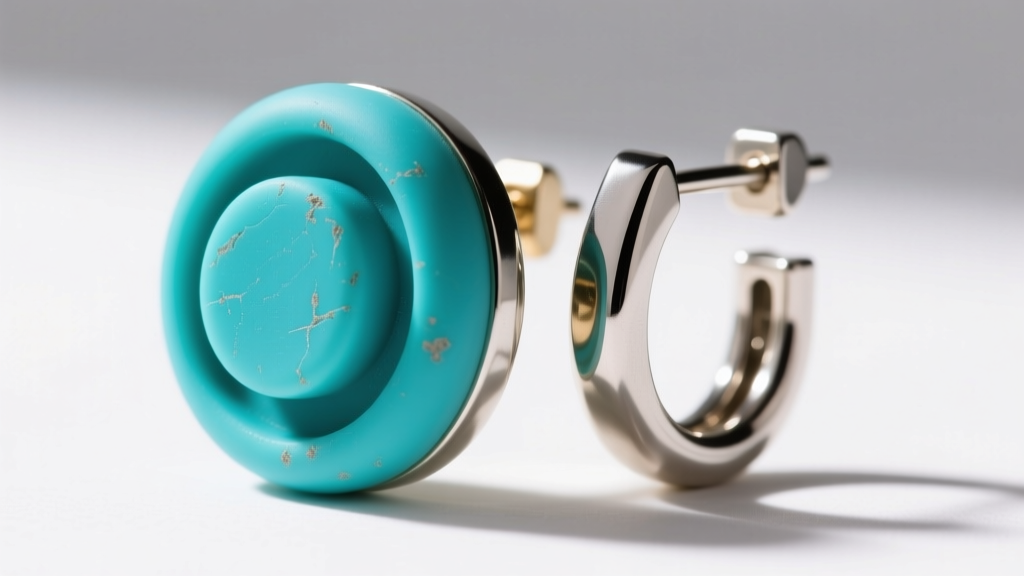
- 12mm Silicone Friction Discs: Replace standard backs with flat, medical-grade silicone O-rings or discs (durometer 40A-50A). The 12mm diameter spreads the 15-gram load across a wider area, eliminating the 'cheese-cutter' effect on your piercing.
- La Pousette (Omega) Backs: If your cluster earrings are leverbacks or can be converted by a jeweler, La Pousette backs feature a hinged, spring-loaded omega wire that clips securely behind the earlobe, providing structural support that hugs the ear's natural contour.
- Adhesive Earlobe Support Patches: For vintage or exceptionally heavy Navajo cluster pieces, apply invisible, hypoallergenic polyurethane lobe patches (like LobeWonder) to the back of the ear before inserting the earring. These patches reinforce the skin and prevent the post from tilting downward.
Problem 3: Discoloration from Oils, Lotions, and Perfumes
Because natural turquoise is porous, it acts like a microscopic sponge. Over time, it absorbs sebum (skin oils), lotions, and aerosolized perfumes. This chemical interaction alters the copper content near the surface, causing the iconic sky-blue stones to shift to a muddy, yellowish-green. This is the most common complaint among owners of natural cluster turquoise earrings.
Safe Cleaning Protocols for Porous Stones
You must clean cluster earrings without forcing moisture into the stone or degrading the silver bezels. Never soak turquoise in water.
Critical Warning: NEVER use ultrasonic jewelry cleaners or steam cleaners on turquoise. The high-frequency vibrations can shatter the stones along natural matrix fault lines, and the heat will melt the wax or resin used in stabilized stones, leaving them cloudy and brittle.
The Expert Cleaning Method:
- Mix a solution of distilled water and a single drop of pH-neutral dish soap (like Dawn) in a small bowl.
- Dampen a baby toothbrush (extra-soft bristles) in the solution, then shake off the excess moisture so it is only barely damp.
- Gently brush the silver bezels and the surface of the turquoise cabochons, working in small circular motions to lift sebum buildup from the crevices between the cluster stones.
- Immediately wipe the earrings dry with a clean, lint-free microfiber cloth.
- Allow the earrings to air dry completely in a low-humidity environment before storing them in an anti-tarnish bag.
Problem 4: Loose Stones in Cluster Settings
In cluster earrings, stones are typically held in place by shallow bezels (thin strips of metal pushed over the edge of the stone) or tiny prongs. Due to the sheer number of stones in a cluster piece, it is highly likely that one or two stones will become loose over time as the metal fatigues or the earring is bumped.
Prong vs. Bezel Troubleshooting
If a stone rattles when you gently tap the earring, the setting has failed. Do not attempt to fix this with cyanoacrylate (Super Glue). Superglue outgasses as it cures, leaving a permanent, frosty white residue on the porous surface of the turquoise that is impossible to remove without sanding the stone down.
If the setting is a bezel, a jeweler can use a burnishing tool to gently push the sterling silver back over the edge of the cabochon. If you must do a temporary DIY fix, use a minuscule drop of G-S Hypo Cement or E6000 jeweler's epoxy applied with a toothpick. These adhesives remain slightly flexible, accommodating the different thermal expansion rates of the silver and the stone, and they do not outgas damaging chemicals. If the setting uses prongs, check for metal fatigue at the base of the prong; if the prong is cracked, the earring must be laser-welded by a professional silversmith to prevent total loss of the stone.
Summary Checklist for Long-Term Maintenance
Troubleshooting cluster turquoise earrings requires a proactive approach to wear and storage. Follow this quick checklist to ensure your pieces remain vibrant and structurally sound:
- Put Them On Last: Always put your earrings on after applying hairspray, perfume, and makeup to prevent chemical absorption.
- Wipe After Wear: Use a dry microfiber cloth to wipe away skin oils immediately after taking the earrings off.
- Store Separately: Turquoise scratches easily. Store cluster earrings in individual soft cloth pouches, away from harder gemstones like diamonds or sapphires.
- Check Bezels Monthly: Gently tap the cluster stones to listen for rattling, catching loose bezels before the stone falls out and is lost forever.
By understanding the specific material vulnerabilities of turquoise and the structural demands of heavy cluster settings, you can troubleshoot common failures and keep your earrings looking pristine for decades.


