The Ultimate Guide to Cleaning and Caring for Tabra Earrings
Learn expert techniques for cleaning Tabra earrings. Discover safe methods for mixed metals, porous turquoise, pearls, and oxidized finishes.

Understanding the Artisan Legacy of Tabra Jewelry
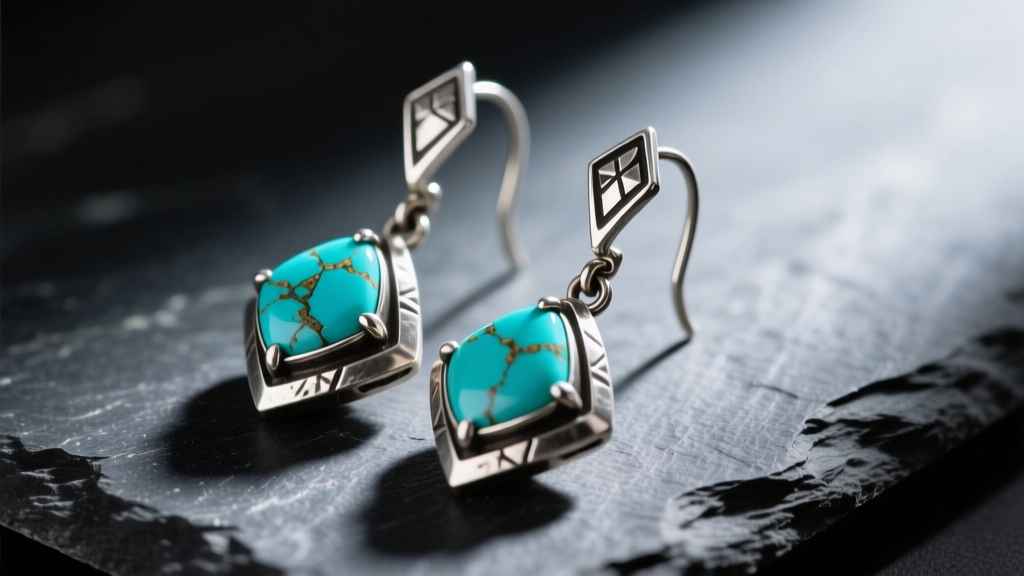
Tabra jewelry, celebrated for its sculptural, mixed-metal designs and heavy use of natural gemstones, occupies a unique space in the artisan jewelry market. Whether you acquired your pieces through QVC broadcasts in the 2000s or sourced them from the secondary market—where elaborate statement dangles can fetch between $300 and $800—maintaining these earrings requires specialized knowledge. Unlike mass-produced cast jewelry, Tabra earrings frequently combine oxidized sterling silver, 14k or 18k gold vermeil accents, and highly porous organic or natural stones like turquoise, lapis lazuli, coral, and freshwater pearls.
The most common mistake collectors make is applying generic silver cleaning methods to these mixed-media pieces. Using commercial silver dips or ultrasonic cleaners will not only strip the intentional antiqued finishes but can permanently destroy the structural integrity of the gemstones. This guide provides a meticulous, material-specific framework for preserving your Tabra earrings for decades to come.
The Chemistry of Tabra's Mixed Metals and Gemstones
To clean Tabra earrings safely, you must first understand the chemical vulnerabilities of the materials involved. Tabra’s signature aesthetic relies heavily on oxidation—a controlled tarnishing process where silver sulfide is intentionally allowed to form in the textured crevices of the metal to create depth and contrast.
Oxidized Sterling Silver and Gold Accents
Sterling silver (92.5% silver, 7.5% copper) naturally tarnishes when exposed to sulfur compounds in the air. The copper alloy is what accelerates this process. In Tabra designs, the high-polish gold accents (often 14k or 18k vermeil over sterling) are meant to stand in stark contrast to the blackened silver crevices. Chemical dips containing thiourea and hydrochloric acid will instantly strip this intentional patina, leaving the piece looking flat, gray, and devoid of its artisan character.
Porous Gemstones: Turquoise, Coral, and Lapis
Turquoise is a hydrous phosphate of copper and aluminum, ranking between 5 and 6 on the Mohs hardness scale. More importantly, it is highly porous. According to the Gemological Institute of America (GIA), turquoise can easily absorb oils, lotions, and harsh chemical cleaners, which can alter its color from a vibrant sky blue to a dull, muddy green. Coral and lapis lazuli share similar vulnerabilities to acids and ammonia.
Freshwater Pearls
Pearls are organic gems composed of nacre (calcium carbonate and conchiolin). With a Mohs hardness of just 2.5 to 4.5, they are exceptionally soft. The GIA warns that exposure to acids, alcohols, and ultrasonic cavitation will dissolve the nacre or cause the pearl to crack entirely. Never submerge Tabra pearl earrings in any liquid.
Step-by-Step Cleaning Protocols by Material
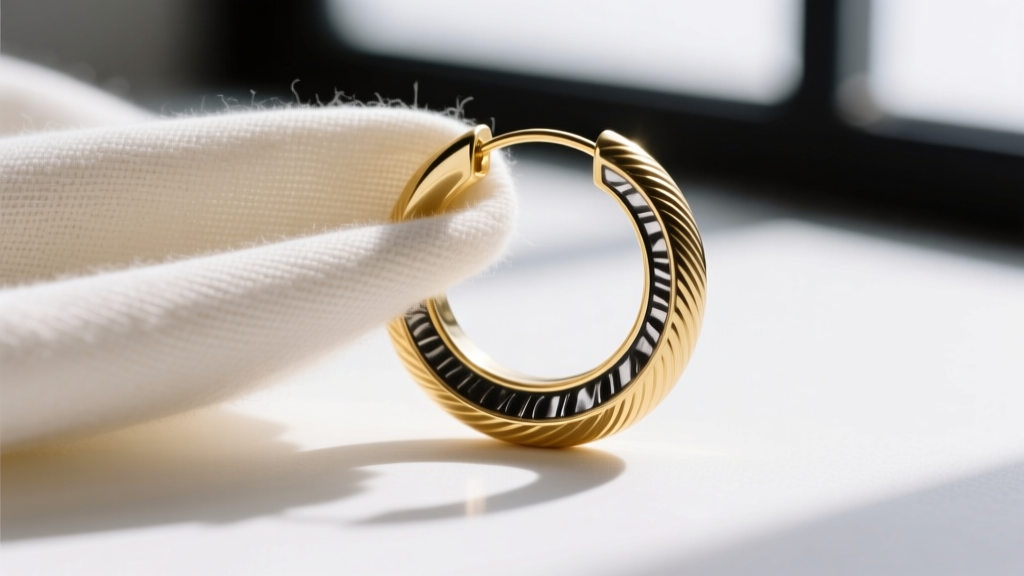
The following protocols are designed to remove daily accumulations of sebum, dead skin cells, and environmental dust without compromising the structural or aesthetic integrity of the earrings.
Protocol 1: Mixed Metal and Turquoise Dangles
- Preparation: Mix three drops of pH-neutral, phosphate-free dish soap (such as original Dawn) into a bowl of lukewarm distilled water. Tap water contains chlorine and minerals that can leave micro-deposits on porous stones.
- Application: Dip a baby-soft toothbrush or a cotton swab into the solution. Gently agitate the bristles over the polished silver and gold surfaces.
- The Crevices: When approaching the oxidized black crevices, use a dry, soft-bristled brush to dislodge dust. Do not introduce soapy water into the deep textures, as it can leave a white, chalky residue that is nearly impossible to remove from the matte silver.
- Gemstone Care: Wipe the turquoise or lapis lazuli with a barely damp microfiber cloth. Never scrub the stone directly with a brush, as trapped dust particles (which often contain quartz, Mohs 7) will scratch the turquoise surface.
- Drying: Immediately pat dry with a lint-free cloth. Use a hairdryer on the 'cool' setting to ensure no moisture remains trapped in the bezel settings.
Protocol 2: Pearl and Vermeil Drops
For Tabra earrings featuring freshwater pearls, avoid all liquids. Simply wipe the pearls with a clean, dry, untreated chamois cloth after every wear to remove body oils. For the gold vermeil metalwork, use a dry jeweler's polishing cloth that is lightly treated with micro-abrasives, ensuring you only touch the raised metal and avoid the pearl entirely.
Cleaning Agents: What to Use and What to Avoid
The table below serves as a quick-reference matrix for maintaining the diverse materials found in artisan mixed-media earrings.
| Material Component | Safe Cleaning Agents | Agents to Strictly Avoid | Failure Mode if Mishandled |
|---|---|---|---|
| Oxidized Sterling Silver | Dry polishing cloth, soft brush | Silver dips, Tarn-X, baking soda paste | Stripping of intentional black patina; flat appearance |
| Gold Vermeil Accents | Mild soap, distilled water, microfiber | Ammonia, ultrasonic cleaners, toothpaste | Erosion of the thin gold layer, exposing base silver |
| Natural Turquoise | Dry microfiber, barely damp cloth | Chemicals, oils, ultrasonics, steam | Color shift to muddy green; matrix fracturing |
| Freshwater Pearls | Dry chamois cloth | Alcohol, perfumes, vinegar, ultrasonics | Dissolution of nacre; surface pitting and cracking |
| Ear Wires (18k/20g) | Isopropyl alcohol (70%) on a cotton pad | Bleach, abrasive pads | Corrosion of the wire; skin irritation upon insertion |
Advanced Maintenance: Polishing and Hardware Care
Preserving the Ear Wires and Posts
Tabra dangle earrings typically utilize 20-gauge (0.81mm) or 18-gauge (1.0mm) sterling silver or gold-filled ear wires. Because these components pass through the earlobe, they accumulate sebum and dead skin cells, which can oxidize and cause the wire to darken or develop a foul odor. To sanitize and clean the ear wires without affecting the earring body, apply 70% isopropyl alcohol to a cotton swab and carefully wipe only the wire. This evaporates quickly, kills bacteria, and removes oils without risking moisture damage to the adjacent gemstones.
Checking Bezel Settings
Artisan jewelry often features hand-pushed bezel settings. Over time, thermal expansion and contraction (from moving between cold outdoor air and heated indoor environments) can cause the silver bezel wall to pull away slightly from the cabochon stone. During your cleaning routine, gently run a fingernail over the edge of the turquoise or pearl bezel. If you feel a 'click' or notice movement, the stone is loose. Stop wearing the earring immediately and take it to a bench jeweler to have the bezel re-burnished. Attempting to clean a loose stone with a brush will inevitably dislodge it.
Proper Storage to Prevent Tarnish and Scratches
How you store your Tabra earrings is just as critical as how you clean them. Silver tarnishes primarily due to hydrogen sulfide in the ambient air and high humidity levels.
- Anti-Tarnish Strips: Place 3M anti-tarnish strips in your jewelry box. These strips absorb airborne sulfur compounds before they can react with the copper in the sterling silver. Replace them every six months.
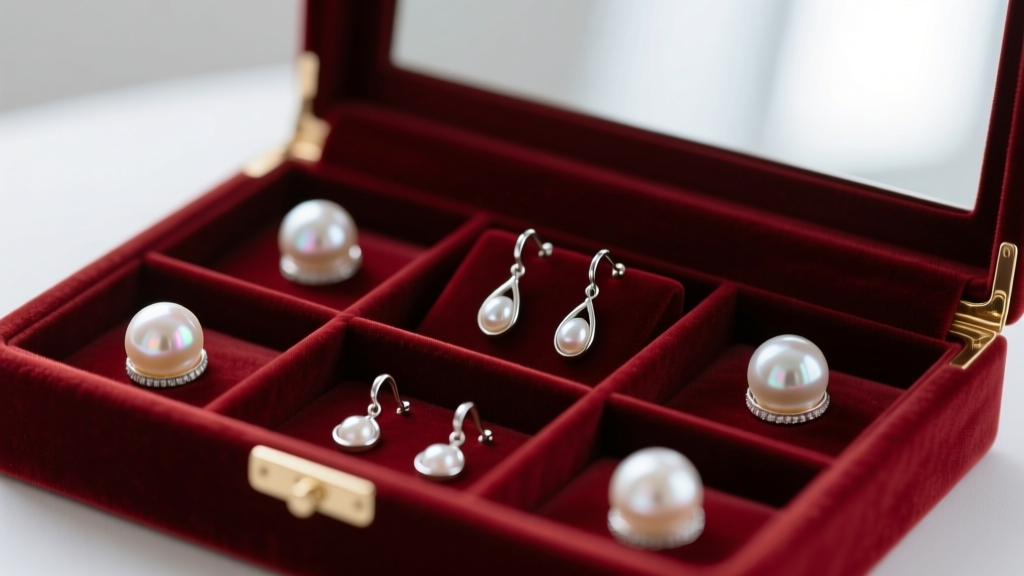
- Individual Compartments: Never toss mixed-metal dangles into a communal jewelry dish. The gold vermeil and silver can scratch the softer turquoise or pearls. Store each pair in individual soft flannel pouches or separate velvet-lined compartments.
- Climate Control: Avoid storing your earrings in the bathroom. The extreme fluctuations in humidity from showers will accelerate silver sulfide formation and can cause the backing of doublet or triplet stones (if present) to delaminate.
Troubleshooting Common Tabra Earring Issues
Even with meticulous care, vintage and artisan pieces may present specific challenges over time.
Verdigris on Bronze or Copper Elements
Some older Tabra designs incorporate bronze or copper alloys. If you notice a green, powdery substance (verdigris) forming near the joints or ear wires, this is copper carbonate. It can be safely removed by applying a tiny amount of lemon juice mixed with salt on a cotton swab only to the affected metal area. Neutralize the acid immediately with a baking soda and water paste, then rinse with distilled water and dry thoroughly. Keep this mixture far away from any turquoise or pearls.
Dull or Cloudy Turquoise
If your turquoise cabochon has lost its luster and appears cloudy, it has likely absorbed oils from your skin or hair products over years of wear. Because turquoise is porous, this oil migration is difficult to reverse. A professional lapidary can sometimes re-polish the surface of the cabochon using specialized cerium oxide compounds, but this should only be done by an expert who knows how to protect the surrounding silver bezel.
Conclusion
Caring for Tabra earrings is an exercise in restraint and material awareness. By abandoning harsh commercial silver cleaners and embracing gentle, targeted cleaning protocols, you preserve the intentional contrast, sculptural textures, and vibrant natural gemstones that define the brand's legacy. Treat your mixed metals with dry polishing methods, protect your porous stones from all liquids, and store your pieces in a controlled, low-humidity environment to ensure your collection remains as striking as the day it was cast.


