Sarah Cov Earrings Value Guide: 2026 Pricing & Authentication
Discover the true market value of Sarah Cov earrings in 2026. Learn authentication marks, material grades, and pricing for rare vintage clip-ons and studs.

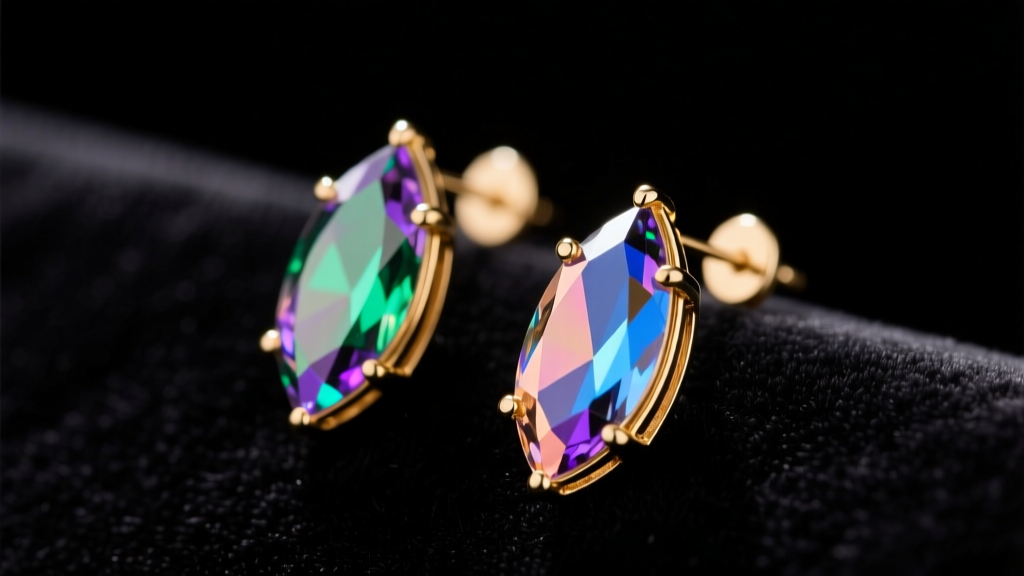
For decades, the secondary market has seen a steady surge in demand for vintage costume jewelry, and sarah cov earrings remain a cornerstone for both novice collectors and seasoned appraisers. While the abbreviation 'Sarah Cov' is frequently used in search queries and estate sale listings, it refers to the legendary Sarah Coventry brand, a titan of the mid-century direct-sales jewelry industry. As we navigate the 2026 vintage market, understanding the nuanced differences between a $15 pair of common 1980s studs and a $450 pair of rare 1950s aurora borealis clip-ons requires a deep dive into hallmarks, material degradation, and historical production eras.
The Enduring Appeal of Sarah Coventry Costume Jewelry
Founded in 1949 by Charles H. Stuart, Sarah Coventry revolutionized the jewelry market by utilizing a home-party plan, similar to Tupperware or Avon. This direct-to-consumer model meant that millions of pieces were produced and distributed across North America. However, high production volume does not equate to low value. In 2026, the most sought-after Sarah Cov earrings are those that capture the zeitgeist of specific design movements, from the atomic starbursts of the 1950s to the bold, textured gold-tone geometrics of the 1970s. According to Collectors Weekly, the brand's commitment to using high-quality glass rhinestones and thick gold electroplating allowed their pieces to survive decades of wear, making them highly collectible today.
Decoding the Hallmarks: Authentication vs. Fakes
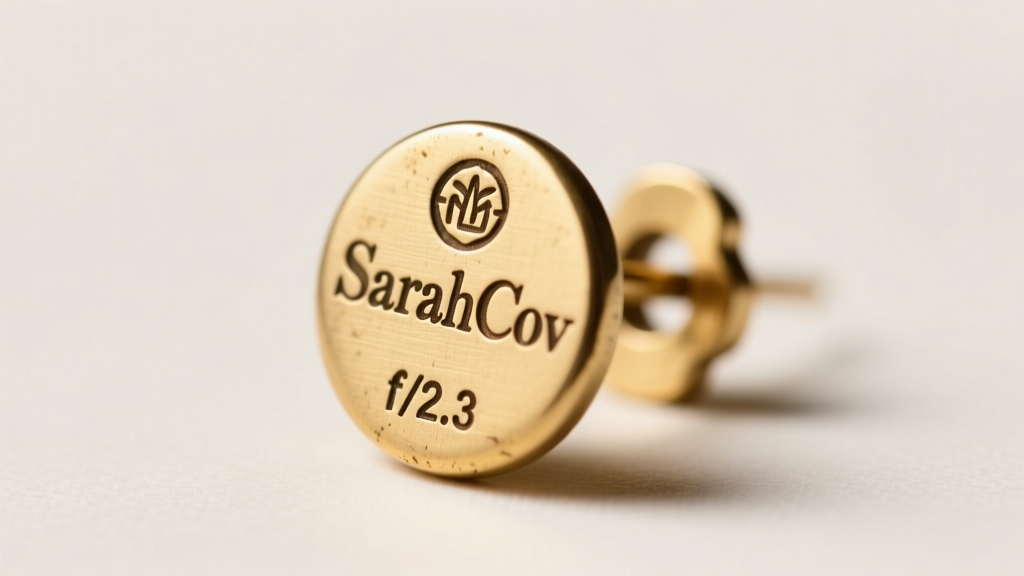
Authenticating vintage earrings requires more than a cursory glance. The marks stamped onto the reverse of Sarah Coventry earrings evolved significantly over the company's primary operational years (1949–1984). When evaluating sarah cov earrings, look for the following chronological hallmarks:
- 1950s (The Patent Era): Early pieces often feature the full 'Sarah Coventry' name in a block or script font, frequently accompanied by a patent number (e.g., DES. PAT. 165,000) or 'PAT. PEND.' These design patents protected the unique metalwork shapes, not the materials.
- 1960s to 1970s (The Copyright Era): The hallmark shifted to the condensed 'SarahCov' (often as one word) accompanied by a copyright symbol (©). This era also introduced the iconic pink and white cardboard hangtags, which, if still attached, can increase the earring's value by 30% to 50%.
- 1980s (The Late Era): Marks became simpler, often just 'COVENTRY' or an intertwined 'SC' monogram. Following the brand's brief revival in the late 1990s and 2000s, modern pieces are marked 'Sarah Coventry' but lack the heavy pot-metal weight and glass stones of the vintage eras.
Material Breakdown: What Are Sarah Cov Earrings Actually Made Of?
To accurately assess value, you must understand the metallurgy and gemology of mid-century costume jewelry. Sarah Coventry rarely used precious metals or genuine gemstones in their standard lines, but their 'costume' materials were top-tier for the era.
Base Metals and Plating
The foundation of most 1950s and 60s pieces is a zinc-aluminum alloy commonly known as pot metal or zamak. This was heavily electroplated with gold or rhodium. A major failure mode in 2026 is 'pot metal rot'—a condition where the base metal oxidizes and expands from the inside out, causing the gold plating to flake or blister. Earrings exhibiting this structural degradation are virtually worthless to serious collectors, regardless of rarity.
Rhinestones and Cabochons
Sarah Coventry sourced high-quality glass chatons and marquise stones, often foiled on the back to increase brilliance. The introduction of Aurora Borealis (AB) coatings in the mid-1950s led to some of the brand's most valuable pieces. To distinguish vintage glass rhinestones from modern acrylic or plastic replacements, appraisers use the 'tooth test' (gently tapping the stone against the edge of a tooth; glass feels distinctly gritty and cold, while plastic feels smooth and warms quickly) or a thermal conductivity test.
2026 Market Valuation: Price Tiers for Collectors
Pricing vintage costume jewelry requires analyzing recent auction data, private estate sales, and specialized dealer listings. Based on current 2026 market data cross-referenced with Kovels' Antiques & Collectibles Price Guide, here is a structured valuation framework for Sarah Cov earrings.
| Era / Style | Material & Stone Configuration | Condition Grade | 2026 Est. Market Value (USD) |
|---|---|---|---|
| 1950s Atomic Starburst Clip-ons | Gold-tone pot metal, unfoiled AB glass marquise stones | Excellent (No plating loss, all stones original) | $180 - $350 |
| 1960s Floral Wreath Clip-ons | Silver-tone, faux pearl centers, clear glass chatons | Very Good (Minor wear to clip tension) | $65 - $120 |
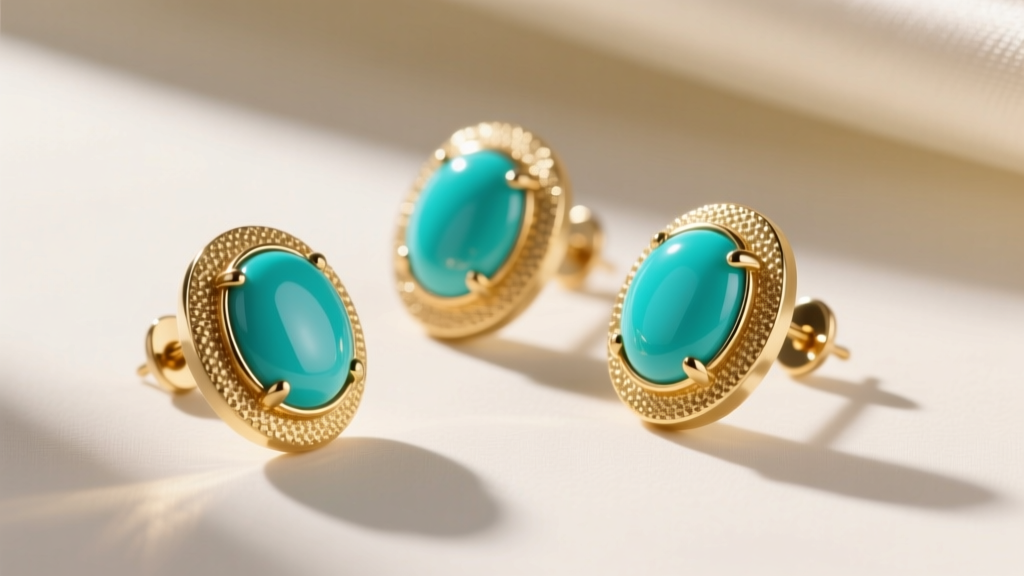
| 1970s Textured Hoop / Button Studs | Heavy gold electroplate, faux turquoise or lapis cabochons | Excellent (Pierced posts, original friction backs) | $45 - $95 |
| 1980s Geometric Drop Earrings | Brushed gold-tone, enameled geometric panels | Good (Minor enamel chipping) | $25 - $40 |
| Novelty / Figural (e.g., Poodles, Owls) | Enamel and rhinestone accents, rare patent marks | Excellent (Vital for figural pieces) | $250 - $600+ |
Condition Grading: How Flaws Impact Resale Value
In the vintage earring market, condition is the ultimate multiplier. A rare design in poor condition will almost always sell for less than a common design in mint condition. When inspecting sarah cov earrings, evaluate the following specific failure points:
- Rhinestone Foil Degradation: Moisture can seep behind the stone, causing the reflective silver or gold foil backing to turn black or flake away. A 'dead' stone (one that has lost its foil backing) reduces the pair's value by at least 40%, as professional re-foiling is labor-intensive and costly.
- Clasp Tension and Prong Integrity: Early paddle clip-ons and later omega-backs rely on precise metal tension. If the clip has been bent outward and no longer grips the earlobe securely, it requires careful adjustment. Furthermore, inspect the metal prongs holding the stones; lifted or broken prongs are a red flag for impending stone loss.
- Verdigris Buildup: The green, crusty oxidation that forms on copper-heavy alloys is common. While light verdigris can be carefully cleaned with a wooden pick and mild solvent, deep pitting caused by the oxidation permanently scars the metal.
Where to Buy and Sell in 2026
The landscape for buying and selling vintage earrings has shifted heavily toward curated online platforms. While estate sales and local antique malls remain viable for sourcing underpriced inventory, the highest realized prices occur on specialized digital marketplaces. Etsy remains the dominant platform for mid-century costume jewelry, where sellers who provide macro-photography of the hallmarks and detailed condition reports command premium prices. Ruby Lane is another highly respected venue, favored by serious collectors who expect rigorous authentication and accurate historical descriptions. For those looking to liquidate collections quickly, specialized Facebook groups dedicated to vintage Sarah Coventry and mid-century costume jewelry offer a direct line to passionate buyers, bypassing the high seller fees of traditional auction houses.
Ultimately, the value of Sarah Cov earrings in 2026 is dictated by a triad of factors: verifiable authenticity through correct hallmarks, the structural integrity of the base metals and glass stones, and the aesthetic desirability of the specific design era. By applying this rigorous assessment framework, collectors and resellers can confidently navigate the market and uncover true vintage treasures.


