Stunning Crochet Earring Patterns Free: A Step-by-Step Guide
Master micro-crochet jewelry with our step-by-step guide. Discover the best crochet earring patterns free, plus expert tips on threads and findings.

The Renaissance of Micro-Crochet Jewelry
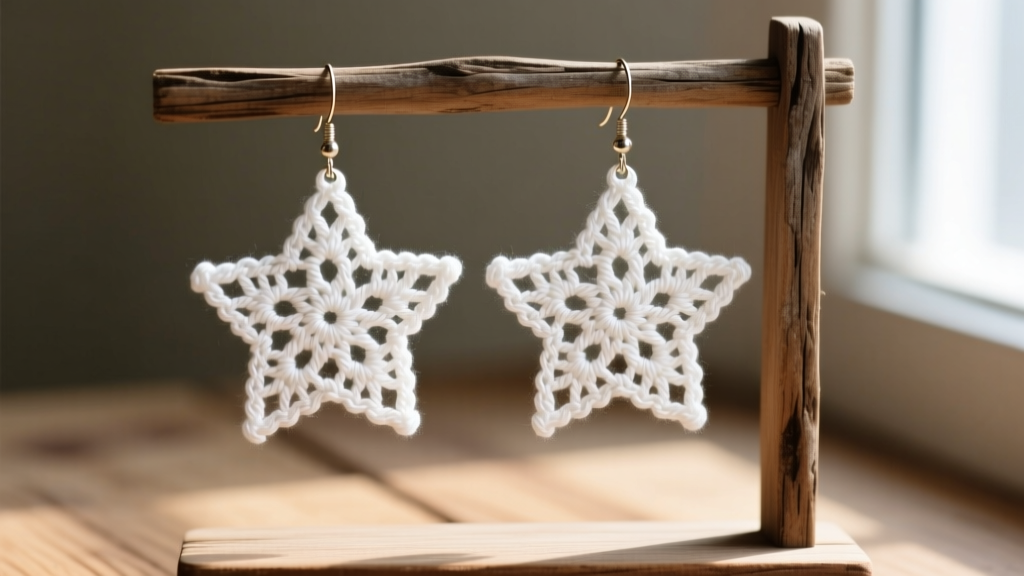
The resurgence of handmade, sustainable fashion has propelled micro-crochet jewelry into the spotlight. As we navigate the style landscape of 2026, artisans and hobbyists alike are turning to thread crochet to create lightweight, intricate, and deeply personal accessories. If you have been searching for crochet earring patterns free of charge, you are about to discover that the barrier to entry is lower than you think, provided you understand the unique material science of thread crochet. Unlike garment crochet, which relies on drape and yarn elasticity, earring crochet demands structural rigidity, precise tension, and hypoallergenic hardware integration. This guide will walk you through the exact specifications, tools, and techniques required to transform simple cotton thread into boutique-quality earwear.
Essential Tools: Steel Hooks and Thread Weights
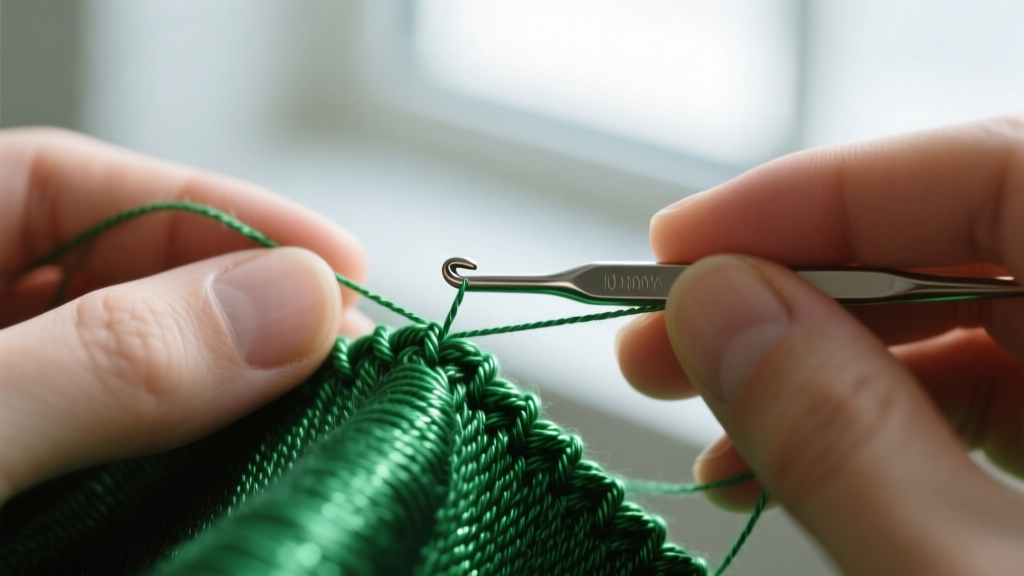
Forget your ergonomic aluminum yarn hooks. Micro-crochet requires high-carbon steel hooks and mercerized cotton threads. Mercerization is a chemical treatment that increases the thread's luster, strength, and affinity for dye, making it ideal for jewelry that must withstand skin oils and friction. Premium brands like DMC Cebelia and Aunt Lydia's Fashion Crochet offer the consistency needed for fine jewelry. According to the Craft Yarn Council, steel hooks are sized inversely to standard hooks—the higher the number, the smaller the hook.
| Thread Size | Steel Hook (mm) | Best Earring Style | Tension Profile |
|---|---|---|---|
| Size 10 | 1.50mm - 1.65mm | Bold dangles, tassels, geometric drops | Medium-Firm |
| Size 20 | 1.00mm - 1.25mm | Intricate mandalas, huggies, floral hoops | Firm |
| Size 30 | 0.60mm - 0.85mm | Micro-lace studs, bridal ear cuffs | Extremely Tight |
Step-by-Step: Executing Your First Pattern
Step 1: The Magic Ring and Tension Control
Most circular earring motifs begin with a magic ring (adjustable loop). When working with Size 20 thread, you must pull the tail tightly after the first round to close the center hole completely. A loose center will distort the geometry of lace patterns. Maintain a "firm but gliding" tension; if your hand cramps, you are gripping the steel hook too tightly. Use a pencil grip rather than a knife grip to reduce fatigue during intricate rounds.
Step 2: Building the Motif with Invisible Joins
When closing a round in circular crochet, avoid the traditional slip stitch join, which creates a visible bump that ruins the symmetry of earring motifs. Instead, use an invisible join: cut the thread, pull it through the top of the last stitch, and thread it onto a blunt tapestry needle. Weave the needle under the top loops of the first stitch of the round, then back down through the top of the last stitch. This creates a seamless, continuous edge essential for professional-looking crochet earring patterns free from amateur tell-tale signs.
Blocking and Stiffening for Structural Integrity
Cotton thread, no matter how tightly crocheted, will curl and warp when exposed to humidity or the weight of jump rings. Blocking and stiffening are non-negotiable steps in jewelry making.
The Archival PVA Stiffener Recipe
Commercial fabric stiffeners can leave a cloudy, white residue on dark threads. For a crystal-clear, archival-grade finish, mix one part PVA glue (like Mod Podge Gloss) with one part distilled water. Submerge your finished, woven-in motif into the solution for two minutes. Gently squeeze out the excess—do not wring. Pin the motif flat onto a high-density foam blocking board using rust-proof T-pins or flexible stainless steel blocking wires for perfectly straight lace edges. Allow it to cure for 24 hours in a low-humidity environment. The result is a rigid, lightweight substrate that mimics the feel of laser-cut acrylic but retains the warmth of handmade fiber.
Attaching Hypoallergenic Findings
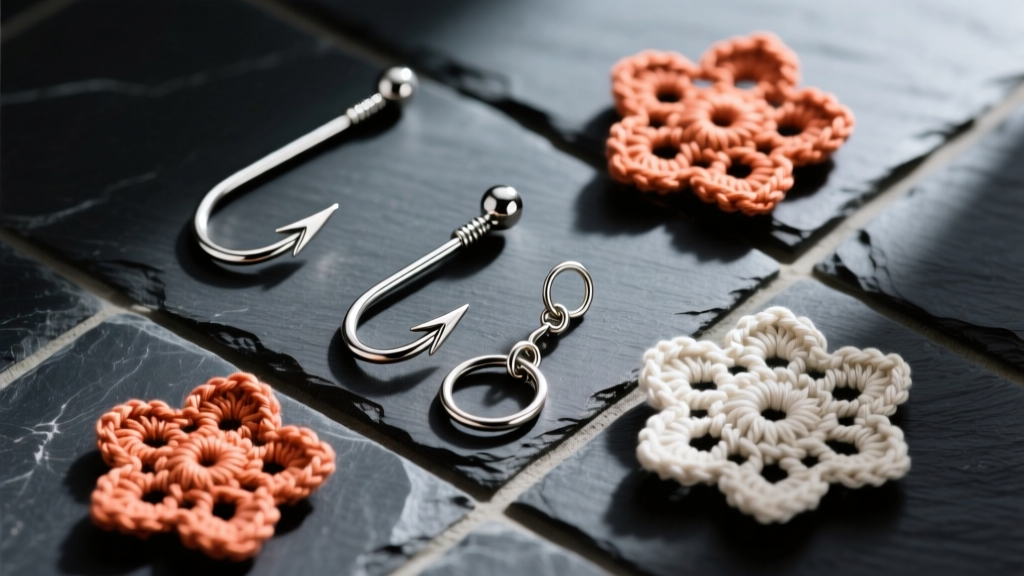
The fastest way to ruin a beautiful crochet motif is to attach it to cheap, nickel-plated hardware. In 2026, consumers and makers prioritize biocompatibility. Always source 316L surgical stainless steel, Grade 2 titanium, or pure niobium ear wires. For dangle earrings, use a 22-gauge fishhook wire. Connect the crochet motif to the ear wire using a 5mm or 6mm jump ring made from 20-gauge wire. Ensure you open the jump ring by twisting it laterally (like a door hinge) rather than pulling it apart, which weakens the metal and distorts the circle.
Troubleshooting Common Micro-Crochet Issues
- Splitting the Thread: Mercerized cotton is tightly plied, but a sharp hook edge can pierce the plies. Ensure your steel hook has a smooth, polished throat. If splitting persists, switch to a slightly larger hook size (e.g., from 1.0mm to 1.15mm).
- Stiffener Residue: If white flakes appear after drying, you used too much glue in your mixture, or the ambient humidity was too high during curing. Lightly brush the residue away with a soft, dry makeup brush.
- Asymmetrical Petals: This occurs when stitch tension varies mid-round. Count your stitches relentlessly. Use stitch markers specifically designed for fine thread (such as tiny locking safety pins) to mark the beginning of each round.
- Jump Ring Fatigue: If your jump rings snap or bend easily, you are likely using dead-soft wire. Always purchase "half-hard" or "hard" tempered jump rings for jewelry findings to ensure they hold their shape under the stress of daily wear.
Where to Source the Best Patterns
While social media offers endless inspiration, structured, tested patterns are crucial for jewelry. Platforms like Ravelry allow you to filter specifically for thread-crochet jewelry, complete with user project photos and modification notes. Additionally, Interweave frequently publishes heritage lace motifs that can be easily adapted into stunning ear cuffs and drops by simply scaling down the thread weight from Size 10 to Size 30.
Care and Maintenance
To keep your crochet earrings looking pristine, store them flat in a jewelry box to prevent the ear wires from snagging the delicate lace. If the cotton thread becomes soiled from skin oils or makeup, gently spot-clean the motif with a cotton swab dipped in mild soapy water, avoiding the metal findings to prevent oxidation. Reapply a thin coat of your PVA stiffener mixture every few years to maintain structural rigidity.
Final Thoughts on Fiber Jewelry
Mastering the art of thread crochet opens up a micro-universe of design possibilities. By respecting the material properties of mercerized cotton, investing in precision steel hooks, and committing to rigorous stiffening and hardware protocols, you elevate simple string into high-end wearable art. The next time you download one of the many crochet earring patterns free online, you will have the technical foundation to execute it flawlessly.


