Espresso Martini Earrings: 2026 Value & Buyer's Guide
Discover the true value of espresso martini earrings in 2026. Compare materials, pricing tiers, and quality checks before you buy.

The Espresso Martini Earring Trend: Novelty or Investment?
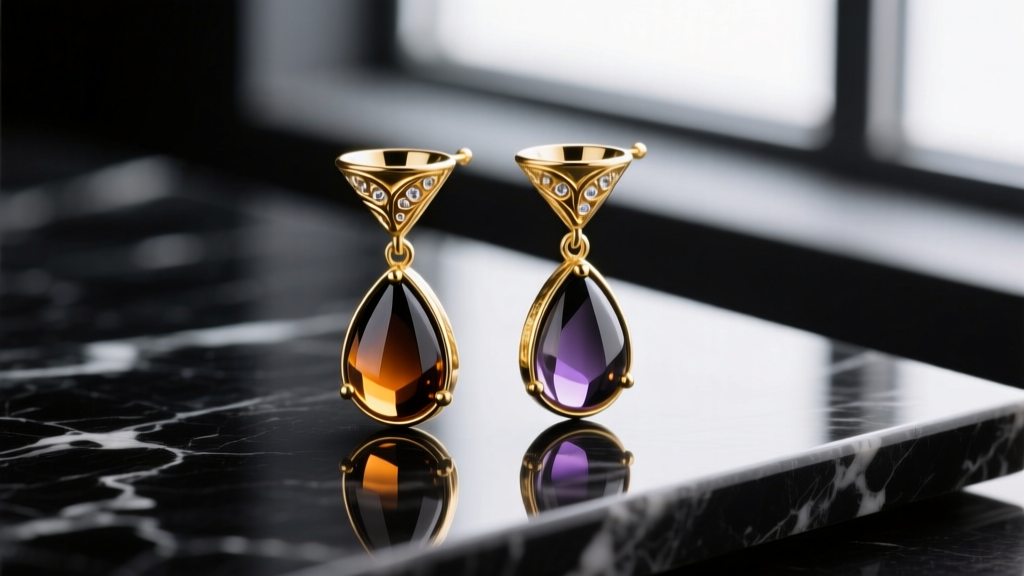
The intersection of cocktail culture and everyday fashion has birthed one of the most playful yet surprisingly nuanced jewelry trends of the decade: espresso martini earrings. What started as a viral novelty item on social media has evolved into a legitimate staple in the wardrobes of jewelry enthusiasts who appreciate a blend of whimsy and sophistication. But as the market floods with options ranging from $12 fast-fashion alloys to $300 artisan-crafted gemstone drops, how do you determine the actual value of these miniature cocktail accessories?
As we navigate the 2026 jewelry market, assessing the value of espresso martini earrings requires looking past the cute facade. You must evaluate the metallurgical integrity of the charm loops, the UV stability of the 'coffee' elements, and the structural soundness of the dangle mechanisms. This guide breaks down the exact materials, pricing matrices, and failure modes you need to know before adding this caffeinated aesthetic to your collection.
Material Breakdown: What Justifies the Price Tag?
The primary value driver for any pair of espresso martini earrings is the material composition of both the 'glass' (the metal setting) and the 'liquid' (the decorative fill). Understanding these components is critical for budget assessment.
The Metal Framework
Budget options typically utilize brass or zinc alloy bases plated with a micro-thin layer of gold or silver. These are prone to oxidization and skin discoloration within months. Mid-tier and luxury options rely on Jewelers of America standardized metals. The gold standard for value in this category is 925 sterling silver or 14k gold vermeil. According to the FTC Jewelry Guidelines, true gold vermeil must feature a sterling silver base plated with at least 2.5 microns of 10k or higher gold. Anything less is merely gold-plated and will wear through to the silver beneath within a year of daily use.
The 'Liquid' Element
The dark, rich color of the espresso martini is achieved through three primary methods, each dictating a different price point:
- Epoxy Resin (Budget): Poured into metal bezels. It offers high clarity but is highly susceptible to UV yellowing and micro-scratches.
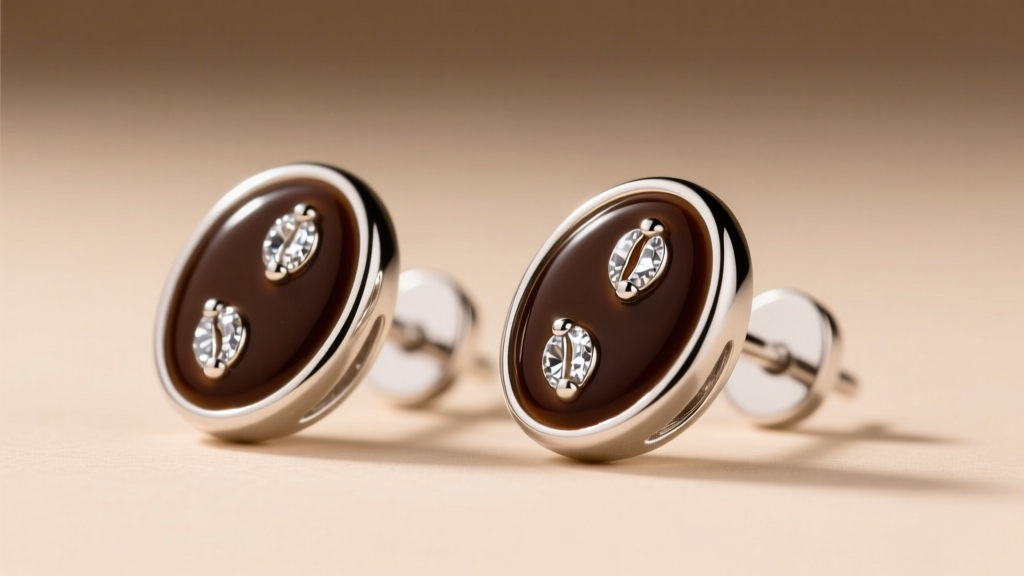
- Vitreous Enamel (Mid-Tier): Fused glass powder fired at high temperatures. It provides a rich, opaque, or translucent finish that will never yellow, though it can chip if dropped on hard surfaces.
- Smoky Quartz & Citrine (Luxury): Precision-cut gemstones shaped like miniature martini glasses or liquid droplets. The Gemological Institute of America (GIA) notes that natural smoky quartz offers exceptional durability (Mohs hardness of 7) and a permanent, naturally occurring brownish-grey hue that perfectly mimics the cocktail without the degradation risks of resin.
2026 Pricing Matrix: Budget vs. Mid-Tier vs. Luxury
To help you benchmark the market, we have compiled a comprehensive value assessment table. Use this matrix to ensure you are paying a fair price based on the manufacturing quality and material grade.
| Tier | Price Range | Primary Metal | 'Liquid' Material | Expected Lifespan | Value Score |
|---|---|---|---|---|---|
| Budget | $15 - $35 | Brass/Zinc Alloy | Epoxy Resin / Acrylic | 6 - 12 Months | Low (High replacement rate) |
| Mid-Tier | $45 - $95 | 925 Sterling Silver | Vitreous Enamel / CZ | 3 - 5 Years | High (Best cost-per-wear) |
| Luxury | $120 - $280 | 14k Gold Vermeil / Solid 14k | Smoky Quartz / Brown Diamonds | Lifetime / Heirloom | Medium (High upfront cost) |
Expert Insight: The mid-tier category currently offers the highest overall value. Sterling silver paired with vitreous enamel provides the necessary durability for daily wear without the premium markup of natural gemstones.
Spotting the Fakes: Quality Control & Failure Modes
When shopping for espresso martini earrings, especially in the dangle or drop styles, structural integrity is just as important as material purity. Here are the specific failure modes to inspect before purchasing:
The Charm Loop Solder Joint
In dangle styles, the miniature martini glass charm hangs from a jump ring or a soldered loop attached to the main earring post. In budget manufacturing, these loops are often merely pinched closed, not soldered. Over time, the weight of the charm will pull the gap open, resulting in a lost earring. Always inspect the connection point under a macro lens or ask the retailer for a close-up photo to ensure the loop is seamlessly soldered or utilizes a heavy-gauge split ring.
Resin Bubble Inclusions and Curing Flaws
If you are buying resin-filled earrings, examine the 'liquid' section under direct light. High-quality casting requires vacuum degassing to remove air bubbles. If you see micro-bubbles trapped near the edges of the metal bezel, it indicates rushed, mass-produced manufacturing. Furthermore, poorly cured resin will feel slightly tacky to the touch and will emit a faint chemical odor, which can cause contact dermatitis on sensitive earlobes.
Post Thickness and Soldering
The earring post must be thick enough to support the weight of a novelty charm but thin enough to fit a standard piercing. Look for 18-gauge (1.0mm) or 20-gauge (0.8mm) posts. The solder joint where the post meets the earring backplate is a common stress point. A weak solder joint will snap if the earring is snagged on a sweater or towel.

Styling & Weight Considerations for Lobe Health
Novelty earrings often prioritize aesthetics over ergonomics, leading to heavy, unbalanced designs. A standard metal and enamel espresso martini dangle can weigh between 6 to 12 grams per earring. While this is well below the 20-gram threshold that typically causes immediate lobe tearing, prolonged wear of front-heavy dangles can lead to gradual lobe stretching and 'earring droop'.
Actionable Advice for Heavy Dangles:
- Use Silicone O-Ring Backs: Discard the standard butterfly friction backs that come with heavy dangles. Replace them with flat, disc-style silicone backs or O-rings. These distribute the weight across a wider surface area of the earlobe, preventing the post from digging into the skin.
- Opt for Huggie or Stud Variations: If you plan to wear your espresso martini earrings for 8+ hours, choose stud or huggie styles where the charm sits flush against the earlobe, eliminating the pendulum effect that stresses the piercing channel.
- Check the Center of Gravity: Hold the earring by the post. If the charm swings wildly and fails to hang straight, the design is poorly balanced and will constantly pull on your piercing.
Final Verdict: Where to Spend and Where to Save
The espresso martini earring trend is a testament to the fact that jewelry can be both deeply personal and delightfully playful. However, treating them as disposable fast-fashion accessories is a poor financial decision. Avoid the $15 alloy-and-resin traps that will inevitably turn your skin green and yellow in the sun.
Instead, allocate a budget of $50 to $90 for a pair crafted from solid 925 sterling silver with vitreous enamel or cubic zirconia accents. This ensures you receive a hypoallergenic, structurally sound piece that maintains its rich, coffee-inspired aesthetic for years to come. If you are a dedicated collector or seeking an heirloom piece, investing in 14k gold and natural smoky quartz is a brilliant choice that elevates a trendy novelty into a timeless conversation starter.


