Fendi Earring Troubleshooting: Authenticity & Repairs
Troubleshoot common Fendi earring issues. Learn how to authenticate hallmarks, fix stuck omega clasps, and restore gold-plated luxury finishes safely.

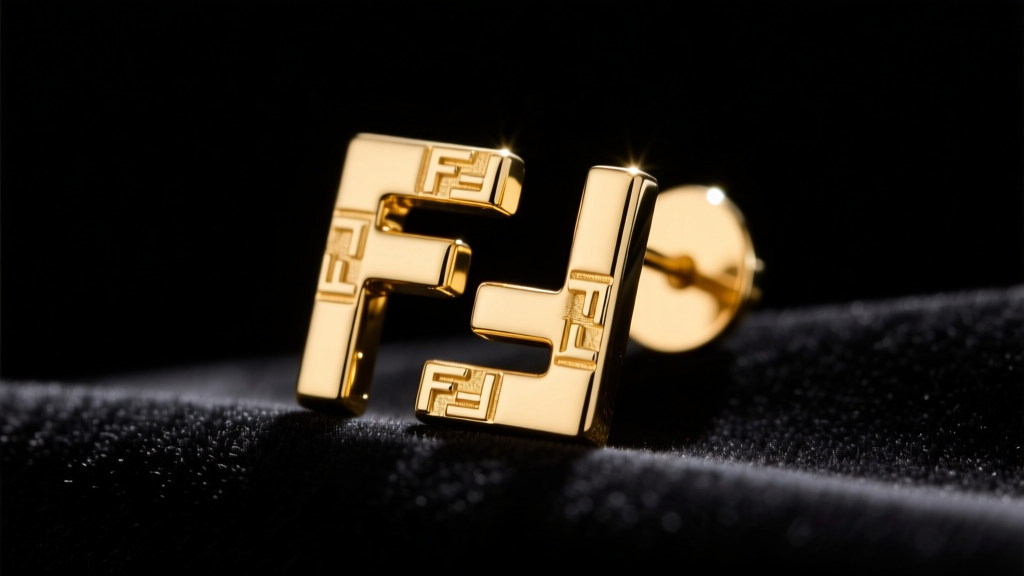
Owning a pair of luxury Fendi earrings is an investment in Italian craftsmanship, bold design, and timeless style. However, whether you are navigating the booming 2026 secondary market for vintage 1990s Zucca hardware or maintaining a brand-new pair from the O'Lock collection, luxury jewelry requires specialized care. Counterfeiters have become increasingly sophisticated, and the mechanical components of high-end earrings—like omega backs and intricate hinges—are prone to specific wear-and-tear issues that generic jewelers often mishandle.
This comprehensive troubleshooting guide addresses the most common problems Fendi earring owners face. From verifying authenticity through microscopic hallmark analysis to repairing stuck clasps and reversing metal tarnish without damaging delicate cold enamel, we provide actionable, expert-level solutions to protect your investment.
The Anatomy of a Fendi Earring: Materials and Construction
Before attempting any repairs or cleaning, you must understand the base materials Fendi utilizes. Unlike fine jewelry houses that exclusively use solid 18k gold or platinum, Fendi's fashion and demi-fine earring lines frequently employ a brass or sterling silver base metal, heavily plated with 18k yellow gold, palladium, or ruthenium.
The iconic Baguette and Kan I motif earrings often feature cold enamel or resin inlays. These materials are highly sensitive to heat, ultrasonic vibrations, and harsh chemicals. Attempting to clean a Fendi earring using standard commercial jewelry dips will instantly strip the gold plating and cloud the enamel, resulting in irreversible damage. Understanding these material boundaries is the first step in effective troubleshooting.
Troubleshooting 1: Authenticity Verification and Spotting Fakes
With the resurgence of Y2K and 1990s Fendi archives dominating 2026 fashion trends, the market is flooded with high-quality counterfeits. Authenticating a Fendi earring requires looking past the obvious double-F logo and examining the structural hallmarks and hardware weight.
Hallmark and Stamp Analysis
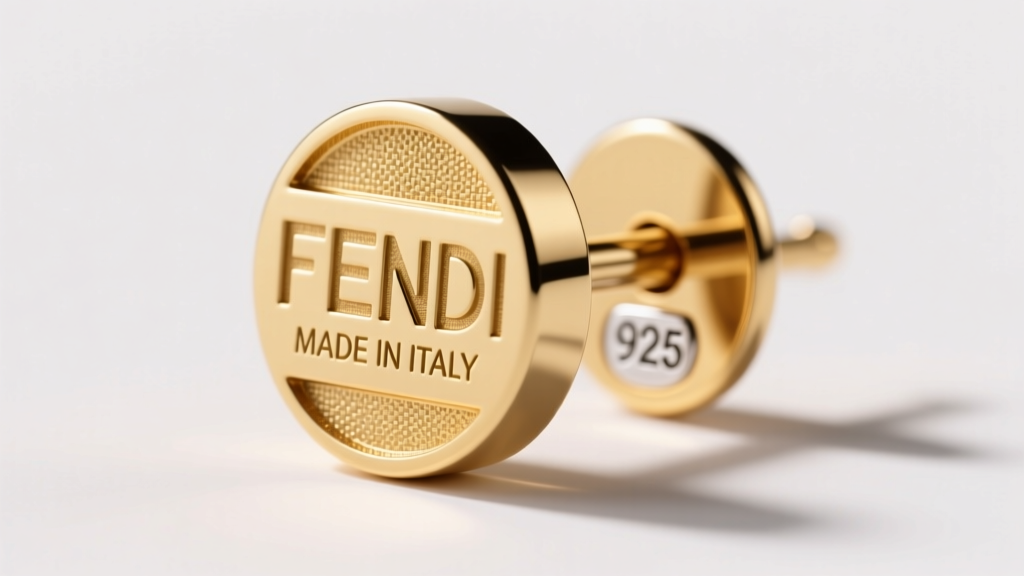
Authentic Fendi earrings feature precise, deeply struck or laser-engraved hallmarks. You should look for the 'FENDI' stamp, the 'MADE IN ITALY' designation, and a metal purity mark (such as '925' for sterling silver or '750' for 18k gold). According to GIA's guide on gold jewelry marks, authentic Italian hallmarks are strictly regulated and feature crisp, uniform font spacing. Counterfeits often use shallow, poorly aligned stamps with generic sans-serif fonts.
Weight and Hardware Tolerances
Fendi uses high-density brass or solid silver for their base metals. Fakes often feel suspiciously lightweight due to the use of hollow zinc alloys. Furthermore, examine the earring post. Authentic Fendi posts are typically 18-gauge or 20-gauge, seamlessly soldered to the base plate with no visible glue or rough welding marks.
| Trait | Authentic Fendi Earring | Counterfeit Fendi Earring |
|---|---|---|
| Hallmark Font | Crisp, deep, uniform spacing, specific serif/sans-serif hybrid | Shallow, laser-etched, generic font, uneven spacing |
| Base Metal Weight | Heavy, dense brass or solid sterling silver | Lightweight, hollow-feeling zinc or pot metal alloy |
| Clasp Mechanism | Smooth omega backs or secure butterfly clutches with Fendi stamp | Flimsy wire clips, unbranded friction backs, loose hinges |
| Enamel/Resin Work | Flush with metal borders, no bubbling, rich opaque color | Spills over metal edges, cloudy, visible air bubbles |
Troubleshooting 2: Clasp and Mechanism Failures
Heavy statement pieces, such as the Fendi First or large O'Lock chain link earrings, rely on omega backs (French clips) or heavy-duty hinged clasps to distribute weight across the earlobe. These mechanisms are prone to specific mechanical failures.
Fixing Stuck or Loose Omega Backs
If your omega back no longer grips the earlobe securely, the tension wire has likely been bent outward from repeated use. Do not use standard steel jewelry pliers, as they will mar the gold plating. Instead, use nylon-jaw pliers. Gently squeeze the tension loop of the omega wire inward by less than a millimeter. Test the snap closure. If the hinge itself is clogged with lotion or debris, use a wooden toothpick and a drop of isopropyl alcohol to clear the pivot point—never use metal needles.
Replacing Lost Friction Backs
If you lose a branded Fendi butterfly friction back, do not replace it with a cheap plastic or base-metal alternative. The friction notch on an authentic Fendi post is engineered to specific tolerances. Source an 18k gold-plated or sterling silver replacement back with a silicone interior core to ensure a secure grip without wearing down the post's notch over time.
Troubleshooting 3: Metal Tarnish and Plating Wear
Because many Fendi earrings feature gold-plated brass or silver, exposure to humidity, cosmetics, and skin acidity will eventually cause tarnishing or plating wear, particularly on the posts and clasp areas.
Safe Cleaning Protocols for Plated Fendi Jewelry
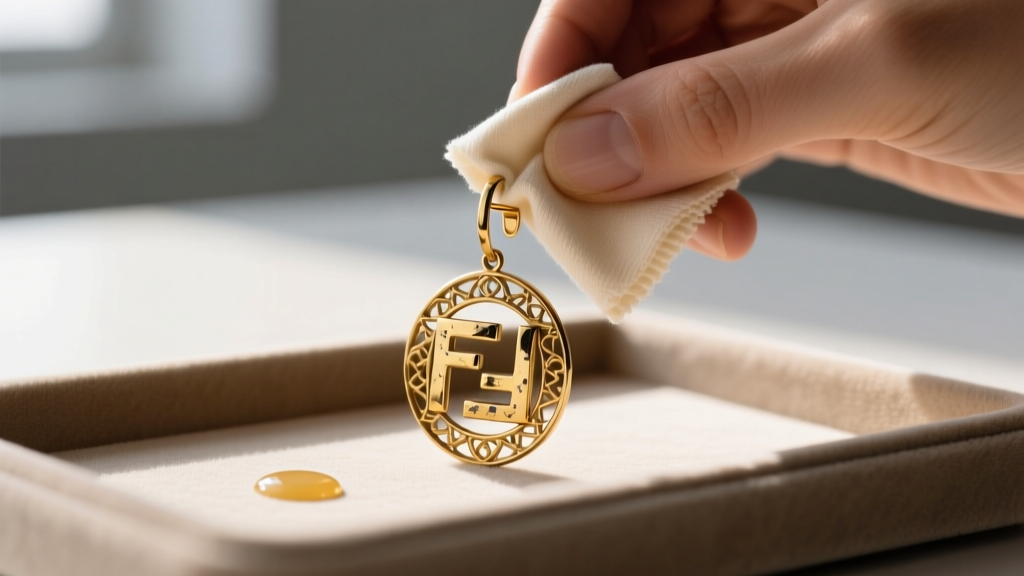
Never use ultrasonic cleaners, ammonia-based solutions, or silver dip chemicals on Fendi earrings. Ultrasonic waves will shatter cold enamel and loosen crystal pavé settings. Ammonia will instantly strip rhodium and gold plating.
- For Gold-Plated Brass: Use a dry, ultra-soft microfiber cloth. If heavy oils are present, use a barely damp cloth with a single drop of mild, phosphate-free dish soap, then dry immediately.
- For Sterling Silver Bases: Use a specialized non-abrasive silver polishing cloth that contains anti-tarnish agents. Rub gently in one direction to avoid micro-scratches on the palladium or ruthenium finishes.
- For Enamel Details: Clean only with a dry, soft-bristled makeup brush to dust away debris from the crevices.
When to Seek Professional Fendi Boutique Repair
While minor clasp adjustments and surface cleaning can be done at home, structural failures require professional intervention. If an earring post has snapped off the base plate, or if the gold plating has entirely worn away to reveal the brass underneath, do not take it to a local mall jeweler. Third-party soldering will burn off the surrounding plating and enamel, and they cannot source proprietary Fendi hardware.
Instead, utilize Fendi's Official Repair Services through their boutique network. Fendi's master jewelers have access to original OEM clasps, matching enamel pigments, and proprietary replating vats that ensure your earrings are restored to factory specifications. For vintage pieces purchased from the secondary market, authentication and restoration experts like The RealReal can also provide valuable insights into identifying period-correct hardware before you attempt any modifications.
By understanding the specific mechanics and materials of your Fendi earrings, you can troubleshoot common issues confidently, ensuring your luxury pieces remain flawless and secure for years to come.


