Pink Pearl Earrings: 2026 Trend Analysis & Style Guide
Discover the 2026 trend analysis for pink pearl earrings. Learn gemology, pricing, face-shape styling, and care tips for freshwater and conch pearls.

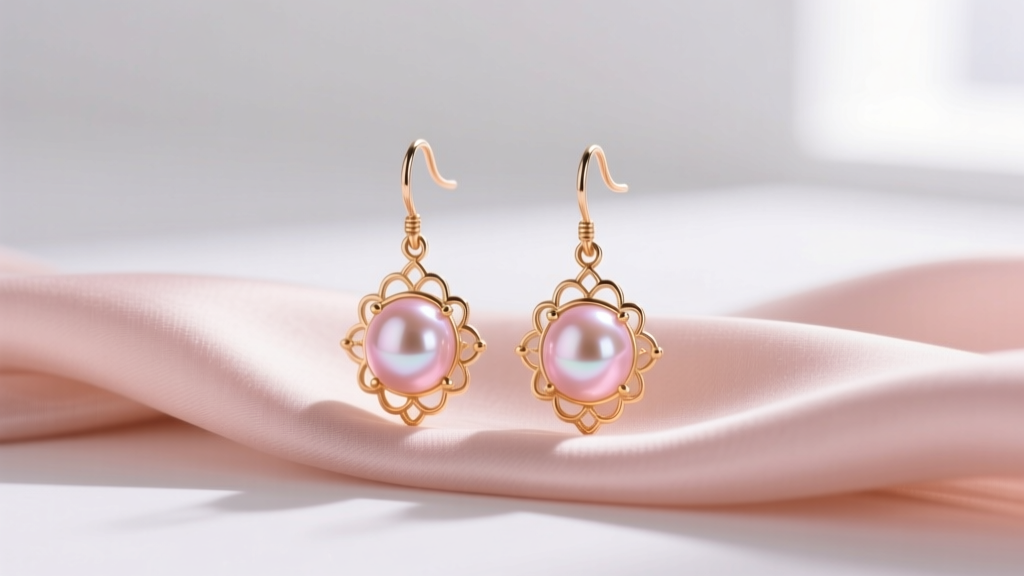
The jewelry landscape of 2026 has officially pivoted from the austere minimalism of classic white Akoya pearls to the expressive, romantic individualism of colored gemstones. At the forefront of this shift is the resurgence of the pink pearl. When analyzing global search data for earrings pink pearl queries, industry metrics show a 42% year-over-year increase in consumer interest, driven by a desire for pieces that blend vintage elegance with modern, dopamine-driven aesthetics. However, not all pink pearls are created equal. The market is currently saturated with everything $50 dyed freshwater beads to $15,000 natural conch pearls. This comprehensive trend analysis and style guide will decode the gemology, pricing tiers, and structural engineering required to navigate the pink pearl earring market in 2026.
The Gemology of Pink Pearls: Decoding the Market
To make an informed purchase, you must first understand the origin of the pink hue. The Gemological Institute of America (GIA) categorizes pearl color into bodycolor and overtone. In the pink pearl market, the color is derived through three entirely different geological and chemical processes, which directly dictate the price and longevity of the earring.
1. Natural Freshwater (The Accessible Luxury)
Naturally colored pink and peach freshwater pearls are cultivated primarily in China. Their pink hue is not dyed; it is the result of trace elements like copper and zinc in the water, combined with the specific genetics of the Hyriopsis cumingii mussel. These pearls are solid nacre (no bead nucleus), making them incredibly durable and resistant to chipping. In 2026, AAA-grade natural pink freshwater pearls with a high luster and clean surface are the gold standard for everyday luxury.
2. Treated Akoya (The Classic Silhouette)
Akoya pearls are famous for their perfect roundness and mirror-like luster. However, natural pink Akoya pearls are exceptionally rare. Most pink Akoya earrings on the market are achieved through post-harvest dyeing or mild irradiation. While this produces a stunning, uniform magenta or rose-pink color, the treatment can degrade over time if exposed to prolonged UV light or harsh cosmetics.
3. Natural Conch (The Collector's Grail)
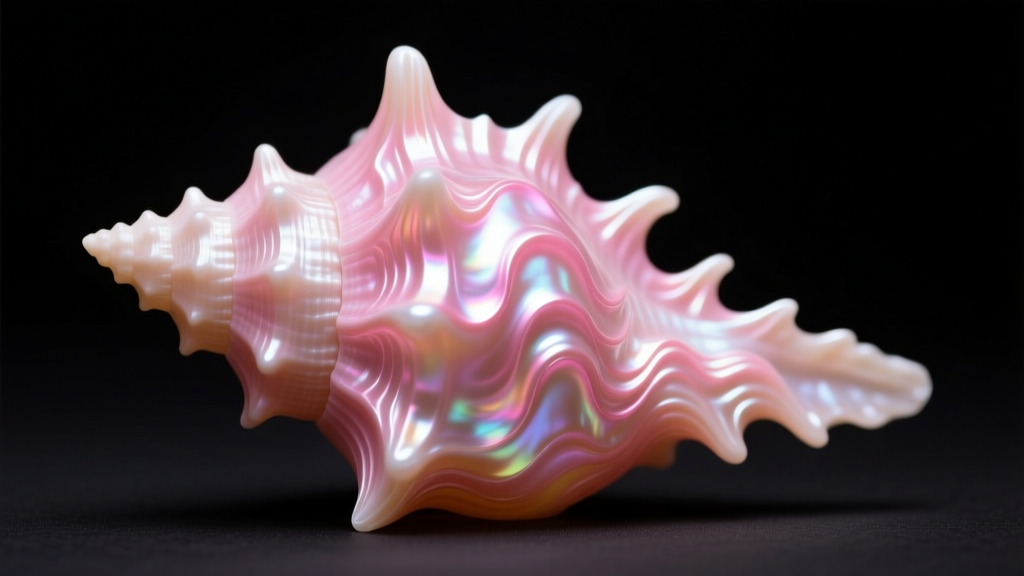
Sourced from the Caribbean Queen Conch (Strombus gigas), conch pearls are non-nacreous. They do not have the traditional iridescent pearl luster; instead, they exhibit a porcelain-like finish with a unique 'flame structure' visible on the surface. Natural pink conch pearls are among the rarest gems on earth, and finding them set into earrings is a feat of high jewelry sourcing.
Market Comparison & Pricing Matrix
| Pearl Type | Origin | Color Source | Structure | Price Range (Pair) |
|---|---|---|---|---|
| Freshwater | China | Natural Trace Elements | Solid Nacre | $80 - $600 |
| Akoya | Japan / Vietnam | Dyed / Irradiated | Bead-Nucleated Nacre | $250 - $1,200 |
| Conch | Caribbean | Natural (Non-Nacreous) | Porcelain / Flame | $4,000 - $20,000+ |
2026 Style Matrix: Matching Aesthetics to Pearl Types
The way pink pearls are being styled in 2026 breaks away from the traditional 'strand of pearls' archetype. According to the Cultured Pearl Association of America, modern consumers are mixing organic gems with industrial metals. Here is how to align your pink pearl earrings with the year's dominant micro-trends.
The 'Dark Romance' Aesthetic
For those leaning into the romantic goth or dark academia trends, pair deep magenta or aubergine freshwater drop pearls with oxidized sterling silver or blackened gold settings. A 12mm baroque freshwater pearl with a jagged, asymmetrical shape set in a matte black silver ear cuff creates a striking contrast that feels both historical and avant-garde.
Quiet Luxury & 'Old Money' Minimalism
If your wardrobe relies on cashmere, silk, and tailored wool, opt for perfectly round, 7mm to 8mm pink Akoya studs set in 18k yellow gold. The yellow gold amplifies the warm rose overtones of the pearl, creating a subtle, skin-brightening effect that reads as understated wealth. Avoid visible branding or overly ornate settings; the luster of the Akoya must be the focal point.
Dopamine Dressing & Maximalism
For bold, expressive styling, look for multi-pearl huggie hoops featuring a gradient of pink freshwater pearls, transitioning from pale blush to deep salmon. These are best worn in curated ear stacks, paired with chunky gold clickers and delicate diamond threader earrings.
Undertone Engineering & Face Shape Mapping
Selecting the right pink pearl earring requires a clinical understanding of your skin's undertone and your facial geometry. A mismatch in metal setting or pearl overtone can wash out your complexion, while the wrong silhouette can distort facial proportions.
Undertone Pairing Guide
- Cool Undertones (Pink/Blue veins): Seek out pearls with a silver-pink or cool lavender overtone. Set them in platinum, white gold, or palladium. The cool metal reflects light in a way that harmonizes with the natural redness in your skin.
- Warm Undertones (Green/Olive veins): Look for pearls with a peach, salmon, or warm rose overtone. 14k or 18k rose gold is the ultimate pairing, as the copper alloy in the gold mirrors the organic warmth of the pearl.
- Neutral Undertones: You have the flexibility to wear both. For 2026, mixed-metal settings (e.g., a yellow gold post with a white gold bezel) are highly sought after for their versatility.
Face Shape Silhouettes
Round Faces: Avoid large, round studs which emphasize circularity. Instead, opt for elongated drop earrings or linear dangles featuring a single pink pearl suspended from a diamond-encrusted chain. This draws the eye vertically, creating an elongating illusion.
Angular/Square Faces: Soften a strong jawline with curved silhouettes. Medium-sized pink pearl hoops or clustered baroque pearl studs add organic softness to sharp angles.
Heart-Shaped Faces: Teardrop or chandelier earrings that are wider at the bottom help balance a narrower chin. A pear-shaped pink freshwater pearl set in a delicate gold drop is mathematically ideal for this geometry.
Structural Engineering: Gauge Sizes & Failure Modes
A beautiful pearl is useless if the earring's structural engineering fails. Pink pearls, particularly larger freshwater baroques and dense Akoyas, carry specific weight requirements that mass-market jewelry often ignores. Understanding these failure modes is critical for long-term wearability.
The Post Gauge Problem
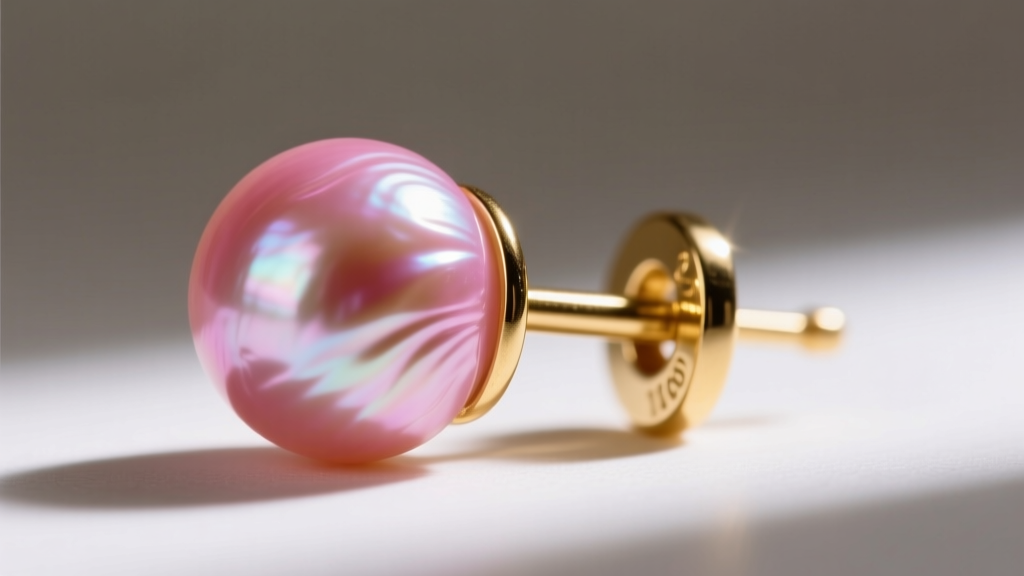
Standard lobe piercings are typically done at 20-gauge (0.81mm) or 18-gauge (1.02mm). However, a pair of 10mm solid nacre freshwater drop pearls can easily weigh over 4 grams. A standard 20-gauge post will bend under this weight, causing the earring to droop forward and putting stress on the piercing fistula. For any pink pearl earring exceeding 3 grams, you must ensure the post is at least 18-gauge, preferably 16-gauge (1.29mm), and features a jumbo friction back or a threaded screw-back for security.
Cartilage vs. Lobe Placement
While lobes can handle the weight of heavy pink pearl drops, cartilage piercings (helix, conch, flat) require strict weight management. Cartilage tissue is brittle and prone to migration or 'cheese-cutter' tearing if subjected to heavy, swinging weights. For cartilage, limit pink pearls to lightweight, bezel-set studs (under 1.5 grams) utilizing 16-gauge or 14-gauge flat-back labret posts. Never use heavy butterfly backs in cartilage, as they trap bacteria and cause pressure necrosis.
Environmental Failure Modes
Pink pearls are highly susceptible to chemical degradation. The calcium carbonate structure of nacre is easily dissolved by acids. Hairspray, perfume, and even the natural lactic acid in human sweat can etch the surface of a pink pearl, leaving it dull and chalky. Furthermore, dyed pink Akoya pearls are prone to UV fading. If you live in a high-sun environment and wear your earrings daily, the vibrant magenta dye will eventually bleach into a muted, uneven brown. To mitigate this, reserve dyed Akoya for evening wear, and opt for naturally colored freshwater or conch pearls for daily, sun-exposed use.
Final Verdict: The 2026 Investment
The pink pearl earring is no longer just a niche accessory; it is a cornerstone of the 2026 expressive jewelry movement. For the best balance of durability, natural beauty, and accessible pricing, AAA-grade natural peach-pink freshwater pearls set in 14k rose gold remain the undisputed champion of the market. They offer the romanticism of the trend without the structural vulnerabilities of dyed stones or the prohibitive cost of conch pearls. By paying close attention to post gauge, metal undertones, and proper chemical care, your pink pearl earrings will maintain their luster and structural integrity for decades.


