Fern Earrings Troubleshooting: Fix Snags, Tarnish, and Lobe Sag
Fix common fern earring problems. Learn expert troubleshooting for snagging, silver tarnish, enamel chips, and lobe sagging with botanical jewelry.

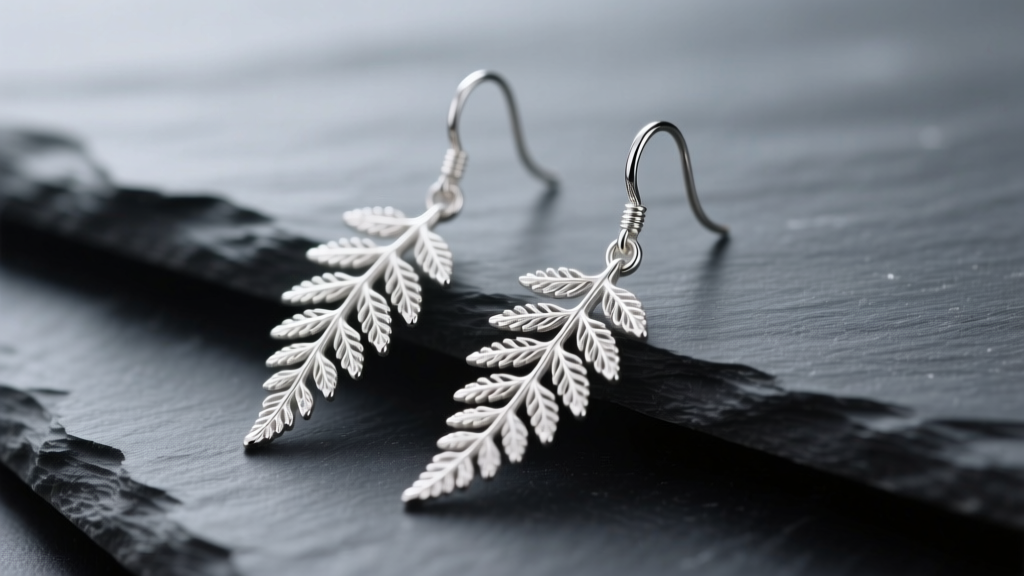
The Unique Challenges of Botanical Fern Earrings
Botanical jewelry remains a dominant force in accessory design, with fern earrings standing out for their delicate, fractal-like beauty. However, the very anatomy that makes pinnate fern designs so captivating—the intricate, repeating leaflets (pinnules) and deep openwork filigree—creates distinct structural and maintenance vulnerabilities. Whether you own 925 sterling silver, 14k gold vermeil, or enameled brass fern dangles, these pieces require specialized care. The high surface-area-to-volume ratio of fern fronds accelerates oxidation, while the sharp micro-edges of stamped or cast leaflets frequently catch on hair and textiles. This comprehensive troubleshooting guide addresses the most common failure modes of fern earrings and provides actionable, jeweler-approved solutions.
Troubleshooting Snagging and Hair Catching
The most frequent complaint with intricate fern drop earrings is snagging. This occurs because the manufacturing process—whether die-striking or lost-wax casting—often leaves microscopic burrs or sharp angles on the tips of the fern pinnules. When these catch on silk blouses, knit sweaters, or fine hair, they can pull threads or bend the delicate metalwork.
The Jewelers' Filing and Polishing Method
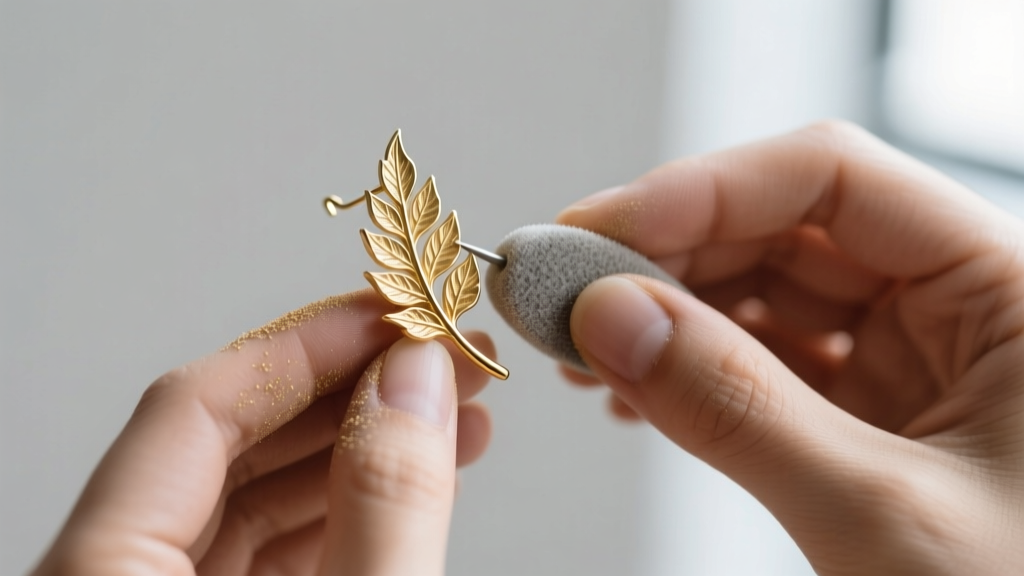
To permanently resolve snagging without altering the design's silhouette, you must smooth the micro-burrs. Do not use standard nail files, as their aggressive grit will scratch the metal. Instead, use a 400-grit to 600-grit sanding sponge or a specialized jeweler's polishing cloth impregnated with rouge.
- Step 1: Secure the earring on a soft jeweler's bench pad to prevent bending the main stem.
- Step 2: Lightly run the 600-grit sponge over the edges of the fern leaflets, focusing only on the outer perimeter where snags occur.
- Step 3: Follow up with a micro-mesh polishing pad to restore the shine to the smoothed edges.
The Clear Silicone Barrier Hack
If your fern earrings feature mixed media (such as oxidized silver with delicate patinas that you do not want to polish away), apply a micro-layer of clear, jewelry-safe silicone conformal coating or a high-quality clear nail polish to the sharp edges. This creates a flexible, invisible buffer that prevents snagging while preserving the underlying metal texture. Reapply every six months as the coating wears off from friction.
Solving Tarnish in Recessed Fern Fronds
Sterling silver (925) and brass fern earrings are highly susceptible to tarnish. According to the Gemological Institute of America (GIA), silver tarnish is primarily silver sulfide, which forms when silver reacts with sulfur compounds in the air and human perspiration. Because fern designs feature deep recesses and overlapping fronds, moisture and sulfur-trapping oils accumulate in the crevices, causing rapid, localized blackening that standard polishing cloths cannot reach.
Comparison of Tarnish Removal Methods for Intricate Designs
| Method | Best For | Risk Level | Effectiveness in Crevices |
|---|---|---|---|
| Ultrasonic Cleaner (2026 Models) | Solid silver/brass without stones | Medium (can loosen glue) | High |
| Electrochemical Reduction (Foil/Baking Soda) | Heavy silver sulfide buildup | Low (safe for most metals) | Very High |
| Chemical Silver Dips (Thiourea-based) | Quick surface cleaning | High (strips patina, toxic) | High |
| Manual Brushing with Silver Foam | Light surface tarnish | Low | Low (brush cannot reach deep recesses) |
The Electrochemical Reduction Protocol
For deep-set tarnish in fern filigree, electrochemical reduction is the safest and most thorough method. It reverses the chemical reaction, converting silver sulfide back into silver without removing any base metal.
- Line a glass bowl with aluminum foil, shiny side up.
- Place the fern earrings on the foil, ensuring the metal touches the aluminum.
- Sprinkle two tablespoons of baking soda and a tablespoon of sea salt over the jewelry.
- Pour boiling water into the bowl until the earrings are submerged. You will smell sulfur (rotten eggs) as the ion transfer occurs.
- After 5 minutes, remove with wooden tongs, rinse in distilled water, and dry with a microfiber cloth.
Note: Never use this method on fern earrings featuring porous gemstones like turquoise, opals, or pearls, as the heat and alkalinity will destroy them.
Fixing Lobe Sagging from Heavy Drop Ferns
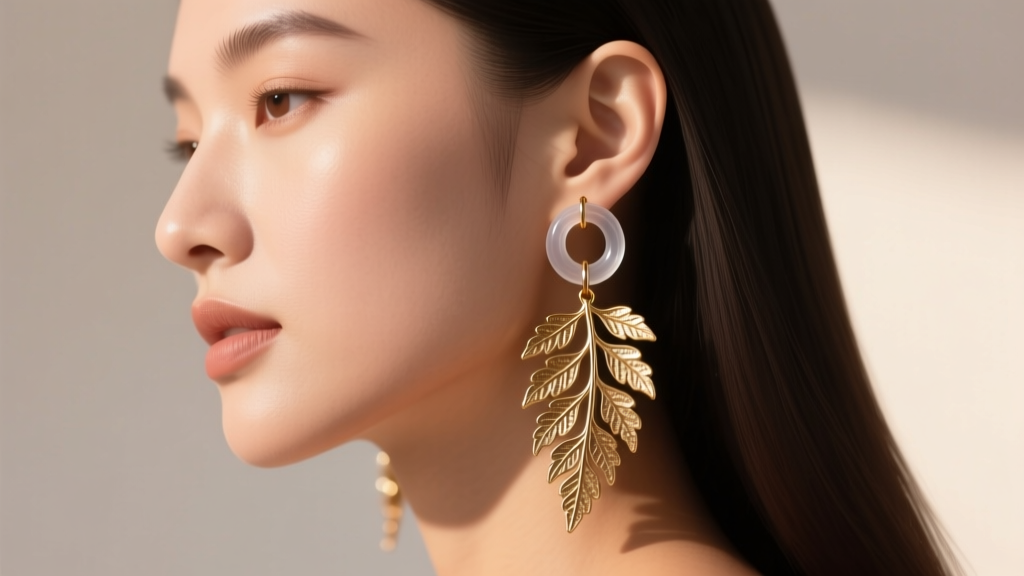
Fern earrings, particularly those cast in solid brass or featuring elongated frond drops, can weigh between 8 and 15 grams per earring. When suspended from a standard 20-gauge (0.81mm) post, this weight creates a significant moment of force on the earlobe fistula. Over time, this lever effect stretches the piercing, causing the earring to droop forward and the lobe to sag.
Upgrading the Suspension System
To troubleshoot lobe sagging, you must alter the earring's center of gravity or increase the surface area supporting the weight. Professional jewelers at Rio Grande often recommend upgrading the earring backs or modifying the post gauge for heavy botanical drops.
- Silicone O-Ring Stoppers: Replace standard butterfly clutches with wide, flat silicone O-rings. The broader surface area distributes the weight across a larger portion of the back of the earlobe, reducing localized pressure.
- Levears or Blister Backs: These specialized earring backs feature a wide, concave plastic or silicone disc that acts as a lever, physically pushing the heavy fern drop upward to keep it perpendicular to the ground.
- Earlobe Support Patches: Adhesive, invisible support patches (like LobeWonder) applied to the back of the earlobe provide a reinforced anchor point, preventing the 20G post from slicing through stretched tissue.
Post Gauge Considerations for Custom Designs
If you are commissioning custom fern earrings or having a jeweler modify an existing pair, request an 18-gauge (1.02mm) or 16-gauge (1.29mm) post for any drop exceeding 10 grams. The marginal increase in thickness exponentially increases the structural rigidity of the post, preventing it from bending under the weight of the frond.
Repairing Chipped Enamel on Fern Leaf Designs
Many botanical earrings utilize green enamel to mimic the vibrant hue of living ferns. This is typically achieved through champlevé (enamel set into carved recesses) or plique-à-jour (stained-glass style enamel without a backing). Enamel is essentially fused glass, making it brittle and prone to chipping if dropped on hard surfaces.
Identifying the Enamel Type
Before attempting a repair, you must identify whether the earring uses vitreous (kiln-fired) enamel or cold (epoxy/resin) enamel. Vitreous enamel feels like glass, is highly durable, and requires temperatures exceeding 1400°F to fuse. Cold enamel is essentially a hardened, tinted jewelry resin.
If your fern earring features cold enamel, you can troubleshoot chips at home using a two-part jewelry epoxy tinted with mica powders to match the original green hue. Mix the resin, apply it to the chipped recess using a fine needle or toothpick, and cure it under a UV lamp. Once hardened, wet-sand the surface with 1200-grit paper and polish it to a gloss. Vitreous enamel chips, however, cannot be patched with resin if you want a permanent, seamless repair; they must be sent to an enamelest who will clean out the recess and re-fire the glass powder in a kiln.
When to See a Professional Jeweler
While snagging, tarnish, and sagging can be managed at home, structural failures require professional intervention. If the main stem of your fern earring snaps, or if the post shears off at the solder joint, do not attempt to glue it. Cyanoacrylate (super glue) lacks the shear strength to support the dynamic movement of a drop earring and will leave a messy residue that makes subsequent laser welding impossible.
A professional jeweler will use a laser welder to fuse the broken silver or gold components. Laser welding is highly precise and generates minimal heat, ensuring that the delicate fern pinnules and any heat-sensitive gemstones are not damaged during the repair process. Regular maintenance and mindful storage in anti-tarnish bags will ensure your botanical pieces remain as vibrant and structurally sound as the ferns that inspired them.


