The Ultimate Guide to Choosing Your First Mens Silver Hoop Earring
Discover how to choose the perfect mens silver hoop earring. Learn about gauge sizes, sterling vs. Argentium silver, and styling tips for beginners.

Introduction: The Resurgence of the Silver Hoop
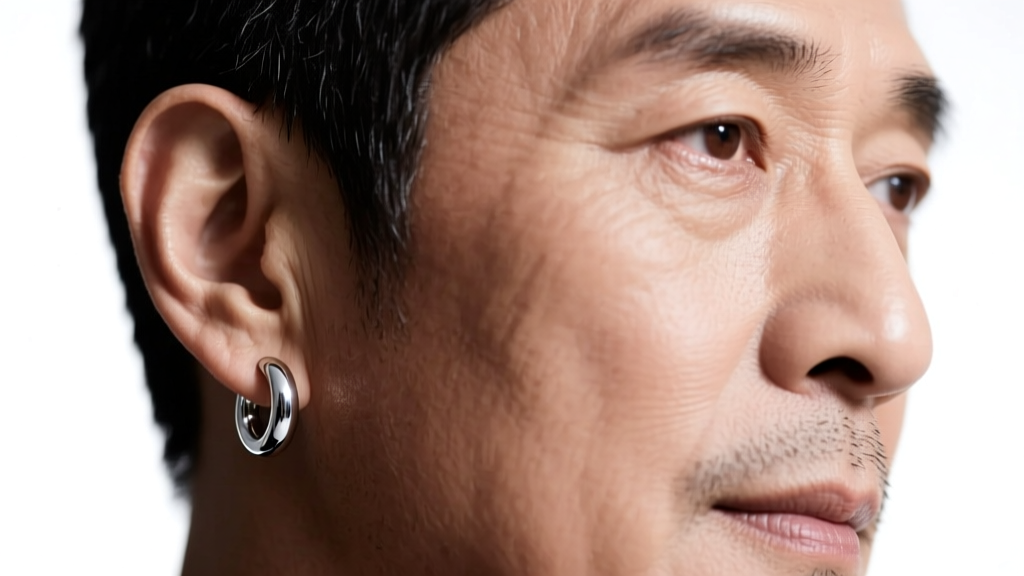
As we navigate the refined, minimalist jewelry trends of 2026, the mens silver hoop earring has cemented its status as a foundational accessory. Gone are the days when men's earrings were limited to bulky novelties or overly flashy designs. Today, a well-chosen silver hoop offers a subtle edge, bridging the gap between classic menswear and contemporary street style. Whether you are stepping into the world of men's jewelry for the first time or looking to upgrade from a basic starter stud, understanding the metallurgy, sizing, and mechanics of hoop earrings is crucial. This beginner-friendly explainer will walk you through the exact specifications you need to make an informed, stylish, and comfortable choice.
Decoding Silver: Sterling vs. Argentium vs. Plated
Not all silver is created equal. When shopping for a mens silver hoop earring, the material grade dictates not only the price but also how the metal interacts with your skin and the environment. Understanding these differences will save you from allergic reactions and premature tarnishing.
| Silver Type | Composition | Tarnish Resistance | Best For | Price Range |
|---|---|---|---|---|
| .925 Sterling Silver | 92.5% Silver, 7.5% Copper | Low (Requires polishing) | Everyday wear, healed lobes | $25 - $80 |
| .960 Argentium Silver | 96% Silver, Germanium alloy | High (Highly resistant) | Sensitive skin, low maintenance | $45 - $120 |
| Silver-Plated | Brass/Copper base, silver coat | Very Low (Wears off) | Temporary fashion, avoid for fresh piercings | $10 - $25 |
| Rhodium-Plated Sterling | .925 base, rhodium flash | Medium (Until plating wears) | High-shine finish, white-gold look | $40 - $100 |
According to the Gemological Institute of America (GIA), the copper added to sterling silver to increase its hardness is exactly what causes it to react with sulfur in the air and sweat, creating silver sulfide (tarnish). If you have acidic sweat or live in a humid climate, investing in Argentium silver is highly recommended, as the germanium alloy creates a transparent, anti-tarnish barrier on the metal's surface.
Sizing and Gauge: Getting the Fit Right
The two most critical measurements for any hoop earring are the inner diameter (ID) and the wire gauge (thickness). Getting these wrong can lead to discomfort, migration, or an unbalanced aesthetic.
Understanding Wire Gauge (Thickness)
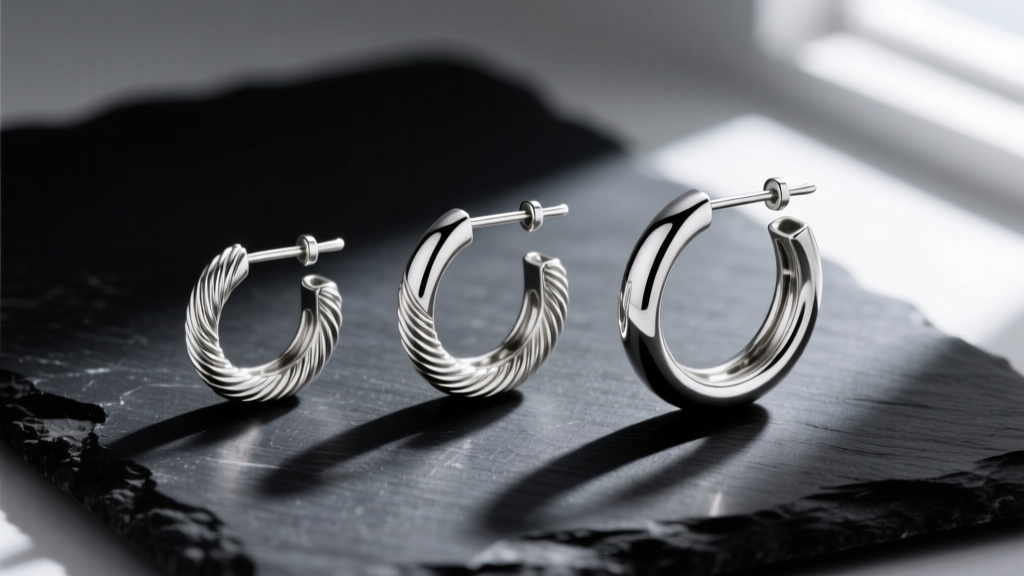
In the jewelry world, gauge works inversely: the higher the number, the thinner the wire. The Association of Professional Piercers (APP) provides strict guidelines on gauge sizes to prevent the 'cheese-cutter effect,' where a wire that is too thin slowly slices through the tissue.
- 22G (0.64mm) & 20G (0.81mm): Very thin. Standard for basic fashion earrings, but generally too thin for a primary mens silver hoop earring as it can look delicate and irritate the piercing channel.
- 18G (1.02mm): The standard 'sweet spot' for most men's standard lobe piercings. It offers a masculine, substantial look without stretching the hole.
- 16G (1.29mm) & 14G (1.63mm): Thicker wires. Ideal for cartilage piercings (like the helix), stretched lobes, or men seeking a bold, industrial aesthetic.
Inner Diameter (ID) Guide for Men
The inner diameter determines how the hoop sits on your ear. Measure from the inside of the wire to the opposite inside edge.
- 8mm - 10mm (Huggie/Snug): Sits tightly against the earlobe. Excellent for a subtle, minimalist look or for upper cartilage piercings.
- 12mm - 15mm (Classic Standard): The most versatile size. It hangs just below the lobe, offering a noticeable but refined presence.
- 18mm - 25mm (Statement): Bold and highly visible. Best suited for streetwear aesthetics or secondary lower-lobe piercings.
Closure Types: Security vs. Comfort
The mechanism that keeps the earring in your ear is just as important as the metal itself. A poor closure will snag on towels, warp out of shape, or fall out entirely.
A well-engineered closure should feel secure but require minimal force to open, preventing unnecessary trauma to the piercing channel.
- Hinged Segment (Clicker): Features a hidden hinge and a satisfying 'click' when closed. This is the gold standard for cartilage and snug lobe hoops. It is seamless when closed and highly secure.
- Hinged Snap (Latch-Back): A hinged post that snaps into a grooved catch. Common for larger, thicker 14G or 12G statement hoops. Very secure, but the catch mechanism can sometimes be bulky.
- Seamless / Continuous: A single piece of wire that twists open and pulls through the piercing. While they offer a perfectly seamless look, they are prone to warping and can be difficult to open without specialized pliers.
- Captive Bead Ring (CBR): The bead is held in place by the tension of the ring. Highly secure but notoriously difficult for beginners to insert and remove without losing the bead.

Styling and Placement: Lobe vs. Cartilage
When styling a mens silver hoop earring, placement dictates the vibe. A standard 12mm hoop in the lower lobe is a timeless, universally flattering choice that pairs well with everything from tailored suits to casual denim. If you are exploring cartilage, an 8mm or 10mm clicker hoop in the helix offers a modern, architectural look. For men with multiple piercings, creating a 'curated ear' by mixing a larger lobe hoop with a smaller huggie or stud above it creates excellent visual hierarchy. Always match the finish of your earring to your other hardware, such as your watch case, belt buckle, or rings, to maintain a cohesive aesthetic.
Troubleshooting Common Issues
Even high-quality silver hoops can present minor challenges. Here is how to troubleshoot the most common problems beginners face:
- The Clicker Won't Close: Over time, dead skin cells, soap residue, and lint can build up inside the hinge groove. Soak the earring in warm water with a drop of mild dish soap, then use a soft-bristled toothbrush to gently clean the hinge mechanism. Dry completely before trying to click it shut.
- Skin Turning Green or Black: This is not an allergy, but a chemical reaction between the copper in .925 sterling silver and the acids in your sweat. To prevent this, coat the wire with a microscopic layer of clear nail polish, or upgrade to Argentium silver or implant-grade titanium.
- The Hoop Warped and Won't Align: This happens frequently with seamless rings or thin 20G wire when pulled aggressively through the ear. Use two pairs of nylon-jaw jewelry pliers to gently twist the wire back into a perfect circle. Never use bare metal pliers, as they will scratch the silver.
Maintenance: Keeping Your Hoop Tarnish-Free
Silver requires basic upkeep to maintain its brilliant luster. Avoid wearing your silver hoops in chlorinated pools, hot tubs, or the ocean, as harsh chemicals and salt will rapidly accelerate oxidation. When not wearing your earrings, store them in an airtight ziplock bag with an anti-tarnish silica tab or a piece of standard chalk, which absorbs ambient moisture. For routine cleaning, skip the harsh chemical liquid dips that strip the metal's patina and damage any oxidized detailing. Instead, use a treated jeweler's polishing cloth, gently buffing the wire in a back-and-forth motion rather than in circles to avoid micro-scratches. By understanding these material properties and mechanical nuances, you can confidently select a mens silver hoop earring that elevates your personal style for years to come.