Building Your First Pearl Earring Set: A Beginner Guide
Learn how to build, style, and care for your first pearl earring set. Discover expert tips on pearl grades, gauge sizes, and metal pairings.

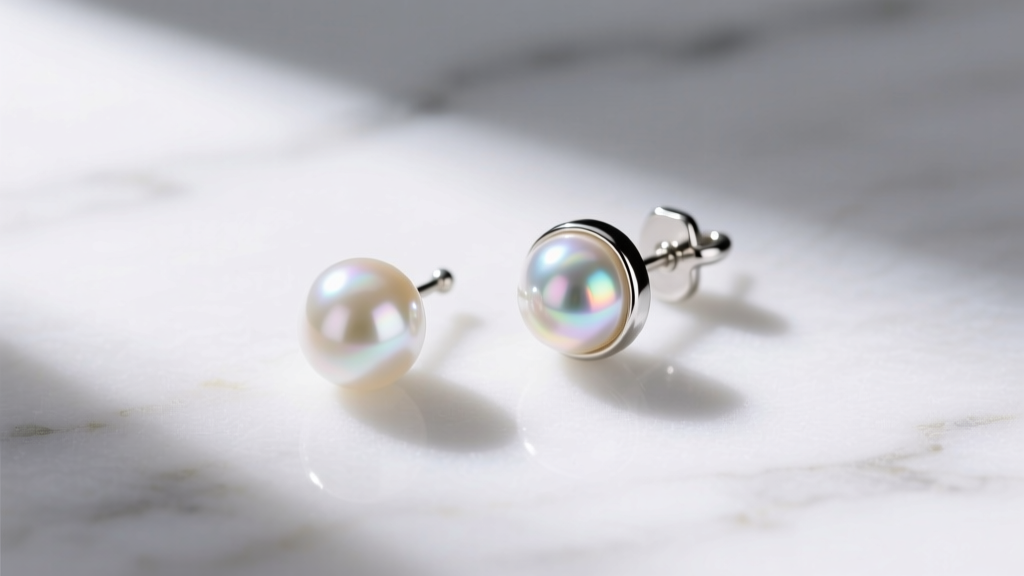
Stepping into the world of fine jewelry can feel overwhelming, especially when navigating the nuanced market of pearls. Historically, a pearl earring set meant a simple, matching pair of studs. Today, the definition has evolved. A modern pearl earring set is a curated collection—often blending lobe studs with cartilage cuffs, huggies, or drop elements—designed to create a cohesive, sophisticated ear curation. For beginners, understanding the structural and material differences between pearl types is the key to making an investment that lasts a lifetime.
What Defines a True Pearl Earring Set?
A well-constructed pearl earring set goes beyond aesthetic matching; it requires harmony in pearl origin, luster grade, and metal composition. When jewelers curate a set, they match the overtone (the secondary color seen over the pearl's body color) and the orient (the iridescent rainbow shimmer on the surface). If you mix a warm, cream-overtone Akoya pearl with a cool, pink-overtone Freshwater pearl in the same ear, the contrast will look accidental rather than intentional.
For a beginner building their first set, the goal is to acquire versatile anchor pieces. A standard starter set should include a primary lobe stud (typically 6.5mm to 7.5mm) and a secondary complementary piece, such as a 4mm pearl huggie hoop or a delicate cartilage threader. This allows you to scale your look from professional daytime wear to elegant evening styling without needing to purchase additional jewelry.
Decoding Pearl Types: Freshwater vs. Akoya
The most critical decision when purchasing your pearl earring set is choosing the pearl type. While Tahitian and South Sea pearls are stunning, they are generally too large and expensive for a beginner's everyday curated set. The market is dominated by two primary options: Freshwater and Akoya.
The Nacre Difference
According to the Gemological Institute of America (GIA), the fundamental difference between these two pearls lies in their nucleation process, which directly impacts their durability and luster.
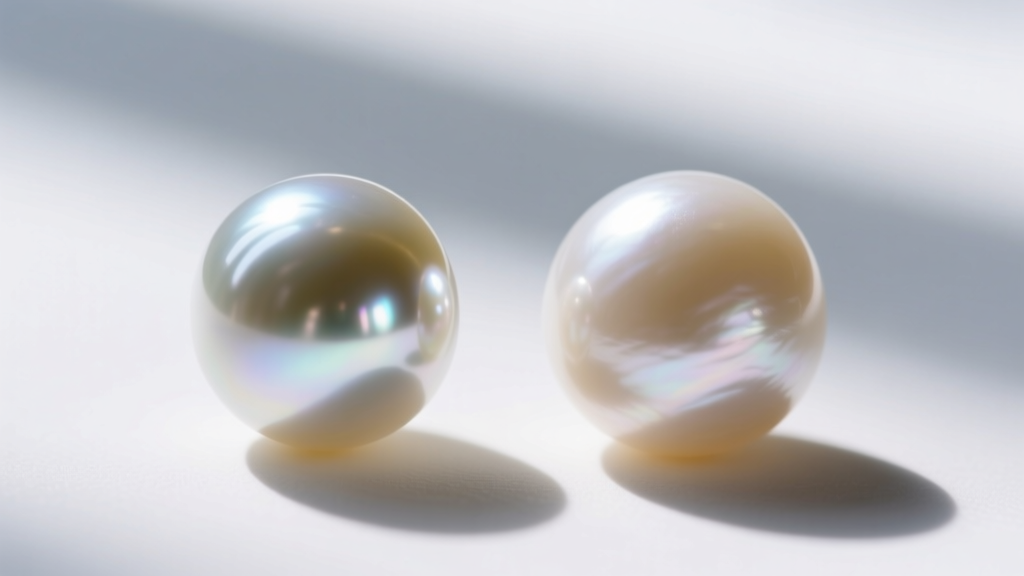
- Freshwater Pearls: These are tissue-nucleated. A tiny piece of mantle tissue is inserted into the host mussel, meaning the resulting pearl is 100% solid nacre. This makes them incredibly durable and resistant to chipping, though they typically exhibit a softer, satiny glow rather than a mirror-like reflection.
- Akoya Pearls: These are bead-nucleated. A perfectly round shell bead is inserted, and the oyster secretes nacre over it for 1 to 2 years. Because the nacre layer is thinner (usually 0.4mm to 0.6mm), Akoya pearls are more prone to peeling if abused, but they offer the sharpest, most brilliant mirror-like luster in the jewelry industry.
Which Should You Choose?
If you want a low-maintenance, everyday earring set that can survive accidental drops and frequent wear, choose Freshwater. If you prioritize maximum brilliance and a flawless, perfectly spherical shape for special occasions, invest in Akoya.
The Anatomy of a Curated Set: Sizing and Gauges
A common beginner mistake is ignoring the physical anatomy of the ear when buying a multi-piece set. Pearls that look proportionate on a jewelry bust may overwhelm a delicate earlobe or look lost on a thicker helix. Furthermore, the metal post gauge must match your specific piercing.
| Piercing Location | Standard Gauge Size | Ideal Pearl Diameter | Recommended Set Piece |
|---|---|---|---|
| Standard Earlobe | 20g (0.8mm) or 18g (1.0mm) | 6.0mm - 8.0mm | Classic Post Stud or Drop Earring |
| Upper Lobe / Mid Lobe | 20g or 18g | 4.0mm - 5.5mm | Small Stud or Pearl Huggie Hoop |
| Helix (Cartilage) | 16g (1.2mm) or 18g | 3.0mm - 5.0mm | Cartilage Cuff or Threader |
| Tragus | 16g | 3.0mm - 4.0mm | Flat-back Labret Stud |
Expert Warning: Never force a 16-gauge cartilage earring into an 18-gauge lobe piercing, as this can cause micro-tears and scar tissue buildup. Conversely, wearing a 20-gauge post in a 16-gauge cartilage hole will cause the jewelry to shift, leading to irritation bumps. Always verify the gauge of every piece in your pearl earring set before checkout.
Metal Pairings: Avoiding the Vermeil Trap
The metal holding your pearl is just as important as the gem itself. Pearls are organic gems, and the oils and moisture from your skin can degrade low-quality metals, which in turn can damage the pearl's drill hole.
Many entry-level sets are marketed as 'Gold Vermeil' or 'Gold Plated.' Vermeil consists of a sterling silver base coated with a thin layer of gold. While acceptable for occasional-wear lobe studs, vermeil is a poor choice for cartilage pieces or huggies. Cartilage piercings are prone to trapping moisture, and the friction of a huggie hoop will quickly wear away the gold plating, exposing the silver underneath. This can lead to oxidization and green skin discoloration.
For a pearl earring set meant for regular wear, always insist on 14k or 18k solid gold, or platinum. Solid gold will not flake, tarnish, or react with the amino acids in your skin, ensuring the structural integrity of the earring post for decades.
Care and Maintenance: Preventing Common Failures
Pearls rank at a mere 2.5 to 3.0 on the Mohs scale of hardness, making them exceptionally soft and vulnerable to scratching and chemical degradation. The American Gem Society emphasizes that improper cleaning is the leading cause of pearl ruin.
The 'Last On, First Off' Rule
Pearls are highly porous. Hairspray, perfume, and lotions will seep into the nacre, causing it to yellow and lose its luster permanently. Always apply your cosmetics, fragrances, and hair products before putting on your pearl earring set. When you return home, remove the earrings before taking off your clothes to prevent them from snagging on fabrics.
What NEVER to Do
- No Ultrasonic Cleaners: The high-frequency vibrations will shatter the nacre layer and cause 'crazing' (tiny surface cracks) on the pearl.
- No Steam Cleaners: Extreme heat will dehydrate the pearl, leading to irreversible peeling.
- No Harsh Chemicals: Never use ammonia, bleach, or standard jewelry dips. These will dissolve the calcium carbonate structure of the pearl.
Proper Cleaning Technique
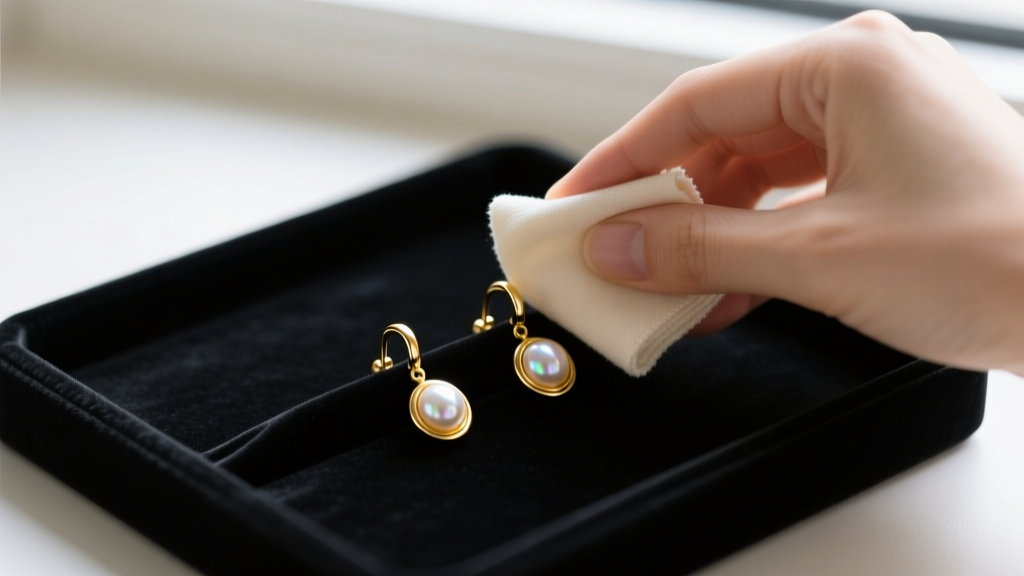
After wearing your set, gently wipe each pearl with a clean, slightly damp microfiber cloth to remove skin oils and environmental pollutants. Allow them to air dry completely flat before storing them. Never store pearls in an airtight plastic bag or a safety deposit box for long periods; pearls need ambient moisture to prevent drying out. Store them in a soft silk pouch, separate from diamond or sapphire jewelry, which will easily scratch their surface.
Budgeting for Your First Set
Understanding market pricing will protect you from overpaying for misgraded jewelry. Here is a realistic pricing framework for a high-quality, solid-gold pearl earring set in the current market:
- AAA Freshwater Set (14k Solid Gold): $80 - $180. Expect minor surface blemishes and a satiny luster, but excellent durability.
- AA+ to AAA Akoya Set (14k Solid Gold): $250 - $600. Expect near-flawless surfaces, sharp luster, and perfectly round shapes.
- Hanadama Certified Akoya Set (18k Solid Gold): $800 - $1,500+. This is the pinnacle of Akoya grading, featuring incredibly thick nacre and intense orient.
Building your first pearl earring set is an exercise in balancing aesthetics with structural reality. By prioritizing solid nacre for daily wear, matching your gauge sizes precisely, and committing to proper organic gem care, your curated set will remain a timeless staple in your jewelry wardrobe for years to come.


