5mm Stud Earrings: The Ultimate Material Comparison Guide
Compare the best metals for 5mm stud earrings. Discover how titanium, gold, and surgical steel differ in weight, healing properties, and price.

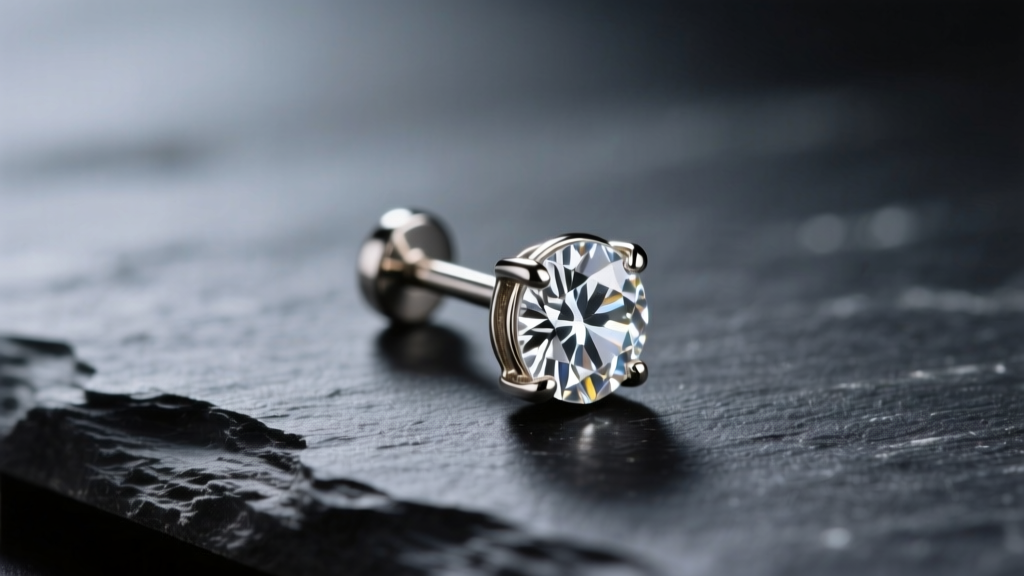
When building a curated ear or selecting a reliable daily-wear piece, the 5mm stud earring is a foundational staple. Measuring exactly 0.196 inches in diameter, a 5mm front sits perfectly on the earlobe without overwhelming smaller anatomy, and it provides just enough surface area to catch the light in secondary cartilage piercings like the helix or tragus. However, because 5mm studs sit flush or near-flush against the skin, the metallurgical properties of the post and backing become critically important. The wrong alloy can cause contact dermatitis, delayed healing, or localized argyria, while the right material ensures a lifetime of comfortable wear. In this guide, we break down the exact material grades, structural properties, and pricing realities of the most common metals used for 5mm stud earrings.
Why the 5mm Dimension Dictates Material Choice
The 5mm size occupies a unique middle ground in body jewelry. It is larger than a standard 3mm or 4mm micro-stud, meaning it carries slightly more weight, but it is significantly lighter and more discreet than an 8mm statement piece. Because the front-facing surface area is relatively small, the structural integrity of the prongs or bezel holding the gemstone relies entirely on the tensile strength of the metal. Soft metals may bend, causing the stone to fall out, while overly rigid, low-grade metals can cause micro-tears in the fistula (the piercing tunnel) if the post is subjected to pressure. Furthermore, a 5mm stud provides less airflow between the jewelry front and the skin compared to dangling styles, making the metal's porosity and nickel-leaching potential paramount for skin health.
Precious Metals: Solid Gold vs. Platinum
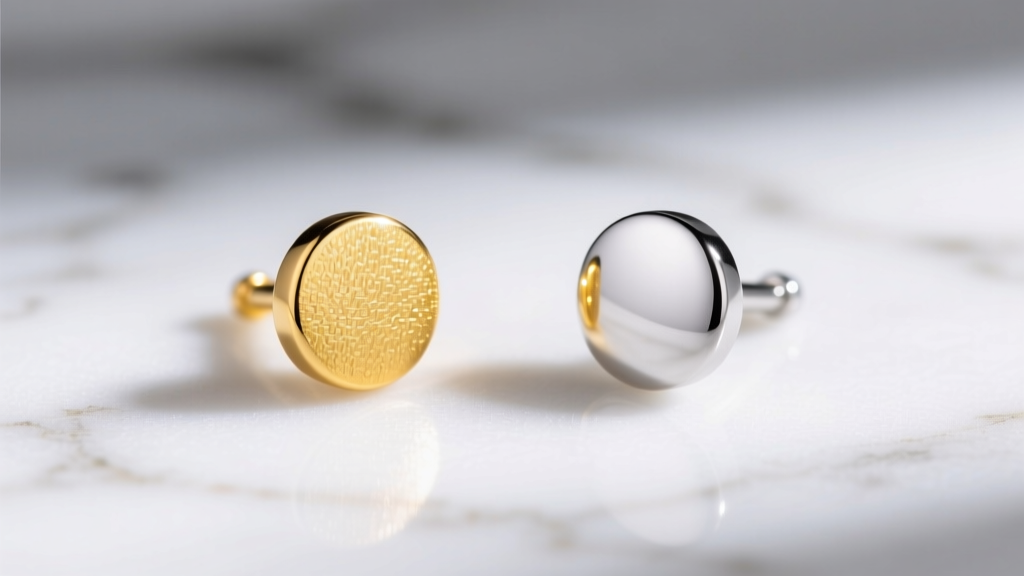
For fine jewelry enthusiasts, solid gold and platinum are the traditional choices for 5mm studs, but their alloy compositions dictate their performance. 14k gold (58.3% pure gold) is the industry standard for diamond and gemstone studs. The remaining 41.7% consists of alloying metals like copper, silver, and zinc, which provide the necessary hardness to keep a 5mm bezel or four-prong setting secure. However, some 14k white gold alloys contain nickel to achieve a silvery hue, which can trigger allergic reactions in sensitive wearers. 18k gold (75% pure gold) offers a richer color and higher biocompatibility but is noticeably softer; an 18k 5mm stud with a heavy moissanite or diamond center may require more frequent prong tightening over the years.
Platinum (typically 950 grade, meaning 95% pure platinum and 5% ruthenium or iridium) is the ultimate luxury choice. It is entirely hypoallergenic and incredibly dense. A 5mm platinum stud will feel noticeably heavier on the lobe than its gold counterpart, providing a premium, substantial feel. Platinum does not tarnish or lose metal when scratched; it merely displaces. The primary drawback is the cost and the difficulty of fabrication, which often pushes the price of a simple 5mm platinum bezel stud well above $400, excluding the gemstone.
The Hypoallergenic Standards: Titanium and Niobium
When it comes to fresh piercings, highly sensitive skin, or cartilage placements where swelling is a concern, implant-grade metals are non-negotiable. The gold standard in the professional piercing industry is implant-grade titanium, specifically ASTM F136 (Ti6Al4V ELI). This specific alloy is completely nickel-free, highly polished to a mirror finish to prevent bacterial adhesion, and lightweight. A 5mm titanium stud is so light that it is practically imperceptible in a tragus or flat piercing, reducing the risk of the jewelry migrating or rejecting due to gravity. Additionally, titanium can be anodized—using an electrical current to alter the oxide layer on the surface—allowing for vibrant, permanent colors without the use of toxic dyes or plating that could flake off inside the piercing channel.
Niobium is another excellent, highly biocompatible reactive metal. Like titanium, it is nickel-free and can be anodized. Niobium is slightly heavier and softer than titanium, making it less ideal for ultra-thin posts, but it performs beautifully in 5mm bezel settings where the post is a standard 18-gauge or 16-gauge thickness. It is often favored by artisan jewelers who hand-forge custom 5mm fronts.
The Risks of Surgical Steel and Sterling Silver
Many commercial jewelry brands market 5mm studs as "hypoallergenic surgical steel," but this is a pervasive industry misnomer. The most common grade, 316L stainless steel, contains between 8% and 10% nickel. While the chromium oxide layer on the surface provides corrosion resistance, microscopic wear and exposure to bodily fluids can cause nickel ions to leach into the skin. For a healed lobe, this may be tolerable, but for a healing cartilage piercing or a wearer with a known nickel allergy, 316L steel can cause severe contact dermatitis, itching, and hypertrophic scarring.
Sterling silver (925) is equally problematic for anything other than fully healed, dry earlobes. Silver is a soft, porous metal that oxidizes rapidly when exposed to sulfur and moisture. If worn in an unhealed or frequently irritated piercing, the silver sulfide tarnish can become embedded in the healing tissue, causing a permanent, localized gray-blue discoloration known as argyria. According to dermatological guidelines on piercing care, porous and reactive metals like silver should be strictly avoided until the fistula is completely mature and sealed.
Comprehensive 5mm Stud Material Matrix
To help you make an informed purchasing decision, we have compiled a direct comparison of the most common materials used for 5mm stud earrings, evaluating them across critical performance metrics.
| Material | Standard / Grade | Nickel-Free? | Relative Weight (5mm) | Avg. Price Range (Setting Only) | Best Use Case |
|---|---|---|---|---|---|
| Titanium | ASTM F136 (Implant) | Yes | Ultra-Light | $25 - $60 | Fresh piercings, sensitive cartilage, daily sleep |
| 14k Solid Gold | 58.3% Gold Alloy | Varies (Check Alloy) | Medium | $120 - $250 | Healed lobes, fine jewelry upgrades, secure prongs |
| 18k Solid Gold | 75% Gold Alloy | Usually | Medium-Heavy | $180 - $350 | Healed lobes, luxury gifts, rich color preference |
| Platinum | 950 Pt | Yes | Heavy | $400 - $800+ | Lifetime heirloom pieces, severe metal allergies |
| Niobium | Reactive Grade | Yes | Medium | $30 - $75 | Anodized color options, artisan custom designs |
| Surgical Steel | 316L | No (8-10%) | Medium-Heavy | $10 - $30 | Strictly healed, non-sensitive lobes on a budget |
| Sterling Silver | 925 | Usually (Copper alloy) | Medium | $15 - $45 | Occasional wear in fully healed, dry lobes only |
Post Gauge, Threading, and Backing Mechanics
The material of the 5mm front is only half the equation; the post and backing mechanics dictate the actual comfort and safety of the earring. For a 5mm stud, the post thickness typically ranges from 20-gauge (0.81mm) to 16-gauge (1.29mm). A 20g post is standard for fine jewelry lobes, but if you are wearing the 5mm stud in a helix or tragus, a 16g or 18g post is required to prevent the "cheese-cutter effect," where a thin wire migrates through the tissue under pressure.
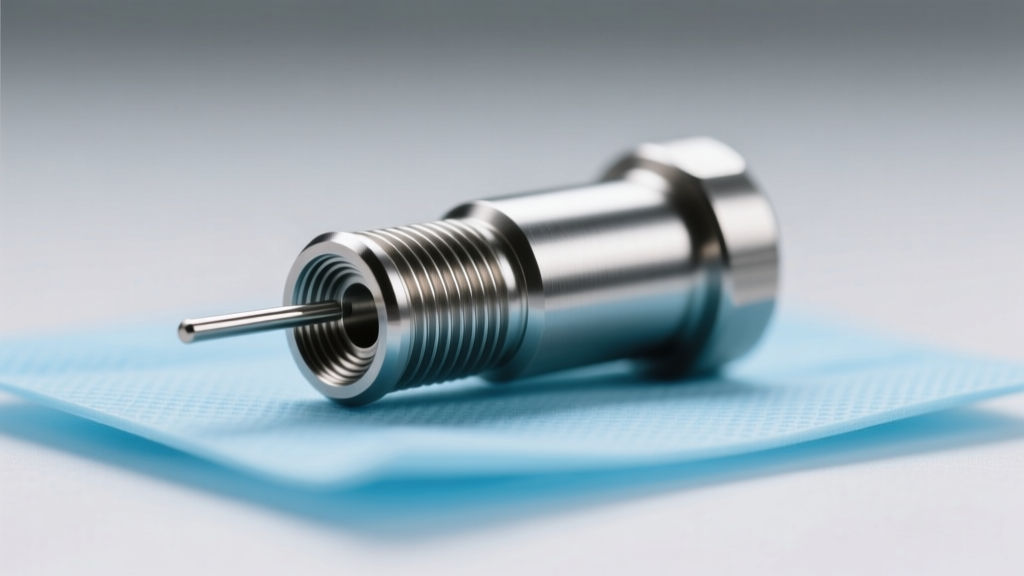
Threading is equally vital. Avoid externally threaded jewelry (where the screw pattern is on the post), as the sharp threads can tear the delicate fistula lining during insertion. Instead, invest in internally threaded posts (where the screw is inside the backing) or, ideally, threadless (push-pin) systems. Threadless 5mm studs utilize tension to stay together, offering a seamless, perfectly smooth post that glides through the piercing without any microscopic snags. For cartilage placements, pair your 5mm front with a flat-back labret post (typically 2.5mm to 3mm in disc diameter) rather than a traditional butterfly friction back, which traps dead skin, sebum, and bacteria against the back of the ear.
Final Verdict: Matching Metal to Piercing Stage
Selecting the right material for your 5mm stud earrings requires aligning the metal's properties with your piercing's maturity and your personal biology. If you are currently healing a new piercing, or if you suffer from contact dermatitis, implant-grade ASTM F136 titanium is the undisputed champion, offering unmatched biocompatibility at an accessible price point. For those looking to upgrade their fully healed, standard lobe piercings with a piece of enduring luxury, 14k solid gold provides the perfect balance of rich aesthetics and structural durability to keep your 5mm gemstone secure for decades. Avoid the false economy of surgical steel and silver; when it comes to jewelry that sits flush against your skin, investing in high-purity, nickel-free materials is an investment in your long-term anatomical health.


