Repairing and Maintaining Your Beaded Flower Earrings
Learn how to troubleshoot common issues with beaded flower earrings, from loose beads and tarnished wire to stretched lobes and broken clasps.

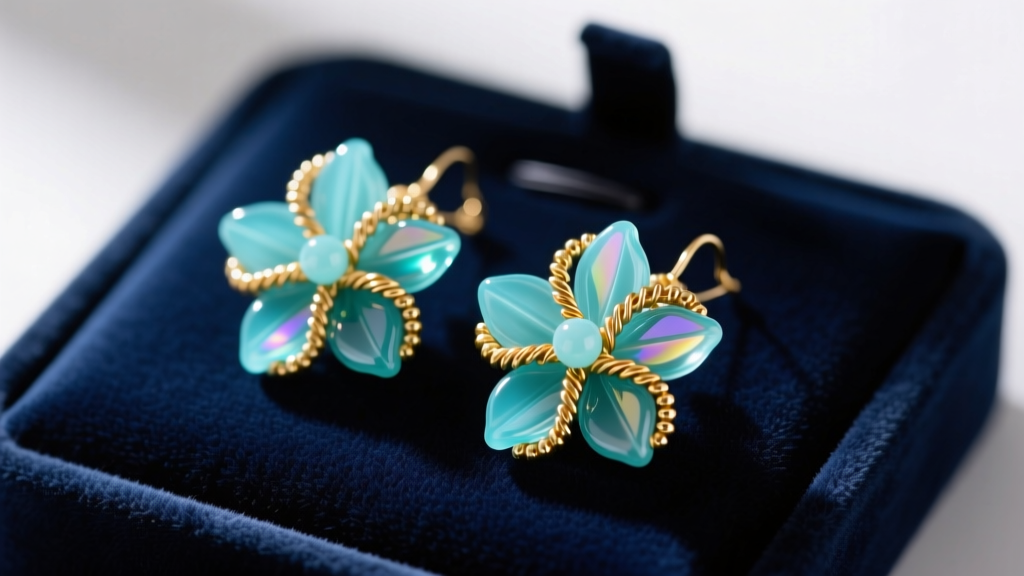
Beaded flower earrings represent a beautiful intersection of artisan craftsmanship and wearable art. Whether constructed from vibrant Czech glass, dyed howlite, or intricate Miyuki seed beads, these floral designs rely heavily on precise wire-wrapping techniques to maintain their structural integrity. However, their delicate, multi-component construction makes them uniquely prone to specific mechanical failures. From beads slipping out of wire loops to heavy floral drops stretching the earlobe, troubleshooting these issues requires an understanding of jewelry metallurgy, wire hardness, and weight distribution.
This comprehensive guide dives deep into the mechanics of beaded floral earrings, providing actionable, expert-level solutions to repair, reinforce, and maintain your favorite botanical accessories.
The Anatomy of Beaded Floral Earrings and Common Failure Points
Before attempting a repair, it is crucial to understand how beaded flower earrings are engineered. A standard wire-wrapped floral dangle consists of a central mandrel (the core wire), petal loops (which hold the beads), and a connecting jump ring that attaches the flower to the ear wire. The most common failure points occur at the junctions where wire is bent repeatedly or where tension is applied to the bead holes.
- Petal Loop Fatigue: The wire wrapping the bead weakens over time due to micro-flexing when the earring swings.
- Jump Ring Distortion: The connection point between the flower and the ear wire often pulls apart if the ring was not closed flush.
- Bead Hole Abrasion: Rough or unfiled wire ends can slowly drill through soft gemstone or glass beads, causing them to crack and fall off.
Troubleshooting Loose or Falling Beads
If the beads in your floral petals are rattling or falling out entirely, the culprit is almost always improper wire hardness or gauge selection. Many mass-produced or beginner-crafted beaded flower earrings use "dead soft" wire because it is easy to bend. However, dead soft wire lacks the "spring-back" memory required to keep tension against the bead.
Wire Gauge and Hardness Selection for Petal Wrapping
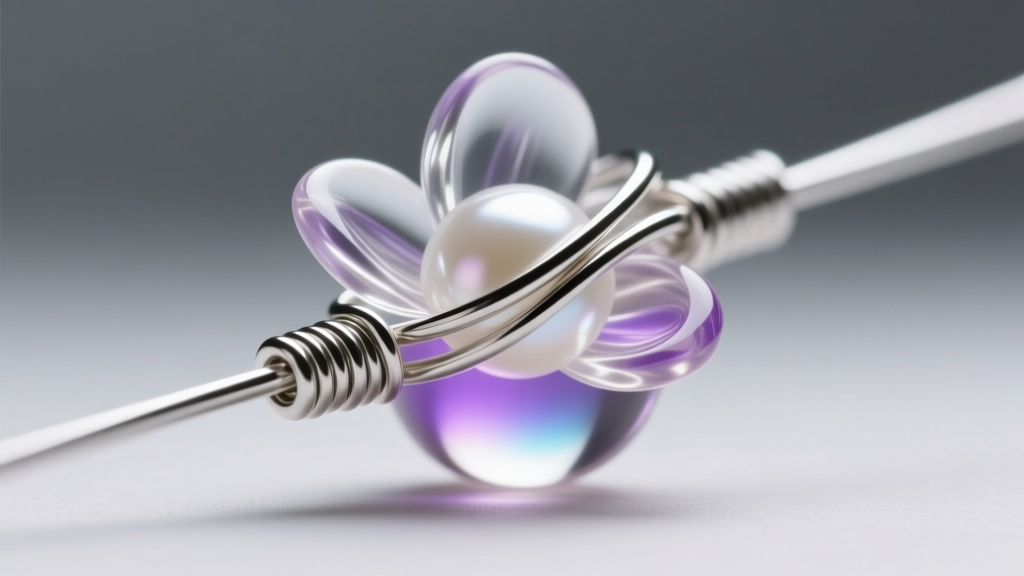
To properly secure a bead in a floral petal loop, you must use half-hard or full-hard wire. Half-hard wire has been work-hardened (either by drawing or tumbling), giving it the rigidity to snap back into place and hold the bead tightly. According to jewelry supply experts at Rio Grande, selecting the correct gauge relative to the bead hole is critical for a secure double-wrap.
| Wire Gauge | Diameter (mm) | Best For | Structural Integrity |
|---|---|---|---|
| 28-Gauge | 0.32mm | Delicate seed beads (1mm holes) | Low (Prone to bending and releasing tension) |
| 26-Gauge | 0.40mm | Standard glass beads (0.8mm holes) | Medium (Good for lightweight petals) |
| 24-Gauge | 0.51mm | Heavy gemstones/Czech glass (1mm+ holes) | High (Ideal for structural floral centers) |
| 22-Gauge | 0.64mm | Central mandrels and ear wires | Very High (Too thick for most bead holes) |
The Fix: If a bead falls out, do not simply bend the existing wire back into place; it is now work-hardened and will snap. Cut the broken loop with flush cutters. Thread a new piece of 24-gauge or 26-gauge half-hard sterling silver or gold-filled wire through the bead, and use nylon-jaw pliers to pull the wire taut, creating a tight, flush wrap without marring the metal.
Solving Earlobe Stretching from Heavy Floral Drops
Floral dangle earrings are notoriously front-heavy. A single earring featuring five 8mm Czech glass petals and a central gemstone can easily weigh between 10 and 15 grams. For context, the human earlobe begins to experience uncomfortable drag and tissue stretching at around 7 grams. Over time, heavy beaded flower earrings will cause the piercing hole to elongate, leading to a permanent droop.
Weight Distribution Hacks and Earlobe Support
To rescue your lobes without giving up your favorite statement florals, you must increase the surface area distributing the weight on the back of the ear.
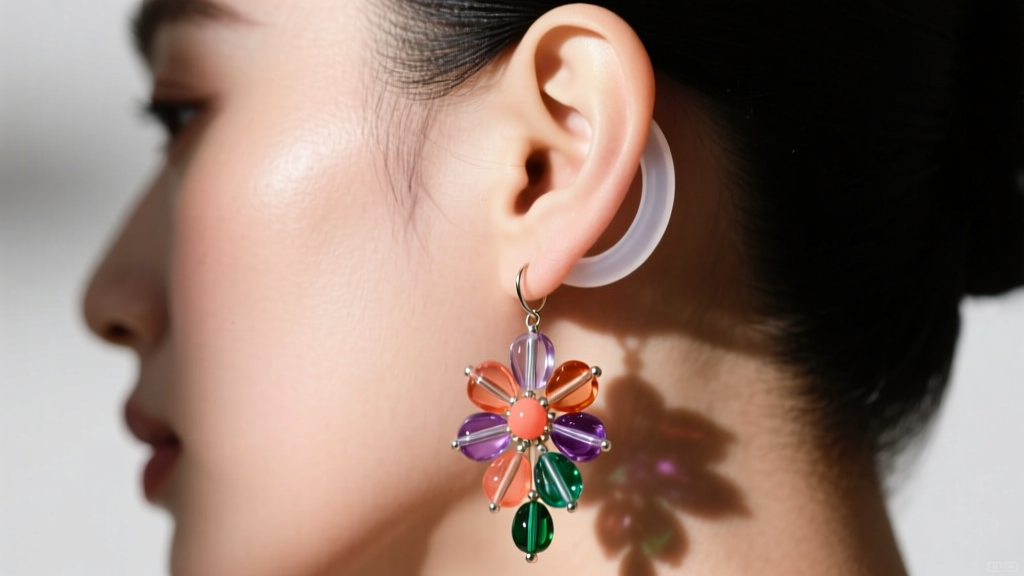
- Upgrade to Silicone Oval Discs: Discard standard metal butterfly backs. Instead, use 10mm or 12mm clear silicone oval earring backs (often sold as comfort discs or BlingWraps). These grip the ear wire tightly and spread the 15-gram load across a wide patch of skin.
- Switch to Leverback or French Wires: If your florals are on standard fishhook wires, the thin metal digs into the piercing channel. Upgrading to a thicker 20-gauge French wire or a hinged leverback distributes the weight more evenly along the front of the lobe.
- Hollow Glass Substitution: If you are re-making or repairing a pair, swap solid glass beads for hollow lampwork beads or lightweight acrylic alternatives that mimic the look of glass but weigh a fraction of the amount.
Fixing Tarnished Wire and Fading Dyed Petals
Beaded flower earrings often utilize dyed stones (like howlite or jade) to achieve vibrant, unnatural floral colors like hot pink or deep teal. The problem? These dyes are notoriously unstable and will bleed or fade when exposed to the acidic pH of human sweat or prolonged UV light. Simultaneously, the copper or standard sterling silver wire used for wrapping will oxidize, turning black and staining the beads.
Expert Tip: Never use liquid silver dip cleaners on beaded floral earrings. The harsh thiourea chemicals in dip cleaners will instantly strip the dye from porous gemstone petals and ruin the finish of glass beads.
The Fix for Tarnish: Use a treated polishing cloth (like a Sunshine cloth) to gently buff the exposed wire, avoiding direct friction on the dyed beads. For long-term protection, coat the wire wraps with a micro-thin layer of ProtectaClear or Renaissance Wax. These museum-grade sealants create an invisible barrier against sulfur and moisture without altering the wire's shine.
The Fix for Fading Beads: If you are crafting or repairing earrings with dyed petals, pre-seal the beads before wrapping them. A light coat of clear, UV-resistant acrylic spray or a jeweler's nano-coating will lock the dye inside the stone's porous matrix, preventing color transfer onto your skin or clothing.
Upgrading Ear Wires for Sensitive Piercings
Many artisan beaded flower earrings are sold with cheap, base-metal ear wires that contain nickel or brass. This frequently leads to allergic contact dermatitis, characterized by itching, redness, and weeping around the piercing site. The American Academy of Dermatology identifies nickel as one of the most common causes of allergic reactions in jewelry wearers.
If your floral earrings cause irritation, you must upgrade the ear wires. Do not attempt to coat the existing wires with clear nail polish; this is a temporary, flaky band-aid that will inevitably chip inside the piercing channel.
Safe Metal Alternatives and the Jump Ring Swap
Purchase hypoallergenic replacement ear wires made from Implant-Grade Titanium (ASTM F136) or Niobium. Niobium is particularly excellent for floral earrings because it can be anodized with electricity to match the color of your wire wrapping (e.g., anodized to a deep purple or gold hue) without using any plating or dyes.
How to safely swap the wire: Use two pairs of chain-nose pliers to open the jump ring connecting the flower to the ear wire. Never pull the ring apart outward; this distorts the circle and weakens the metal. Instead, twist one side toward you and one side away (a lateral twist). Thread the new titanium or niobium wire onto the ring, and twist it shut until you hear and feel a subtle "click" as the ends meet perfectly flush.
Proper Storage to Prevent Petal Crushing
The final step in troubleshooting beaded flower earrings is preventing damage before it occurs. Because the petals are constructed from rigid wire loops, tossing these earrings into a communal jewelry box will result in crushed petals, bent central mandrels, and tangled ear wires.
Store beaded floral earrings in a compartmentalized box lined with anti-tarnish fabric. If the earrings are particularly voluminous, hang them from a multi-tiered earring tree or a dedicated display rack. This not only prevents the wire loops from being crushed under the weight of heavier jewelry but also allows air to circulate, slowing down the oxidation process of the metal wraps. By treating the structural mechanics of your beaded florals with the same care as their aesthetic design, you can ensure they remain vibrant, secure, and comfortable for years to come.


