Repairing Beach Glass Earrings: Troubleshooting Wire & Glass
Learn how to troubleshoot and repair beach glass earrings. Expert fixes for broken wire wraps, cloudy sea glass, and detached earring posts.

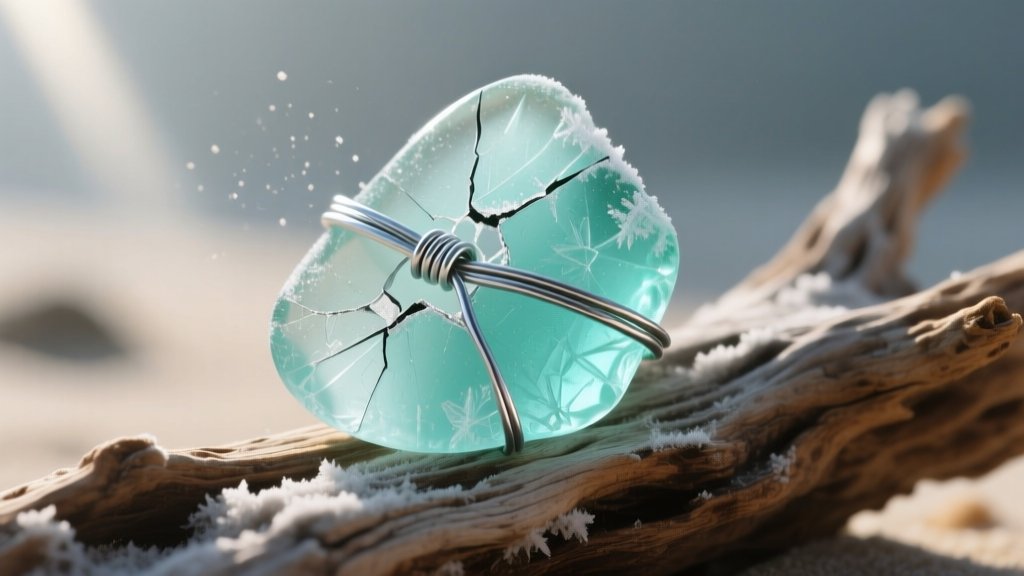
The Unique Vulnerabilities of Beach Glass Jewelry
Beach glass earrings are beloved for their organic, frosted beauty and the nostalgic connection to the coast. However, because genuine sea glass is asymmetrical, smoothly tumbled, and lacks the flat planes of faceted gemstones, it presents unique structural challenges for jewelry makers. The most common construction method—wire wrapping—relies on tension and friction rather than prongs or bezels. Over time, this leads to specific failure modes: wire fatigue, post detachment, and surface degradation of the glass itself.
Whether you are a hobbyist looking to salvage a favorite pair or a seasoned artisan refining your repair toolkit, understanding the material science behind these failures is critical. In this guide, we will troubleshoot the most frequent issues with beach glass earrings and provide actionable, professional-grade solutions to restore them to wearable condition.
Troubleshooting Wire Wrap Failures & Breakage
The most frequent complaint with handmade beach glass earrings is the snapping or unraveling of the wire wrap. This rarely happens by accident; it is almost always the result of metal fatigue or selecting the wrong wire temper for the structural load.
Diagnosing the Break
If your wire has snapped cleanly at a sharp bend, the metal was over-worked. When you bend wire, you compress the crystalline structure of the metal, a process known as work hardening. If you use dead-soft wire for a structural frame and bend it repeatedly to get the perfect fit around an asymmetrical piece of beach glass, it will become brittle and snap.
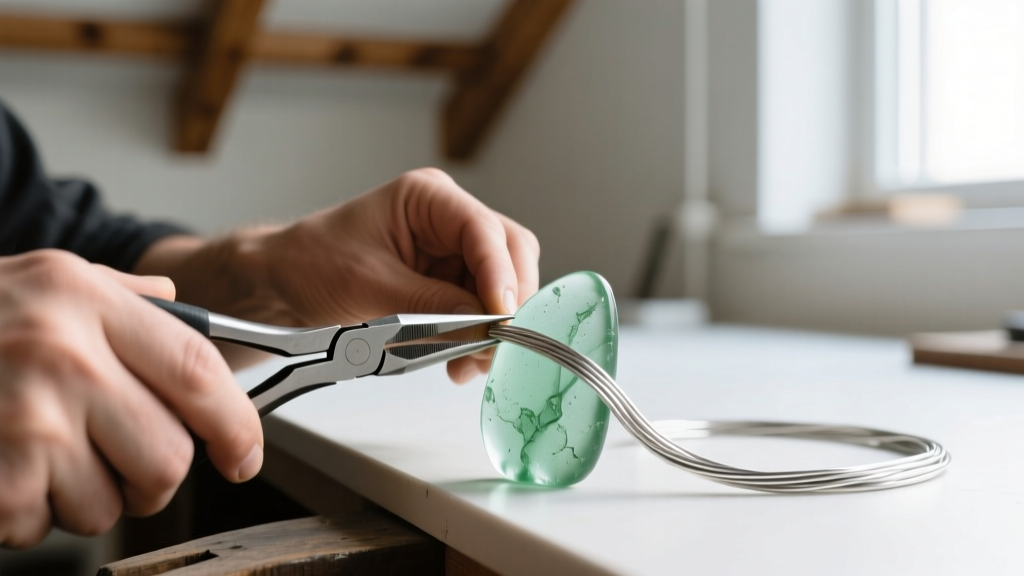
The Professional Fix
To repair a broken wrap, you cannot simply twist the broken ends together; this creates a weak point that will catch on hair and clothing. Instead, you must carefully unweave the broken section using a fine-tipped awl and flush cutters.
- Base Frames: Always use 20-gauge or 18-gauge half-hard wire for the structural cage. Half-hard wire has already been partially work-hardened at the mill, providing the tensile strength needed to hold the heavy, slick glass securely without snapping.
- Weaving Wire: Use 24-gauge or 26-gauge dead-soft wire for the decorative weaving. Dead-soft wire flows easily around the base frame and locks the structure in place without adding excessive rigidity.
- Material Upgrade: Consider upgrading from standard sterling silver to Argentium silver. As noted by jewelry supply experts at Rio Grande, Argentium contains germanium, which makes it highly tarnish-resistant and slightly more malleable, reducing the risk of work-hardening fractures during complex wraps.
Fixing Detached Posts and Solder Joints
For beach glass studs or pieces that utilize a glued pad rather than a full wire wrap, post detachment is a chronic issue. The smooth, non-porous surface of tumbled sea glass offers very little mechanical grip for adhesives.
Why Super Glue Fails
Cyanoacrylate (super glue) is rigid and brittle. When the earring experiences minor impacts—like being dropped on a bathroom counter or bumped while taking off a sweater—the shockwave travels through the metal post and shatters the glue bond.
The Epoxy Scoring Method
To permanently reattach a post to beach glass, you must create a mechanical bond alongside the chemical one.
- Surface Prep: Clean the back of the glass with isopropyl alcohol to remove skin oils. Use a diamond-grit burr bit in a rotary tool to lightly score a 3mm crosshatch pattern into the glass where the post pad will sit. This creates microscopic grooves for the adhesive to grip.
- Adhesive Selection: Discard super glue. Use a two-part jeweler's epoxy, such as System Three MirrorBond or G-S Hypo Cement for smaller pads. Two-part epoxies cure with a slight flexibility, absorbing shock rather than shattering.
- Curing: Use a wax-tipped tweezers to position the post, and support it with a piece of sticky tack or a specialized earring drying stand. Allow a full 24-hour cure time before applying any lateral pressure.
Restoring Cloudy or Scratched Sea Glass
While the frosted texture of beach glass is its defining characteristic, years of wear can cause that beautiful frost to turn into a dull, scratched, and cloudy haze. This happens when the glass comes into repeated contact with skin acids, lotions, and harder minerals in dust.
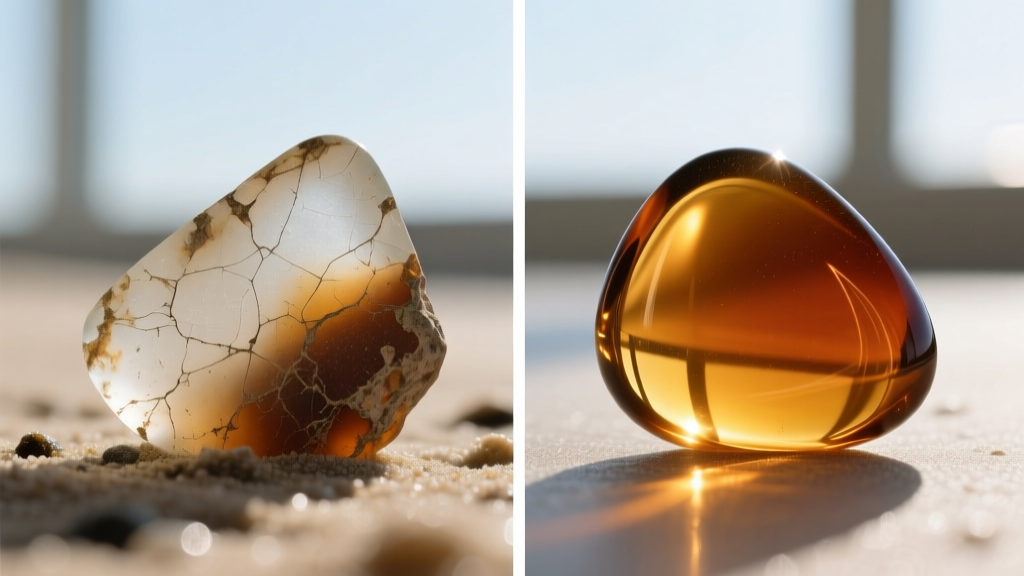
Temporary vs. Permanent Restoration
If you need a quick fix for a jewelry show or a photoshoot, rubbing a tiny drop of mineral oil or baby oil into the glass will temporarily fill the microscopic scratches and restore the vibrant color. However, this is not a permanent solution and will attract dust.
For a permanent restoration, you must re-polish the glass. According to lapidary resources at Ganoksin, glass has a Mohs hardness of about 5.5 to 6. To polish it, you need a slightly harder or chemically reactive compound.
- Cerium Oxide Polish: Mix cerium oxide powder with water to create a milky slurry. Apply it to a felt polishing wheel on a flex shaft or rotary tool. Keep the glass moving and apply light pressure; friction heat can cause thermal shock and crack the sea glass.
- Tumbling: If you are batch-repairing multiple pieces, place the glass in a rotary tumbler with stainless steel shot, a drop of dish soap, and water for 2-3 hours. This will burnish the surface and remove superficial cloudiness without altering the organic shape.
Material Compatibility and Skin Irritation
A troubleshooting guide isn't complete without addressing the wearer's physical reaction. Many vintage or mass-produced beach glass earrings use cheap base metals for the ear wires, leading to contact dermatitis or the dreaded "green ear" effect caused by copper oxidation reacting with skin salts.
Expert Tip: If a client complains of itching specifically at the piercing hole, the issue is almost always the ear wire, not the wire wrap holding the glass. Upgrading just the ear wire can solve 90% of comfort complaints.
Upgrading the Ear Wire
Carefully unhook the existing ear wire using two pairs of flat-nose pliers to avoid twisting and weakening the jump ring. Replace it with a hypoallergenic alternative:
- Niobium: An excellent, affordable choice that is completely nickel-free and can be anodized to match the color of the beach glass.
- Implant-Grade Titanium (ASTM F136): The gold standard for sensitive ears. Ensure you are buying implant-grade, not just "titanium-plated," which can wear off and expose the base metal underneath.
- Argentium Silver: If the client prefers precious metals, Argentium is less likely to cause reactions than traditional sterling silver due to the absence of copper alloys that typically cause oxidation and irritation.
Preventative Maintenance Checklist
To minimize future repairs, implement this maintenance protocol for your beach glass jewelry collection or your clients' pieces.
| Issue | Primary Cause | Preventative Action |
|---|---|---|
| Wire Unraveling | Friction from clothing; soft wire temper | Use half-hard wire for frames; tuck all wire ends flush and burnish them flat against the frame. |
| Post Detachment | Shear force on rigid super glue bonds | Score the glass surface; use flexible two-part jeweler's epoxy with a 24-hour cure time. |
| Cloudy Glass | Buildup of skin oils, lotions, and hard water | Clean monthly with warm water, mild dish soap, and a soft baby toothbrush. Avoid ultrasonic cleaners. |
| Skin Irritation | Nickel or copper in ear wires reacting to sweat | Swap all ear wires for Niobium or ASTM F136 implant-grade titanium hooks. |
By understanding the specific material properties of both the sea glass and the metals used to cradle it, you can effectively troubleshoot and repair beach glass earrings, ensuring these coastal treasures remain wearable and beautiful for decades.


