Earring Healing Costs: Budget Metals vs. Implant Grade
Discover the true cost of earring healing. Compare budget metals vs. implant-grade titanium to avoid infections, scarring, and hidden medical expenses.

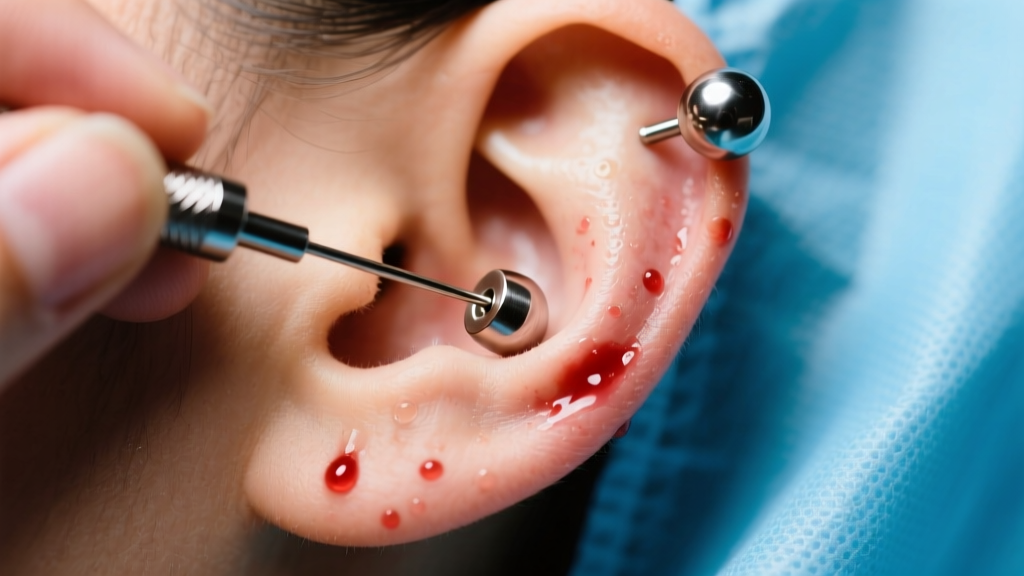
The Hidden Financial Toll of Cheap Piercing Jewelry
When evaluating the cost of a new piercing, most consumers focus entirely on the upfront price tag. A mall kiosk might advertise a complete earlobe piercing package for $30, while a professional studio charges $90 to $150 for the service and jewelry combined. On the surface, the budget option seems like a clear winner. However, this narrow view ignores the most critical variable in the equation: the biological reality of earring healing. The earring healing process is essentially a controlled wound that requires specific environmental and material conditions to form a healthy fistula (the tube of tissue that lines the piercing channel).
Choosing budget-friendly, low-grade metals to save $50 upfront frequently triggers a cascade of complications. Contact dermatitis, hypertrophic scarring, and localized infections are not just painful; they are expensive. A single visit to a dermatologist to treat a severe nickel allergy reaction can cost upwards of $150 in copays, not including prescription topical steroids or oral antibiotics. When we assess jewelry through the lens of long-term value rather than initial expense, the hierarchy of what constitutes a 'good deal' shifts dramatically.
Material Breakdown: Metallurgy and Healing Outcomes
The core issue with budget jewelry lies in its metallurgical composition. Many inexpensive earrings are labeled as 'surgical steel,' a marketing term that sounds clinical but lacks a standardized definition in the consumer jewelry market. True implant-grade materials are strictly regulated and biologically inert, meaning they will not react with the oxygen, blood, and lymph fluid present in a fresh piercing.
| Material | Grade / Standard | Nickel Content | Avg. Price Range | Healing Impact |
|---|---|---|---|---|
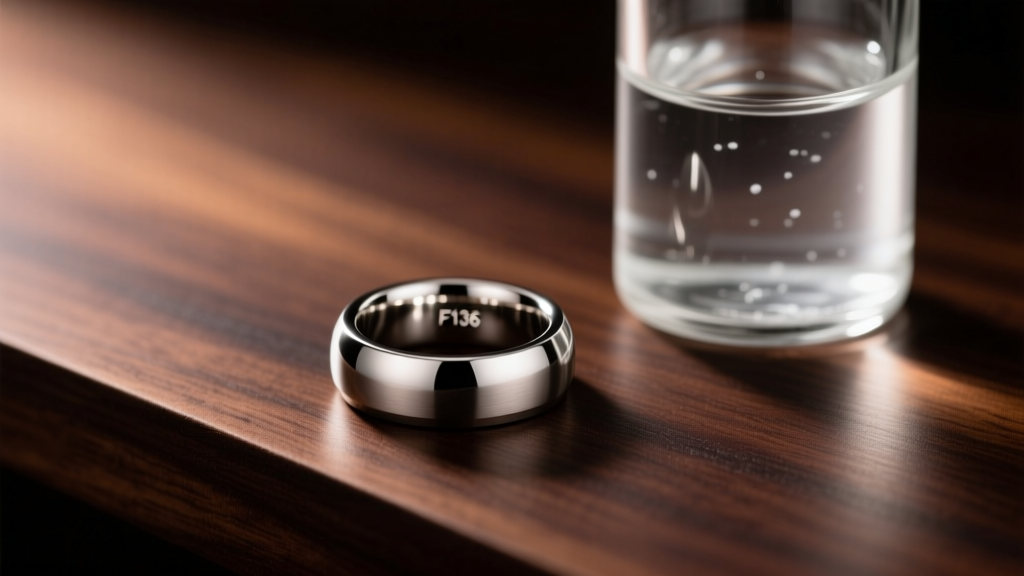
| Implant-Grade Titanium | ASTM F136 / F67 | 0% | $45 - $120 | Optimal; biologically inert, highly polished. |
| Niobium | Unalloyed (99.9%) | 0% | $35 - $90 | Optimal; excellent for sensitive ears, anodizable. |
| Solid Gold | 14k or 18k (Nickel-free) | 0% (if alloyed correctly) | $150 - $600+ | Excellent; must be high polish, avoid white gold. |
| 'Surgical' Steel | 316L / 316LVM | 8% - 10% | $10 - $35 | High Risk; nickel leaching causes dermatitis. |
| Mystery Metals / Plated | Brass, Copper, Zinc alloys | Unknown / High | $5 - $20 | Severe Risk; oxidation, toxicity, embedding. |
According to the Association of Professional Piercers (APP), only implant-grade titanium (ASTM F136), niobium, and specific high-karat golds are recommended for initial piercings. Budget metals like 316L stainless steel contain up to 10% nickel. When exposed to the saline environment of a healing wound, nickel ions leach into the tissue. The body's macrophages attack these ions, resulting in the itching, swelling, and weeping crust associated with metal allergies.
The Mechanics of Threading: Why Budget Jewelry Tears Tissue
Beyond the alloy itself, the physical construction of budget earrings actively sabotages the earring healing timeline. Cheap studs and barbells almost universally feature external threading, where the screw-like ridges are located on the post itself. To install these, the sharp, jagged threads must be forced through the delicate, newly formed cells of the fistula. This causes micro-tears on every single insertion, effectively resetting the healing clock and introducing pathways for staphylococcus bacteria.
High-value, professional-grade jewelry utilizes either internal threading (where the screw is on the decorative end, and the post is smooth) or threadless (push-pin) tension-fit designs. Threadless titanium jewelry, which typically costs between $50 and $85 for a complete top and post set, glides through the tissue without any friction or tearing. The initial investment in threadless mechanics protects the structural integrity of the piercing channel, preventing the formation of irritation bumps that are notoriously difficult and expensive to resolve later.
Gauge Sizing and the Cost of Migration
Budget jewelry is frequently manufactured in ultra-thin gauges, such as 22g or 20g, to save on material costs. However, professional piercers advocate for 16-gauge (1.2mm) for standard lobes and 14-gauge (1.6mm) for cartilage structures like the helix or conch. Thicker jewelry distributes weight more evenly and resists bending. A thin, cheap 20g hoop in a healing cartilage piercing is highly prone to warping. Once the jewelry bends inside the fistula, the body attempts to reject it, leading to migration. Correcting a migrated piercing requires removing the jewelry, allowing the tissue to heal entirely (often taking 6 to 12 months), and paying for a brand-new piercing procedure.
Aftercare Economics: Stop Buying Piercing Sprays
The earring healing industry is rife with overpriced aftercare products that offer zero clinical advantage. Many piercing studios and mall kiosks upsell branded 'piercing aftercare sprays' for $15 to $25 per bottle. These are almost always just sterile saline solutions with a fancy label. To maximize your budget without compromising your healing, bypass the branded sprays entirely.
Expert Budget Tip: Purchase a generic canister of sterile 0.9% sodium chloride wound wash from any local pharmacy. Ensure the ingredients list contains only water and 0.9% sodium chloride, with no added preservatives, benzalkonium chloride, or fragrances. A large canister typically costs $5 to $8 and will last through the entire 8-to-12-week lobe healing period or the 6-to-12-month cartilage healing timeline.
Avoid the temptation to use home remedies like tea tree oil, aspirin pastes, or rubbing alcohol. While these are often touted in online forums as cheap fixes for irritation bumps, they are highly caustic. Tea tree oil can cause severe chemical burns on open wounds, and aspirin pastes disrupt the localized pH balance, leading to tissue necrosis. The cost of treating a chemical burn from a 'cheap' home remedy will far exceed the price of professional medical care.
Troubleshooting Setbacks: When to Spend on Medical Care
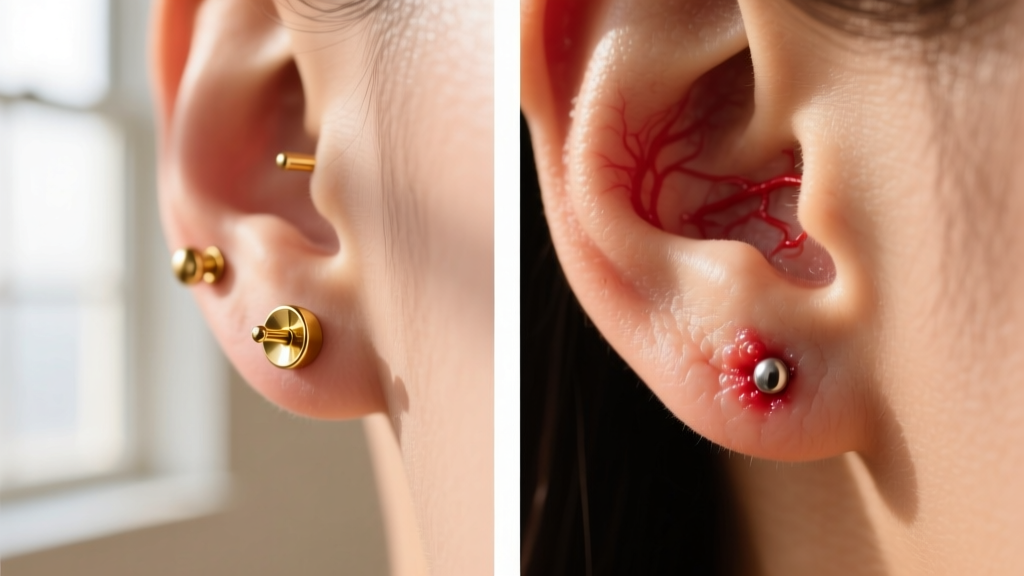
Even with perfect jewelry and sterile saline, complications can occur. Recognizing the difference between normal earring healing symptoms and a true infection is vital for protecting your wallet and your health. Normal healing includes localized swelling, mild tenderness, and the secretion of lymph (a pale, crusty fluid).
However, if you experience throbbing pain that radiates outward, excessive heat, dark yellow or green purulent discharge, or systemic symptoms like a fever, you are likely dealing with a bacterial infection. The American Academy of Dermatology notes that distinguishing between severe allergic contact dermatitis and a staph infection often requires a medical professional. Do not attempt to save money by leaving an infected cartilage piercing untreated; cartilage lacks its own blood supply, and an untreated infection can rapidly progress to perichondritis, potentially causing permanent structural damage to the ear and necessitating costly surgical intervention.
Final Verdict: Allocating Your Piercing Budget
When assessing the true cost of a new piercing, you must view the jewelry not as an accessory, but as a temporary medical implant. The most financially sound strategy is to allocate the vast majority of your budget toward the initial, high-quality jewelry and the professional service of a licensed piercer who uses single-use, sterilized needles. You can easily save money by downsizing the decorative tops—opting for simple, polished titanium balls or bezel-set synthetic opals instead of natural diamonds or intricate 18k gold designs during the initial healing phase. Once the fistula is fully mature and stable (usually after 6 to 12 months), you can safely transition to a wider, more budget-friendly variety of decorative pieces. Ultimately, investing in ASTM F136 titanium and proper needle techniques upfront is the most reliable way to ensure your earring healing journey is swift, painless, and cost-effective.


