How to Clean and Fix Kate Spade Pearl Earrings: Troubleshooting
Learn how to troubleshoot, clean, and repair Kate Spade pearl earrings. Expert fixes for tarnished plating, chipped faux pearls, and skin irritation.

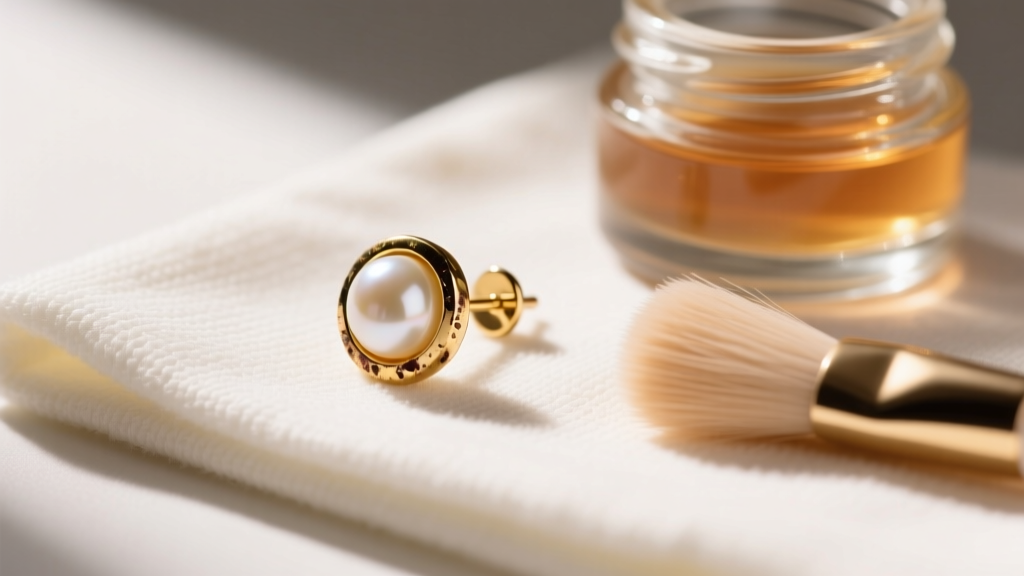
Kate Spade pearl earrings are a staple in many jewelry collections, offering a playful yet sophisticated aesthetic that bridges the gap between everyday wear and special occasions. However, because the brand's fashion jewelry lines prioritize design and affordability over solid precious metals and natural gemstones, owners frequently encounter specific wear-and-tear issues. From oxidized base metals to peeling pearlescent coatings, maintaining these pieces requires a targeted approach.
This comprehensive troubleshooting guide dives deep into the material science of fashion jewelry, providing actionable, expert-level solutions to restore and maintain your favorite pairs.
The Material Anatomy of Kate Spade Fashion Jewelry
To effectively troubleshoot, you must first understand what you are working with. The majority of Kate Spade pearl earrings are constructed from a brass or zinc-alloy base metal. This base is typically finished with a 'flash plating' of gold, rose gold, or rhodium. According to the Federal Trade Commission Jewelry Guides, flash plating is an ultra-thin electroplated layer, often measuring less than 0.175 microns in thickness.
The 'pearls' used in these designs are rarely cultured or natural. They are predominantly glass beads or acrylic resin spheres coated with a synthetic pearlescent finish, often utilizing titanium dioxide or mica to simulate the luster of nacre. Understanding this anatomy is critical, as using harsh chemical dips meant for solid sterling silver will instantly strip the flash plating and dissolve the faux pearl coating.
Troubleshooting Matrix: Common Issues and Solutions
| Problem | Root Cause | DIY Fix | Professional Fix |
|---|---|---|---|
| Darkened or green base metal | Copper oxidation reacting to sweat and acids | Gentle polishing with a dry microfiber cloth | Professional ultrasonic cleaning and re-plating |
| Flaking pearl surface | Physical impact degrading the synthetic coating | Smooth edges with a fine-grit buffing block | Jeweler can replace the glass pearl bead entirely |
| Itchy, red earlobes | Nickel or zinc exposure causing contact dermatitis | Apply a clear polyurethane barrier coat to the post | Laser-weld a hypoallergenic titanium post |
| Earring droops forward | Standard friction backs lack adequate surface area | Swap to silicone disc clutch backs | N/A (Hardware upgrade) |
Restoring Tarnished Gold-Tone Plating
The most frequent complaint regarding Kate Spade pearl earrings is the darkening or 'tarnishing' of the gold-tone metal. Unlike solid 14k gold, which is highly inert, the brass alloy beneath the plating contains copper and zinc. When the ultra-thin plating develops micro-abrasions from daily wear, moisture, sulfur in the air, and the natural acidity of your skin penetrate the barrier, causing the underlying copper to oxidize.
The Safe Cleaning Protocol
Never use liquid silver dips, baking soda pastes, or ultrasonic cleaners on plated fashion jewelry. These methods will strip the remaining gold flash plating, leaving you with a dull, raw brass earring. Instead, follow this safe restoration method:
- Dry Microfiber Buffing: Use a clean, untreated jeweler's microfiber cloth to gently buff the metal settings. Avoid touching the pearl bead, as the friction can generate heat that weakens the adhesive holding the pearl in its cup.
- Mild Surfactant Wash: If the earrings have accumulated lotion or sebum buildup, mix a single drop of pH-neutral baby shampoo into a bowl of distilled water. Dip a soft-bristled makeup brush into the solution, gently agitate the metal crevices, and immediately pat dry with a lint-free towel.
- Polishing Cloth Limitations: Treated polishing cloths (like Sunshine cloths) contain mild abrasives. Use them only on the heaviest tarnish spots on the metal, and never rub the faux pearl.
Salvaging Chipped or Peeling Faux Pearls
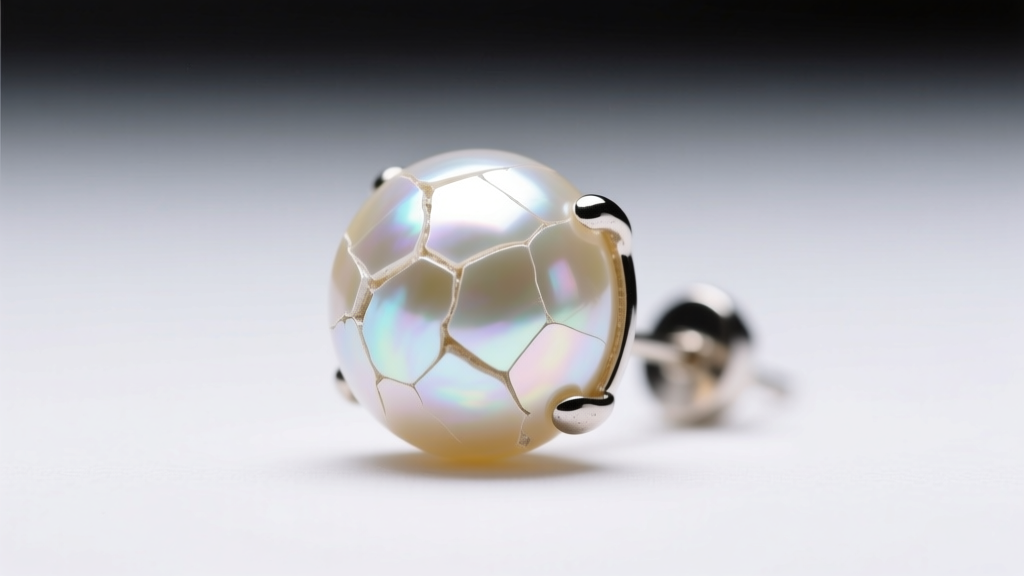
Faux pearls are created by dipping glass or plastic beads into a solution containing guanine crystals (historically derived from fish scales) or modern synthetic mica. Over time, exposure to hairspray, perfume, and friction causes this coating to chip or peel, revealing the clear or white bead underneath.
Unlike a chipped diamond that can be re-cut, a peeling faux pearl cannot be chemically restored to its original factory finish. However, you can mitigate the damage:
- Edge Smoothing: If a chip has created a sharp, raised edge that catches on your hair or clothing, use a 12000-grit nail buffing block to gently feather the edge of the chip until it is flush with the bead.
- The Nail Polish Hack (Temporary): For small, localized chips, a single careful dab of high-quality, UV-cured clear gel nail polish can seal the exposed area and prevent further peeling. Cure it under a UV lamp for 30 seconds. Do not use standard air-dry nail polish, as the solvents can melt acrylic pearl bases.
- Bead Replacement (Permanent): If the pearl is set in a simple glue-cup, a local bench jeweler can carefully pop out the damaged glass bead using a thermal shock technique (heating the metal cup to soften the epoxy) and glue in a replacement Swarovski crystal pearl of the exact millimeter diameter.
Solving Contact Dermatitis and Post Irritation
If your earlobes become red, itchy, or weeping after wearing Kate Spade earrings, you are likely experiencing allergic contact dermatitis. While many fashion brands strive to meet the EU Nickel Directive (which limits nickel release to 0.5 µg/cm²/week), the friction of the post against the piercing canal can wear away the rhodium or gold barrier on the post itself, exposing nickel-containing base metals or zinc alloys to your skin.
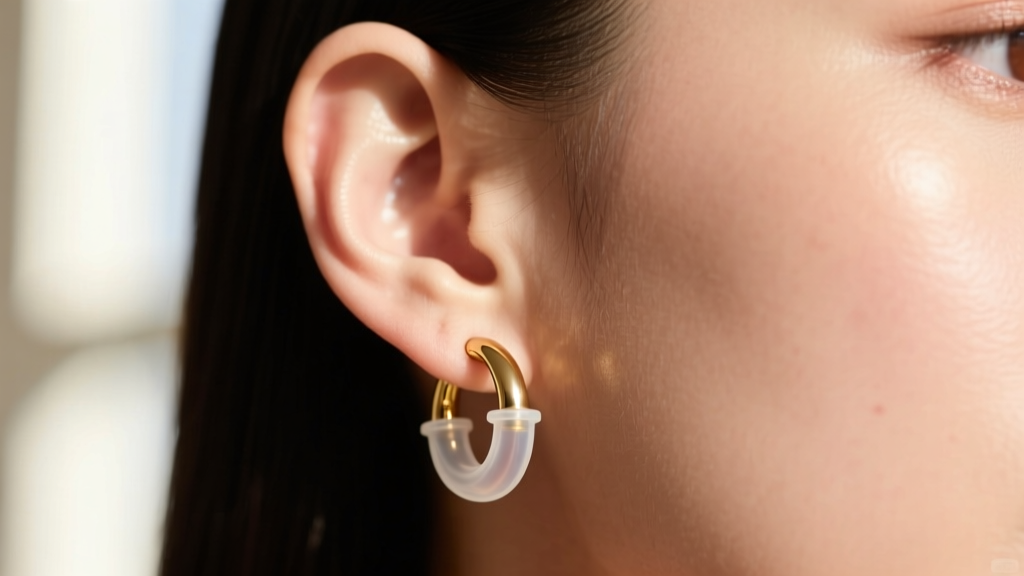
The American Academy of Dermatology recommends creating a physical barrier between the skin and the offending metal. Here are the most effective troubleshooting steps for sensitive ears:
Immediate DIY Barriers
Apply a thin coat of clear, polyurethane-based nail polish to the earring post and the back of the earring where it touches the skin. Allow it to cure for 24 hours before wearing. This creates an impermeable plastic shield. Reapply every two weeks, as the friction of inserting the earring will eventually wear the polish away.
The Professional Post Swap
For a permanent, high-end solution, take your favorite Kate Spade studs to a professional jeweler who offers laser welding services. They can snip off the base-metal post and laser-weld a hypoallergenic Grade 23 Titanium (Ti-6Al-4V ELI) or solid 14k white gold post in its place. This typically costs between $35 and $60 per earring but effectively transforms fashion jewelry into fine, skin-safe jewelry.
Upgrading Friction Backs for Security and Comfort
Kate Spade earrings typically ship with standard 'butterfly' or friction clutch backs. These rely on a small metal spring mechanism inside the clutch to grip the post's notch. Over time, the spring fatigues, causing the earring to slip off the post and get lost. Furthermore, the small surface area of a metal butterfly back can dig into the back of the earlobe, especially if the earring features a heavy glass pearl or crystal cluster.
The Solution: Discard the factory backs and upgrade to silicone disc backs or La Pousette clutch backs. Silicone discs provide a wide, cushioned surface area that distributes the weight of heavy pearl drops evenly across the earlobe, preventing the 'drooping' effect. La Pousette backs utilize a mechanical locking mechanism similar to a watch clasp, ensuring the earring cannot slide off even if the post lacks a deep security notch.
Long-Term Preventative Storage and Care
Preventing damage is vastly superior to attempting repairs on delicate flash-plated jewelry. To maximize the lifespan of your Kate Spade pearl earrings, implement the following storage protocol:
- Isolate from Sulfur and Moisture: Store the earrings in an airtight Ziploc bag with a 3M Anti-Tarnish strip. This strip absorbs ambient sulfur gases that cause base metal oxidation.
- Prevent Pearl Scratching: Faux pearl coatings have a Mohs hardness of roughly 2.5 to 3.0, making them highly susceptible to scratching from cubic zirconia or metal accents on neighboring jewelry. Always store them in individual soft flannel pouches.
- The 'Last On, First Off' Rule: Always put your earrings on after applying perfume, hairspray, and lotions. The alcohol and volatile organic compounds (VOCs) in cosmetics will rapidly degrade the synthetic pearlescent coating and accelerate the breakdown of the gold-tone plating.
By understanding the specific material limitations of fashion jewelry and applying these targeted troubleshooting techniques, you can keep your favorite pearl earrings looking pristine and comfortable for years to come. For more information on identifying and caring for various pearl types, consult the Gemological Institute of America (GIA) Pearl Care Guide.


