Bezel Diamond Drop Earrings: 2026 Value & Budget Guide
Discover the true value of bezel diamond drop earrings in 2026. Compare lab-grown vs. natural pricing, metal grades, and expert buying tips.

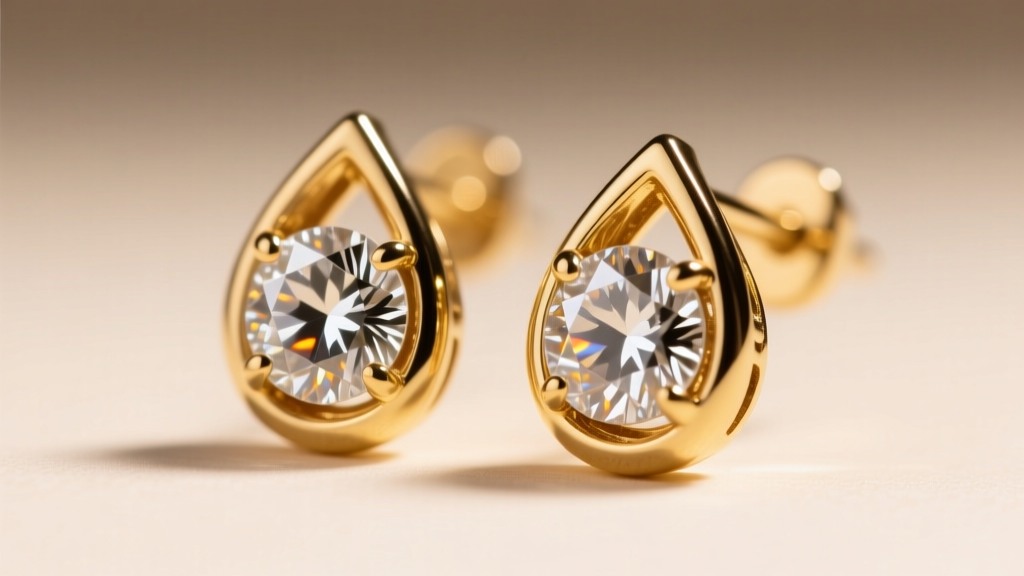
The True Cost of Bezel Diamond Drop Earrings in 2026
When evaluating fine jewelry, the intersection of security, aesthetics, and price is rarely straightforward. Bezel diamond drop earrings represent a unique category in the 2026 market. Unlike traditional prong-set studs, the bezel setting encircles the diamond's girdle in a custom-fitted metal rim, offering unparalleled protection for active lifestyles. However, this added security and modern silhouette fundamentally alter how you should budget for carat weight, cut quality, and metal purity.
As a senior appraiser and style analyst, I frequently see buyers overpay for specifications that the bezel setting inherently masks, or conversely, underestimate the structural requirements of a drop earring mechanism. This comprehensive value assessment will dissect exactly where your money should go—and where you can safely cut costs—when investing in bezel diamond drop earrings this year.
Lab-Grown vs. Natural: Where the Real Value Lies
The most significant budget decision you will make in 2026 is choosing between natural and lab-grown diamonds. According to the Federal Trade Commission (FTC), lab-grown diamonds possess the exact same optical, chemical, and physical properties as mined diamonds. The divergence is purely in origin, resale value, and upfront cost.
For drop earrings, which are often subject to kinetic stress and a higher risk of loss or damage than stud earrings, the depreciating resale value of lab-grown stones is less of a concern for buyers prioritizing sheer visual impact and everyday wearability.
2026 Price Breakdown: 1.00 CTW (Total Weight) Bezel Drops
| Material & Metal | Natural Diamond (1.00 CTW) | Lab-Grown Diamond (1.00 CTW) | Value Verdict |
|---|---|---|---|
| 14k Yellow Gold | $3,800 - $4,500 | $650 - $900 | Best everyday budget option |
| 18k White Gold | $4,200 - $5,100 | $800 - $1,100 | Mid-tier luxury, requires rhodium |
| Platinum (950) | $5,500 - $6,800 | $1,400 - $1,900 | Superior durability for drop links |
Note: Prices reflect G-H color, VS2-SI1 clarity, and Very Good cut grades, which are the optimal targets for bezel settings as detailed below.
Why Bezel Settings Impact Diamond Pricing and Sparkle
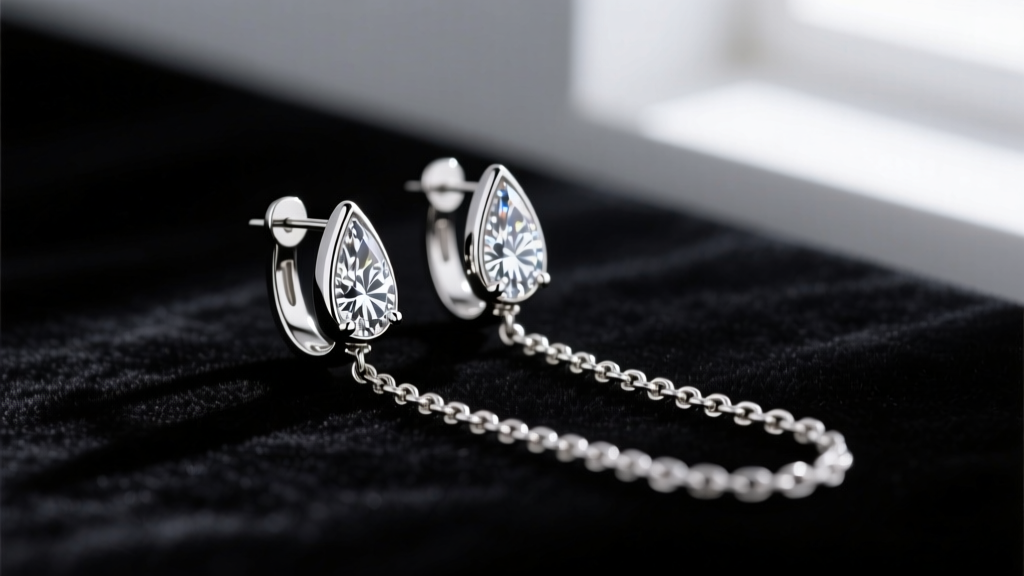
To maximize your budget, you must understand the optical physics of a bezel setting. The Gemological Institute of America (GIA) notes that while bezel settings offer superior protection, the metal rim covers the outer edges of the diamond's crown and girdle. This obstruction blocks a small percentage of light from entering and exiting the stone's periphery.
The Cut Grade Compromise
Because the bezel rim inhibits peripheral light return, paying a massive premium for an "Ideal" or "Super Ideal" cut grade is largely a waste of budget. A "Very Good" cut grade will face up nearly identically to an "Ideal" cut once seated in a full bezel. By dropping one cut grade, you can reallocate 15% to 20% of your budget toward a larger carat weight or a more durable platinum setting for the drop chain.
The Optical Illusion and Color Masking
Bezel settings create an optical illusion. The continuous metal rim adds visual weight, making a 0.40-carat stone appear closer to a 0.50-carat prong-set stone. Furthermore, if you choose yellow or rose gold for your bezel, the metal's reflection will naturally tint the diamond. This allows you to safely purchase near-colorless (J-K) diamonds instead of premium colorless (D-F) stones, saving thousands of dollars without any visible compromise in a warm-toned metal.
Evaluating Craftsmanship: What Justifies a Premium?
When buying drop earrings, the setting is only half the battle. The articulation mechanism—the part that allows the earring to dangle and sway—is a critical failure point. Many budget jewelers use standard soldered jump rings to connect the diamond bezel to the ear wire. The constant swinging motion of a drop earring causes metal fatigue, eventually snapping cheap jump rings and resulting in a lost diamond.
The Structural Checklist for Drop Earrings
- Laser-Welded Links: Premium manufacturers use laser welding to seal jump rings, eliminating the weak point found in traditional torch soldering.
- Solid Articulation Hinges: Instead of a simple ring, high-value drops use a riveted or solid hinge mechanism that distributes kinetic stress across a wider surface area.
- Ear Wire Gauge: Ensure the ear wire is at least 20-gauge (0.81mm). Anything thinner (like 22-gauge) will bend under the weight of a heavy bezel drop, altering the hang and stressing the connection point.
- Friction Backs vs. Screw Backs: For drops weighing over 3 grams, insist on screw backs or secure locking lever-backs to prevent the earring from slipping off the lobe due to downward momentum.
Smart Shopping Framework for Drop Earrings
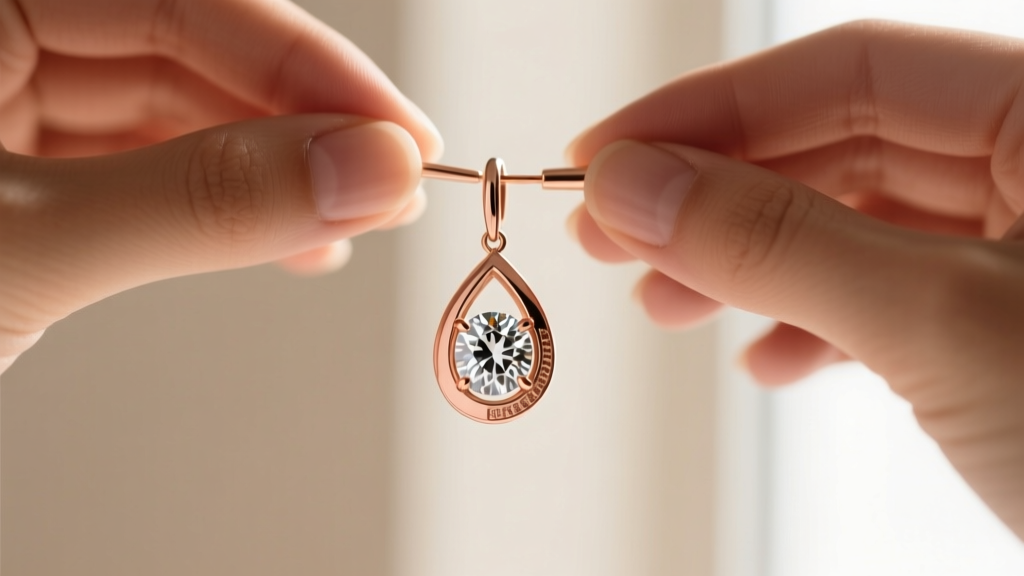
Armed with an understanding of how bezel settings alter light performance and how drop mechanisms endure stress, you can approach the market with a strict, value-driven framework. Use this checklist to evaluate any pair of bezel diamond drop earrings before purchase:
- Target SI1 Clarity: Inclusions in diamonds are often located near the girdle (the outer edge). Because the bezel covers the girdle, an SI1 (or even a very clean SI2) diamond will appear completely eye-clean, saving you the premium charged for VS or VVS stones.
- Verify the Bezel Flush: Run your fingernail over the top edge of the metal rim. It should be perfectly smooth and flush with the diamond's table. Any raised lip will catch on clothing and hair, which is especially problematic for drop earrings that swing into your neck and shoulders.
- Assess the Profile Depth: A bezel setting naturally adds depth to the stone. Ensure the jeweler has not left excessive metal beneath the pavilion (the bottom of the diamond), which can make the drop earring unnecessarily heavy and uncomfortable for extended wear.
- Demand Metal Stamps: Verify the hallmark inside the ear wire. Look for '14K', '18K', or 'PT950'. Avoid unmarked or 'gold-plated' bases for drop earrings, as the friction against the piercing hole will quickly wear away plating, exposing base metals that can cause allergic reactions.
Final Verdict: Maximizing Your Investment
Bezel diamond drop earrings are a masterclass in modern, secure jewelry design, but they require a nuanced approach to budgeting. In 2026, the smartest buyers are opting for lab-grown diamonds in the G-H color and SI1 clarity range, set in 'Very Good' cut grades to offset the light-blocking nature of the bezel rim. By prioritizing structural integrity—specifically laser-welded links and 20-gauge ear wires—over inflated diamond grading reports, you secure a piece that is not only visually stunning but engineered to withstand the physics of everyday movement. Allocate your budget toward superior craftsmanship and metal durability, and let the bezel setting do the heavy lifting in making your diamonds look larger, bolder, and infinitely more secure.


