The Ultimate Care Guide for Enamel and Silver Corgi Earrings
Keep your novelty jewelry pristine. Learn expert cleaning, storage, and maintenance tips for enamel, silver, and gold-plated corgi earrings.

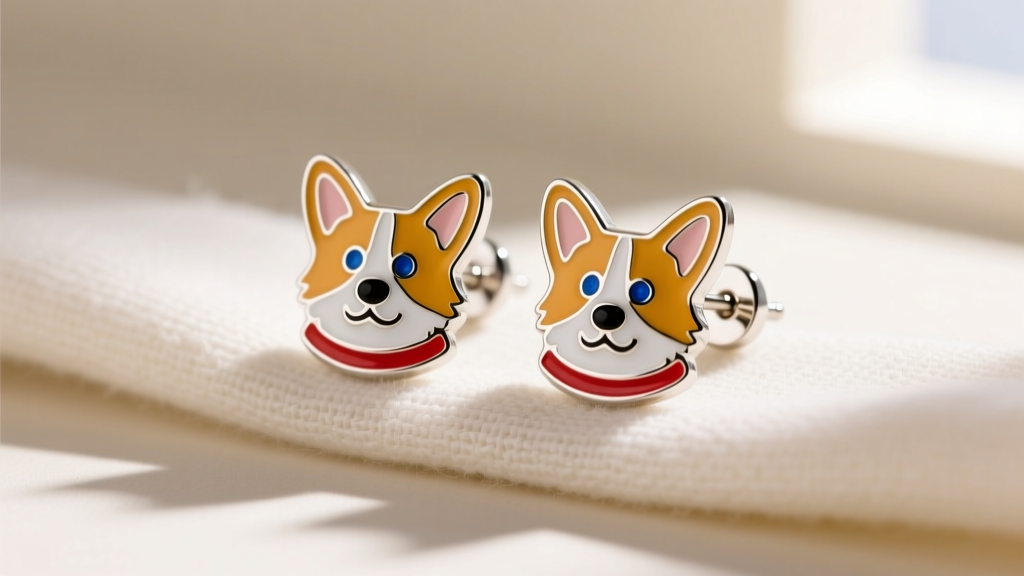
Why Novelty Animal Jewelry Requires Specialized Care
Corgi earrings have become a staple in the novelty jewelry market, beloved for their playful silhouettes and intricate detailing. However, the very manufacturing techniques that make these pieces so vibrant—specifically the use of cold enamel, gold vermeil, and delicate 925 sterling silver bases—also make them highly susceptible to improper cleaning. Unlike solid gold or diamond jewelry, which can withstand rigorous chemical and sonic cleaning, enamel and plated corgi earrings demand a gentle, highly specific maintenance protocol. In 2026, as jewelry artisans continue to push the boundaries of micro-painting and epoxy resin casting, understanding the chemistry behind your jewelry's materials is the key to preserving its charm and structural integrity.
Identifying Your Corgi Earring Materials
Before applying any cleaning solution, you must accurately identify the materials used in your specific pair. The Gemological Institute of America (GIA) emphasizes that treating organic or composite materials with standard metal polishes can cause irreversible clouding or stripping. Below is a breakdown of common corgi earring components and their primary vulnerabilities.
| Material Component | Composition | Primary Vulnerability | Safe Cleaning Agent |
|---|---|---|---|
| Cold Enamel | Two-part epoxy resin | Acetone, alcohol, high heat | pH-neutral dish soap |
| Sterling Silver Base | 92.5% silver, 7.5% copper | Hydrogen sulfide (tarnish), chlorine | Distilled water, silver cloth |
| Gold Vermeil/Plated | Gold layer over silver/brass | Friction, thiourea-based silver dips | Mild soapy water, microfiber |
| Acrylic/Resin Accents | Polymethyl methacrylate | Ammonia, abrasive brushes | Damp microfiber cloth |
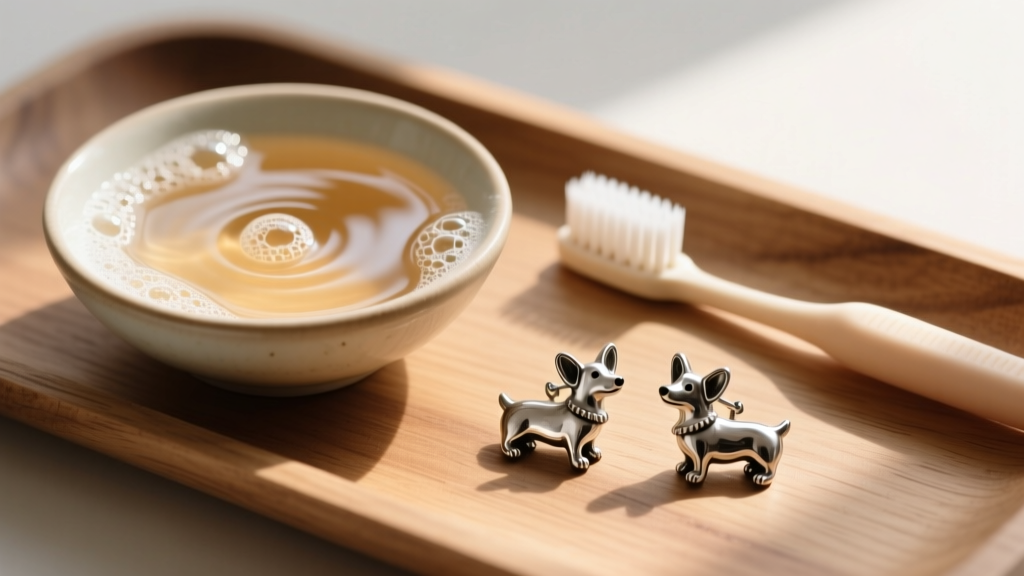
Step-by-Step Cleaning Routine for Enamel and Plated Corgis
To safely remove daily grime, skin oils, and environmental pollutants without damaging the painted details or metal plating, follow this exact protocol. Never use hot water, as thermal shock can cause the epoxy resin to separate from the metal base.
What You Need
- Distilled water (tap water contains minerals that leave micro-scratches and water spots)
- pH-neutral liquid dish soap (e.g., original blue Dawn)
- An extra-soft baby toothbrush or a dedicated jewelry detailing brush
- Lint-free microfiber cloths
The Cleaning Process
- The Pre-Mix: In a small glass bowl, combine one cup of lukewarm distilled water with three drops of pH-neutral dish soap. Agitate gently to create a mild lather.
- The Surface Wipe: Dampen a corner of your microfiber cloth in the solution and gently wipe the surface of the corgi earrings. This removes the top layer of sebum and cosmetics without abrasive friction.
- The Crevices: Dip the baby toothbrush into the solution and gently tap the bristles against the metal crevices (such as the corgi's ears or paws). Do not scrub aggressively; let the bristles do the work to lift dirt from the metal stamping.
- The Rinse: Quickly dip the earrings into a separate bowl of pure distilled water to remove any soap residue. Do not let them soak, as prolonged water exposure can weaken the adhesive bonds of the cold enamel.
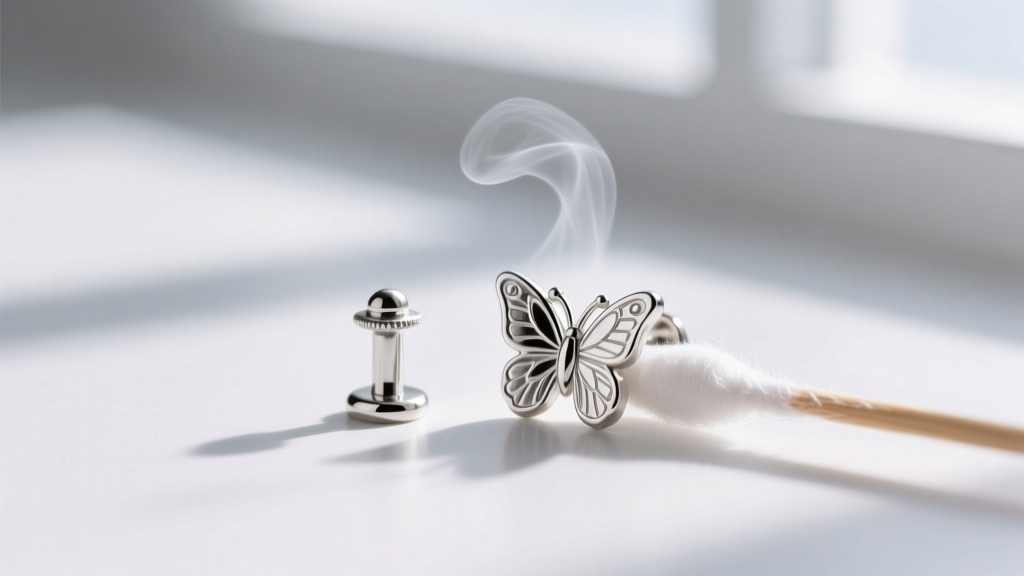
- The Dry: Immediately pat the earrings dry with a clean microfiber cloth. Use a cotton swab to absorb any trapped moisture around the earring post base.
Deep Cleaning the Earring Posts and Backs
While the decorative face of your corgi earrings requires a gentle touch, the earring posts and butterfly backs require rigorous sanitization. Standard novelty studs typically utilize 18-gauge (1.0mm) or 20-gauge (0.8mm) posts. Over time, dead skin cells, sebum, and hair products accumulate inside the hollow tubes of butterfly clasps and along the post grooves. According to the Mayo Clinic, trapped debris and degraded metal alloys are primary triggers for allergic contact dermatitis and localized earlobe infections.
Pro-Tip: Use a wooden toothpick to gently scrape the inside of the butterfly back clasp. You will be surprised by the amount of compacted debris that a simple soap wash cannot reach.
To sanitize the metal posts without ruining the enamel corgi body, dip a cotton swab in 70% isopropyl alcohol and carefully wipe only the metal post and the earring back. Avoid letting the alcohol pool near the base where the post meets the enamel, as repeated solvent exposure will break down the epoxy resin over time.
What to Avoid: The Enamel Killers
Many well-meaning jewelry owners accidentally destroy their novelty pieces by applying traditional jewelry cleaning methods. To ensure your corgi earrings survive for years, strictly avoid the following:
- Ultrasonic Cleaners: The high-frequency cavitation bubbles generated by ultrasonic machines will shatter cold enamel, crack epoxy resin, and strip gold vermeil plating down to the base brass.
- Silver Dip Solutions: Commercial liquid silver cleaners rely on thiourea, a highly toxic and corrosive chemical. While it instantly removes silver sulfide (tarnish), it will permanently cloud resin, strip gold plating, and leave a microscopic porous layer on the silver that accelerates future tarnishing.
- Hairspray and Perfume: Always apply your cosmetics, fragrances, and hairsprays at least five minutes before putting on your earrings. The aerosolized alcohols and polymers will create a dull, sticky film on the enamel that is incredibly difficult to remove without solvents.
Proper Storage to Prevent Tarnish and Scratches
How you store your corgi earrings is just as critical as how you clean them. Sterling silver tarnishes when the copper alloy reacts with hydrogen sulfide and moisture in the air. Furthermore, the painted enamel details can easily be scratched by heavier jewelry pieces in a shared box.
Store each pair of corgi earrings in its own individual polyethylene zip bag. Avoid PVC (polyvinyl chloride) plastic bags, as PVC can emit trace amounts of hydrogen chloride gas over time, which aggressively accelerates silver tarnish. Drop a small 3M anti-tarnish strip and a silica gel desiccant packet into each bag to absorb atmospheric sulfur and moisture. Keep the bags in a dark drawer, as prolonged UV exposure can cause the brightly colored epoxy resins to yellow or fade.
Troubleshooting Common Corgi Earring Issues
Even with meticulous care, novelty jewelry can suffer from wear and tear. Here is how to address the most common issues without causing further damage:
Bent Earring Posts
If your 20-gauge silver post becomes bent, do not use standard metal pliers to straighten it, as the steel teeth will gouge the soft silver. Instead, use nylon-jaw pliers to gently bend the post back to a 90-degree angle. If the post is bent directly at the solder joint, take it to a professional jeweler to avoid snapping the post off entirely.
Chipped Enamel
If your corgi earring suffers a minor chip in the epoxy resin, you can perform a temporary at-home repair. Clean the area with a dry cotton swab, then apply a microscopic drop of clear, UV-curing jeweler's resin. Cure it under a UV lamp for 30 seconds to seal the chip and prevent moisture from getting underneath the remaining enamel.
Loose Butterfly Backs
If your earring backs are slipping off too easily, the metal scroll has lost its tension. Use flat-nose pliers to gently squeeze the two loops of the butterfly back closer together. This restores the friction grip on the earring post notch, ensuring your favorite corgi studs stay securely in your earlobes.


