How to Authenticate, Clean, and Style Kwiat Earrings
Learn how to authenticate, safely clean, and properly insure your Kwiat earrings. Expert steps for maintaining luxury Tiara cut diamond jewelry.

Understanding Kwiat's Signature Craftsmanship
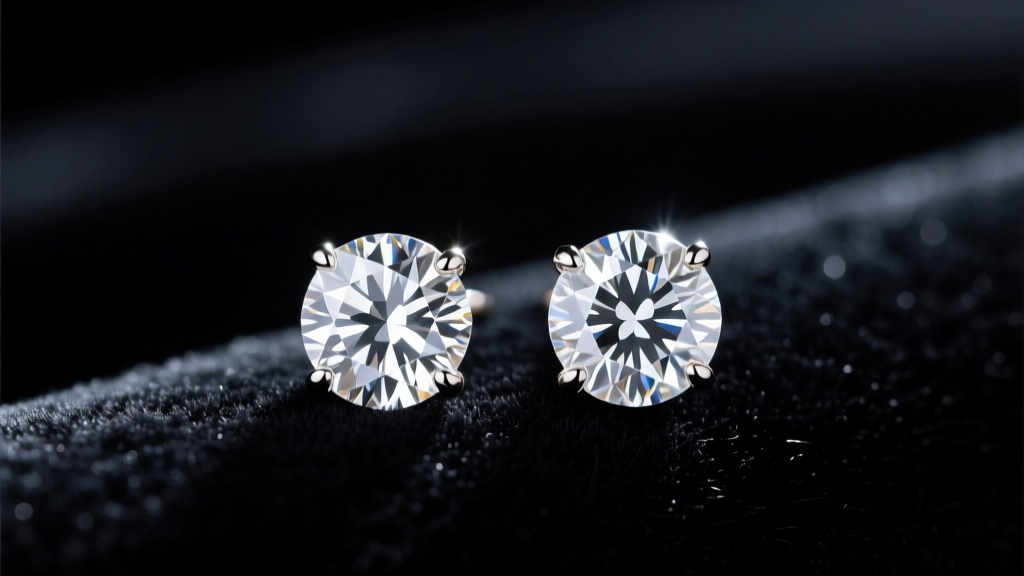
When you invest in Kwiat earrings, you are acquiring more than just diamond jewelry; you are securing a piece of American horological and gemological history. Founded in 1907, Kwiat has built a formidable reputation on precise diamond cutting and masterful setting techniques. The crown jewel of their repertoire is the proprietary Kwiat Tiara cut. Unlike a standard 57-facet round brilliant, the Tiara cut features 73 meticulously aligned facets. This specific geometry is engineered to eliminate the 'fish-eye' effect and maximize light return, giving Kwiat diamonds their signature edge-to-edge brilliance.
Because Kwiat earrings command premium prices in both the primary and secondary markets, they are unfortunately targeted by high-end counterfeiters. Furthermore, improper cleaning methods can dull the Tiara cut's precise light performance or damage the delicate micro-pavé often found in their drop and dangle designs. This comprehensive guide will walk you through the exact protocols for authenticating, cleaning, and maintaining your Kwiat diamond earrings to preserve their structural integrity and optical fire.
Step-by-Step Guide to Authenticating Kwiat Earrings
Authenticating luxury earrings requires a systematic approach, moving from macro-level hallmarks to micro-level gemological inspections. Before purchasing pre-owned Kwiat earrings or verifying an inheritance, follow these critical steps.
1. Inspect the Hallmarks and Metal Stamps
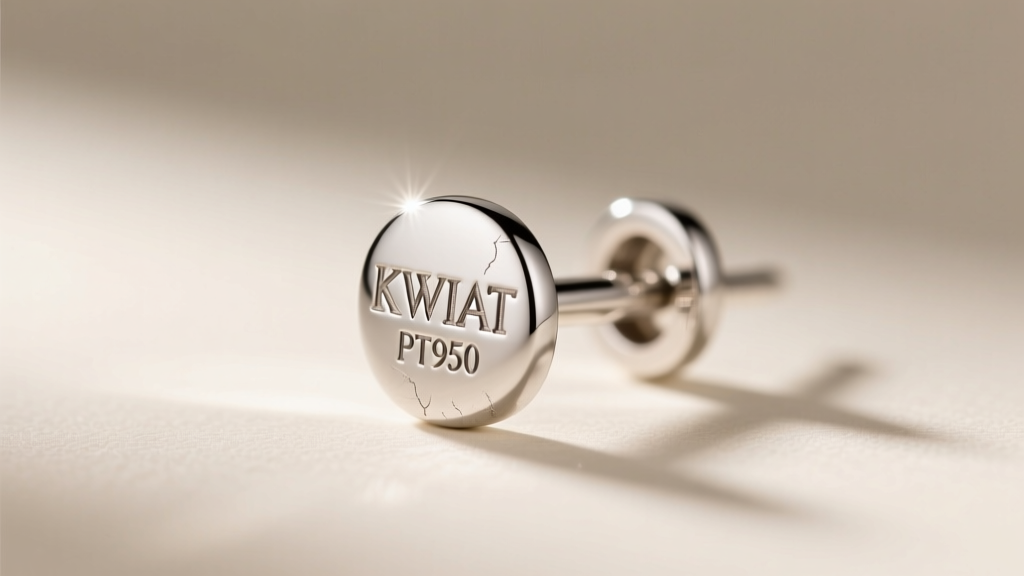
Kwiat is meticulous about their metal purity stamps. Using a 10x Hastings triplet loupe, examine the earring post, the butterfly back, or the interior of the gallery wire. Authentic pieces will feature a crisp, laser-sharp or deeply hand-engraved 'KWIAT' stamp. Beside this, you will find the metal purity mark. Kwiat primarily uses Platinum 950 (stamped PT950 or PLAT) or 18k Gold (stamped 750 or 18K). Counterfeit pieces often feature shallow, blurry stamps or incorrect purity markers like '925' (sterling silver), which Kwiat does not use for their fine diamond collections.
2. Verify the GIA Laser Inscription
Kwiat centers their major diamonds on GIA (Gemological Institute of America) grading. For earrings featuring center stones over 0.50 carats, the diamond's girdle will typically bear a microscopic laser inscription matching the GIA dossier number. According to the Gemological Institute of America (GIA), this inscription is invisible to the naked eye but easily readable under 20x magnification. Cross-reference this number with the physical or digital GIA certificate provided by the seller.
3. Evaluate the Setting Architecture
Master jewelers at Kwiat employ seamless setting techniques. Inspect the prongs and gallery wire for 'casting porosity'—tiny microscopic pits or bubbles in the metal that indicate cheap, mass-production casting. Authentic Kwiat prongs are perfectly symmetrical, smoothly filed, and sit flush against the diamond's crown without overlapping the table facet.
The Safest Cleaning Protocol for Kwiat Diamond Earrings
Diamonds are lipophilic, meaning they naturally attract and hold oils from your skin, hair products, and lotions. This oil buildup severely diminishes the light return of the 73-facet Tiara cut. While many jewelers recommend ultrasonic cleaners, we advise against them for Kwiat earrings featuring micro-pavé or tension elements, as high-frequency vibrations can loosen the melee diamonds over time.
Required Tools:
- Distilled water (avoid tap water, which contains chlorine and hard minerals)
- Ammonia-free, lotion-free mild dish soap
- Ultra-soft baby toothbrush or a dedicated jewelry brush
- Lint-free microfiber cloth
- Wooden toothpick (for stubborn debris)
The Step-by-Step Cleaning Process:
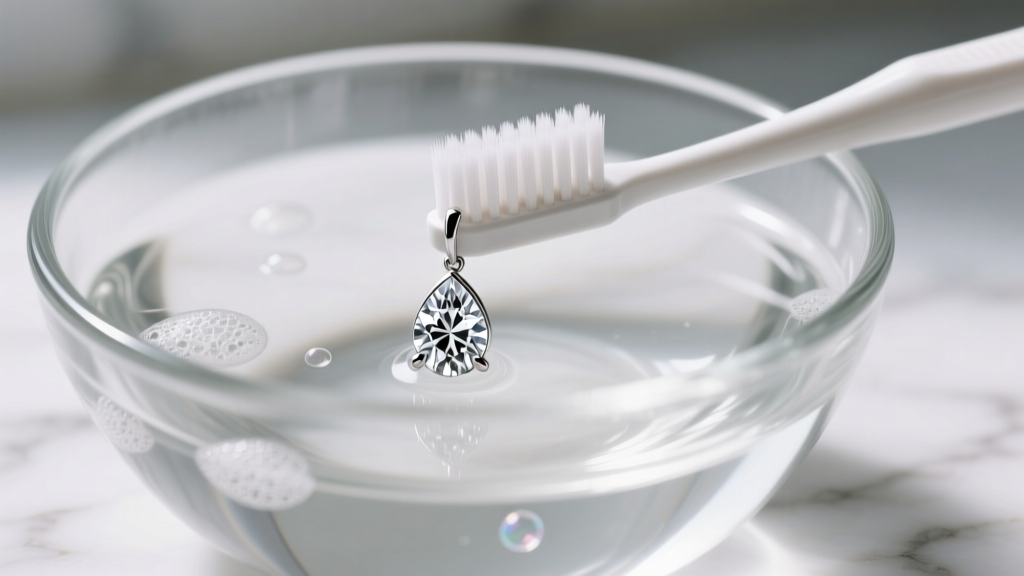
- Preparation: Mix one cup of lukewarm distilled water with three drops of mild dish soap in a glass bowl. Ensure the bowl is placed over a plugged sink or a towel to prevent accidental loss down the drain.
- Soaking: Submerge the Kwiat earrings in the solution for exactly 15 minutes. This softens hardened sebum and cosmetic residue without stressing the metal.
- Agitation: Gently brush the underside of the diamond (the pavilion) where dirt accumulates most. Use the wooden toothpick to carefully dislodge any debris trapped between the gallery wire and the diamond's girdle.
- Rinsing: Rinse the earrings under a gentle stream of lukewarm distilled water. Do not use hot water, as sudden thermal shock can cause microscopic fractures in older or treated diamonds.
- Drying: Pat dry with a lint-free microfiber cloth. Avoid paper towels, as their wood fibers can scratch the polished platinum or 18k gold settings.
Maintenance and Prong Tightening Schedule
Even the highest quality platinum and gold settings experience wear. Platinum is a dense, malleable metal that bends rather than breaks, making it excellent for prongs, but it develops a natural 'patina' (a satiny, scratched finish) over time. Conversely, if your Kwiat earrings are set in 18k white gold, they are plated with rhodium to achieve a bright white finish. This plating wears off with friction and exposure to skin acids, requiring periodic re-plating.
To maintain the security and aesthetics of your earrings, adhere to the following maintenance schedule based on your wear habits:
| Wear Frequency | Prong Inspection | Professional Polish / Rhodium | Ultrasonic Deep Clean |
|---|---|---|---|
| Daily Wear (Studs) | Every 6 months | Every 12-18 months | Annually (Solid stones only) |
| Occasional Wear (Drops) | Every 12 months | Every 2-3 years | Not Required |
| Archival / Rare Wear | Before each wear | As needed | Never |
"Never sleep in your Kwiat diamond studs. The pressure of your head against a pillow can subtly bend platinum posts and warp the butterfly backs, eventually compromising the tension that keeps the earring secure on your lobe."
How to Properly Insure High-Value Kwiat Earrings
Standard homeowner's or renter's insurance policies typically have a sub-limit for jewelry, often capping payouts at $1,500 to $2,500. Given that a pair of Kwiat Tiara cut diamond stud earrings can easily range from $15,000 to over $100,000 depending on carat weight and clarity, relying on a standard policy is a critical financial risk.
To properly protect your investment, you must schedule your earrings as a 'rider' or purchase a specialized policy through a provider like Jewelers Mutual. To do this, you will need a formal jewelry appraisal completed by a certified gemologist (GG) within the last 24 months. The appraisal must explicitly state the metal weight, the exact diamond measurements, the GIA certificate numbers, and the specific cut (e.g., 'Kwiat Tiara Cut Round Brilliant'). Keep digital copies of your GIA dossiers, original purchase receipts, and high-resolution photographs of the earrings in a secure cloud server to expedite any potential claims.
Conclusion
Owning Kwiat earrings is an exercise in appreciating elite gemological engineering. By understanding the nuances of the Tiara cut, rigorously verifying hallmarks and GIA inscriptions, and adhering to a strict, ammonia-free cleaning protocol, you ensure that your diamonds maintain their unparalleled brilliance for generations. Treat your jewelry not just as an accessory, but as a high-value asset requiring precise, expert-level care.


