Step-by-Step Guide to Styling and Cleaning Belk Pearl Earrings
Learn how to select, style, and safely clean Belk pearl earrings. Our step-by-step guide covers freshwater, Akoya, and shell pearl maintenance.


Belk has long been a trusted destination for accessible luxury in the American South, offering a curated selection of fine and fashion jewelry. When it comes to belk pearl earrings, shoppers can find everything from everyday freshwater studs under the Madison Avenue label to premium Akoya pearl drops from Biltmore and Lauren Ralph Lauren. However, owning pearl jewelry requires a specific maintenance protocol. Pearls are organic gemstones composed primarily of calcium carbonate, making them highly susceptible to acids, cosmetics, and improper storage.
In this comprehensive, step-by-step guide, we will walk you through how to evaluate your Belk pearl earrings upon purchase, properly clean them without damaging the nacre, and troubleshoot common wear-and-tear issues. Whether you are styling a pair of 6mm studs for the office or preparing 9mm drop earrings for a formal event, mastering these techniques will ensure your pearls retain their signature luster for decades.
Understanding Belk's Pearl Earring Inventory
Before applying any cleaning or styling techniques, you must identify the exact type of pearl you own. Belk typically categorizes its pearl earrings into three distinct tiers, each with unique structural properties and price points. Understanding these differences is critical, as the cleaning tolerance varies significantly between organic nacre and synthetic coatings.
| Pearl Type | Common Belk Brands | Mohs Hardness | Price Range | Cleaning Tolerance |
|---|---|---|---|---|
| Freshwater | Madison Avenue, Belk & Co. | 2.5 - 4.5 | $30 - $120 | Moderate (Avoid all chemicals) |
| Akoya (Saltwater) | Biltmore, Lauren Ralph Lauren | 2.5 - 4.5 | $150 - $450 | Low (Extremely sensitive to acids) |
| Shell / Simulated | Fashion Jewelry Lines | N/A (Glass/Plastic base) | $15 - $40 | High (Can withstand mild soap) |
According to the Gemological Institute of America (GIA), both freshwater and saltwater pearls rank between 2.5 and 4.5 on the Mohs scale of mineral hardness. This means they can be easily scratched by harder metals and gemstones, a vital factor to consider when storing your Belk purchases alongside diamond or sapphire pieces.
Step-by-Step Inspection Upon Purchase
When you unbox your new belk pearl earrings, do not skip the inspection phase. Department store jewelry counters handle high volumes of inventory, and minor structural flaws can occasionally slip through quality control. Follow this checklist to ensure your earrings meet professional standards.
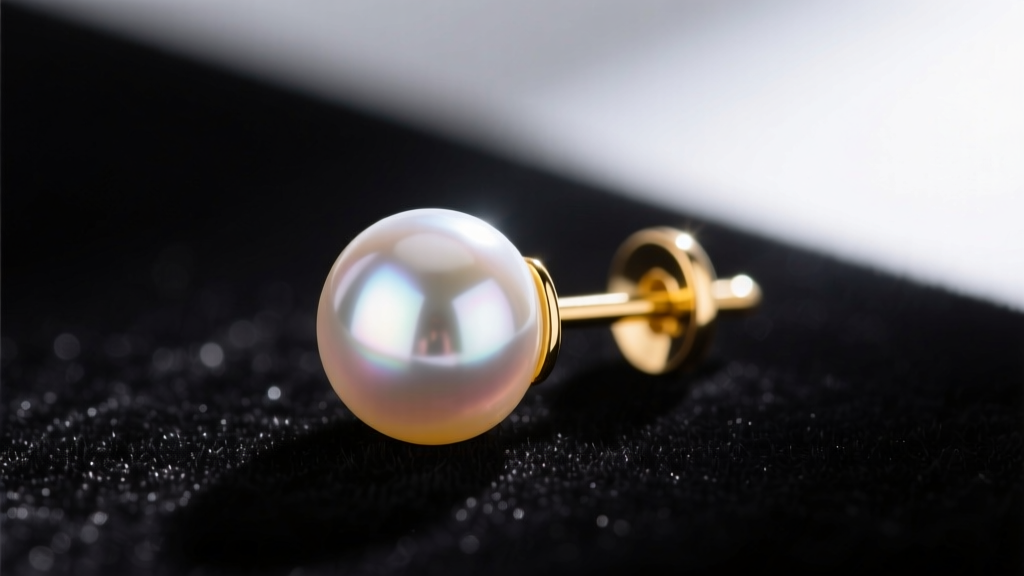
1. Evaluate the Nacre and Luster
Hold the earring under direct, natural light. High-quality Akoya pearls from Biltmore should exhibit a sharp, mirror-like reflection. Freshwater pearls may have a softer, satiny glow. Look for 'blinking'—a cloudy or dull spot that indicates the nacre was harvested too early or is wearing thin over a bead nucleus.
2. Check the Post Gauge and Soldering
Most standard pearl studs sold at Belk feature a 20-gauge (0.81mm) post. If you have custom-stretched lobes or piercings that require an 18-gauge (1.0mm) or 16-gauge (1.2mm) wire, forcing a 20G post can cause discomfort. Inspect the base of the post where it meets the pearl cup. The solder joint should be flush, with no visible gaps or excess solder blobs that could irritate your piercing tract.
3. Test the Friction Backs
Slide the butterfly back onto the post. You should feel distinct resistance and hear a soft 'click' as it passes the safety notch. If the back slides on too loosely, the silicone or metal tension springs are worn, significantly increasing the risk of losing your earring.
The 4-Step Cleaning Protocol for Organic Pearls
Never use ultrasonic cleaners, steam cleaners, or commercial silver dips on organic pearls. The high-frequency vibrations can shatter the nacre, and the harsh chemicals in dips will permanently etch the pearl's surface, destroying its luster. Instead, use this gentle, manual cleaning method.
What You Will Need
- Distilled water (Tap water contains chlorine and fluoride, which can degrade calcium carbonate over time).
- Phosphate-free, unscented liquid castile soap.
- A lint-free microfiber cloth.
- A soft-bristled makeup brush (like a clean eyeshadow brush).
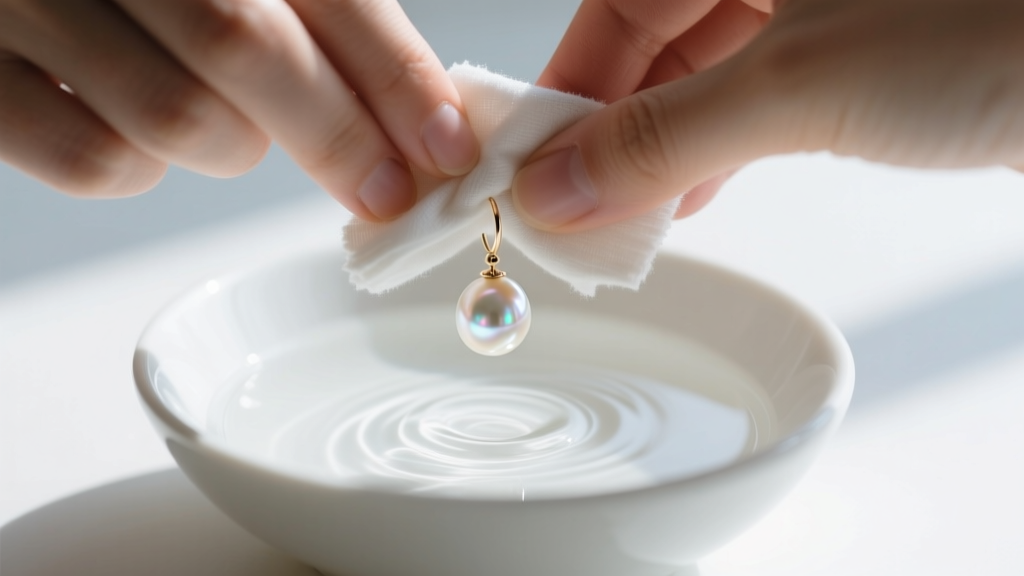
Step 1: Create the Cleaning Solution
In a small ceramic or glass bowl, mix one cup of room-temperature distilled water with two drops of the castile soap. Swirl gently to create a mild lather. Avoid using hot water, as extreme temperature shifts can cause the pearl to expand and crack, especially if it is glued to a post setting.
Step 2: Spot Clean the Nacre
Dip the soft makeup brush into the solution and gently tap it against the side of the bowl to remove excess moisture. Lightly brush the surface of the pearl in circular motions. This dislodges trapped sebum, dead skin cells, and cosmetic residue from the microscopic pores of the nacre without applying abrasive pressure.
Step 3: Wipe and Dry
Dampen a corner of your microfiber cloth with pure distilled water and gently wipe the pearl to remove any soapy residue. Immediately follow up with the dry side of the cloth. Crucial: Never submerge pearl earrings in water. If water seeps into the drill hole, it can weaken the adhesive bonding the pearl to the metal post, eventually causing the pearl to detach.
Step 4: Polish the Metal Setting
If your Belk earrings feature sterling silver (.925) settings that have tarnished, use a dedicated silver polishing cloth on the metal only. Carefully avoid touching the pearl with the polishing cloth, as the micro-abrasives embedded in the fabric will scratch the nacre.
Long-Term Storage and Styling Rules
How you store and style your belk pearl earrings is just as important as how you clean them. The American Gem Society (AGS) emphasizes that pearls require moisture to prevent cracking, but they are highly vulnerable to chemical exposure.
The 'Last On, First Off' Rule
Always put your pearl earrings on after you have applied hairspray, perfume, and makeup. The alcohol and volatile organic compounds (VOCs) in these products will strip the pearl's natural moisture and dull its luster. Conversely, take them off first when you return home, before washing your face or applying skincare acids like retinol or glycolic acid.
Proper Storage Environments
Never store pearls in airtight plastic bags or safety deposit boxes for extended periods. Plastic traps ethylene gas and deprives the pearl of ambient humidity, leading to dehydration and surface crazing (fine cracking). Store your earrings in a breathable silk or cotton pouch, separate from harder gemstones. If you must store them in a dry safe, place a small, damp cotton ball in a separate compartment to maintain ambient humidity.
Troubleshooting Common Pearl Earring Issues
Even with meticulous care, vintage or frequently worn Belk pearl earrings may encounter structural issues. Here is how to address the most common problems safely.
Problem: The Pearl is Spinning on the Post
Cause: The adhesive bonding the pearl to the metal cup has degraded due to exposure to heat or moisture.
Solution: Do not attempt to fix this with household superglue, which contains cyanoacrylates that can cloud the nacre. Take the earrings to a professional jeweler who will carefully remove the pearl, clean the drill hole with a specialized solvent, and re-set it using a two-part jeweler's epoxy designed for organic gems.
Problem: The Sterling Silver Post is Causing Irritation
Cause: Sterling silver contains 7.5% copper, which can oxidize and cause contact dermatitis in sensitive piercings.
Solution: Visit a local jeweler to have the posts swapped for implant-grade titanium (ASTM F-136) or 14k nickel-free white gold. Ensure the jeweler uses a laser welder rather than a traditional torch, as the heat from a torch can easily fracture the adjacent pearl.
By understanding the specific material properties of your belk pearl earrings and adhering to this strict maintenance protocol, you can preserve their elegance and structural integrity for a lifetime. Proper care transforms a simple department store purchase into a lasting heirloom.


