Waterproof Earrings Gold Buying Guide: What to Look For in 2026
Discover the truth about waterproof earrings gold. Learn PVD vs solid gold metallurgy, chlorine risks, and exact material grades in our 2026 buying guide.

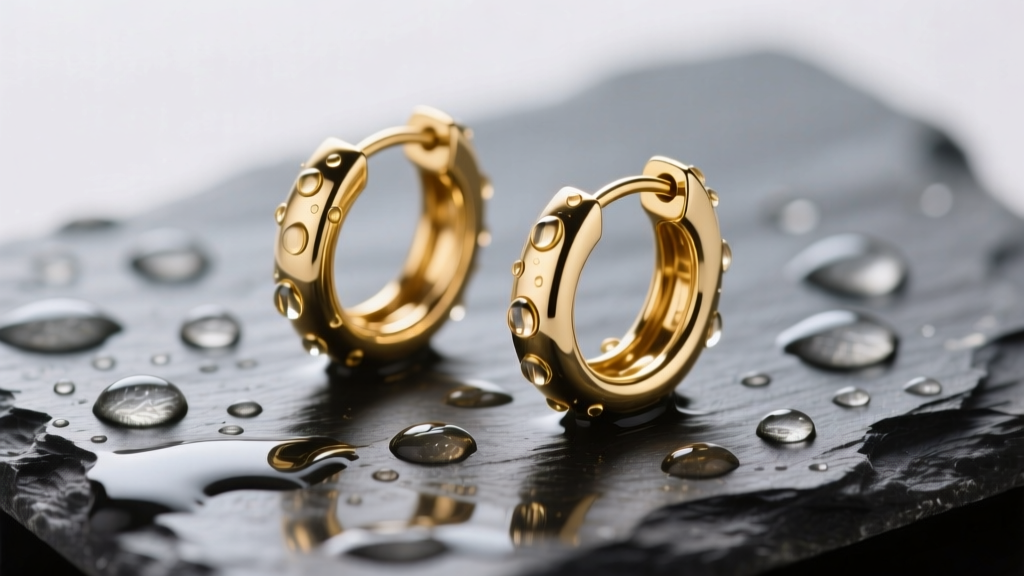
The jewelry market in 2026 is saturated with the term "waterproof," but when it comes to fine jewelry and daily wear, marketing jargon often obscures metallurgical reality. If you are searching for waterproof earrings gold, you are likely looking for pieces that can survive daily showers, humid environments, and occasional swims without tarnishing, turning your skin green, or losing their luster. However, water resistance in gold jewelry is not a binary "yes or no"—it depends entirely on the manufacturing process, the base metals used, and the specific chemical composition of the water you are exposing them to.
This comprehensive buying guide cuts through the marketing fluff. We will break down the exact material grades, coating thicknesses, and chemical vulnerabilities you need to understand before investing in gold earrings meant for water exposure.
The Metallurgy of "Waterproof" Gold Earrings
To understand what makes an earring waterproof, we must first distinguish between solid gold and gold-coated alternatives. Pure 24k gold is entirely impervious to water and oxygen; it will never rust or tarnish. However, 24k gold is far too soft for earring posts and structural components. Therefore, jewelers use alloys or alternative coating methods.
PVD Coating vs. Traditional Electroplating
Most affordable "waterproof gold" earrings on the market today utilize PVD (Physical Vapor Deposition) rather than traditional electroplating. According to technical standards from Rio Grande Jewelry Supply, PVD involves placing a base metal into a vacuum chamber where real gold is vaporized and condensed onto the surface at a molecular level. This creates a bond that is up to 10 times thicker and significantly more durable than standard flash plating. A high-quality PVD coating measures between 0.5 and 1.0 microns, providing a genuine barrier against water and sweat.
Conversely, traditional electroplating uses liquid chemical baths and electrical currents. These layers are typically less than 0.1 microns thick and will quickly degrade when exposed to hot water and shower soaps, leading to rapid tarnishing.
Solid Gold Alloys: 14k vs. 18k
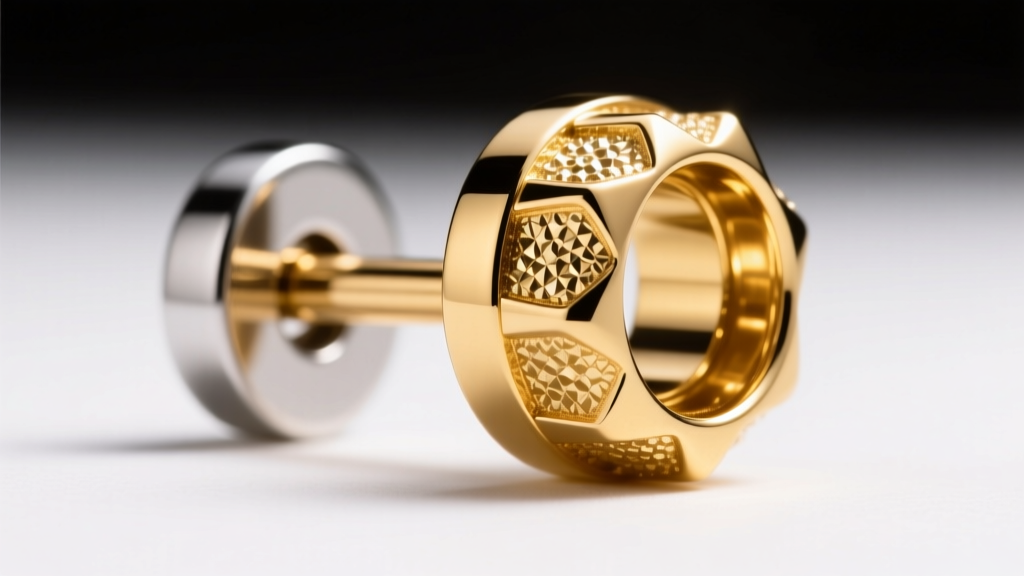
If you are buying solid gold, you are choosing between 14k (58.5% gold) and 18k (75% gold). While the gold content itself is waterproof, the alloy metals (copper, silver, zinc, and nickel) introduced to increase hardness are not. 14k gold contains more copper and silver than 18k, making it slightly more prone to surface oxidation when exposed to harsh chemicals, though it remains highly water-resistant for everyday showering.
The Chlorine Threat: Why "Waterproof" Doesn't Mean "Pool-Proof"
The most critical failure mode for gold jewelry is not pure water; it is chlorinated water. The Gemological Institute of America (GIA) explicitly warns against exposing gold alloys to chlorine. When the copper and zinc alloys in 14k or 18k gold are exposed to chlorine (found in swimming pools and hot tubs), a chemical reaction occurs that leads to Stress Corrosion Cracking (SCC).
Expert Warning: Chlorine attacks the alloy metals within solid gold at a microscopic level. Over time, this weakens the structural integrity of the earring post or the prongs holding a gemstone, leading to sudden, catastrophic snapping. Never wear solid gold earrings in a chlorinated pool.
For PVD-coated stainless steel earrings, chlorine is less likely to cause structural failure, but it can degrade the PVD layer over time, causing the gold tone to dull or patchiness to appear. If you swim frequently, you must remove your earrings or opt for implant-grade titanium with a PVD finish, which offers superior chemical resistance.
Base Metals: What Actually Survives the Shower?
If you are buying PVD-coated waterproof gold earrings, the base metal dictates the longevity of the piece once the gold layer eventually wears down at high-friction points (like the earring post groove).
- 316L Stainless Steel (Marine Grade): The industry standard for waterproof jewelry. It contains molybdenum, which increases resistance to chlorides and industrial solvents. It is highly durable, though it contains trace amounts of nickel (usually safely bound within the alloy).
- Grade 23 Titanium (Ti 6AL-4V ELI): The premium choice for sensitive ears and cartilage piercings. It is entirely nickel-free, biocompatible, and completely impervious to salt water and chlorine. PVD gold coatings on titanium last longer because titanium's surface hardness provides a better foundation for the vaporized gold to bond to.
- Brass or Copper (Avoid): Often used in cheap "waterproof" jewelry. Once the microscopic gold layer wears off, the brass will immediately react with water and oxygen, turning your earlobes green and causing contact dermatitis.
2026 Pricing Tiers for Waterproof Gold Earrings
Understanding what you should pay helps you identify counterfeit material claims. If a brand claims an earring is solid 14k gold but prices it at $25, you are looking at a mislabeled PVD or plated product.
| Material Type | Base / Core Metal | Gold Layer Thickness | Shower & Sweat Safe | Pool & Ocean Safe | Avg. Price Range (Huggies/Studs) |
|---|---|---|---|---|---|
| PVD Gold (Standard) | 316L Stainless Steel | 0.3 - 0.5 microns | Yes | No (Degrades coating) | $25 - $55 |
| PVD Gold (Premium) | Grade 23 Titanium | 0.8 - 1.2 microns | Yes | Yes (Highly Resistant) | $60 - $120 |
| Solid 14k Gold | Gold Alloy (58.5%) | Solid throughout | Yes | No (Chlorine causes SCC) | $150 - $350+ |
| Solid 18k Gold | Gold Alloy (75%) | Solid throughout | Yes | No (Chlorine causes SCC) | $250 - $600+ |
| Gold Vermeil | Sterling Silver (925) | 2.5+ microns | No (Silver tarnishes) | No | $45 - $90 |
Brand Vetting Checklist: How to Spot the Fakes
When evaluating a brand selling waterproof earrings gold, do not rely on the product title alone. Use this checklist to verify their metallurgical claims:
- Demand the Micron Specification: If a brand uses PVD, they should know the thickness. If they cannot state whether it is 0.5 or 1.0 microns, they are likely using cheap flash plating.
- Verify the Base Metal: Look for explicit mentions of "316L Surgical Steel" or "Implant-Grade Titanium." Avoid brands that simply list "stainless steel" without the 316L designation, as cheaper 304 steel is more prone to rusting once the gold wears off.
- Check the Earring Back Mechanism: Waterproof earrings should feature secure closures. For hoops and huggies, look for clicker hinges with internal locking tabs. For studs, ensure the post is thick enough (minimum 18-gauge or 1.0mm) to prevent bending, which can crack the PVD coating at the stress point.
- Review the Warranty: Reputable PVD jewelry brands in 2026 offer a minimum 1-to-2-year warranty against tarnishing and color fading. If there is no warranty, the brand does not trust its own coating process.
Maintenance and Real-World Failure Modes
Even the best waterproof gold earrings require basic maintenance to maintain their structural integrity and shine. The most common failure mode for PVD earrings is not water damage, but friction wear. The area where the earring back (butterfly clutch or silicone stopper) rubs against the post will eventually wear through the gold layer down to the steel or titanium. To mitigate this, use flat-back labret studs or seamless clicker rings that eliminate the need for a friction back entirely.
For solid gold earrings, the primary maintenance issue is soap scum and hard water mineral buildup, which dulls the metal's reflectivity. Clean them monthly using a few drops of mild, phosphate-free dish soap, warm distilled water, and an extra-soft baby toothbrush. Avoid ultrasonic cleaners if your gold earrings feature fracture-filled gemstones or porous stones like opals or pearls, as the vibrations and heat can destroy the stones.
By understanding the difference between PVD coatings, solid alloys, and the destructive nature of chlorine, you can confidently invest in gold earrings that will genuinely withstand the elements and retain their beauty for years to come.


