Wampum Earrings Troubleshooting: Fixing Cracks, Tarnish & Fakes
Discover expert troubleshooting for wampum earrings. Learn how to identify authentic quahog shell, repair micro-cracks, and remove silver tarnish safely.

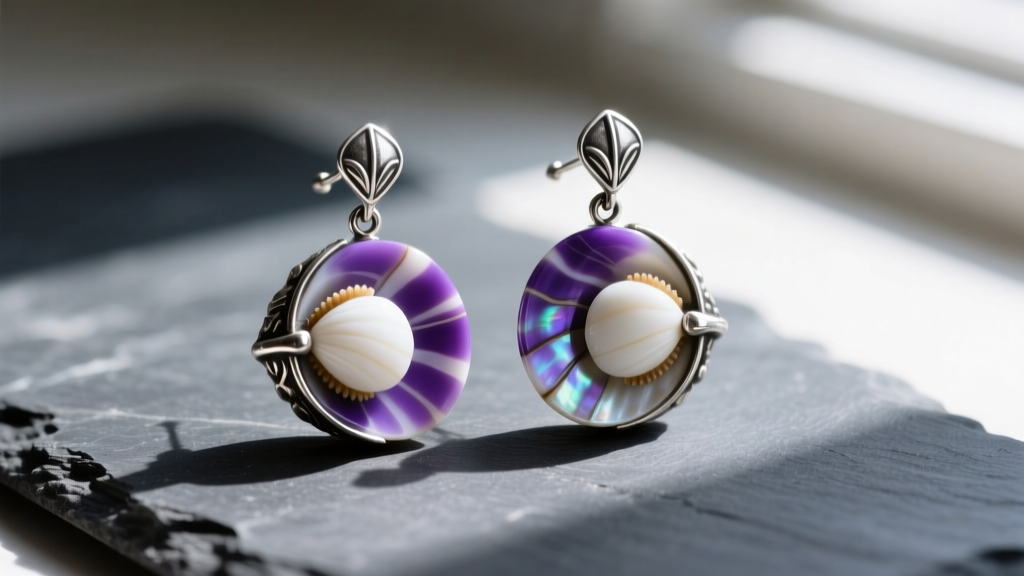
Wampum earrings hold a profound historical and aesthetic appeal, traditionally crafted from the inner shell of the quahog clam (Mercenaria mercenaria). Recognized for their striking purple and white banding, these organic gems are a staple in artisanal and heritage jewelry. However, as of 2026, the surge in demand for sustainable, nature-derived accessories has also brought an influx of manufacturing shortcuts, fragile settings, and material misunderstandings. Because organic shell is fundamentally different from crystalline gemstones, standard jewelry repair and cleaning methods can cause irreversible damage. This comprehensive troubleshooting guide addresses the most common structural, chemical, and authenticity issues plaguing wampum earrings, providing actionable, expert-level solutions for collectors and daily wearers alike.
The Fragility of Quahog Shell: Why Your Wampum Earrings Crack
Unlike agate or quartz, which rank at a 7 on the Mohs hardness scale, quahog shell is an organic composite of calcium carbonate and conchiolin (a tough, cross-linked protein). This structure gives wampum its beautiful luster but restricts its Mohs hardness to a mere 2.5 to 3.0. This means the shell is highly susceptible to cleavage and chipping from blunt force or uneven pressure in the setting.
Assessing the Damage: Micro-Fissures vs. Structural Breaks
When troubleshooting a cracked wampum earring, the first step is triage. Use a 10x jeweler's loupe to inspect the damage under bright, directional LED light.
- Micro-Fissures (Hairline Cracks): These are superficial surface cracks that do not compromise the structural integrity of the bead or cabochon. They often occur due to thermal shock (e.g., moving from a freezing outdoor environment into a heavily heated room).
- Structural Breaks: Deep fractures that separate the shell layers or run through the drill hole. These require professional lapidary intervention or complete replacement.
The Repair Protocol: For micro-fissures, jewelers utilize a low-viscosity, jewelry-grade cyanoacrylate adhesive, such as Starbond EM-02. Using a micro-applicator brush, wick a microscopic amount of the adhesive into the fissure via capillary action. Allow it to cure for 24 hours in a low-humidity environment, then gently buff the surface with a dry, untreated microfiber cloth. Never use standard superglue, as the aggressive solvents can cloud the conchiolin matrix and leave a permanent white haze.
Authenticity Check: Real Wampum vs. Dyed Resin Fakes
The market is currently saturated with imitation wampum earrings. Unscrupulous manufacturers often use dyed howlite, white resin, or even carved plastic to mimic the iconic purple and white patterns. According to the GIA Gem Encyclopedia, identifying treated or simulated organic gems requires observing specific physical and optical properties.
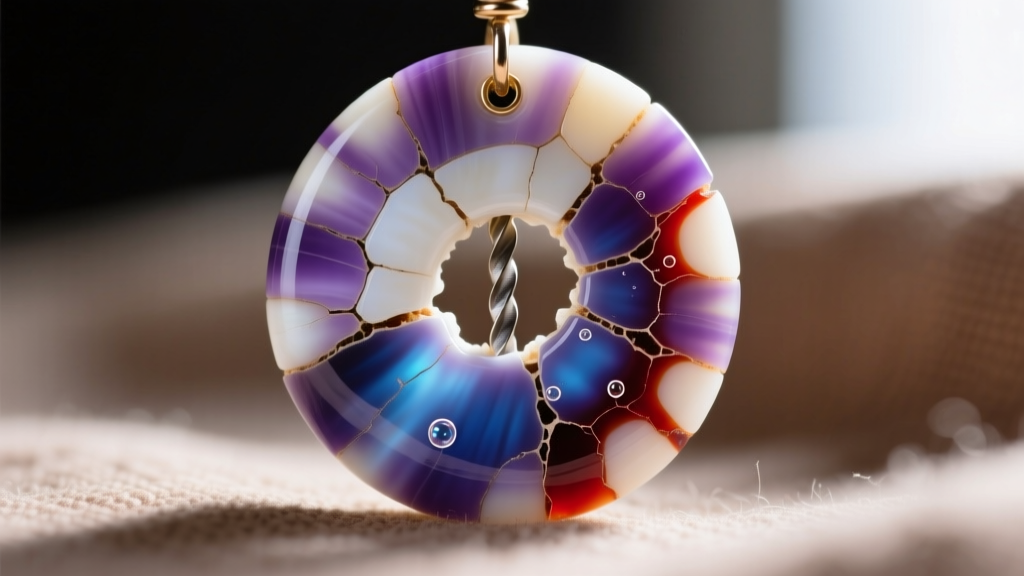
The Tooth Test and UV Light Verification
While destructive testing is out of the question for finished earrings, you can perform non-invasive verifications. Gently rub the edge of the wampum against the biting edge of your front tooth. Authentic quahog shell feels distinctly gritty and sandy due to its crystalline calcium carbonate structure, whereas resin or plastic will feel perfectly smooth and glassy.
Furthermore, examining the drill holes under a UV flashlight (365nm wavelength) is highly revealing. Authentic shell will fluoresce a dull, chalky white or remain inert, while dyed resins and plastics often exhibit a bright, unnatural blue or green fluorescence due to optical brighteners added during manufacturing.
| Characteristic | Authentic Quahog Shell | Dyed Resin / Plastic Fake |
|---|---|---|
| Temperature to Touch | Cool, takes time to warm up | Room temperature, warms instantly |
| Weight (Specific Gravity) | Heavier (approx. 2.7 - 2.8) | Noticeably lighter (approx. 1.1 - 1.4) |
| Drill Hole Edges | Sharp, may show minor chipping | Rounded, smooth, or shows mold seams |
| Pattern Transition | Organic, slightly blurred gradients | Harsh, pixelated, or stamped lines |
Chemical Warfare: Why Your Wampum is Losing Its Purple Luster
The most frequent complaint among wampum earring owners is the fading or dulling of the vibrant purple hues. This is rarely a result of UV light exposure; rather, it is a chemical reaction. Because shell is primarily calcium carbonate, it is highly alkaline and extremely reactive to acids. Human sweat (which contains lactic acid), perfumes, hairsprays, and even the natural oils from your skin can slowly etch the surface of the shell, creating a microscopically rough texture that scatters light and appears dull or chalky.
Safe Cleaning Protocols for Organic Shell Jewelry
To restore the luster without causing further chemical etching, you must avoid all commercial jewelry dips, ultrasonic cleaners, and steamers. The Jewelers of America Care Guide strictly advises against ultrasonic vibrations for organic gems, as the high-frequency waves can shatter the internal conchiolin bonds.
The Safe Wash Method:
- Mix a solution of distilled water and a single drop of phosphate-free, pH-neutral dish soap (like Dawn Free & Clear).
- Dampen a soft, lint-free cotton swab in the solution—do not submerge the earrings, as water can seep into the drill holes and degrade the metal settings from the inside out.
- Gently roll the swab over the surface of the shell to lift oils and acidic residue.
- Immediately dry the shell with a separate, dry microfiber cloth to prevent water spotting.
Tackling Sterling Silver Tarnish Without Harming the Shell
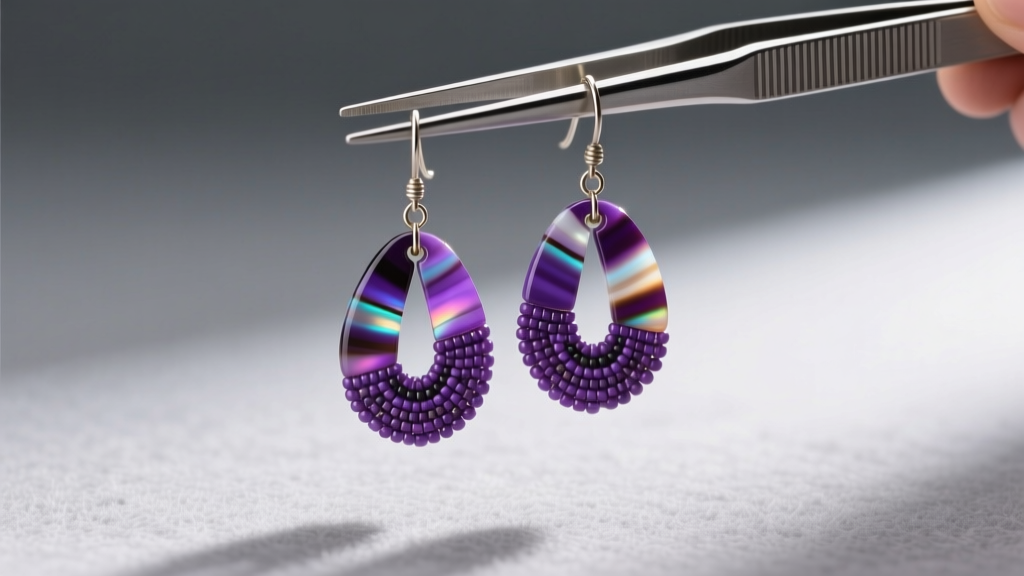
Wampum is almost exclusively set in sterling silver to complement its cool purple and white tones. However, sterling silver (92.5% silver, 7.5% copper) is prone to tarnishing when exposed to sulfur compounds in the air, forming black silver sulfide. The troubleshooting challenge lies in removing this tarnish from the intricate metal bezels without applying abrasive polishes to the adjacent, easily scratched shell.
The Modified Aluminum Foil Method
The classic baking soda and aluminum foil electrochemical bath is highly effective for silver, but submerging wampum earrings in hot, alkaline water can cause the shell to delaminate. Instead, use a targeted approach:
- Create a thick paste using baking soda and a few drops of distilled water.
- Using a wooden toothpick or a silicone-tipped sculpting tool, carefully apply the paste strictly to the tarnished silver bezel, avoiding all contact with the shell.
- Gently agitate the paste with a soft-bristled baby toothbrush.
- Wipe away the residue with a damp cotton swab and dry immediately.
For routine maintenance, utilize a treated silver polishing cloth (such as a Sunshine cloth). Fold the cloth to a sharp point to reach into the crevices between the silver setting and the shell edge, ensuring you never drag the abrasive compound across the wampum surface.
Preventative Storage and Wear Guidelines
Troubleshooting is ultimately about prevention. Wampum earrings require a specialized storage environment to maintain their structural and visual integrity. Never store wampum jewelry in airtight plastic bags, as trapped humidity can promote metal corrosion and organic degradation. Instead, store each pair individually in a breathable, unbleached cotton pouch.
Place a 3M anti-tarnish strip inside the pouch to absorb ambient sulfur gases, effectively neutralizing the primary catalyst for silver tarnish. Finally, adopt the 'last on, first off' rule: put your wampum earrings on only after applying cosmetics, perfumes, and hair products, and remove them immediately upon returning home to minimize prolonged contact with acidic skin oils. By respecting the organic nature of quahog shell, your wampum earrings will retain their historical beauty and vibrant color for decades.


