Earring Stuck in Ear? Material Causes and Safe Removal Guide
Discover why your earring is stuck in your ear due to material reactions, swelling, and threading failures, plus expert removal techniques.

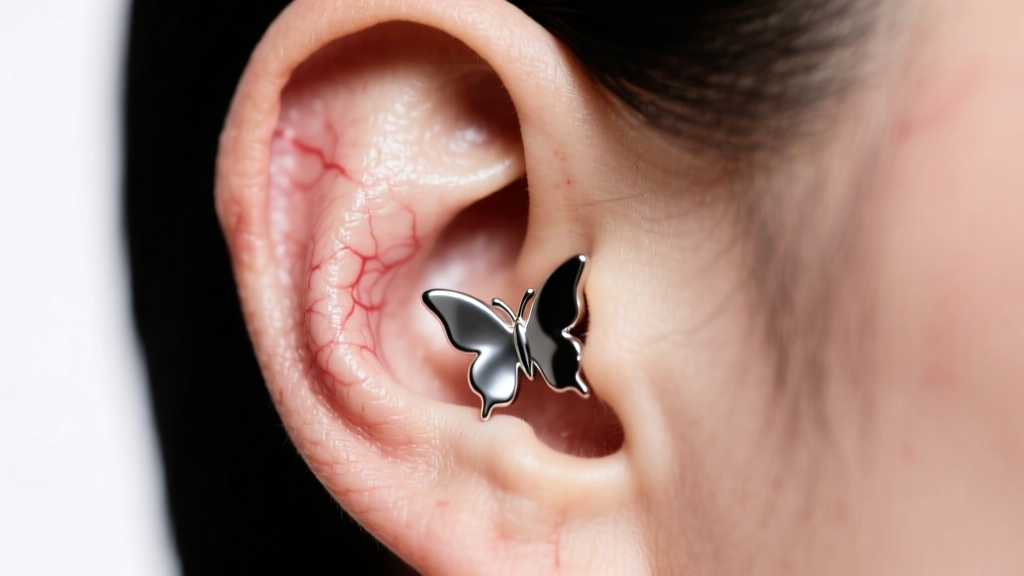
The Material Science Behind an Earring Stuck in Ear
Few jewelry emergencies induce panic quite like realizing you have an earring stuck in ear tissue. While most people blame simple swelling or sleeping awkwardly, the root cause is almost always a complex interaction between your body’s biology and the metallurgical properties of the jewelry. As a senior jewelry analyst, I see this issue constantly. The friction coefficient of the metal, the presence of reactive alloys, and the mechanical design of the earring backing all dictate whether your jewelry will slide out effortlessly or become a medical nuisance.
When an earring becomes trapped, it is rarely just a physical blockage; it is often a chemical or mechanical failure. Cheap alloys corrode when exposed to the saline environment of human sweat and sebum. This corrosion creates microscopic burrs on the earring post, effectively turning a smooth cylinder into a jagged hook that catches on the delicate fistula lining. Understanding the exact material grade of your jewelry is the first step in both safely extracting a trapped piece and preventing future incidents.
Friction, Corrosion, and Allergic Tissue Expansion
The most common culprit behind a severely stuck earring is allergic contact dermatitis, which triggers rapid tissue expansion. According to the Mayo Clinic, nickel is the leading cause of metal allergies. Many commercial earrings are made from 316L surgical steel, an alloy that contains between 8% and 10.5% nickel. When this steel sits in a warm, moist ear piercing, nickel ions leach into the tissue. The immune system responds with inflammation, causing the fistula (the piercing hole) to swell tightly around the post.
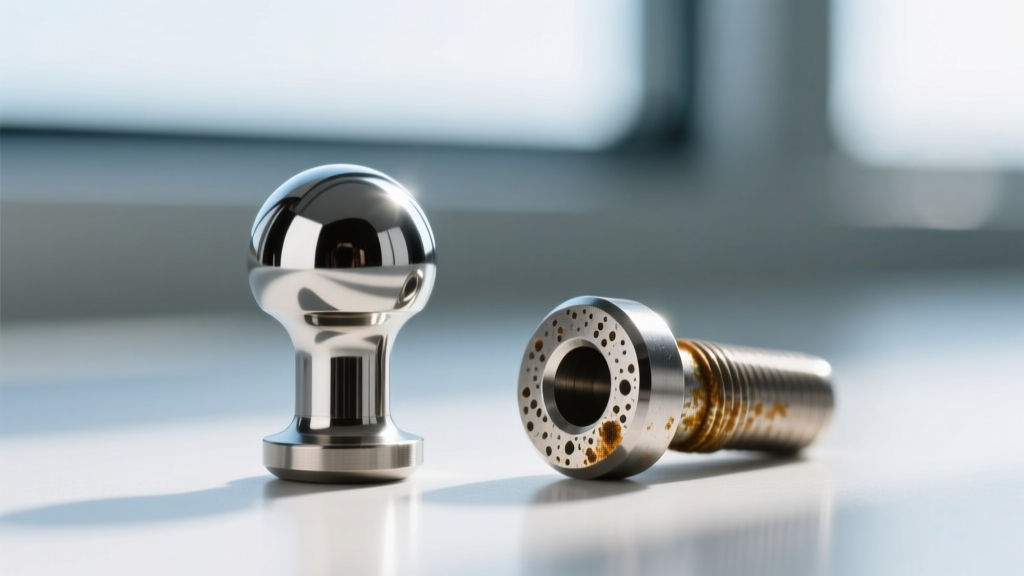
Conversely, implant-grade titanium (specifically ASTM F136) is entirely nickel-free and boasts a highly polished, mirror-like surface finish. This ultra-smooth surface drastically reduces the friction coefficient against healing or irritated tissue. If you have a titanium earring stuck, it is almost certainly due to a mechanical backing failure rather than allergic swelling. However, if you are dealing with a steel or mystery-metal earring, tissue engorgement is likely trapping the jewelry.
The Mechanical Trap: Threading and Backing Failures
Beyond tissue swelling, the physical architecture of the earring plays a massive role in extraction difficulties. The traditional "butterfly" or friction back is notorious for causing embedded jewelry. These backs rely on a tight metal spring clutch that grips the post. Over time, dead skin cells, sebum, and soap residue pack into the tiny crevices of the clutch, essentially gluing it to the earring post. Furthermore, if the post is externally threaded (where the screw ridges are on the post itself), those sharp threads act like a cheese grater on the fistula, creating micro-tears that swell and lock the jewelry in place.
Cross-threading is another severe mechanical failure. If an internally threaded earring (where the screw is on the decorative end) is forced in at an angle, the threads strip and wedge against each other. The decorative top and the backing become permanently fused by the deformed metal, leaving the entire piece stuck inside the ear.
Material & Backing Risk Matrix
| Material Grade | Common Backing Type | Allergic Swelling Risk | Mechanical Stuck Risk |
|---|---|---|---|
| 316L Surgical Steel | Butterfly / Friction Clutch | High (Nickel Leaching) | High (Sebum buildup in clutch) |
| ASTM F136 Titanium | Internally Threaded / Threadless | None (Biocompatible) | Low (Unless cross-threaded) |
| 14k / 18k Solid Gold | Push-Pin / Threadless | Very Low | Very Low (Smooth finish) |
| Mystery Alloy / Plated | Butterfly / Screw-on | Extreme (Copper/Nickel/Brass) | Extreme (Corrosion & stripping) |
Safe Removal Protocols by Material and Failure Mode
When you realize your earring is immovable, stop pulling. Brute force will tear the fistula, invite staphylococcus infections, and potentially embed the metal completely under the skin. Instead, diagnose the failure mode and apply the correct material-specific removal protocol.
Scenario 1: Swollen Tissue Over a Butterfly Back
If the earlobe is red, hot, and swollen over a steel friction back, your goal is to reduce tissue volume and lubricate the post. Do not use harsh chemicals like rubbing alcohol, which will dry out the tissue and increase friction. Instead, apply a sterile saline wound wash compress for five minutes to soften any crusted sebum. Next, apply a single drop of pure, unrefined jojoba oil to the front and back of the post. Jojoba oil closely mimics human sebum and provides excellent slip without clogging the wound. Gently twist the earring post a quarter-turn to break the seal, then push the post forward while pulling the butterfly back away with your other hand.
Scenario 2: Cross-Threaded or Stripped Metal
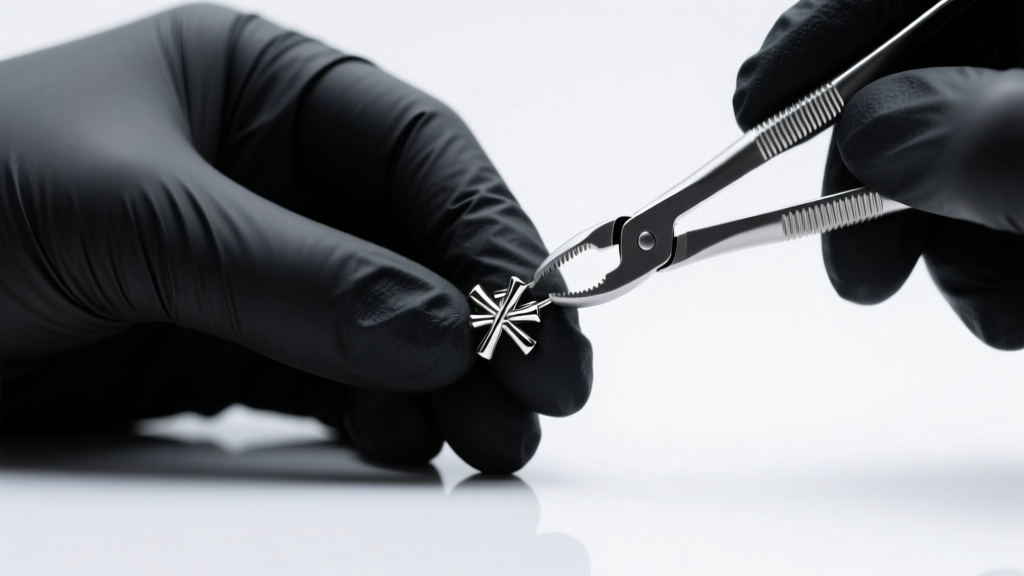
If the decorative top spins freely but won't unscrew, the threads are stripped. The Association of Professional Piercers (APP) strongly advises against using pliers from a household toolbox, as these will crush the metal and pinch the skin. You need high-grip friction. Put on a pair of textured nitrile medical gloves. The rubber provides immense grip on smooth metal. Hold the back firmly with one gloved hand, and twist the front counter-clockwise with the other. If the metal is entirely seized due to corrosion, a professional piercer will use specialized rubber-tipped hemostats to apply opposing torque without damaging the jewelry or the ear.
Scenario 3: The Embedded Friction Clutch
Sometimes, the swelling is so severe that the skin has completely grown over the butterfly back. This is a medical emergency known as embedding. If the skin has closed over the metal backing, no amount of oil or twisting will free it. You must visit a professional piercer or an urgent care clinic. A professional will use a sterile taper to gently dilate the fistula or, in severe cases, use a sterile scalpel to make a micro-incision to free the embedded clutch. Never attempt to cut the earring post yourself with wire cutters, as the pressure will crush the metal into the swollen tissue.
Long-Term Prevention: Upgrading Your Jewelry Arsenal
The ultimate cure for an earring stuck in ear is to eliminate the mechanical and chemical variables that cause it. As we move through 2026, the jewelry industry standard for daily wear has decisively shifted away from friction backs and external threading.
"If you are still wearing butterfly backs on your primary, everyday earrings, you are relying on outdated technology that prioritizes cheap manufacturing over tissue health and security."
To permanently solve this issue, upgrade to threadless push-pin jewelry or internally threaded flat-back labrets made from ASTM F136 titanium or solid 14k gold. Threadless jewelry uses a tiny, bendable metal pin that creates tension inside the hollow post. There are no threads to strip, no sharp edges to tear the fistula, and no tiny clutches to trap dead skin. The tension holds the earring securely through daily activities, yet it can be removed safely by simply bending the pin slightly and pulling it apart. By aligning your jewelry materials with your body's biological needs, you ensure that your earrings remain a source of joy, not a trip to the emergency room.


