Troubleshooting Double Ball Earrings: Fix Sagging & Lost Backs
Stop losing the backs of your double ball earrings. Learn expert troubleshooting for sagging lobes, loose clutches, and skin irritation fixes.

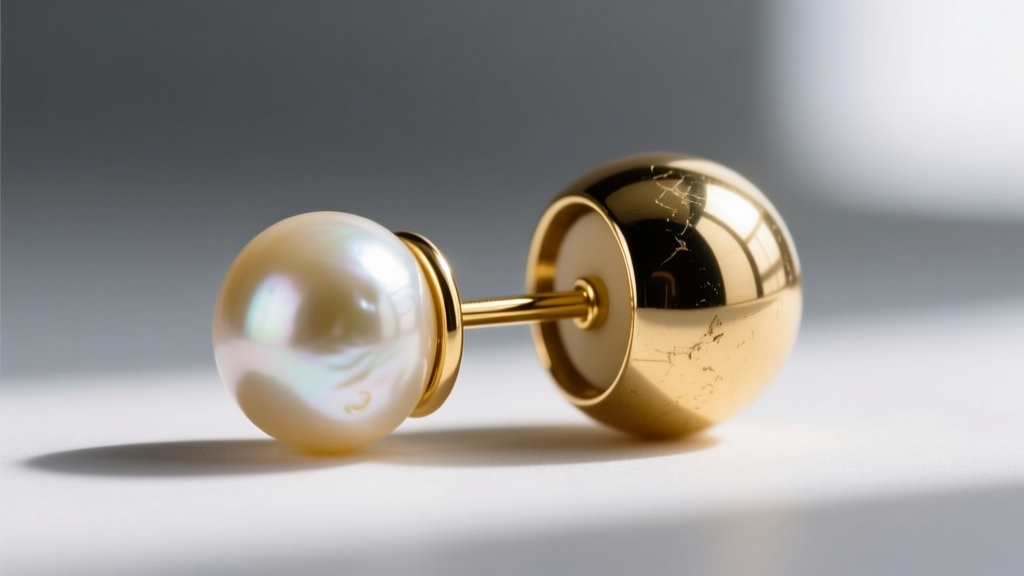
The Anatomy of a Double Ball Earring (and Where It Fails)
Double ball earrings—often recognized by their iconic front-and-back spherical design—present a unique structural challenge. Unlike standard studs, the center of gravity sits behind the earlobe. A typical piece consists of three components: a front stud (usually 4mm to 6mm), a straight post, and a large back sphere (8mm to 14mm) housing a friction clutch. When mass-market manufacturers cut costs, they compromise the post thickness and the depth of the friction notch. This leads to the four most common failure modes: lost back spheres, front studs sinking into the flesh, chronic earlobe sagging, and contact dermatitis. Below is a master troubleshooting guide to engineering a permanent fix for your favorite ear styling pieces.
Problem 1: The Back Sphere Keeps Falling Off
The most frequent complaint is the back ball detaching and disappearing. This is rarely a user error; it is a mechanical failure of the friction clutch. Standard earring posts feature a single grooved notch with a depth of just 0.2mm. Over time, the silicone O-ring inside the back sphere degrades. Exposure to skin sebum, lotions, and friction causes the silicone's Shore A hardness to drop, turning a once-grippy clutch into a slick sleeve.
The O-Ring Upgrade Solution
Instead of discarding the earring, you can retrofit the clutch system. Purchase replacement 1mm inner-diameter silicone O-rings rated at Shore 40A hardness. Using a pair of fine-tipped jewelers' tweezers, extract the degraded ring from the back sphere's metal housing and seat the new O-ring into the post's groove before sliding the back sphere on. This creates a dual-friction lock that can withstand up to 300 grams of pull force—far more than the 40 grams required for daily wear.
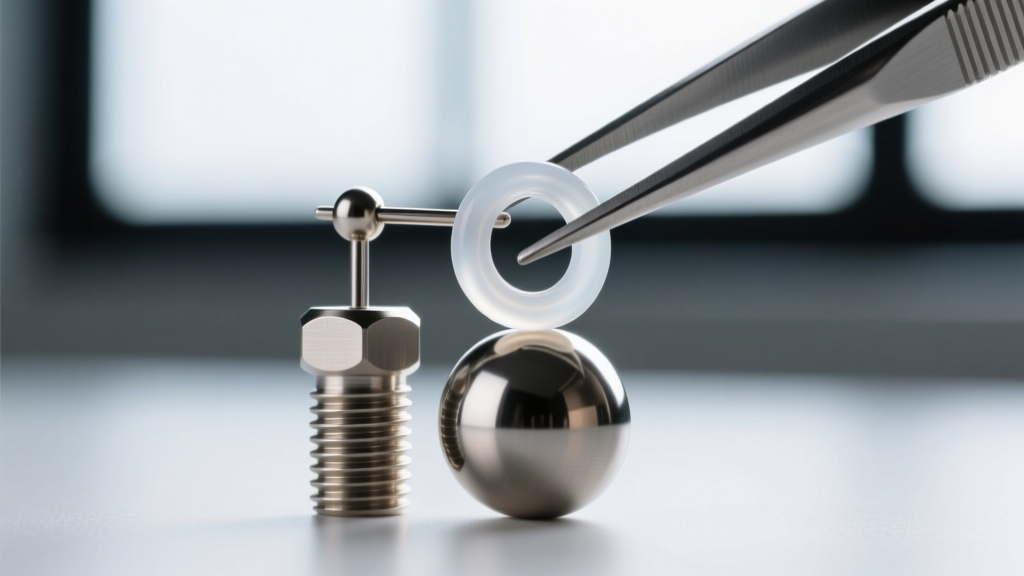
Problem 2: Front Stud Sinking Into the Earlobe
If the front pearl or gemstone constantly tilts forward and digs painfully into your earlobe, you are experiencing a lever effect. A 10mm metallic back sphere weighs approximately 3.5 grams, while a 5mm front pearl weighs barely 0.8 grams. When the post is too thin, the heavy back sphere acts as a cantilever, pivoting on the piercing fistula and driving the front stud downward into the skin.
Gauge Thickness and Weight Distribution
Most fashion double ball earrings use 20-gauge (0.81mm) posts to save on precious metal costs. This is entirely insufficient for back-heavy jewelry. To solve the sinking issue, you must upgrade to a thicker post or redistribute the frontal weight.
| Post Gauge | Diameter (mm) | Max Recommended Back Sphere Size | Best Application |
|---|---|---|---|
| 20G | 0.81mm | 6mm - 8mm | Petite lobes, lightweight acrylic backs |
| 18G | 1.02mm | 8mm - 10mm | Standard lobes, daily wear metal spheres |
| 16G | 1.29mm | 10mm - 14mm | Thick lobes, heavy gemstone or solid gold backs |
Quick Fix: If you cannot change the post gauge, slide a 4mm flat silicone friction disc onto the post directly behind the front stud. This widens the frontal surface area, preventing the stud from sinking into the tissue without requiring a new piercing.
Problem 3: Earlobe Sagging and Piercing Elongation
Wearing heavy double ball earrings for extended periods places chronic downward traction on the piercing fistula. Over months, this micro-trauma causes the circular piercing hole to stretch into an oval, eventually leading to a "cheese-cutter" effect where the post migrates downward through the lobe tissue.
Counteracting Gravitational Traction
To prevent permanent elongation, you must reduce the mass of the back sphere or support the lobe externally. High-end jewelers now offer "hollow-core" back spheres. By using 3D-cast 14k gold or precision-milled resin, the visual volume of a 12mm sphere is maintained, but the weight is reduced by up to 70%. Alternatively, apply invisible earlobe support patches (adhesive thermoplastic polyurethane stickers) to the back of the earlobe before inserting the post. These patches distribute the sheer force across a 15mm surface area, entirely neutralizing the localized traction on the fistula.
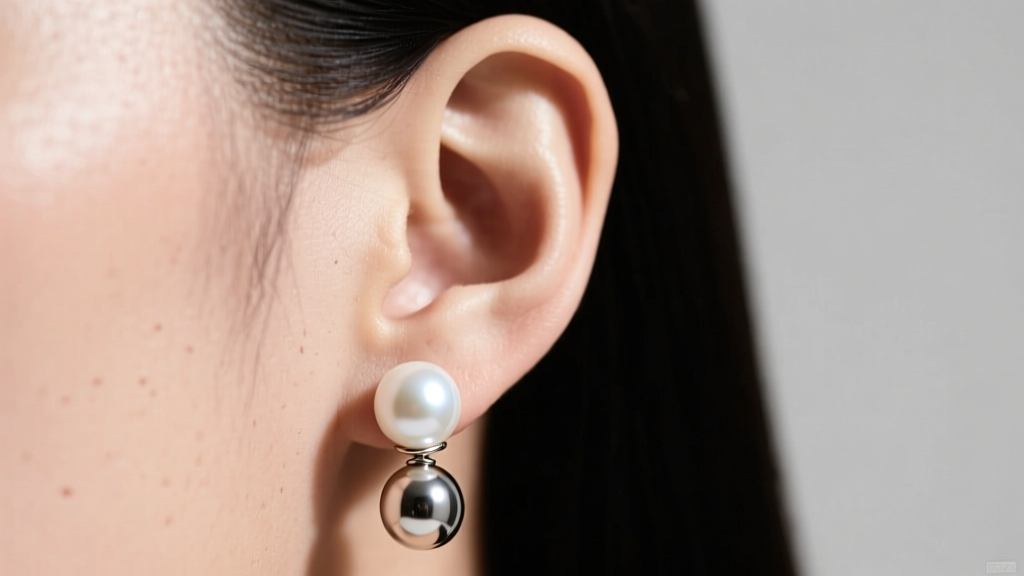
Problem 4: Contact Dermatitis and "Green Ear"
The large surface area of the back sphere rests flush against the sensitive skin behind the ear and the mastoid region. This area traps sweat and heat. If the back sphere is made of plated brass or low-grade stainless steel, the acidic pH of human sweat triggers galvanic corrosion. This leaches nickel and copper into the skin, resulting in severe contact dermatitis or the infamous "green ear" stain.
Upgrading to Biocompatible Alloys
According to the Association of Professional Piercers, any jewelry that maintains prolonged, flush contact with the skin must meet strict biocompatibility standards. If you suffer from irritation behind the ear, discard alloy back spheres immediately. Replace them with back spheres machined from ASTM F138 implant-grade titanium or solid 14k/18k nickel-free gold. Titanium is entirely inert to human sweat and sebum, eliminating the risk of allergic reactions. For a comprehensive overview of metal allergies, the Mayo Clinic's guide on nickel allergy highlights how prolonged exposure to cheap alloys is the leading cause of acquired jewelry sensitivities.
Maintenance Protocol: Cleaning the Hidden Crevice
The friction clutch inside the back sphere is a magnet for sebum, dead skin cells, and hair products. This buildup not only creates an unpleasant odor but also accelerates the degradation of the silicone O-ring.
Expert Maintenance Tip: Never use alcohol or harsh chemical solvents to clean the back sphere, as these will dry out and crack the internal silicone clutch. Instead, drop the disassembled earrings into an ultrasonic jewelry cleaner filled with warm water and a few drops of mild dish soap. Run the cleaner at 40kHz for exactly three minutes. The cavitation bubbles will safely eject trapped sebum from the microscopic crevices of the clutch mechanism without damaging the elastomers.
By addressing the mechanical flaws of post thickness, clutch degradation, and weight distribution, you can transform double ball earrings from a frustrating liability into a secure, comfortable, and permanent fixture in your jewelry rotation.


