Troubleshooting Art Deco Drop Earrings: Weight and Snags
Fix common issues with art deco drop earrings. Learn expert solutions for heavy lobe strain, snagging filigree, forward-flopping, and enamel care.

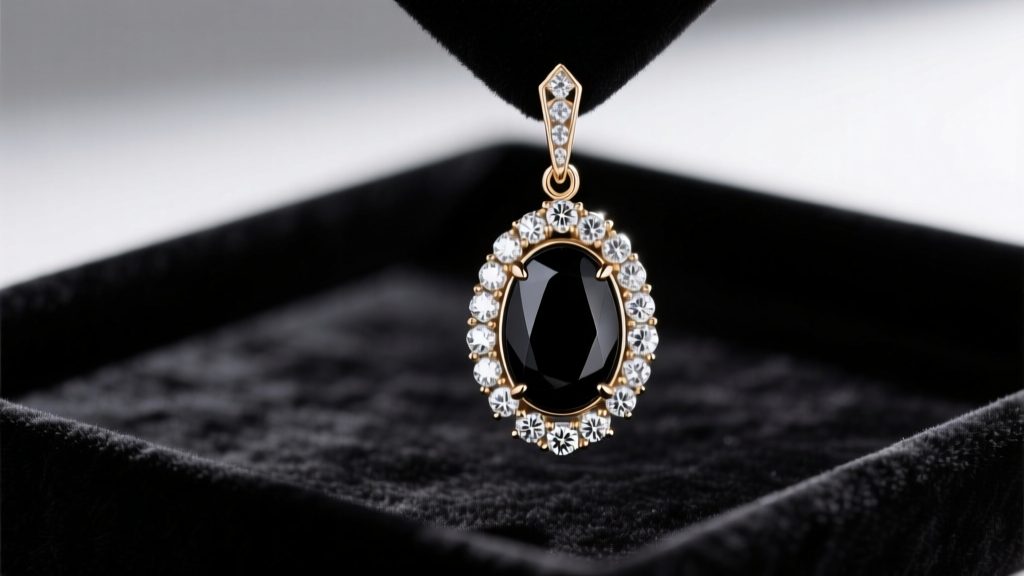
Art deco drop earrings represent the pinnacle of 1920s and 1930s jewelry design, characterized by bold geometric shapes, striking color contrasts, and intricate filigree. However, their architectural beauty often translates into significant wearability issues. Whether you own authentic vintage pieces from historic houses or modern vintage-inspired reproductions, you have likely encountered the classic triad of drop earring problems: lobe strain, forward-flopping, and relentless snagging. This comprehensive troubleshooting guide provides bench-level solutions to engineer comfort and longevity into your art deco drop earrings.
The Unique Engineering Challenges of Geometric Drops
Art deco designs often feature a lightweight top stud—such as a single round diamond or onyx cabochon—connected via a single jump ring to a massive, multi-tiered geometric pendant. When the pendant weighs more than 8 grams, the kinetic energy generated by walking creates a pendulum effect. Standard 22-gauge (0.64mm) jump rings cannot withstand this sheer stress, leading to metal fatigue and eventual snapping. Furthermore, the sharp, linear aesthetics of the 1920s mean edges are rarely softened, creating micro-burrs that catch on modern textiles and hair. Understanding these structural flaws is the first step toward fixing them.
Troubleshooting Lobe Strain and the "Forward Flop"
Heavy drop earrings are notorious for causing physical discomfort and hanging at awkward angles. Solving this requires addressing both the metal gauge and the physics of the earlobe.
Correcting Post Gauge and Backing Mechanics
Most commercial earrings use 20-gauge (0.81mm) posts. For a 12-gram art deco drop, this acts like a cheese wire against the earlobe, leading to stretching and pain. Upgrading to an 18-gauge (1.02mm) or even 16-gauge (1.29mm) post distributes the weight over a wider surface area. Pair this thick post with La Pousette lock backs, which feature a mechanical locking mechanism that prevents the earring from sliding down the post and pulling on the piercing.
Defeating the Forward Flop
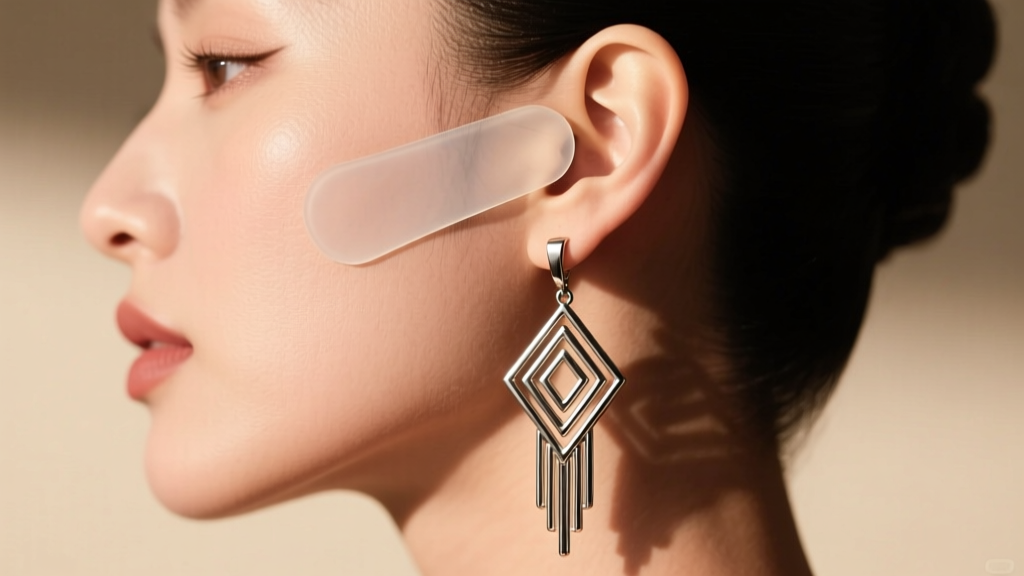
The "forward flop" occurs when the earring's center of gravity sits below the earlobe's natural resting angle, causing the top stud to tilt outward while the drop swings awkwardly against the neck. A master jeweler can fix this by laser-welding a new post lower on the backing plate, effectively raising the visual center of gravity. Alternatively, applying a discrete, medical-grade silicone ear support patch behind the lobe provides a rigid scaffold that keeps the post perfectly perpendicular to the ground.
Solving the Filigree Snagging Problem
Snagging is the enemy of delicate silk blouses and fine hair. The intricate pierced metalwork (filigree) and milgrain edges of art deco designs are notorious culprits. Here are three actionable ways to eliminate snags without ruining the vintage aesthetic:
- Micro-Pumice Polishing: A jeweler can use a fine pumice wheel to lightly buff the interior edges of the filigree cutouts. This removes microscopic burrs left by the casting or stamping process without altering the crisp exterior geometry that defines the Art Deco style.
- Renaissance Wax Coating: Applying a microscopic layer of Renaissance Wax (a microcrystalline wax used by museum conservators) to the metalwork fills in microscopic pores and smooths sharp interior angles. This drastically reduces friction against hair and fabric while protecting silver from tarnish.
- Strategic Jump Ring Soldering: If the drop element swings too wildly and catches on scarves, a jeweler can solder the connecting jump ring shut or replace it with a flush-fitting hinge pin, limiting the earring's range of motion to a safe 15-degree arc.
Material-Specific Restoration and Care
Art deco jewelry relies on a specific palette of materials that require highly specialized care. Using the wrong cleaning method will permanently destroy these pieces. According to the Gemological Institute of America (GIA), understanding the porosity and treatment history of gemstones is critical before applying any chemical or mechanical cleaning.
| Material | Common Failure Mode | Approved Cleaning Method | Strictly Avoid |
|---|---|---|---|
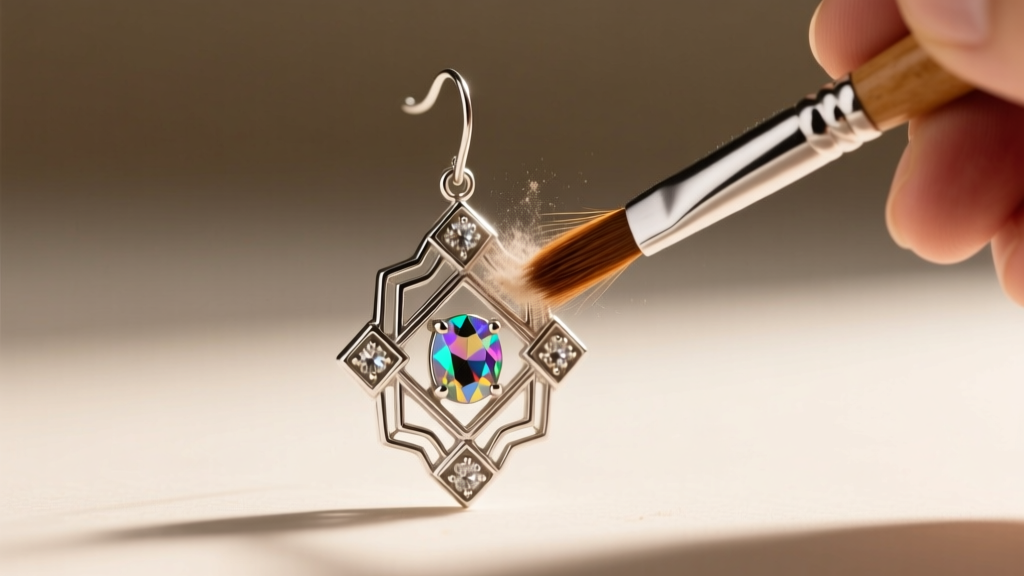
| Marcasite (Iron Pyrite) | Stones fall out due to degraded adhesive | Soft, dry horsehair brush only | Ultrasonic cleaners, steam, water immersion |
| Black Onyx (Dyed Agate) | Dye leaching, resulting in faded gray patches | Damp microfiber cloth, mild soap | Acetone, alcohol, acidic jewelry dips |
| Guilloché Enamel | Thermal shock causing glass to crack or craze | Dry, lint-free polishing cloth | Ultrasonic vibrations, sudden temperature changes |
| Rock Crystal (Quartz) | Chipping along geometric facet junctions | Warm water, mild dish soap, soft brush | Hard-bristled brushes, knocking against hard surfaces |
True vintage marcasite is actually faceted iron pyrite, glued into silver settings with jeweler's pitch or epoxy. Submerging these in liquid dissolves the adhesive, resulting in lost stones. Similarly, black onyx from the 1920s is almost always dyed chalcedony; harsh chemicals will strip the dye, leaving you with a dull, grayish stone.
When to Consult a Professional Bench Jeweler
While at-home hacks like silicone backers and wax coatings are effective, structural failures require professional intervention. If your art deco drop earrings feature platinum or white gold settings with baguette-cut diamonds, the prongs are highly susceptible to wear. Baguette prongs are typically flat and thin; once they wear down by even 0.2mm, the stone is at severe risk of falling out. The Jewelers of America recommends an annual prong inspection for all articulated drop earrings to ensure the settings remain secure.
Additionally, if the guilloché enamel on your piece has chipped, do not attempt to fill it with modern clear resin. A specialist in vitreous enamel can re-fire the glass to match the original 1920s color palette, preserving the piece's historical integrity and monetary value. Attempting DIY repairs on antique enamel often leads to irreversible thermal damage.
Final Thoughts on Wearability
Art deco drop earrings are wearable art, but they demand respect and proper engineering to function in daily life. By addressing the center of gravity, upgrading post thickness to 18-gauge, and adhering to strict material-specific cleaning protocols, you can transform a heavy, snag-prone heirloom into a comfortable, secure statement piece. Proper troubleshooting ensures these geometric masterpieces continue to dazzle without compromising your comfort or the integrity of the jewelry.


