Fixing Heavy Mary J Blige Earrings: Pain-Free Hoop Hacks
Discover how to wear heavy, oversized Mary J Blige earrings without earlobe pain. Expert troubleshooting for gauge sizes, support patches, and weight hacks.

The 'Queen of Hip-Hop Soul' Earring Dilemma
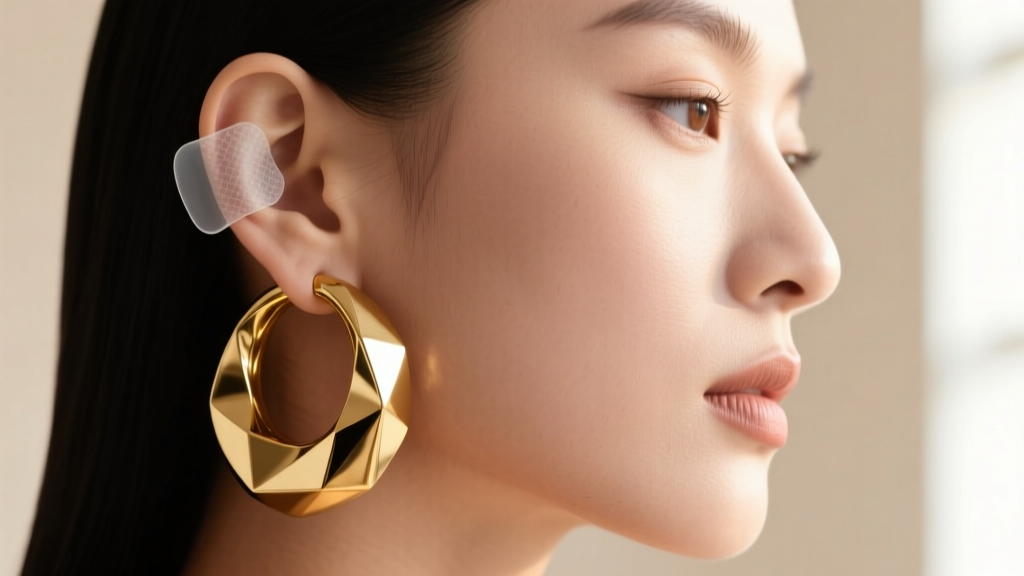
When we think of iconic music and fashion crossovers, mary j blige earrings immediately come to mind. The Queen of Hip-Hop Soul popularized the massive, oversized gold hoop and the dramatic chandelier drop, turning heavy statement jewelry into a symbol of confidence, resilience, and undeniable star power. However, replicating this legendary aesthetic in the real world often leads to a very specific, very painful physical problem: earlobe fatigue, micro-tearing, and eventual stretching.
Oversized hoops and heavy drop earrings can easily exceed 40 to 60 grams per ear. While this creates a stunning visual swing and catches the light beautifully, the human earlobe is primarily composed of adipose (fat) tissue and fibroblasts, lacking the rigid cartilage structure found higher up on the ear. When you subject this soft tissue to prolonged, heavy gravitational pull, the results are redness, inflammation, and the dreaded 'cheese-cutter' effect. In this comprehensive troubleshooting guide, we break down the exact physics, hardware upgrades, and dermatological hacks required to wear heavy statement earrings safely and comfortably.
Diagnosing Earlobe Fatigue and Hardware Failure
Before applying a fix, you must understand why your heavy earrings are causing pain. The issue is rarely just the total weight; it is the weight-to-surface-area ratio at the point of piercing. Most commercial fashion earrings are manufactured with 20-gauge (0.81mm) or 22-gauge (0.64mm) wires. When a 50-gram hoop hangs from a 20-gauge wire, all that downward force is concentrated on a microscopic slice of your skin.
According to the Gemological Institute of America (GIA), the density of traditional gold alloys means that a solid 3-inch cast hoop can weigh upwards of 45 grams. Over a four-hour period, this constant tension restricts capillary blood flow to the earlobe, leading to ischemia (tissue starvation) and the dull, throbbing ache familiar to anyone who has worn heavy vintage clips or oversized brass hoops to a concert or event.
The Gauge-to-Weight Ratio Chart
To troubleshoot your current jewelry box, you must check the wire thickness. Upgrading the post or wire gauge is the single most effective mechanical fix for heavy earring pain. Use the chart below to determine if your hardware is structurally sound for the weight it carries.
| Wire Gauge | Thickness (mm) | Max Safe Weight (Per Ear) | Best For |
|---|---|---|---|
| 22-Gauge | 0.64mm | 5 - 8 grams | Standard studs, lightweight huggies |
| 20-Gauge | 0.81mm | 10 - 15 grams | Standard hoops, small drop earrings |
| 18-Gauge | 1.02mm | 20 - 25 grams | Medium statement hoops, gemstone drops |
| 16-Gauge | 1.29mm | 30 - 40 grams | Heavy oversized hoops, chandelier styles |
| 14-Gauge | 1.63mm | 50+ grams | Massive Mary J Blige style hoops, heavy brass |
Pro Tip: If you have a pair of heavy hoops with thin wires, take them to a local bench jeweler. For roughly $30 to $50, they can snip the thin wire and solder on a thicker 14-gauge or 16-gauge gold-filled wire, instantly eliminating the cheese-cutter effect.
4 Proven Troubleshooting Hacks for Heavy Statement Drops
If upgrading the wire gauge isn't an option, or if the earrings are simply too massive for your lobes to bear alone, it is time to implement external support systems. Here are the most effective troubleshooting methods used by celebrity stylists and jewelry experts.
Hack 1: Medical-Grade Silicone Support Patches
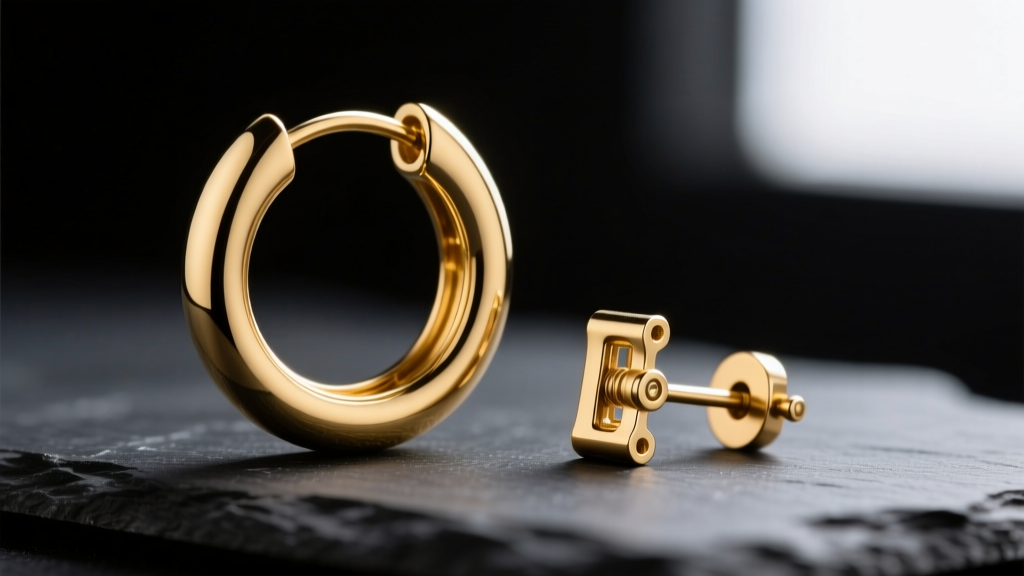
The invisible hero of heavy jewelry is the silicone earring support patch (often sold under brand names like BlingDots or LobeWonder). These are small, medical-grade silicone or foam discs that adhere to the back of your earlobe. By placing the earring post through the center of the patch before securing the clutch, you distribute the downward gravitational force across a 1-centimeter surface area rather than a single puncture point. This single hack can increase your comfortable wear time for 50-gram hoops from 45 minutes to over 6 hours.
Hack 2: The Acrylic and Electroformed Illusion
If you are shopping for new mary j blige earrings and want the visual impact without the physical penalty, look for electroformed metals or PVD-coated acrylics. Electroforming is a jewelry manufacturing process that deposits metal over a wax mold, which is later melted out, leaving a completely hollow but structurally rigid metal shell. An electroformed 4-inch gold hoop looks identical to a solid cast hoop but weighs roughly 80% less. Similarly, modern 2026 PVD (Physical Vapor Deposition) coating techniques allow acrylic hoops to achieve a flawless, high-karat gold mirror finish while weighing less than 5 grams per ear.
Hack 3: French Wire vs. Leverback Mechanics
Heavy drop earrings often utilize the 'French wire' (a simple curved fishhook). The problem? French wires shift forward, pulling the earring's center of gravity away from the earlobe and creating a lever effect that aggressively pulls the piercing hole downward. To troubleshoot this, swap to or purchase heavy drops that utilize a leverback or omega clip with a post. Leverbacks snap securely shut, keeping the earring's weight centered directly beneath the piercing, drastically reducing the forward-pull torque on your tissue.
Hack 4: The Moleskin Padding for Heavy Clip-Ons
Vintage oversized clip-on earrings are a staple of the bold, 90s-inspired aesthetic, but the mechanical clamp restricts blood flow, causing intense throbbing. To fix this, purchase adhesive moleskin padding from a pharmacy. Cut a tiny 4mm circle and stick it to the inside of the metal clamp. This creates a high-friction, cushioned barrier that allows you to loosen the tension spring slightly without the earring slipping off, restoring blood circulation to the earlobe.
The Cartilage Illusion: Offloading Weight to the Upper Ear
When the lobe simply cannot handle the drama of a heavy chandelier drop, the most advanced styling troubleshooting technique is weight offloading via the cartilage. By pairing your heavy lobe drops with a tight, structural upper-ear cuff or a conch piercing stud, you create a visual anchor that draws the eye upward. More importantly, if you use a specialized 'earlace' or chain connector that links a cartilage piercing to the top of the heavy earring, the rigid auricular cartilage actually bears 40% to 50% of the earring's total weight, giving your soft earlobe tissue a much-needed mechanical break.
Long-Term Earlobe Rehabilitation and Care
If your dedication to the oversized hoop lifestyle has already resulted in stretched, elongated, or frequently tearing piercings, you must implement a rehabilitation protocol. The American Academy of Dermatology (AAD) warns that heavy jewelry is a primary vector for trapping sweat, dead skin cells, and nickel alloys against compromised skin, leading to severe contact dermatitis and delayed healing in stretched holes.
Dermatologist's Rule of Thumb: If your earlobe feels warm, red, or tender after removing heavy hoops, you have experienced micro-trauma. Immediately switch to 14k or 18k solid gold sleepers (continuous hoops) in a 16-gauge thickness for 14 days. Avoid silver or brass during this window, as the porous nature of stretched tissue will absorb oxidized metals, leading to permanent grayish discoloration around the piercing site.
For severe stretching where the earring rests at the very edge of the lobe margin, topical treatments are insufficient. According to the American Society for Dermatologic Surgery (ASDS), earlobe repair is a minor, in-office surgical procedure that removes the stretched fistula (the skin tube of the piercing) and sutures the healthy tissue back together. After a standard 8-week healing period, the lobe can be safely re-pierced, allowing you to start fresh with proper gauge sizing and support patches.
Final Verdict: Rocking the Oversized Look Safely
You do not need to sacrifice your personal style or endure physical pain to channel iconic, bold energy. Wearing heavy, dramatic mary j blige earrings is entirely possible in 2026, provided you respect the biomechanics of your ear tissue. By auditing your jewelry box for proper wire gauges, investing in invisible silicone support patches, and embracing lightweight hollow-metal or acrylic alternatives, you can keep the drama in your outfit, not in your earlobes. Next time you reach for those massive 4-inch gold hoops, apply a support patch, check your clutch tension, and step out in pain-free confidence.