Mastering Crochet Earrings Free Patterns: Technical Hardware Guide
Explore expert techniques for crochet earrings free patterns, covering thread weights, wire gauges for ear hooks, and structural stiffening methods.

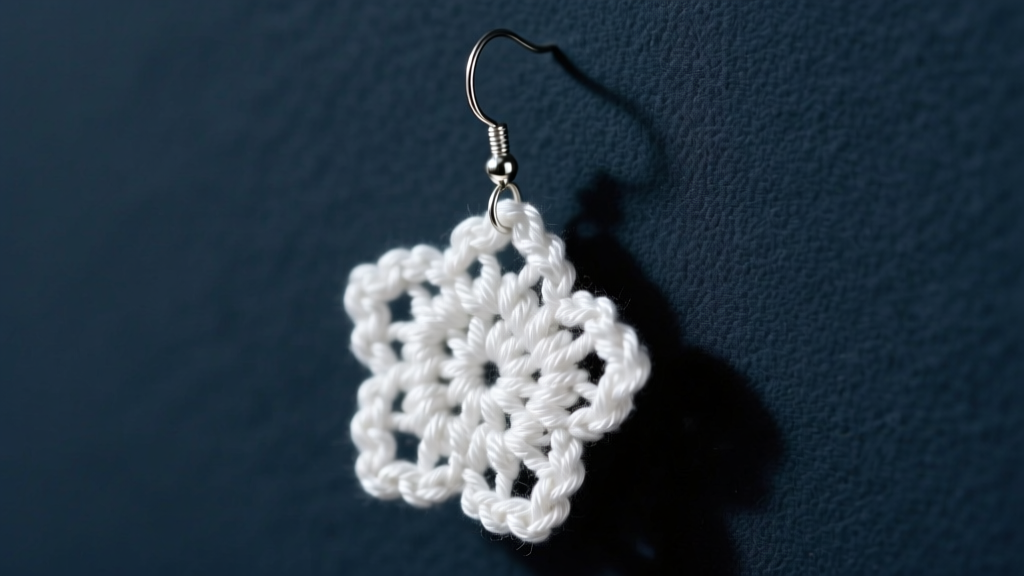
The Intersection of Fiber Art and Fine Jewelry
When searching for crochet earrings free patterns, most crafters focus solely on the stitch diagram, treating the project as a standard fiber arts exercise. However, translating a delicate lace motif into a functional, durable piece of body jewelry requires a deep understanding of metallurgy, tensile strength, and structural engineering. A beautiful crochet mandala is useless if it sags under its own weight, frays against a sharp jump ring, or triggers contact dermatitis due to poor hardware choices.
As a jewelry designer specializing in mixed-media and fiber integration, I have tested hundreds of patterns and hardware configurations. This guide moves beyond basic stitching to provide a technical deep dive into the materials, hardware gauges, and archival stiffening methods required to elevate crochet from a floppy craft into a premium jewelry category.
Selecting the Right Thread: Weight, Tensile Strength, and Drape
The foundation of any successful micro-crochet jewelry piece is the thread. Standard yarn is far too bulky and prone to pilling. Instead, you must utilize specialized crochet threads, categorized by the Craft Yarn Council sizing system. For earrings, Size 20 and Size 30 are the industry standards, offering the ideal balance between stitch definition and structural integrity.
Material Composition and Performance
Not all threads react to environmental factors equally. Moisture, skin oils, and UV exposure will rapidly degrade inferior fibers. Below is a technical comparison of the three primary thread materials used in jewelry-grade crochet.
| Material | Fiber Treatment | Tensile Strength | Moisture Resistance | Best Application |
|---|---|---|---|---|
| Mercerized Cotton | NaOH bath & singeing | High (when dry) | Poor (absorbs water/oils) | Structured lace, geometric studs |
| 100% Nylon (e.g., Lizbeth) | Extruded synthetic | Very High | Excellent | Flowing dangles, humidity-prone climates |
| Mulberry Silk | Degummed natural protein | Moderate | Moderate | Luxury bridal, high-luster drops |
Expert Insight: Always use mercerized cotton over unmercerized. The mercerization process swells the cotton fibers, increasing their surface area and luster while locking the twist. Unmercerized cotton will fuzz within a week of wear, ruining the crisp lines of your pattern.
Hardware Integration: Ear Wires, Gauges, and Jump Rings
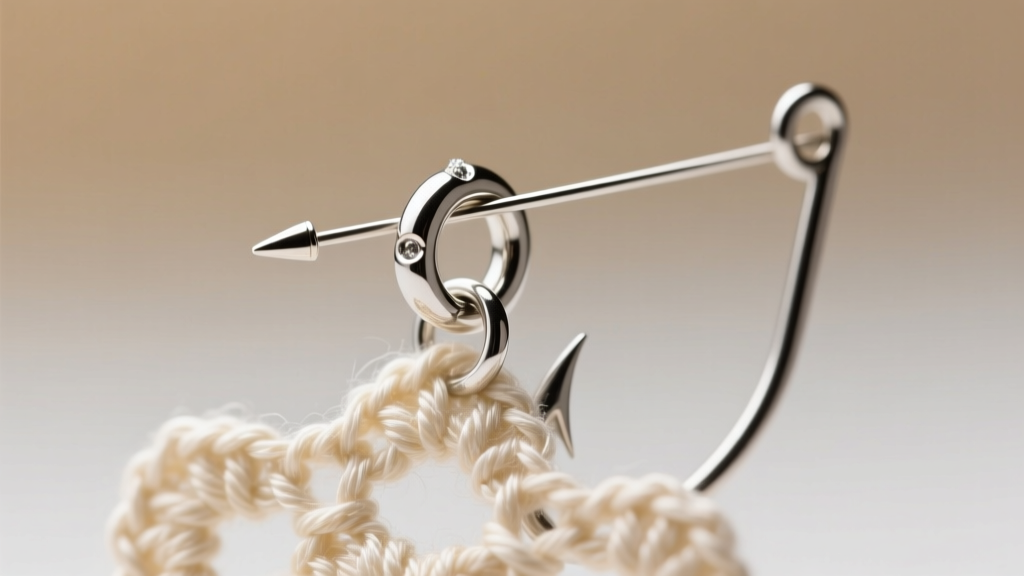
The most common point of failure in crochet earrings free patterns is the connection point between the fiber and the metal. Standard jewelry findings are designed for metal-to-metal or bead-to-wire connections, not for abrasive, moisture-retaining fibers.
Wire Gauge Specifics for Fiber Integration
Standard fishhook ear wires are typically 22-gauge or 24-gauge. The bottom loop on a 24-gauge wire is often less than 1.5mm in diameter. If you attempt to thread Size 20 cotton through this loop and tie a knot, the bulk of the thread will cause the loop to deform, and the sharp metal edge will eventually slice through the cotton fibers.
- The 20-Gauge Solution: Source or forge 20-gauge ear wires with a minimum 2.5mm bottom loop. The thicker wire provides the necessary rigidity to support the crochet motif without bending, while the larger loop accommodates the thread without excessive friction.
- Jump Ring Selection: Never use split rings (the miniature keyring style) for fiber. The sharp, overlapping ends will snag and shred the thread. Instead, use 3mm or 4mm soldered jump rings, or seamlessly closed 22-gauge sterling silver rings. According to fabrication standards from Rio Grande, soldered rings eliminate the gap that causes fiber snagging.
Preventing Galvanic Corrosion and Tarnish
Cotton and silk are hygroscopic—they absorb ambient humidity and skin oils. When these moisture-laden fibers rest against copper-based alloys (like brass, bronze, or standard sterling silver), they accelerate oxidation and galvanic corrosion. This results in green skin and blackened thread. To prevent this, mandate the use of Niobium or Grade 23 Titanium ear wires for all crochet designs. These reactive metals form a passive oxide layer that is entirely impervious to the moisture held by the crochet thread.
Structural Integrity: Stiffening and Blocking Techniques
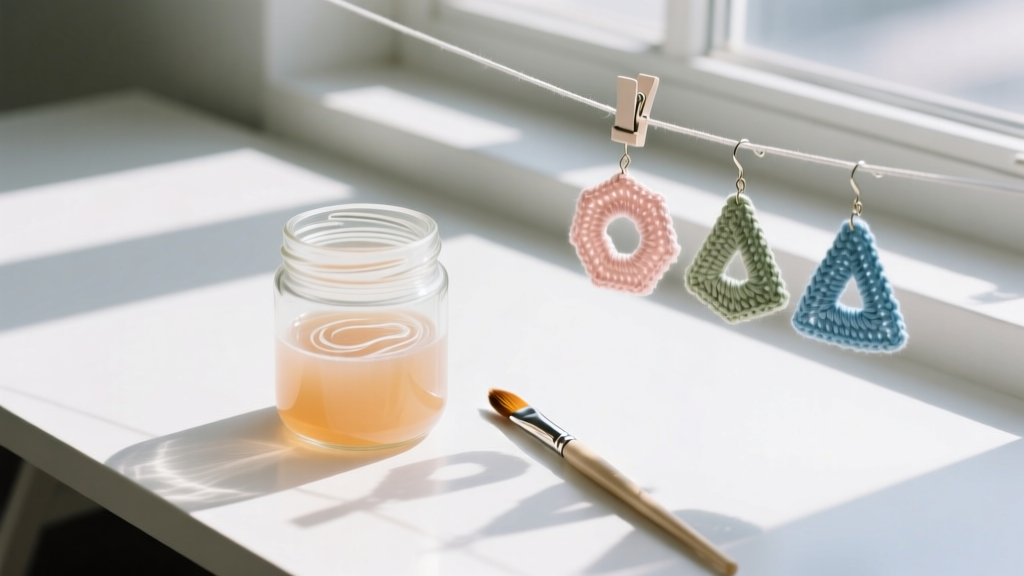
Unless the pattern is designed to be a fluid, bohemian tassel, crochet earrings require structural stiffening to maintain their geometry. However, submerging delicate lace in standard craft glues can leave a cloudy, brittle residue that cracks under pressure.
Archival Stiffening Agents
- Diluted PVA (Polyvinyl Acetate): Mix high-quality, acid-free PVA glue (like Lineco Neutral pH Adhesive) with distilled water at a 1:1 ratio. Apply with a fine-tip silicone brush, working the solution into the stitches. This provides a medium hold with zero yellowing over time.
- Jewelry-Grade UV Resin: For rigid, glass-like geometric studs, lay the blocked crochet piece on a silicone mat and apply a thin coat of doming UV resin. Cure under a 36W UV lamp for 120 seconds. This completely encapsulates the fiber, making it waterproof and crush-proof.
- Beeswax and Microcrystalline Wax Blend: For a natural, matte finish that retains slight flexibility, melt a 50/50 blend of beeswax and Renaissance Wax. Brush it onto the thread while warm. This is ideal for winter-themed or rustic patterns where a plastic-like shine is undesirable.
Adapting Crochet Earrings Free Patterns for Cartilage and Lobes
A well-engineered piece of jewelry must account for human anatomy. The earlobe can support significant weight and movement, whereas cartilage piercings (helix, flat, tragus) require rigid, low-profile designs that will not snag on hair or clothing.
Weight Distribution for Standard Lobes
For dangle and drop earrings, the center of gravity must sit directly below the piercing axis. If a crochet teardrop pattern is too wide at the top, it will tilt forward, pressing the ear wire into the back of the earlobe. Counterbalance wide motifs by adding a small, dense focal bead (like a 4mm Swarovski crystal or a tungsten micro-bead) at the absolute bottom terminus of the pattern to act as a plumb bob.
Flat-Back Modifications for Helix and Flat Piercings
Standard crochet patterns assume a dangling orientation. To adapt a crochet earrings free patterns motif for a cartilage stud, you must abandon the ear wire entirely. Instead, crochet the motif around a 10mm flat brass pad. Once stiffened with UV resin, use a two-part jeweler's epoxy (such as G-S Hypo Cement for small surface areas or Loctite E-00CL for larger pads) to bond the crochet piece to the pad. Ensure the post is soldered to the center of the pad to prevent the earring from drooping when worn in a higher cartilage piercing.
Troubleshooting Common Structural Failures
'The difference between a craft and a piece of fine jewelry is how it behaves after six months of wear. If your fiber jewelry cannot survive being dropped in a puddle or caught in a sweater, it is not finished yet.' — Master Jeweler & Fiber Artist Symposium, 2024.
Failure Mode 1: Fraying at the Connection Point
Cause: The thread is rubbing against the sharp interior edge of a split jump ring or an improperly filed ear wire loop.
Solution: Introduce a 'wire guardian' (a microscopic U-shaped metal tube used in stringing) between the thread and the jump ring. Thread the cotton through the guardian, then pass the guardian through the jump ring. This creates a metal-on-metal bearing surface, completely eliminating fiber abrasion.
Failure Mode 2: Loss of Tension and Sagging
Cause: High ambient humidity causing cotton fibers to relax and stretch.
Solution: Incorporate a hidden armature. Before closing the final round of your crochet pattern, weave a 28-gauge dead-soft copper or silver wire into the stitch work. This allows you to physically bend and reshape the earring back into its intended geometry even after the fibers have relaxed.
Failure Mode 3: Color Bleeding onto Skin
Cause: Using hand-dyed or poorly set commercial threads that lack colorfastness.
Solution: Always perform a bleed test before committing to a pattern. Snip a 2-inch length of thread, submerge it in warm water with a drop of pH-neutral soap, and press it against a white paper towel. If any pigment transfers, the thread must be sealed with a textile fixative (like Retayne) before being used in jewelry that will rest against the highly vascular skin of the neck and jawline.
Final Thoughts on Pattern Selection
When evaluating crochet earrings free patterns, look beyond the aesthetic appeal of the finished photograph. Scrutinize the pattern for structural foresight: Does the designer specify mercerized thread? Do they recommend soldered findings? Is there a blocking and stiffening protocol included? By applying these rigorous jewelry-making standards to your fiber arts, you transform ephemeral crafts into enduring, heirloom-quality accessories that command respect in the contemporary jewelry market.


