How to Clean Jewelry So Every Picture of an Earring Shines
Learn expert cleaning and maintenance tips to restore your studs, hoops, and cartilage jewelry so every picture of an earring looks flawless.

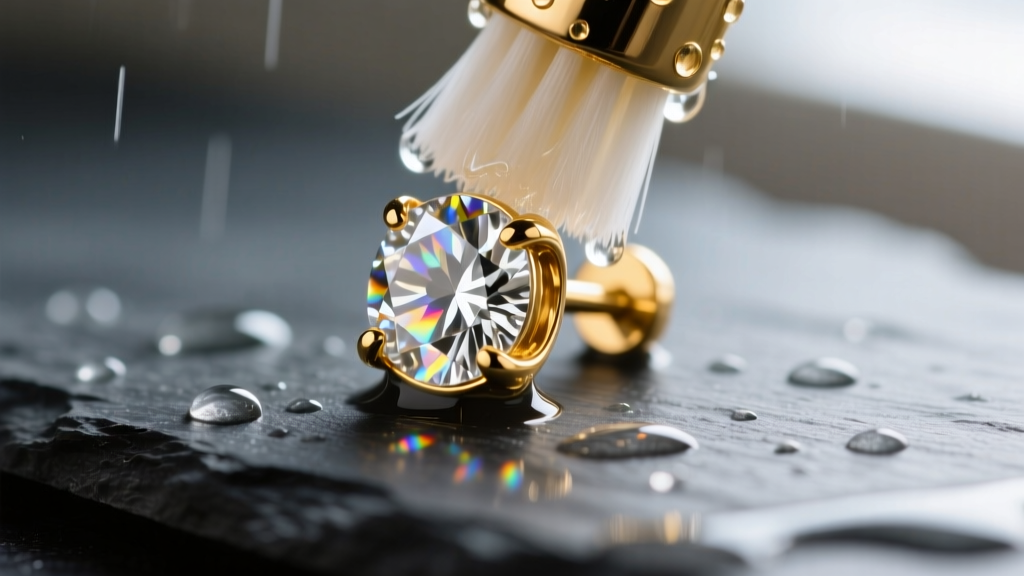
When scrolling through high-end jewelry catalogs or curated social media feeds, a pristine picture of an earring often catches the eye. The light catches the facet of a diamond or the polished curve of a gold hoop without a single blemish. However, macro photography is brutally unforgiving. In the era of 2026's hyper-detailed 8K screens and extreme close-up trends, taking a flawless picture of an earring requires more than just good lighting; it demands rigorous, science-backed cleaning and maintenance protocols. Sebum, dead skin cells, cosmetic residue, and environmental oxidation can quickly turn a brilliant piece of jewelry into a dull, lifeless object. This guide dives deep into the metallurgy and gemology of earring care, providing actionable frameworks to maintain your collection.
Material-Specific Cleaning Protocols
Not all metals react to cleaning agents equally. Using the wrong chemical can strip platings, pit porous metals, or permanently cloud gemstones. Understanding your jewelry's exact material composition is the first step toward proper maintenance.
Implant-Grade Titanium (ASTM F136) & Niobium
Titanium and niobium are the gold standards for initial piercings and sensitive cartilage due to their exceptional biocompatibility. According to the Association of Professional Piercers, ASTM F136 titanium is highly resistant to corrosion and bodily fluids. To clean these pieces, avoid harsh chemicals like bleach or rubbing alcohol, which can degrade the anodized color layers on niobium. Instead, use a solution of warm distilled water and a few drops of pH-neutral dish soap. Soak for ten minutes, then gently agitate with a soft-bristled baby toothbrush. Rinse thoroughly and dry with a lint-free microfiber cloth to prevent water spots.
Solid Gold (14k/18k) & Platinum
Solid gold alloys (mixed with copper, silver, or zinc for durability) and platinum are relatively low-maintenance but attract oils heavily. The prongs on diamond studs or the hidden hinges on gold huggie hoops can trap microscopic debris. Create a gentle degreasing bath using warm water and a few drops of ammonia-free dish detergent. For intricate filigree or pavé settings, use a wooden toothpick to carefully dislodge compacted lotion or skin cells from beneath the gallery of the earring. Never use abrasive toothpaste, as its hardness (around 3-4 on the Mohs scale) can micro-scratch high-polish gold finishes, ruining the mirror effect required for a perfect picture of an earring.
Sterling Silver (925) & Oxidation Removal
Sterling silver contains 7.5% copper, which reacts with sulfur in the air and skin acids to form silver sulfide—the black tarnish seen on neglected jewelry. For light tarnish, a dedicated silver polishing cloth impregnated with jeweler's rouge is sufficient. For heavy oxidation, especially in the crevices of vintage drop earrings, create an electrochemical bath. Line a glass bowl with aluminum foil (shiny side up), add boiling water, a tablespoon of baking soda, and a teaspoon of salt. Submerge the silver earrings for 3 to 5 minutes. The sulfur transfers from the silver to the aluminum, restoring the metal without removing any silver mass.
The Ultrasonic vs. Steam Cleaning Matrix
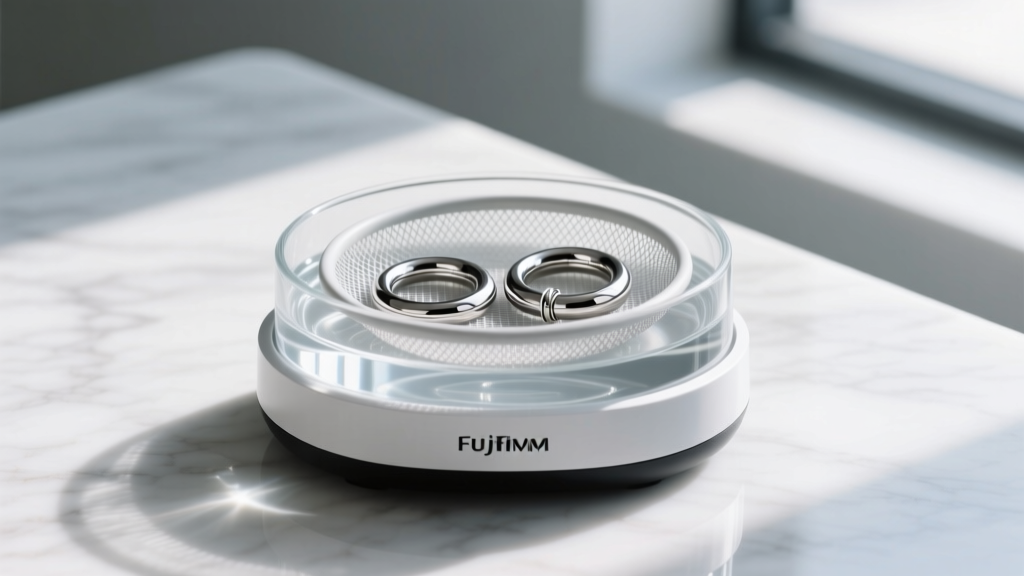
Professional jewelers rely on technology to achieve that perfect picture of an earring, but consumer-grade machines require careful operation. Ultrasonic cleaners use high-frequency sound waves (typically 40-45 kHz) to create cavitation bubbles in a liquid solution. When these bubbles collapse against the jewelry, they generate microscopic shockwaves that blast away dirt. Steam cleaners use pressurized, heated vapor to melt away oils. Below is a decision matrix for safe usage.
| Cleaning Method | Best For | Never Use On | Frequency |
|---|---|---|---|
| Ultrasonic (40kHz) | Diamonds, Sapphires, Solid Gold, Platinum | Emeralds, Opals, Pearls, Plated Jewelry | Monthly |
| Steam Cleaning | Hard stones in secure bezel or prong settings | Thermal-shock sensitive stones, fracture-filled gems | As needed |
| Mild Soap & Water | ALL metals, Anodized Titanium, Niobium | Porous organics (Pearls, Coral, Amber) | Weekly/Bi-weekly |
| Electrochemical Bath | Heavily tarnished solid Sterling Silver (925) | Silver-plated items, Oxidized (blackened) silver designs | Quarterly |
Mechanical Maintenance: Threads, O-Rings, and Clasps
A clean earring is useless if its mechanical components fail. The transition from traditional "butterfly" friction backs to internally threaded or threadless (push-fit) systems has revolutionized earring security, particularly for 16-gauge and 14-gauge cartilage studs.
- Friction Backs: These wear out over time; the metal loops lose their tension, leading to lost earrings. If you must use them, periodically squeeze the loops gently with flat-nose pliers to restore tension.
- Internally Threaded: The internal threads can accumulate debris, making the decorative end difficult to screw on. Clean the internal threading with a soft brush and 91% isopropyl alcohol, which evaporates quickly without leaving water spots or causing rust on steel components.
- Threadless (Push-Fit): These earrings rely on the tension of a slightly bent pin inside the hollow post. If the earring feels loose, remove the decorative end and bend the pin slightly more (just a fraction of a millimeter) before reinserting. Do not over-bend, or you risk snapping the pin or damaging the internal wall of the 14k or titanium post.
Gemstone Vulnerabilities: What to Avoid
The Gemological Institute of America (GIA) warns that ultrasonic cleaners can shatter or ruin certain gemstones. Diamonds, sapphires, and rubies (corundum) are generally safe due to their high Mohs hardness and lack of cleavage planes. However, emeralds are almost always fracture-filled with cedar oil or synthetic resins. The cavitation and heat of an ultrasonic cleaner will strip this filler, leaving the stone looking cloudy and heavily included.
Similarly, opals (especially Ethiopian hydrophane opals) are highly porous. Submerging them in water or chemical solutions can cause them to absorb liquids, leading to cracking or a permanent loss of their "play-of-color." Clean opal and pearl earrings only with a barely damp, soft cloth, and never use steam or ultrasonic waves.
Archival Storage for Long-Term Brilliance
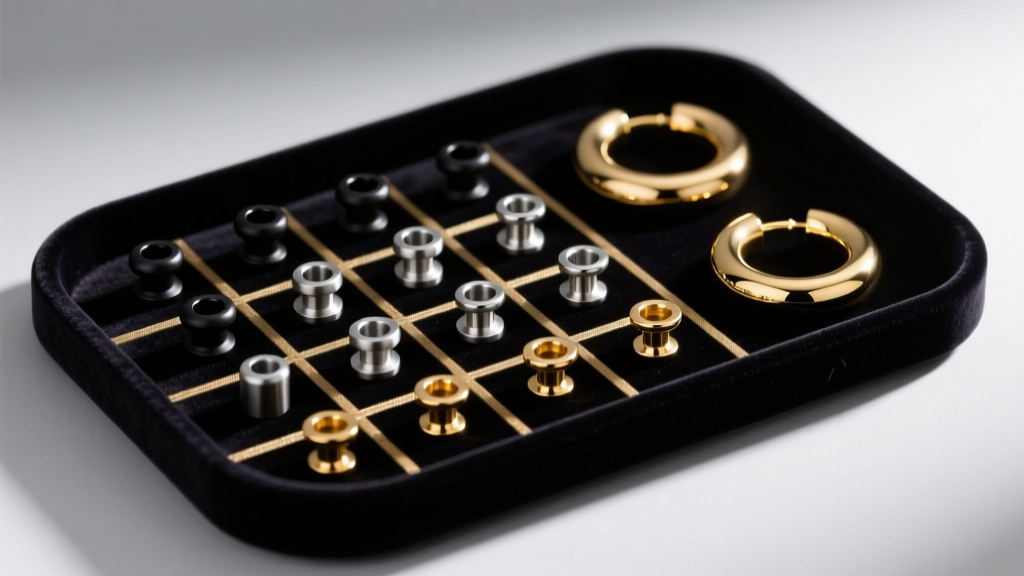
How you store your earrings dictates how much cleaning they will require in the future. Tossing jewelry into a communal box guarantees micro-scratches and tangled chains. Invest in a multi-compartment jewelry box lined with anti-tarnish fabric. For silver pieces, include 3M anti-tarnish strips in each compartment; these strips absorb airborne sulfides and typically need replacing every six months.
For individual protection, store each pair in its own airtight polyethylene ziplock bag. Squeeze out excess air before sealing to minimize the oxygen available for oxidation reactions. Keep your storage environment climate-controlled—high humidity accelerates both silver tarnishing and the degradation of organic materials like pearls and tortoiseshell.
Conclusion
Maintaining a pristine collection requires a blend of chemical knowledge and mechanical care. By tailoring your cleaning methods to the specific metallurgy and gemology of your pieces, you ensure that whether you are wearing them daily or preparing for a macro picture of an earring for resale, your jewelry will always reflect light flawlessly.


