Troubleshooting an Irritated Industrial Bar Earring: Expert Fixes
Is your industrial bar earring causing pain, bumps, or migration? Discover expert troubleshooting tips on bar length, gauge, materials, and aftercare.

The Anatomy of Industrial Piercing Complications
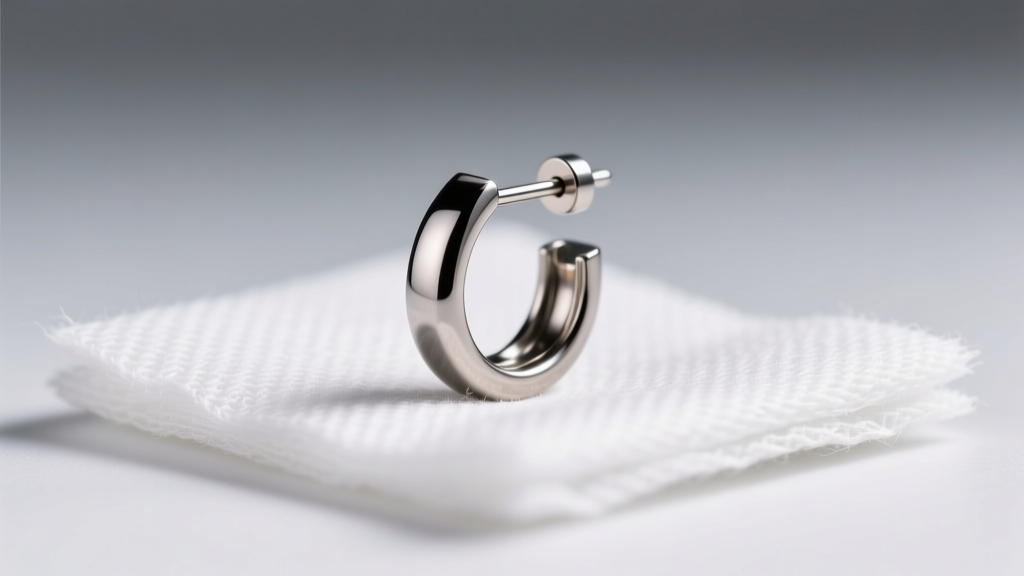
An industrial piercing connects two distinct cartilage points—typically the forward helix and the outer helix—using a single rigid barbell. While visually striking, the industrial bar earring is notoriously unforgiving. Because it locks two independent healing wounds into a single fixed plane, any anatomical mismatch, material sensitivity, or mechanical stress immediately translates into inflammation, piercing bumps, or outright migration. Healing timelines frequently stretch from 6 to 12 months, and sometimes longer. If you are dealing with a stalled, painful, or angry industrial, this troubleshooting guide will help you diagnose the exact failure point and implement professional-grade corrections based on modern body modification standards.
The Diagnostic Checklist: Identifying Your Failure Mode
Before swapping jewelry or changing your aftercare routine, you must identify the mechanical or biological root cause of the irritation. Use this diagnostic checklist to pinpoint the issue:
- The Seesaw Effect: If you press one end of the bar and the other end lifts or digs into the skin, your piercing holes are not perfectly aligned. The bar is acting as a lever, creating constant tension on the fistula.
- Ovalization: Look closely at the piercing holes. Are they round, or have they stretched into oval slits? Ovalization is a primary indicator of migration caused by angle mismatch or chronic snagging.
- Embedded Ends: If the skin is swallowing the bead or the flat disc at either end, the bar is too short to accommodate your ear's natural swelling or cartilage thickness.
- Localized Heat and Weeping: While some clear lymph fluid is normal, thick yellow discharge accompanied by radiating heat and throbbing pain may indicate a bacterial infection or a severe allergic reaction to nickel.
Troubleshooting Fit: Bar Length and Angle Mismatches
The most common reason an industrial bar earring fails to heal is poor anatomical alignment. Not every ear has the necessary ridges to support a standard straight bar. If your piercer did not use a flexible taper to verify the angle before inserting the jewelry, you may be fighting a losing battle against tension.
Standard vs. Custom Industrial Bar Dimensions
Most commercial jewelry brands sell a one-size-fits-all bar, which is a recipe for disaster. Below is a breakdown of standard sizing versus what you might actually need for a tension-free fit.
| Dimension | Standard Retail Size | Custom / Professional Fit Range | When to Use Custom Sizing |
|---|---|---|---|
| Gauge (Thickness) | 14G (1.6mm) | 14G or 16G (1.2mm) | 16G is preferred for delicate cartilage or to reduce weight during initial healing. |
| Bar Length | 1.5 inches (38mm) | 1.25" to 1.75" (32mm - 44mm) | Longer bars are needed for initial swelling; shorter bars prevent snagging once healed. |
| Bar Style | Straight Barbell | Custom-Bent / Hinged | Custom-bent bars accommodate ears where the forward helix and outer helix sit on different planes. |
The Fix: Visit an APP-certified piercer to have the angle assessed. If the holes are misaligned, the piercer may need to let one hole close and repierce it, or switch to a custom-bent titanium bar that matches your unique ear topology.
Material Reactions: Spotting Allergic Contact Dermatitis
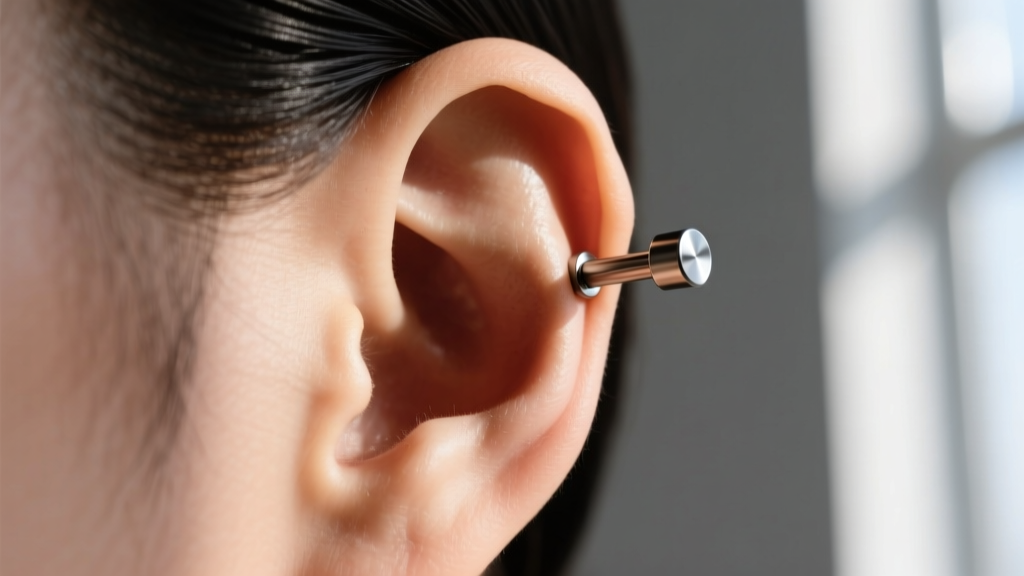
If your industrial bar earring is causing intense itching, flaking skin, or persistent clear fluid weeping, you may be experiencing allergic contact dermatitis. According to the Cleveland Clinic, nickel is one of the most common triggers for contact dermatitis. Many cheap or mid-tier jewelry brands use 316L "surgical steel," which contains up to 14% nickel. When exposed to saline solutions and sweat, the nickel leaches into the fistula, triggering an immune response that mimics an infection.
The Titanium Mandate
To eliminate material-based irritation, you must upgrade to ASTM F-136 implant-grade titanium. This specific alloy is entirely nickel-free and is the gold standard for fresh cartilage piercings. Avoid "titanium-plated" or "titanium-coated" jewelry, as the plating can wear off inside the piercing channel, exposing the base metal to your tissue. Expect to pay between $45 and $85 for a high-quality, internally threaded, implant-grade titanium industrial bar from reputable brands like Industrial Strength or NeoMetal.
Addressing Hypertrophic Scarring and Piercing Bumps
Piercing bumps on an industrial are rarely keloids (which are genetic and grow beyond the wound site); they are almost always hypertrophic scars or localized irritation bumps caused by friction, moisture, or angle tension.
"The most effective way to treat an irritation bump is to remove the source of the trauma. No amount of topical treatment will resolve a bump if the jewelry is sitting at an incorrect angle or if the client is sleeping on the piercing."
— Association of Professional Piercers (APP) Aftercare Guidelines
Step-by-Step Bump Eradication Protocol
- Stop Using Harsh Chemicals: Discard tea tree oil, rubbing alcohol, hydrogen peroxide, and antibacterial soaps. These destroy the delicate epithelial cells trying to line the fistula.
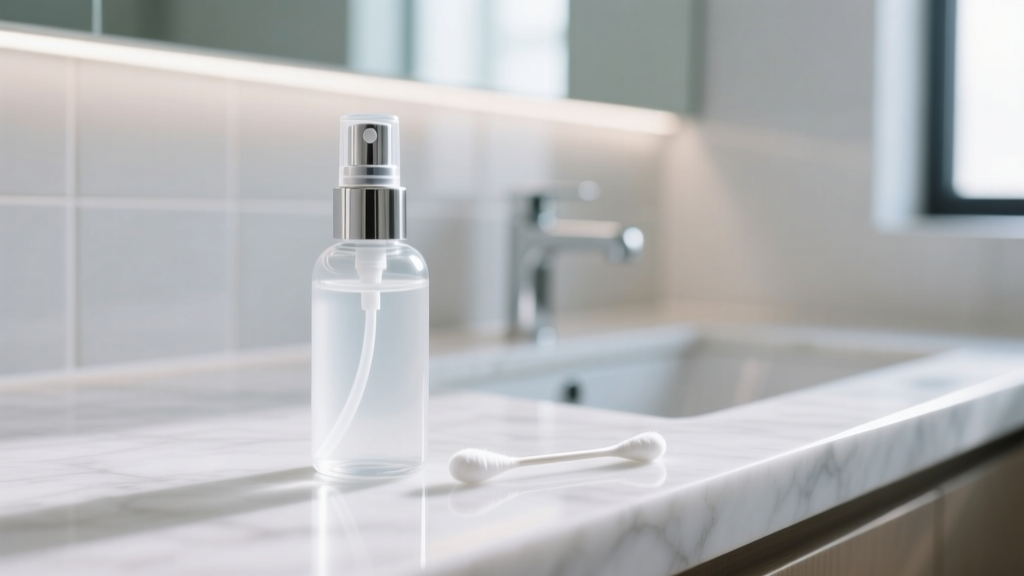
- Sterile Saline Only: Spray a 0.9% sterile sodium chloride solution (with no additives) twice daily.
- Dry Thoroughly: Moisture trapped under the barbell breeds bacteria and softens the skin, making it prone to tearing. Use a hairdryer on the "cool" setting to dry the area after showering.
- Warm Compresses: If the bump is firm, apply a sterile, warm saline compress for 3-5 minutes to increase localized blood flow and encourage lymphatic drainage.
Snagging, Sleeping, and Mechanical Trauma
The industrial bar earring acts as a handle for your hair, sweaters, and pillowcases. Every time the bar is snagged, the rigid metal tears the fragile healing tissue inside the cartilage. Because cartilage lacks a direct blood supply, it heals incredibly slowly and relies on surrounding tissue for immune responses.
The Sleep Solution: You cannot sleep on an healing industrial. If you are a side sleeper, purchase a U-shaped travel neck pillow. Place your ear in the hollow center of the pillow so that zero pressure is applied to the barbell while you sleep. This single adjustment is often the difference between a piercing that heals in 8 months and one that remains irritated for years.
The Fallback: When to Split the Industrial
Sometimes, human anatomy simply will not cooperate with a single rigid bar. If you have repierced the holes, upgraded to custom ASTM F-136 titanium, perfected your aftercare, and the industrial bar earring is still migrating or causing severe pain after 9 months, it is time to abandon the bar.
Visit your piercer and have them swap the single industrial bar for two separate 14G or 16G flat-back titanium labret studs. This immediately releases the tension between the two holes, allowing them to heal independently. Once fully healed (usually 12-18 months post-swap), you can attempt to re-insert a hinged or custom-bent industrial bar, or simply enjoy the aesthetic of two perfectly healed, matching cartilage studs. Prioritizing tissue health over a specific jewelry style is the hallmark of a smart, long-term piercing strategy.
References and Professional Resources
- The Association of Professional Piercers (APP) - Comprehensive guidelines on jewelry materials, angles, and aftercare.
- Cleveland Clinic: Allergic Contact Dermatitis - Medical overview of nickel allergies and skin reactions.


