Earring Clip On Converter Guide: Stop Pain & Slipping
Struggling with painful or slipping non-pierced earrings? Learn how to choose, adjust, and troubleshoot any earring clip on converter for all-day comfort.

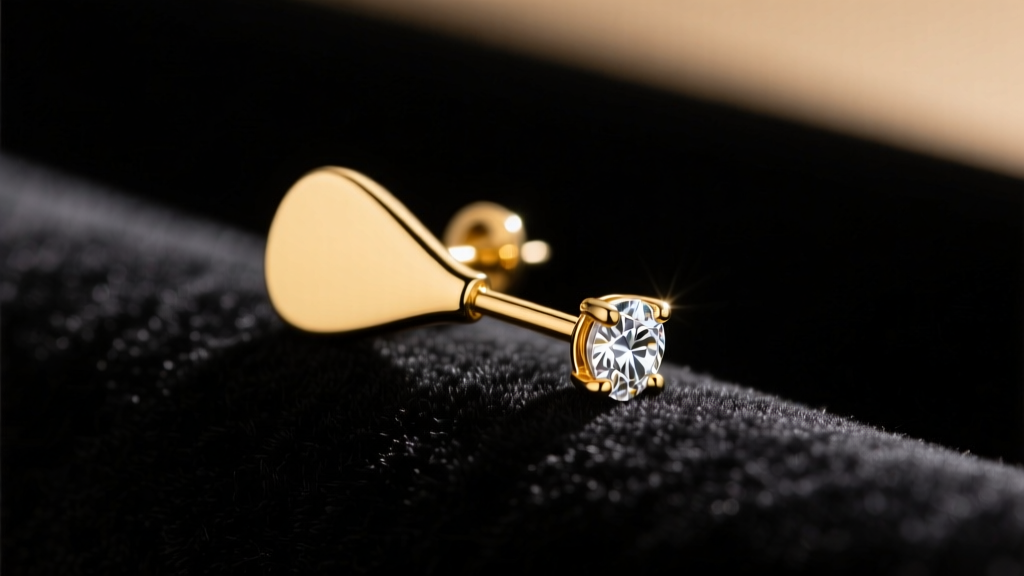
For jewelry lovers without pierced ears, the modern market offers a lifeline: the earring clip on converter. These ingenious little findings allow you to transform virtually any standard post earring into a non-pierced wearable. However, as any veteran of non-pierced jewelry knows, the transition is rarely seamless out of the box. Ill-fitting converters lead to a frustrating cycle of pinched lobes, restricted blood flow, and the inevitable panic of watching a favorite diamond drop earring slip off into a crowded room.
As of 2026, advancements in memory-metal alloys and medical-grade silicone have revolutionized non-pierced findings, yet the core mechanics of tension and friction remain unchanged. Whether you are dealing with heavy vintage dangles or lightweight everyday studs, mastering the troubleshooting of your converters is essential. This comprehensive guide dives deep into the material science, tension physics, and practical adjustments required to make your earring clip on converter comfortable, secure, and entirely forgettable.
The Anatomy of an Earring Clip On Converter
Before attempting any repairs or adjustments, it is crucial to understand the specific type of converter you are working with. Not all mechanisms distribute weight or pressure equally across the earlobe. The market is currently dominated by four primary designs:
- Paddle Backs (Clip-Ons): The most common and affordable style. They feature a flat, wide metal paddle that snaps against the back of the earlobe via a hinged spring mechanism. They offer excellent security for medium-weight earrings but are the most prone to causing lobe fatigue if the tension is too high.
- Screw Backs: These utilize a threaded barrel and a silicone or metal cushion that tightens against the earlobe. They provide infinite adjustability and are the gold standard for heavy dangle earrings, though they can be fiddly to put on.
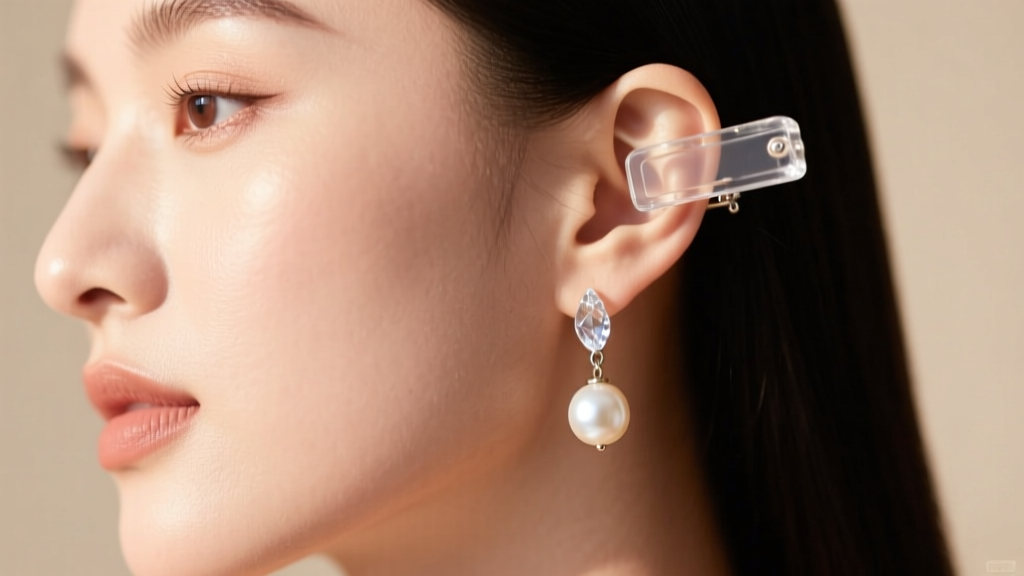
- Invisible Resin (Omega Style): Made from clear, flexible medical-grade polymers, these wrap around the earlobe and rely on the natural elasticity of the resin. They are ideal for lightweight studs and hoops but lack the structural integrity for anything over 8 grams.
- Magnetic Converters: Utilizing rare-earth neodymium magnets, these sandwich the earlobe between the earring post and a magnetic backing. While painless, they are highly susceptible to dropping if bumped and are not recommended for valuable jewelry.
Troubleshooting the Top 3 Converter Failures
When an earring clip on converter fails, it almost always stems from a mismatch between the finding's tension, the jewelry's weight, and the wearer's earlobe thickness. Here is how to diagnose and fix the most common issues.
Failure 1: Pinching and Lobe Fatigue
The most frequent complaint is a throbbing pain after just 30 minutes of wear. This is caused by excessive clamping force, which restricts capillary blood flow in the earlobe. According to jewelry repair experts at Calla Gold Jewelry, the ideal gap between the front post and the back paddle should be exactly 1.5mm to 2.0mm when resting. If the gap is smaller, the spring hinge is too tight. Conversely, if the earring wiggles freely without touching the skin, the tension is too loose, leading to our next problem.
Failure 2: Slipping and Dropping
Slipping occurs when the downward torque of a heavy earring overcomes the friction of the clip. Standard paddle backs are engineered to hold between 4 to 10 grams of weight. If you attach a 15-gram chandelier earring to a standard brass paddle converter, gravity will eventually pull the earring forward, pivoting it off the lobe. To troubleshoot this, you must either switch to a screw-back converter with a high-friction silicone pad or add a counterweight to the back of the finding.
Failure 3: Metal Allergies and Tarnishing
Many budget converters are stamped from raw brass or low-grade nickel alloys, which react with the natural oils and sweat on the skin. This leads to green discoloration and contact dermatitis. The Mayo Clinic notes that nickel allergy is one of the most common causes of allergic contact dermatitis, affecting up to 36% of women. Always verify that your converter is crafted from 316L surgical stainless steel, Grade 23 titanium, or features a thick rhodium plating over a brass core. If you already own a beloved but reactive converter, applying a micro-thin layer of clear jeweler's lacquer or using a disposable silicone earring cushion can create a necessary barrier.
Material and Tension Comparison Chart
Choosing the right earring clip on converter requires matching the finding's material and mechanism to your specific jewelry collection. Use the table below to determine which converter type suits your needs based on weight capacity, comfort, and average retail pricing in 2026.
| Converter Type | Optimal Material | Max Weight Capacity | Comfort Rating (1-10) | Average Price Range |
|---|---|---|---|---|
| Paddle Back (Standard) | 316L Stainless Steel | 10 grams | 6/10 | $8 - $15 |
| Screw Back (Cushioned) | Titanium / Silicone Pad | 25+ grams | 9/10 | $20 - $35 |
| Invisible Resin | Medical-Grade Polymer | 6 grams | 8/10 | $12 - $25 |
| Magnetic Clasp | Rhodium-Plated Brass | 8 grams | 10/10 | $15 - $28 |
Step-by-Step Adjustment Guide for Paddle Backs
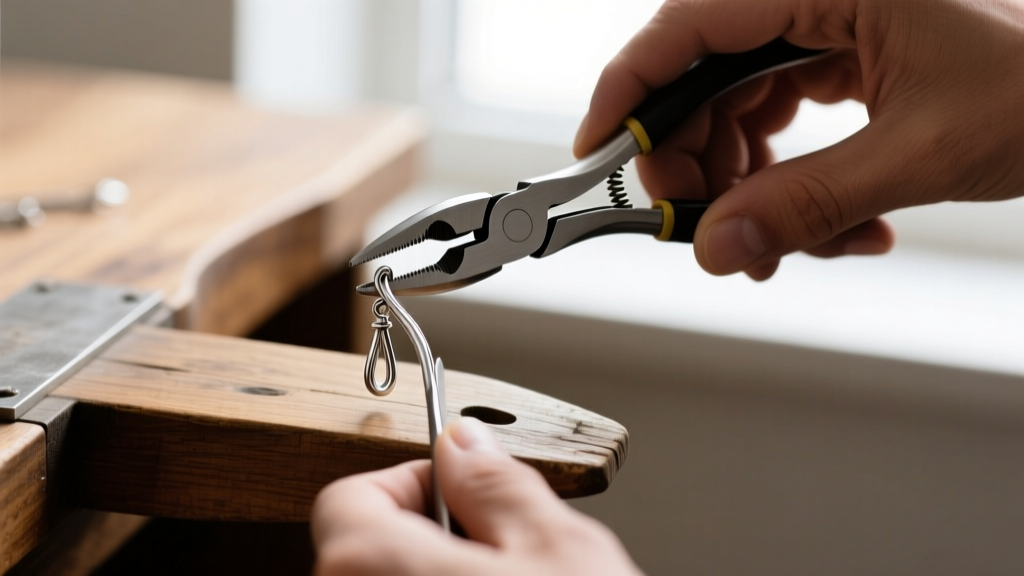
If your paddle-back earring clip on converter is pinching your earlobe, do not simply bend the metal paddle backward with your bare hands. This creates micro-fractures in the metal hinge and can permanently ruin the spring tension. Instead, follow this professional jeweler's method:
- Protect the Metal: Wrap the tips of a pair of flat-nose jeweler's pliers in masking tape or painter's tape. This prevents the steel teeth from scratching the finish of your converter.
- Locate the Tension Arm: Open the clip fully. Look inside the hinge mechanism. You will see a small, curved metal tongue (the tension arm) that pushes against the paddle.
- Micro-Adjustments: Gently grip the tension arm with your taped pliers and bend it away from the paddle by no more than 1 millimeter.
- Test the Snap: Release the clip. It should snap shut with a firm but not aggressive click. Place it on the thickest part of your earlobe. It should hold securely without causing a blanching (whitening) of the skin around the edges of the paddle.
- Repeat if Necessary: If it is still too tight, bend the arm another 0.5mm. Patience is key; you cannot easily reverse an over-bent tension arm without compromising the hinge.
Pro Tip: If your earlobes are particularly thin or sensitive, adhere a 2mm thick self-adhesive silicone earring pad to the inside of the metal paddle. This not only increases friction to prevent slipping but also distributes the clamping pressure over a wider surface area, drastically reducing localized pain.
Maintenance: Keeping Your Converters Secure
Troubleshooting isn't just about fixing immediate problems; it is about preventing future failures. Over time, the hinges on an earring clip on converter accumulate sebum, dead skin cells, and cosmetic residues like hairspray or foundation. This buildup acts as a lubricant, drastically reducing the friction required to keep heavy earrings in place.
To maintain optimal grip, clean your converters weekly. Create a solution of warm water and a few drops of mild dish soap. Use a soft-bristled baby toothbrush to gently scrub the inside of the paddle and the hinge crevices. Rinse thoroughly and dry completely with a microfiber cloth. For screw-back converters, inspect the silicone cushions monthly. Silicone degrades and hardens over time, losing its grip. Replacement silicone pads are widely available and should be swapped out every 12 to 18 months to ensure maximum security for your most precious gemstones.
When to Ditch the Converter: Alternative Solutions
While an earring clip on converter is a versatile tool, it is not a universal panacea. There are specific scenarios where abandoning the converter in favor of alternative non-pierced solutions is the smarter choice. If you are wearing fine jewelry with a replacement value exceeding $2,000, relying on a $12 friction-based converter introduces unnecessary risk. For high-value pieces, consult a master jeweler about custom-soldering a permanent, high-tension omega clip or a specialized screw-back directly onto the earring's mounting. This ensures the structural integrity of the finding is perfectly calibrated to the exact weight and center of gravity of that specific piece.
Alternatively, for cartilage placements where converters cannot physically clamp, explore the modern market of tension-based ear cuffs and magnetic cartilage studs. By understanding the limits of your converters and knowing when to upgrade to custom findings, you can enjoy the full spectrum of earring styles with absolute confidence and zero discomfort.


