Potara Earrings Goku Black: Fixing Tarnish, Breakage & Fit Issues
Troubleshoot your Potara earrings Goku Black cosplay gear. Learn how to fix chipped enamel, swap allergic hooks, and reinforce heavy anime dangles.

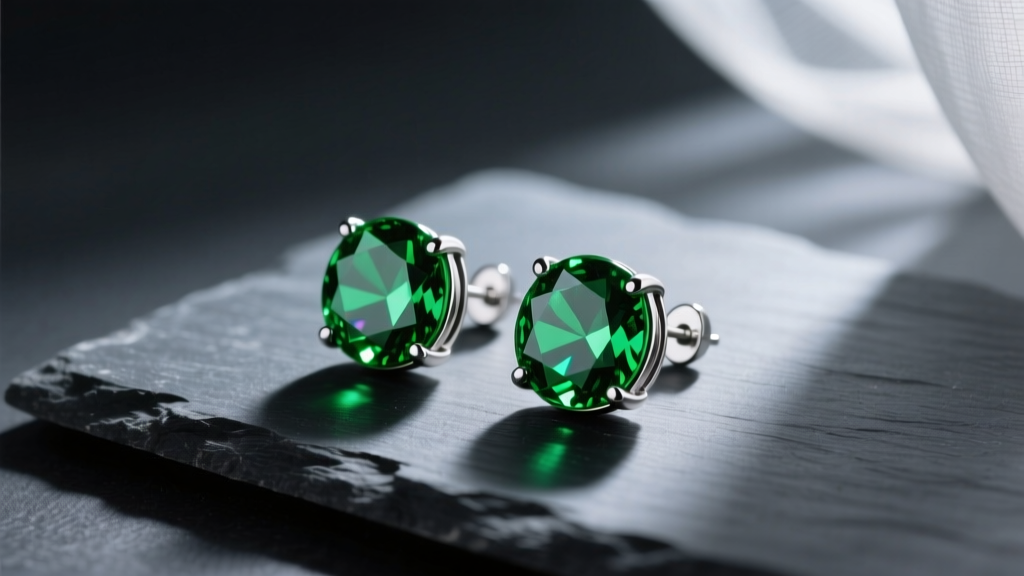
The Reality of Anime Cosplay Jewelry
When fans search for potara earrings goku black, they are usually looking to complete a highly specific Dragon Ball Super cosplay aesthetic. Whether you are emulating the iconic green Potara fusion earrings or adapting Goku Black’s Time Ring into a custom ear cuff, the reality of mass-produced anime merchandise is often disappointing. Most convention-vendor cosplay jewelry is manufactured from cheap zinc alloys, features weak adhesive bonds, and utilizes ear wires that cause severe contact dermatitis.
As a jewelry specialist, I see cosplayers struggle with heavy dangles tearing their lobes, green enamel chipping off within hours of wear, and severe nickel allergies. This guide provides professional, bench-jeweler troubleshooting methods to salvage, upgrade, and reinforce your Goku Black and Zamasu cosplay earrings so they survive the convention floor.
Metallurgy: Why Your Cosplay Earrings Tarnish and Irritate
The vast majority of affordable anime earrings are die-cast from Zamak 3, a zinc-based alloy containing aluminum, magnesium, and copper. While Zamak is excellent for capturing the intricate details of a Potara earring or a Time Ring, it is highly porous and often contains trace amounts of nickel. When exposed to the sweat and humidity of a crowded convention hall, Zamak oxidizes rapidly, turning your skin green or black and causing severe itching.
The Hypoallergenic Upgrade Path
To solve the allergy problem without buying $200 custom-machined titanium props, you must isolate the base metal from your skin. If your Potara earrings use a post-and-butterfly clutch system, the immediate fix is to swap the post. However, because Zamak cannot be traditionally soldered with a jeweler's torch (it has a low melting point of roughly 750°F and will melt into a puddle), you must use mechanical fastening or cold-joining adhesives.
- Devcon 5-Minute Jeweler's Epoxy: Unlike E6000, which remains slightly flexible and degrades with skin oils, two-part epoxy creates a rigid, permanent bond between a Zamak charm and a replacement 316L surgical steel post.
- Clear Polyurethane Coating: For the back of heavy dangle charms that rest against the neck or jawline, apply three thin coats of a jewelry-safe sealant like ProtectaClear to halt oxidation.
Troubleshooting Gauge Sizing and Wire Breakage
A frequent issue with imported anime dangle earrings is the ear wire (the fishhook that goes through your piercing). Standard lobe piercings are done at 20G (0.81mm) or 18G (1.02mm). However, cosplay manufacturers often use soft, un-tempered 18G wire that bends under the weight of a heavy Potara charm, or they mistakenly use thick 16G (1.29mm) wire that causes micro-tears in the fistula.
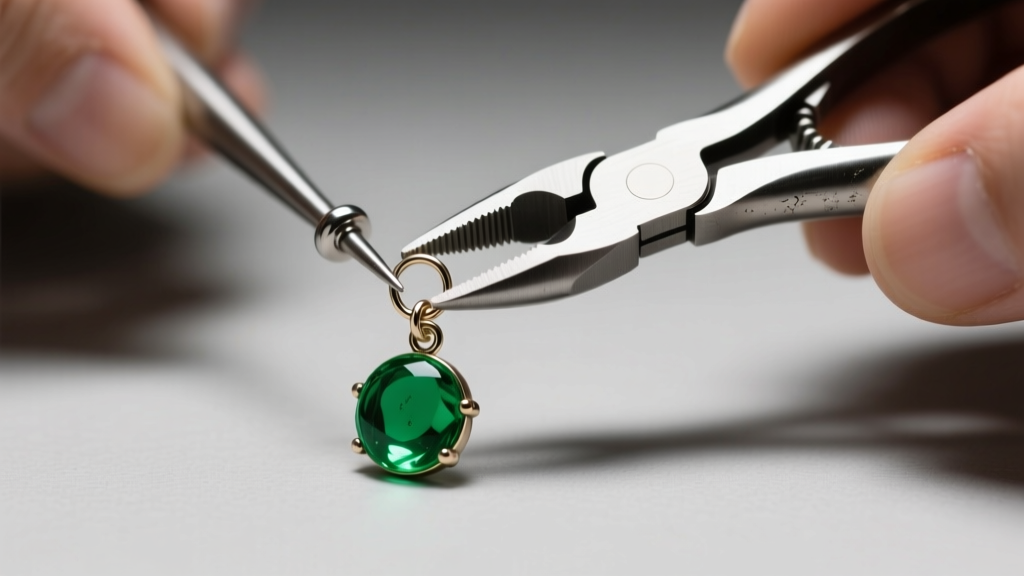
Step-by-Step Wire Swapping Guide
If your Potara earrings are front-heavy and the hooks are bending, you need to upgrade to ASTM F138 implant-grade stainless steel or Grade 23 Titanium ear wires. These metals possess high tensile strength and will not warp under the weight of a heavy dangle.
- Use flush-cut jewelry pliers to snip the jump ring connecting the cheap alloy hook to the Potara charm.
- File the top loop of the charm smooth with a 600-grit sanding stick to remove any sharp burrs left by the factory.
- Open a heavy-duty 18G titanium jump ring (minimum 4mm outer diameter) using two pairs of chain-nose pliers, twisting laterally rather than pulling apart.
- Thread the charm and a new, tempered titanium French wire onto the jump ring, then twist it securely closed.
For authoritative guidelines on safe body jewelry metals and gauge standards, always refer to the Association of Professional Piercers (APP). They provide exhaustive data on why porous alloys should never be worn in unhealed or irritated piercings.
Solving the Weight Problem: Lobe Stretching and Tearing
The aesthetic of Goku Black and Fused Zamasu leans into dramatic, oversized jewelry. When fans scale up Potara earrings for visual impact on the convention floor, the weight can easily exceed 15 grams per ear. Human earlobes are not designed to support this static load, leading to the 'cheese-cutter effect,' where the thin ear wire slowly slices downward through the tissue.
| Earring Weight | Risk Level | Required Support Solution |
|---|---|---|
| Under 5g | Low | Standard silicone friction backs |
| 5g - 12g | Moderate | Flat-disc silicone stabilizer pads |
| 12g - 20g | High (Tearing Risk) | Over-ear acrylic support hooks or invisible thread harnesses |
| Over 20g | Severe | Must be converted to a clip-on or ear-cuff with cartilage anchoring |
If your oversized Potara dangles are pulling your lobes down, purchase silicone earring support pads. These wide, flat discs slide onto the post behind your earlobe, distributing the 15-gram weight across a 12mm surface area rather than concentrating it on a 1mm puncture wound. For extreme oversized props, use a clear elastic thread looped over the top of the ear and attached to the jump ring of the earring to bear 80% of the structural load.
Fixing Chipped Enamel on Green Potara Charms
The classic green Potara earring relies on vitreous enamel or cheap acrylic paint to achieve its vibrant, translucent look. Cosplay props almost universally use the latter, which chips when dropped on a hotel bathroom floor. You cannot simply use nail polish to fix this; it will yellow and peel within a week.
The Bench-Jeweler Enamel Repair Method
To restore a chipped Goku Black or Zamasu Potara earring, you need a two-part jewelry glaze or a UV-cured resin.
- Clean the chipped area with 99% isopropyl alcohol to remove skin oils and convention dirt.
- Using a micro-brush, apply a base coat of opaque jewelry enamel in a matching jade green.
- Once dry, apply a dome of UV-curing jewelry resin over the chip. The resin will self-level, creating a glass-like, translucent dome that mimics the original factory finish.
- Cure under a 36W UV lamp for 60 seconds. Sand flush with 2000-grit wet/dry sandpaper if necessary.
Adapting the Time Ring for Cartilage Wear
A common point of confusion in the community is that Goku Black canonically wears a Time Ring on his finger, not Potara earrings (until his fusion). Many dedicated cosplayers adapt the silver, gem-studded Time Ring into a cartilage cuff for a subtle, accurate aesthetic. However, finger rings lack the tension required to stay on a helix or tragus.
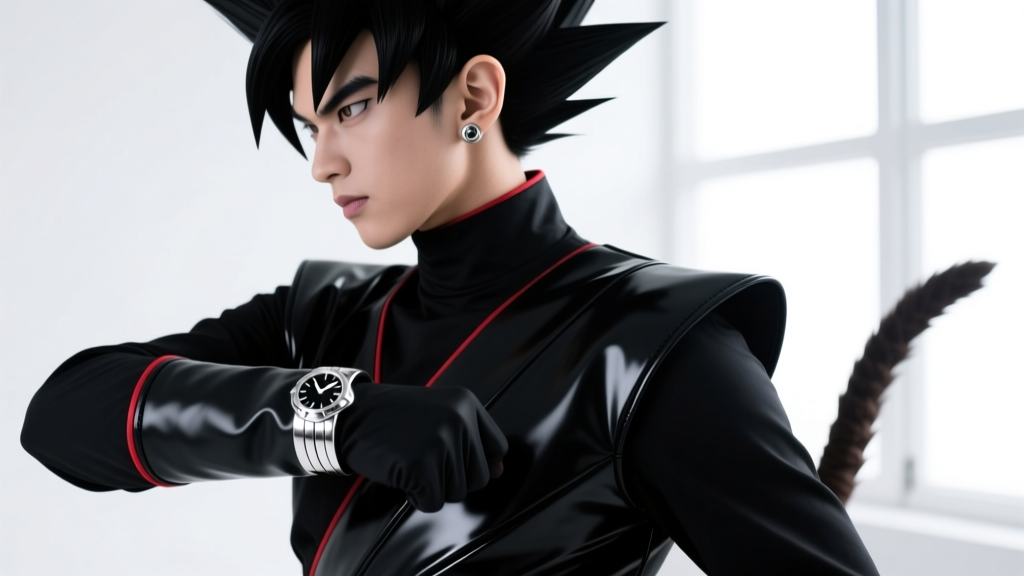
To troubleshoot a slipping Time Ring ear cuff, you must adjust the metal's temper. If your prop is made of soft aluminum or pewter, gently squeezing it in padded nylon-jaw pliers will increase the tension. For a permanent, secure fit on the helix cartilage, take the ring to a local bench jeweler and ask them to solder a small 3mm silicone-lined alligator clip to the inner band. This provides the necessary grip for cartilage without requiring an actual piercing, and the silicone prevents the Zamak alloy from reacting with your skin.
Sourcing High-Quality Replacements
If your convention-bought Potara earrings are beyond repair—perhaps the jump rings have snapped or the zinc alloy has cracked down the center—it is time to source from professional jewelry suppliers rather than anime dropshippers. Suppliers like Rio Grande offer comprehensive guides on jewelry metals, helping you identify vendors who cast in solid brass or sterling silver rather than toxic lead-tin alloys.
When searching Etsy or specialized cosplay jewelers, filter your searches by 'lost wax cast brass' or 'sterling silver Potara'. While the upfront cost jumps from $12 to $65+, the structural integrity, precise gauge sizing, and lack of nickel will ensure your Goku Black cosplay remains comfortable and visually flawless through years of wear.
Final Maintenance Checklist
To keep your anime jewelry in convention-ready condition, implement a strict post-wear cleaning routine. Wipe down all Zamak and brass components with a dry microfiber cloth to remove sweat. Store your Potara earrings and Time Ring cuffs in individual anti-tarnish ziplock bags with a small silica gel packet to control ambient humidity. By treating your cosplay props with the same metallurgical respect as fine jewelry, you eliminate the frustrations of breakage, allergies, and tarnish, allowing you to fully embody the Supreme Kai aesthetic without distraction.


