Arracadas Earrings Troubleshooting: Fix Sagging and Tarnish
Learn how to troubleshoot common arracadas earrings problems. Fix sagging lobes, prevent tarnish, and secure heavy filigree hoops with expert tips.

The Unique Anatomy of Arracadas Earrings and Why They Fail
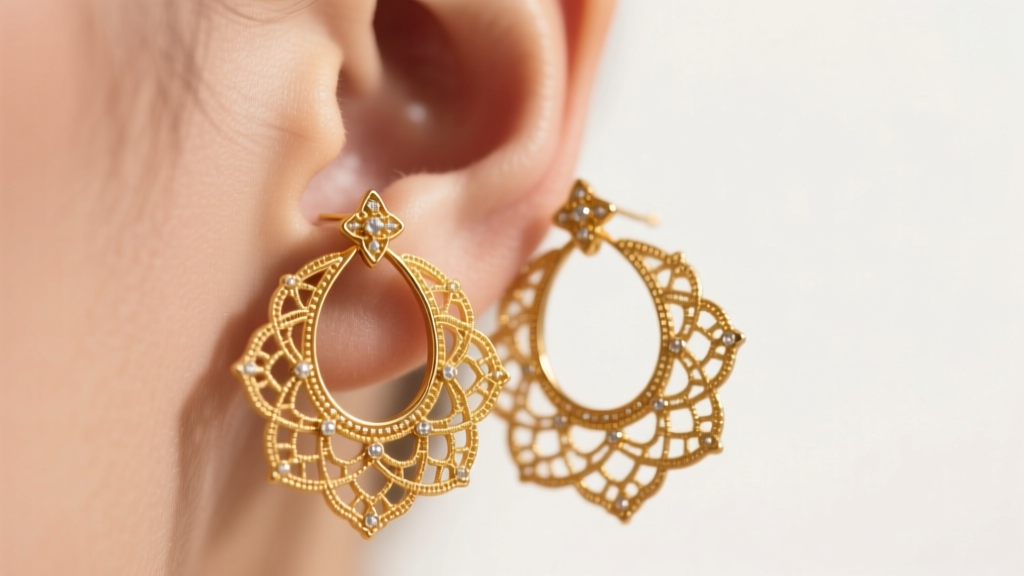
Arracadas earrings are deeply rooted in Latin American culture, particularly celebrated in Mexican artisan hubs like Taxco and Oaxaca. Characterized by their bold hoops, intricate filigree metalwork, and dangling charms (dijes), these statement pieces are stunning but structurally demanding. Unlike standard lightweight hoops, authentic arracadas can weigh anywhere from 15 grams to over 45 grams per earring.
This substantial weight, combined with ornate designs, creates specific physical and chemical failure modes. The most frequent complaints from collectors and daily wearers include lobe stretching (the 'cheese-cutter' effect), the dreaded 'forward flip' where the earring faces the floor, severe tarnishing in filigree crevices, and clasp fatigue. Troubleshooting these issues requires an understanding of both jewelry physics and metallurgical care.
Troubleshooting Weight and Lobe Sagging
Standard earlobe piercings are typically performed at 20-gauge (0.81mm) or 18-gauge (1.02mm). When you hang a 40-gram silver arracada on an 18-gauge wire, the concentrated downward force exceeds the tissue's elastic limit. Over time, this causes the piercing hole to elongate, leading to pain, micro-tears, and permanent sagging.
Earring Support Patches vs. Silicone Stoppers
To combat lobe sagging without giving up your favorite heavy hoops, you must distribute the kinetic load. There are two primary solutions:
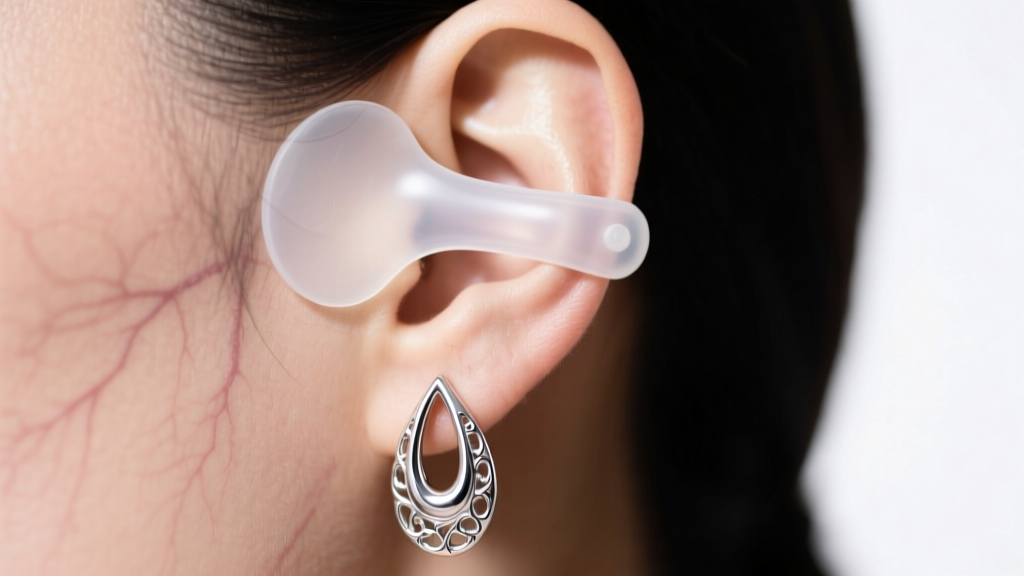
- Polyurethane Support Patches: Brands like Lobe Wonder offer adhesive, medical-grade polyurethane patches ($8–$15 for a pack of 60). You apply the patch to the back of the earlobe and push the earring post through the pre-punched hole. This distributes the weight across a 15mm surface area, virtually eliminating downward drag.
- Silicone O-Rings and Stoppers: For fishhook or French wire arracadas, sliding a 1.5mm inner-diameter silicone O-ring onto the wire behind the lobe provides a customizable stopper. While cheaper ($5 for a multi-pack), silicone creates friction that can pull on fine ear hairs and doesn't support the front-facing weight of the earring as effectively as an adhesive patch.
Solving the 'Forward Flip' on Large Hoops
The 'forward flip' occurs when the center of gravity of the arracada sits anterior to the earlobe's natural resting plane. This is especially common with front-heavy filigree designs or when the earring wire is too thin to resist torsion. When the wire bends forward, the intricate details of the earring end up pointing at your neck rather than displaying outward.
Wire Gauge and Material Upgrades
If your arracadas constantly flip forward, the issue is likely the wire gauge. According to the Association of Professional Piercers (APP), thicker wire provides the structural rigidity needed to keep heavy jewelry oriented correctly. If your piercings are fully healed and stretched to accommodate it, having a jeweler swap the wire is a permanent fix.
| Wire Gauge | Diameter (mm) | Max Safe Weight | Best For |
|---|---|---|---|
| 20G | 0.81mm | 10g | Lightweight, small huggies or standard studs |
| 18G | 1.02mm | 20g | Standard hoops, medium arracadas (requires support patches for all-day wear) |
| 16G | 1.29mm | 35g | Heavy filigree arracadas, prevents forward flipping |
| 14G | 1.63mm | 50g+ | Oversized statement arracadas with multiple dangling dijes |
Pro Tip: Ask your jeweler to use 14k gold-filled or implant-grade titanium wire for the replacement. These materials possess higher tensile strength than standard sterling silver, meaning a 16G titanium wire will resist bending far better than a 16G silver wire.
Tarnish and Filigree Snagging: Maintenance Protocols
Authentic Taxco arracadas are predominantly crafted from .925 sterling silver. The high copper content (7.5%) in sterling silver makes it highly susceptible to oxidation when exposed to sulfur, humidity, and the natural sebum from your skin. Furthermore, the intricate filigree wires act as a trap for lotions, perfumes, and dead skin cells, leading to a dull, blackened appearance that is difficult to reach with a standard polishing cloth.
Safe Cleaning for Oxidized Silver and Mixed Metals
Many modern or vintage arracadas feature glued-in gemstones like turquoise, onyx, or abalone. Never use ultrasonic cleaners or harsh chemical silver dips on these pieces. The high-frequency vibrations of an ultrasonic cleaner will shatter the adhesive bond, causing the stones to fall out.
Instead, follow this master jeweler cleaning protocol recommended for delicate silverwork by the Gemological Institute of America (GIA):
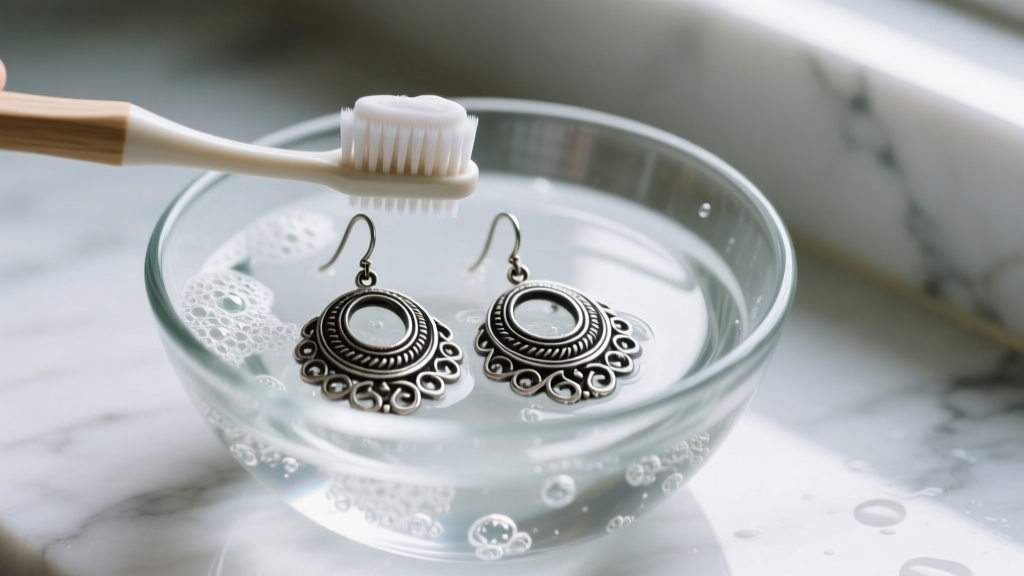
- Mix a few drops of phosphate-free dish soap (like Dawn) into a bowl of warm distilled water.
- Submerge the arracadas for exactly 3 to 5 minutes to loosen sebum and debris.
- Use a soft-bristled baby toothbrush to gently agitate the filigree crevices. Brush in the direction of the metalwork grain to avoid bending delicate wires.
- Rinse under lukewarm running water and pat dry immediately with a microfiber cloth. Air-drying will leave water spots that accelerate tarnishing.
Clasp and Latch Failures: When to Repair vs. Replace
Heavy arracadas often utilize Omega clips or hinged latch-backs to secure the earring. The constant kinetic stress of walking and talking causes the hinges to loosen and the tension clips to flatten out, resulting in lost earrings.
'If an Omega clip on a heavy earring requires you to push it tightly against the post to click shut, the tension spring is already fatigued. It's a matter of days before it fails entirely.' — Master Bench Jeweler
The Fix: Do not attempt to bend the clip back into place with pliers; this work-hardens the metal and will cause it to snap. Take the earrings to a professional bench jeweler. They can perform a 'hinge tightening' and solder a microscopic reinforcement bead onto the latch catch. Expect to pay between $25 and $45 per earring for this structural reinforcement, a small price to protect a valuable piece of artisan jewelry.
Summary Checklist for Arracadas Longevity
- Before Wearing: Apply polyurethane support patches if the earring exceeds 20 grams.
- Orientation Check: If the earring flips forward, upgrade the ear wire to 16-gauge titanium or gold-filled wire.
- Monthly Maintenance: Clean filigree with a baby toothbrush, mild soap, and distilled water; avoid ultrasonic machines.
- Annual Inspection: Have a jeweler check the Omega clip tension and solder joints on heavy latch-backs.
By respecting the physics and metallurgy of arracadas earrings, you can preserve their cultural beauty and structural integrity for decades, turning a problematic heavy hoop into a comfortable, lifelong staple.


