How to Fix Stuck Zipper Earrings: A Troubleshooting Guide
Learn how to fix stuck zipper earrings, clean micro-teeth, and prevent hair snagging with our expert troubleshooting guide for kinetic jewelry.

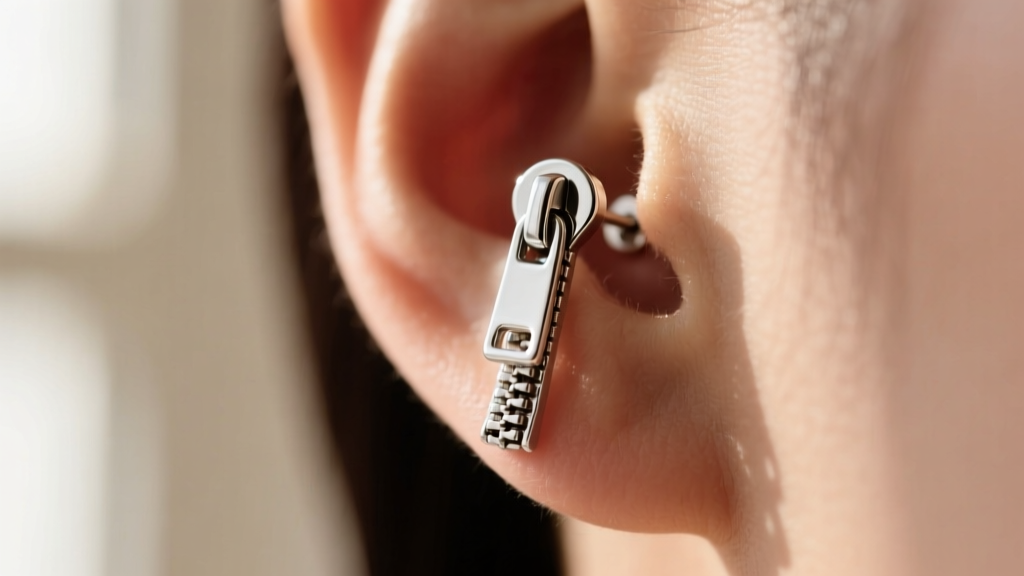
The Mechanics of Kinetic Zipper Earrings
Zipper earrings have evolved from static, avant-garde streetwear motifs into fully kinetic, functional pieces of jewelry. Whether you are wearing a high-end sterling silver piece with a working micro-slider or a bold brass statement pair, the integration of moving mechanical parts into ear jewelry introduces unique maintenance challenges. Unlike standard stud or hoop earrings, kinetic zipper earrings feature interlocking teeth, a slider cavity, and a pull tab—all of which are highly susceptible to sebum buildup, cosmetic residue, and mechanical misalignment.
When the slider jams or the track snags your hair, it is rarely a permanent failure. With the right bench techniques, you can restore the smooth action of your earrings. This guide breaks down the exact failure modes of miniature jewelry zippers and provides professional troubleshooting steps to get them gliding perfectly again.
Diagnosing the Jam: Why Zipper Earrings Get Stuck
Before applying force, which can easily snap delicate metal teeth or break the pull tab, you must identify the root cause of the friction. According to jewelry maintenance guidelines from the Gemological Institute of America (GIA), moving parts in body jewelry are primary traps for organic debris.
1. Sebum and Cosmetic Sludge
The human ear produces sebum, which mixes with dead skin cells, hairspray, and foundation. This mixture works its way into the microscopic gaps between the zipper teeth and inside the slider cavity. Over time, this organic matter hardens into an abrasive paste that locks the slider in place.
2. Galvanic Corrosion and Oxidation
Many fashion-forward zipper earrings utilize a brass track with a zinc alloy (Zamak) slider. When exposed to the moisture and natural acids of the skin, these dissimilar metals can undergo mild galvanic corrosion, or simply oxidize, creating a rough, chalky surface inside the slider that increases friction dramatically.
3. Mechanical Deformation
Because zipper earrings are often long and dangle near the jawline, they are prone to being bumped or caught on clothing. A single bent tooth or a slightly twisted track tape will derail the slider immediately.
Step-by-Step Repair: Unsticking the Slider
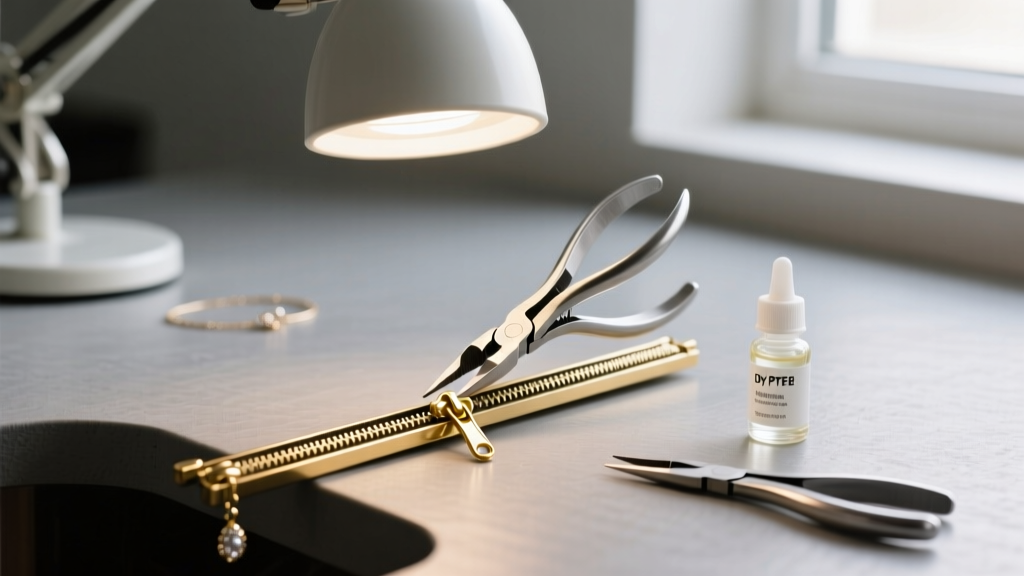
Do not use standard metal pliers or oil-based lubricants like WD-40. Oil attracts dust and will eventually turn into a thick sludge, while metal pliers will mar the finish of your earrings. Gather the following tools:
- 99% Isopropyl alcohol
- A soft-bristled detailing brush or clean makeup brush
- Nylon-jaw pliers (widely available from suppliers like Rio Grande)
- Dry PTFE (Teflon) spray or jeweler's micro-crystalline wax
- A micro-swab
The Cleaning Protocol
- Degrease the Track: Dip the soft brush into the 99% isopropyl alcohol and gently scrub the zipper teeth, working the bristles into the grooves to dissolve sebum and makeup.
- Clear the Slider Cavity: Use the micro-swab dipped in alcohol to clean the inside channels of the slider. If the slider is completely stuck, apply a single drop of alcohol directly to the seam where the slider meets the teeth and let it capillary inward for 60 seconds.
- Dry Completely: Use compressed air or let the earring air dry. Moisture left behind will accelerate tarnishing on base metals.
Realignment and Lubrication
Inspect the teeth under a magnifying lamp. If any teeth are bent outward, use your nylon-jaw pliers to gently squeeze them back into alignment. Nylon jaws grip the metal without scratching the plating or polishing marks.
Once aligned, apply your lubricant. Never use liquid oils. Instead, spray a tiny amount of dry PTFE lubricant onto a cotton swab and wipe it along the teeth. The PTFE leaves a dry, slippery film that reduces friction without trapping dust. Alternatively, rub a microscopic amount of micro-crystalline wax into the track. Work the slider up and down gently until the action is smooth.
Material Weight and Lobe Drag Prevention
Functional zipper earrings are inherently heavy. A standard 2-inch kinetic brass zipper earring can weigh between 25 and 45 grams. For context, a standard earlobe comfortably supports about 10 grams before experiencing fatigue and stretching. While manufacturers typically use thicker 18-gauge or 16-gauge wire for the ear post to handle the load, the weight will still drag the piercing hole downward over time.
| Material | Avg. Weight (per pair) | Oxidation Risk | Required Lobe Support |
|---|---|---|---|
| Zamak / Zinc Alloy | 50g - 70g | High (Requires sealing) | Heavy-duty silicone discs (10mm) |
| Solid Brass | 40g - 60g | Medium (Tarnishes) | Standard silicone pads (8mm) |
| Sterling Silver (925) | 30g - 45g | Low (Polishable) | Standard silicone pads (8mm) |
| Titanium (Grade 23) | 15g - 25g | None (Hypoallergenic) | Often unnecessary, but optional |
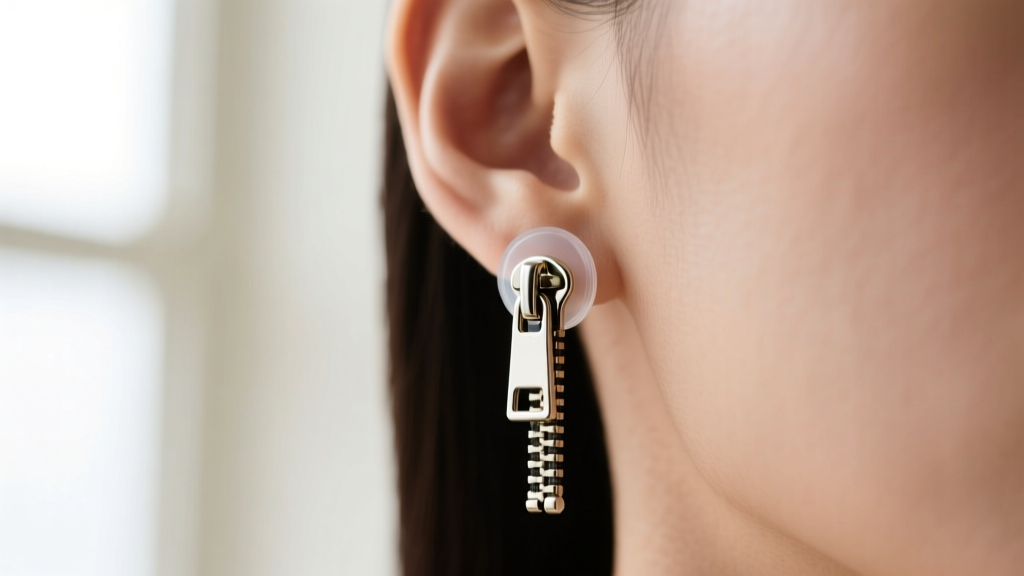
To prevent permanent lobe stretching, always pair heavy zipper earrings with clear silicone earring support discs (often sold under brand names like Levears). These pads sit behind the earlobe, distributing the 40+ gram weight across a wider surface area and keeping the earring post perfectly perpendicular to the ground, which also helps the zipper track hang straight and function better.
Solving the Hair Snag Problem
The most common complaint with zipper motif earrings—even static ones that do not move—is that the sharp, cut edges of the terminal teeth (the top and bottom stops of the track) act like tiny hooks, catching and tearing fine hair.
The UV Resin Buffer Trick: To permanently solve this without altering the industrial aesthetic of the earring, apply a microscopic drop of clear UV jewelry resin to the top and bottom terminal teeth. Cure it with a UV flashlight for 30 seconds. This creates a smooth, rounded, glass-like buffer over the sharpest points of the metal, allowing hair to glide right past the ends of the zipper track without snagging.
When to Seek a Professional Jeweler
While cleaning, realigning, and lubricating can solve 90% of zipper earring issues, some failures require professional bench work. You should take your earrings to a jeweler if:
- The Pull Tab Snaps: Soldering a new pull tab onto a micro-slider requires a laser welder or precise TIG welding to avoid melting the delicate zinc or brass slider body.
- The Track Separates from the Backing: If the zipper tape detaches from the metal backing plate, it requires specialized jewelry epoxies and clamping jigs that are difficult to replicate at home.
- Severe Galvanic Pitting: If the slider cavity is deeply pitted from corrosion, a jeweler may need to ream the cavity or cast a replacement slider.
"Kinetic jewelry bridges the gap between mechanical engineering and body adornment. Treating a micro-zipper with the same respect you would a watch movement—using dry lubricants and non-marring tools—is the secret to preserving its function and finish." — Master Bench Jeweler
By understanding the specific mechanics and material vulnerabilities of your zipper earrings, you can keep these striking, avant-garde pieces functioning smoothly and looking pristine for years to come.


