How to Train Your Dragon Earrings: 2026 Value Guide
Discover the true value of How to Train Your Dragon earrings. We compare materials, pricing, and gauge sizes to help you avoid cheap, allergy-inducing metals.

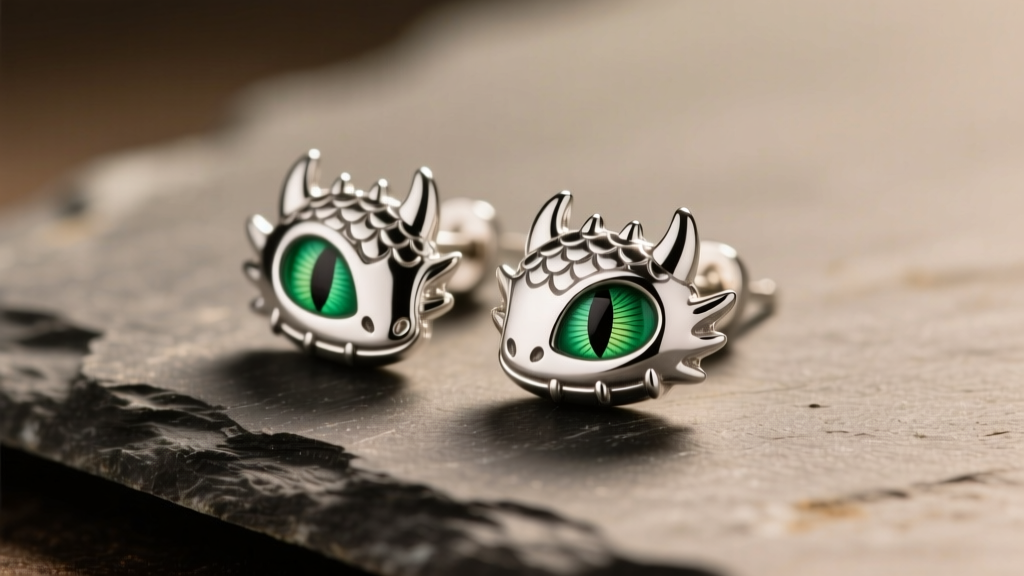
The Allure of Berk: Why HTTYD Jewelry Holds Value
As the How to Train Your Dragon (HTTYD) franchise continues to expand its universe through new animated spin-offs and live-action adaptations in 2026, the demand for high-quality, themed jewelry has skyrocketed. However, the market is currently saturated with everything from $8 dropshipped alloy knockoffs to $120 licensed artisan pieces. For fans and collectors, navigating this landscape requires a keen eye for metallurgy, craftsmanship, and structural integrity. Assessing the true value of how to train your dragon earrings goes far beyond the official DreamWorks licensing hologram; it requires a deep dive into material grades, gauge specifications, and long-term wearability.
In this comprehensive budget and value assessment, we break down exactly what you are paying for when you purchase Night Fury, Light Fury, or Deadly Nadder inspired earrings. Whether you are looking for a subtle 20-gauge lobe stud or a bold 16-gauge cartilage hoop, understanding the intersection of fandom merchandise and fine jewelry standards is critical to protecting your piercings and your wallet.
Material Breakdown: What You Are Actually Paying For
The single biggest differentiator in the pricing of HTTYD earrings is the base metal. Fandom jewelry often falls into the trap of prioritizing intricate 3D molds over biocompatible materials. Here is how the most common metals stack up in terms of value and safety.
Implant-Grade Titanium (ASTM F136)
If you are purchasing cartilage jewelry—such as a helix hoop featuring a Night Fury silhouette or a tragus stud shaped like a Gronckle iron ingot—implant-grade titanium is non-negotiable. According to the Association of Professional Piercers, titanium that meets the ASTM F136 standard is entirely nickel-free and highly biocompatible. Earrings in this category typically range from $45 to $90. The premium price covers the CNC machining or high-precision casting required to work with titanium's high melting point. Value Verdict: High upfront cost, but unparalleled longevity and zero risk of contact dermatitis.
The 925 Sterling Silver Standard
Sterling silver (92.5% pure silver, 7.5% copper alloy) is the most common material for officially licensed HTTYD lobe studs. The value here lies in the finishing. High-end pieces will feature a thick rhodium flash to prevent the copper from oxidizing and turning your earlobes green. Furthermore, premium Toothless or Light Fury studs will use kiln-fired vitreous enamel for the eyes and scales, rather than cheap cold-epoxy resins that yellow over time. Expect to pay between $35 and $65 for genuine 925 silver licensed pieces.
Zinc Alloy (Zamak) and Plated Brass
Often found on third-party marketplaces for $10 to $18, zinc alloy earrings are a budget trap. These pieces are die-cast, resulting in microscopic porosity that harbors bacteria. More importantly, they frequently contain high levels of nickel. The American Academy of Dermatology warns that prolonged exposure to nickel-releasing alloys is the leading cause of allergic contact dermatitis, which can lead to severe piercing infections and permanent scarring. Value Verdict: False economy. The hidden medical costs and rapid tarnishing make these a poor investment.
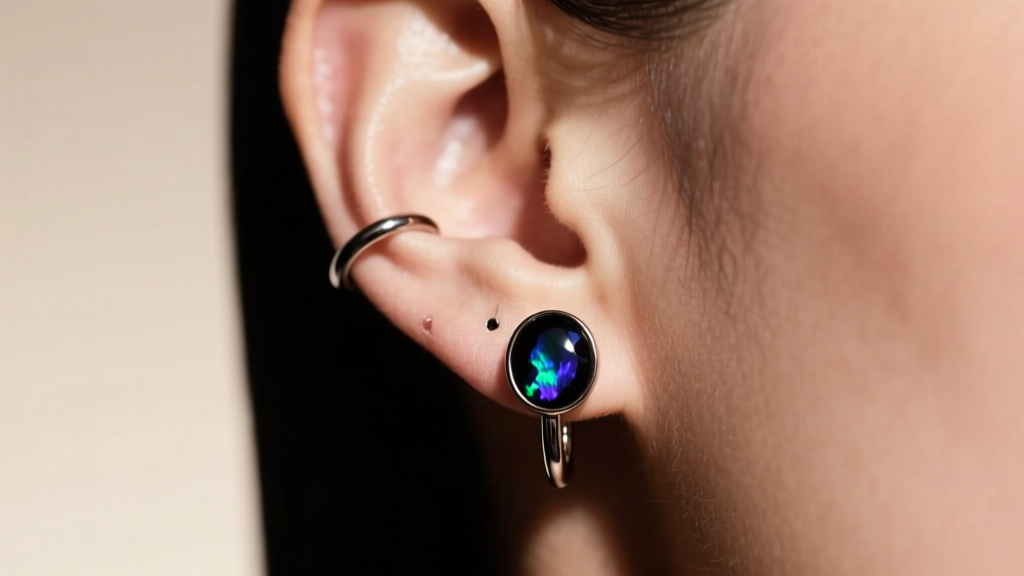
Pricing Tiers & Value Assessment Matrix
To help you benchmark your next purchase, we have categorized the current 2026 market for HTTYD earrings into three distinct value tiers. Use this matrix to determine if a seller's asking price aligns with the actual manufacturing and material costs.
| Value Tier | Primary Material | Price Range (USD) | Best Piercing Placement | Value Rating |
|---|---|---|---|---|
| Budget / Fast Fashion | Zinc Alloy / Nickel-Brass | $8 - $18 | Unhealed lobes (High Risk) | Poor (1/5) |
| Mid-Tier / Licensed | 925 Sterling Silver | $35 - $65 | Healed standard earlobes | Good (3.5/5) |
| Premium / Artisan | ASTM F136 Titanium / 14k Gold | $75 - $150+ | Cartilage, Helix, Tragus, Conch | Excellent (5/5) |
Sizing & Gauge Specifics for Lobe and Cartilage
A major failure point in novelty jewelry is the disregard for standard piercing gauges. Many cheap HTTYD dangle earrings are manufactured with thick, clumsy 18-gauge (1.0mm) or even 16-gauge (1.2mm) posts to support the weight of heavy metal charms, forcing wearers to stretch their standard 20-gauge (0.8mm) lobe piercings uncomfortably.
The Cheese-Cutter Effect in Heavy Dangles
If you are buying Stormfly spike dangles or Meatlug boulder drops, pay strict attention to the weight and post thickness. A heavy earring on a thin 20G post will create a "cheese-cutter effect," slowly migrating downward and permanently stretching the earlobe tissue. High-value HTTYD dangle earrings will mitigate this by utilizing an 18G post paired with a wide, supportive silicone backing disc, or by designing the charm to be lightweight through hollow-casting techniques. Always verify the post thickness in the product specifications before purchasing.
Cartilage Hoop Diameters
For Night Fury or Monstrous Nightmare wrap-around cartilage cuffs and clicker hoops, the inner diameter (ID) is crucial for both comfort and aesthetic. A standard helix piercing typically requires an 8mm to 10mm ID hoop. If a retailer sells a "one size fits all" 12mm hoop for a cartilage cuff, it will likely droop and catch on hair, leading to traumatic tearing. Premium brands will offer precise 1mm size increments, ensuring a flush, custom fit that justifies a higher price point.
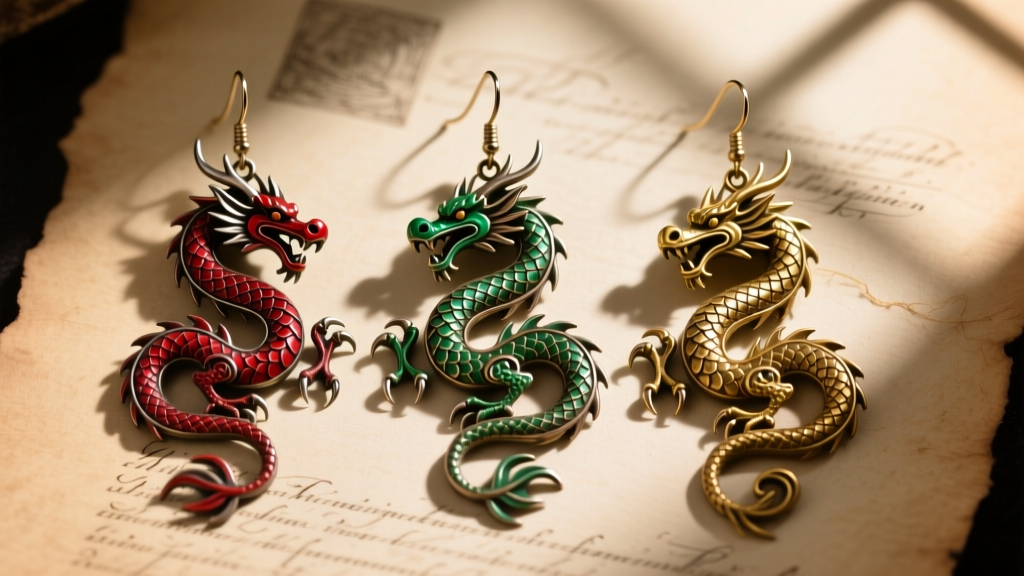
Failure Modes: Spotting Low-Quality Knockoffs
When conducting a value assessment, knowing how an earring is likely to fail allows you to inspect potential purchases for structural weaknesses. Here are the most common failure modes in dragon-themed jewelry:
- Post Shearing: Budget earrings often feature posts that are glued or poorly soldered to the back of the charm. When removing a tight butterfly clutch, the post can easily snap off. High-value pieces use stamped or laser-welded posts that possess high shear strength.
- Enamel Delamination: The vibrant green of Toothless's eyes or the pearlescent white of a Light Fury is often achieved with enamel. Cheap cold-epoxy will shrink, crack, and fall out within months of exposure to skin oils and UV light. Vitreous (kiln-fired) enamel is fused to the metal at over 1400°F, making it as durable as glass and highly resistant to degradation.
- Clutch Friction Loss: The "butterfly" friction back is the weakest link in any stud earring. Premium HTTYD studs will often include threaded screw-in backs or high-tension silicone O-rings to secure the heavy dragon head charms, preventing costly losses.
Licensing vs. Independent Artisans: Where Does Your Money Go?
In 2026, the jewelry market offers two distinct paths for HTTYD fans: officially licensed DreamWorks merchandise and independent fan-artisans. Licensed pieces guarantee accurate, canon-compliant designs and a portion of the proceeds supports the original creators and studios. However, mass-market licensing often relies on 925 silver and traditional casting, limiting design complexity.
Conversely, independent metallurgists and jewelers on platforms like Etsy often push the boundaries of value by offering hand-carved wax models, lost-wax casting in solid 14k gold, and custom gemstone inlays (such as using genuine lab-grown opals for dragon eyes). While these artisan pieces lack the official licensing stamp, their material value and craftsmanship frequently surpass mid-tier licensed merchandise, offering a unique investment for serious collectors.
Final Verdict: Investing in Your Fandom
When shopping for how to train your dragon earrings, the old adage "buy cheap, buy twice" applies heavily to body jewelry. To maximize your budget, avoid zinc alloys entirely; the risk of nickel-induced dermatitis simply outweighs the $15 savings. For standard lobe studs, seek out officially licensed 925 sterling silver pieces with rhodium plating and kiln-fired enamel in the $40 range. For any cartilage placement, strictly limit your purchases to ASTM F136 implant-grade titanium. By prioritizing biocompatible materials, precise gauge sizing, and robust structural engineering, you can wear your Berk allegiance safely, comfortably, and with genuine long-term value.


