Fixing Tangled & Heavy Moon Dangle Earrings: A Guide
Learn how to fix tangled chains, prevent lobe droop, and clean textured metal on your favorite moon dangle earrings with expert jewelry repair hacks.

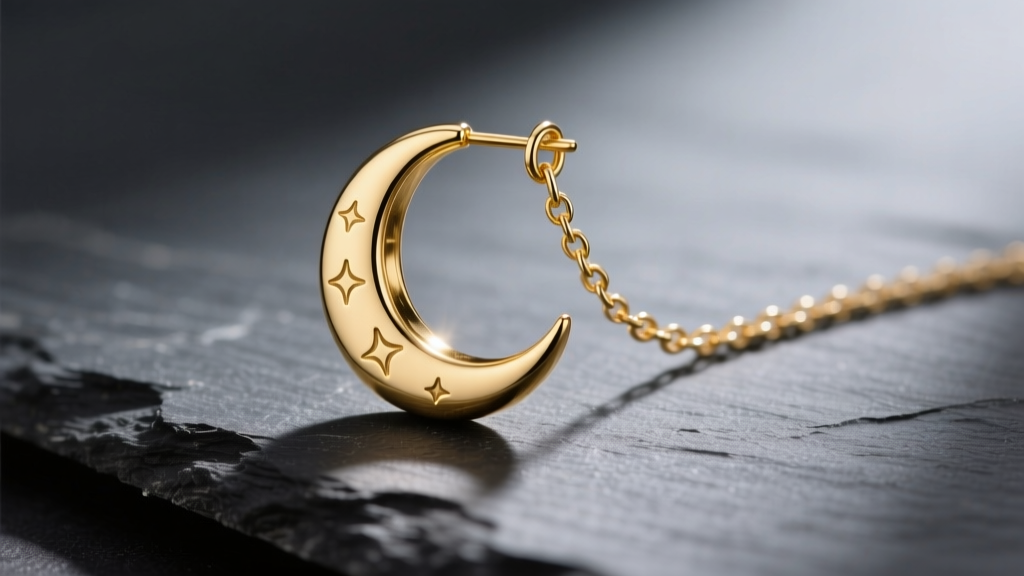
The Unique Mechanical Challenges of Moon Dangles
Celestial jewelry remains a dominant aesthetic in 2026, but moon dangle earrings present unique structural challenges that standard studs or hoops simply do not face. The combination of a kinetic dangling element, an asymmetrical crescent geometry, and intricate surface texturing creates a perfect storm for mechanical failure, tangling, and piercing fatigue. Whether you are wearing lightweight hollow-formed 14k gold vermeil pieces or solid 925 sterling silver statement earrings, understanding the physics of how these earrings interact with your hair, earlobes, and environment is crucial for long-term wearability.
Unlike a simple geometric drop, the inner radius of a crescent moon acts as a natural catch-point. When paired with delicate chains and lightweight jump rings, moon dangle earrings are highly susceptible to knotting, hardware separation, and lobe droop. In this comprehensive troubleshooting guide, we will break down the exact failure modes of lunar-inspired dangles and provide master-jeweler-approved solutions to fix, upgrade, and maintain your favorite pieces.
Troubleshooting Chain Tangles & Crescent Geometry
The most frequent complaint regarding moon dangle earrings is chronic tangling. This is rarely a user error; it is a physics issue related to chain mass and the crescent's center of gravity. Standard fashion jewelry often utilizes 0.8mm or 0.9mm cable chains. These chains are exceptionally light, meaning they lack the downward momentum required to swing freely past the "horns" of the crescent moon. Instead, static electricity and minor movements cause the chain to wrap around the inner curve of the moon, creating stubborn knots.
The Counterweight & Chain Upgrade Solution
To solve this, you must alter the kinetic profile of the earring. First, swap the lightweight cable chain for a slightly heavier 1.2mm rolo or box chain. The added mass provides the necessary pendulum effect to keep the chain hanging straight down. Second, if your moon dangle features a star or gemstone charm at the bottom of the chain, ensure it acts as a counterweight. If the chain is bare, consult a local jeweler to solder a tiny 2mm bezel-set cubic zirconia or a solid metal bead to the terminal end. This micro-weight pulls the chain taut, making it physically difficult for the links to wrap around the moon's upper crescent.
"The secret to a tangle-free dangle is ensuring the chain's terminal weight exceeds the friction coefficient of the charm it hangs beneath. A 1.2mm rolo chain solves 90% of celestial earring tangling issues."
Solving Lobe Droop: Weight Distribution Hacks
Solid metal moon dangles, particularly those crafted from brass or thick 925 sterling silver, can easily weigh between 4 to 8 grams per earring. When this weight is suspended from a standard 0.7mm friction post, the earring will inevitably tilt forward. Over time, this continuous downward drag stretches the piercing fistula, leading to permanent lobe droop and an unflattering forward-facing angle that hides the moon's design.
Upgrading Posts and Backings
According to guidelines from Jewelers of America, heavy dangle earrings require enhanced support systems. If your earrings have removable components, have a jeweler upgrade the post to a thicker 0.9mm or 1.0mm wire gauge. More importantly, you must abandon standard butterfly clutches. Below is a comparison of earring backs and their efficacy for heavy moon dangles:
| Backing Type | Weight Capacity | Best For Moon Dangles? | Pros & Cons |
|---|---|---|---|
| Standard Butterfly Clutch | Up to 2g | No | High failure rate; causes forward tilt on heavy pieces. |
| Silicone O-Ring + Metal Disc | Up to 6g | Yes (Budget) | Wide surface area distributes weight; grips post tightly. |
| La Pousette (Locking) | Up to 10g+ | Yes (Premium) | Locks onto post groove; zero slippage, but requires specific notched posts. |
| Flat Ear Nuts (Cushioned) | Up to 5g | Yes (Comfort) | Polyurethane cushion prevents metal-on-skin pressure points. |
Preventing Hardware Separation & Lost Earrings
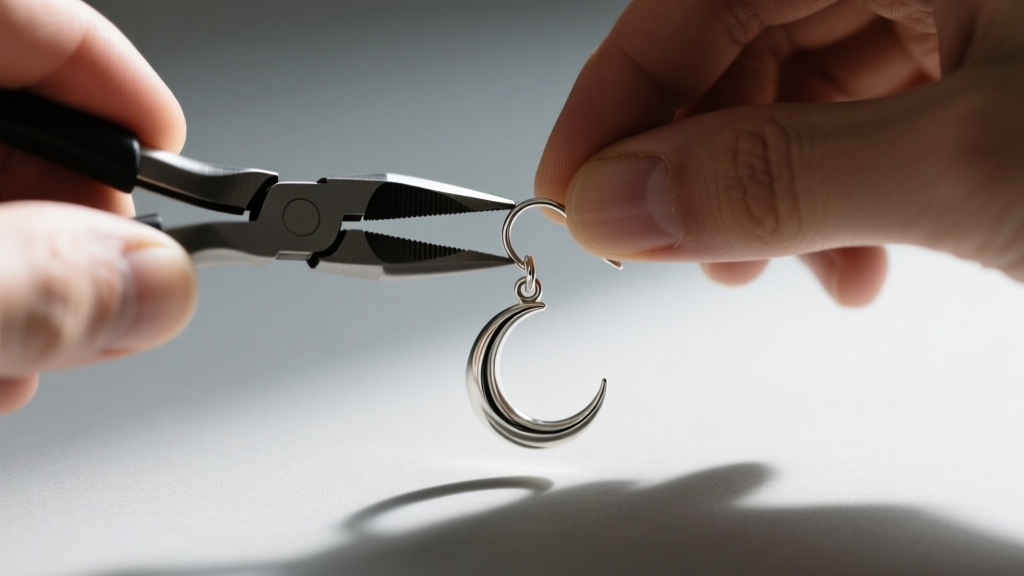
The pendulum effect of a dangle earring puts immense lateral stress on the jump ring connecting the ear post to the moon charm. Mass-produced earrings typically use 24-gauge open jump rings. Under the swinging weight of a 5-gram moon charm, these thin rings will slowly pull apart, resulting in a lost earring. This is a catastrophic failure mode that is entirely preventable.
The Jump Ring Gauge Protocol
When repairing or purchasing moon dangle earrings, always inspect the connection hardware. You want to look for findings sourced from reputable suppliers like Rio Grande. The ideal setup is a 20-gauge or 22-gauge jump ring. Furthermore, the ring should be "closed" (soldered shut) or at least a heavy-duty oval jump ring. Oval jump rings are superior for dangles because the split in the metal sits on the side, meaning the downward pulling force of the moon charm cannot physically pull the gap open. If your favorite pair uses flimsy 24-gauge round open rings, take them to a bench jeweler for a 10-minute soldering upgrade.
Cleaning Textured Lunar Surfaces Without Damage
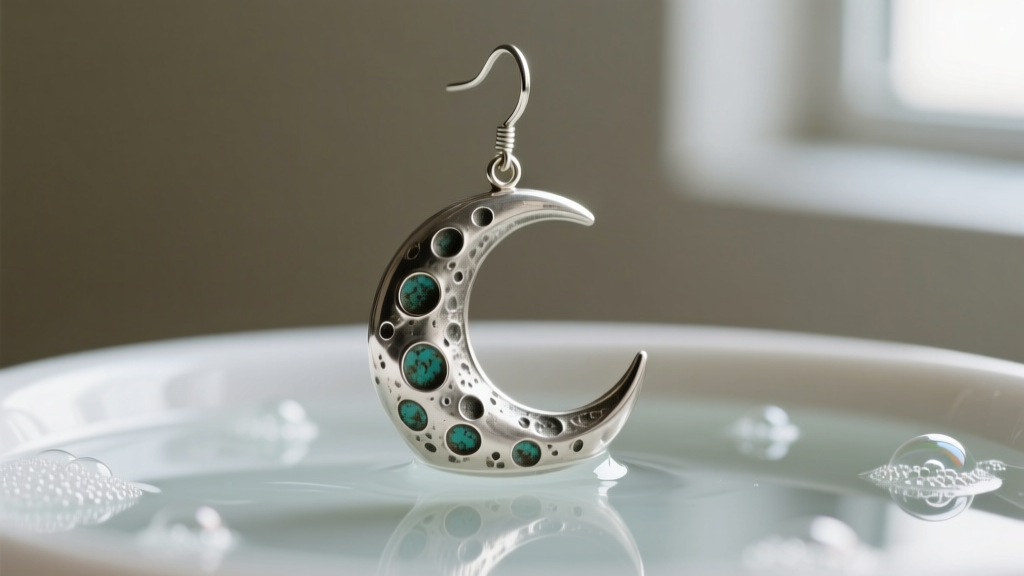
Moon earrings derive their beauty from surface texture—crater pitting, hammered finishes, and oxidized (blackened) recesses that highlight the lunar topography. However, these textures are magnets for skin oils, lotions, and environmental sulfur. A common mistake is tossing these textured pieces into an ultrasonic cleaner. According to the American Gem Society, ultrasonic vibrations can not only shake loose adhesives holding delicate moonstone or opal cabochons but will also strip the intentional oxidation right out of the recessed craters, leaving the earring looking flat and washed out.
The Manual Surfactant Method
To safely clean textured moon dangle earrings, use a manual surfactant method. Mix a few drops of mild, phosphate-free dish soap (like Dawn) into a bowl of lukewarm distilled water. Submerge the earrings for three minutes to loosen sebum. Then, using a soft-bristled baby toothbrush, gently agitate the bristles into the crater textures. The soft nylon bristles are stiff enough to lift debris but flexible enough not to scratch 14k gold vermeil or polished silver highlights. Rinse with distilled water and immediately dry with a microfiber cloth to prevent water spotting on the high-polish edges of the crescent.
Quick Reference Troubleshooting Chart
Keep this diagnostic chart handy to quickly identify and resolve the most common issues plaguing your celestial jewelry collection.
| Symptom | Root Cause | Expert Fix |
|---|---|---|
| Chain constantly wrapping around moon horns | Chain lacks terminal mass; static cling. | Upgrade to 1.2mm rolo chain; add a 2mm terminal counterweight bead. |
| Earring tilts forward, stretching piercing | Post too thin (0.7mm); backing surface area too small. | Upgrade to 0.9mm post; use La Pousette locking backs or silicone O-rings. |
| Jump ring pulling open, earring falling off | 24g open round ring failing under pendulum stress. | Replace with 20g soldered closed ring or 22g oval jump ring. |
| Moon craters turning green or dull | Trapped sebum reacting with copper alloys in brass/vermeil. | Weekly baby-toothbrush cleaning with mild surfactant; avoid ultrasonics. |
| Intentional black oxidation fading | Harsh chemical dips or ultrasonic vibration stripping patina. | Use only manual soap/water cleaning; re-oxidize with liver of sulfur if needed. |
Final Thoughts on Celestial Maintenance
Moon dangle earrings are a stunning, dynamic addition to any jewelry wardrobe, provided their unique mechanical quirks are properly managed. By paying attention to chain weight, post thickness, jump ring gauges, and gentle cleaning protocols, you can ensure your lunar pieces remain secure, comfortable, and brilliantly textured for years to come. Always invest in high-quality findings and do not hesitate to enlist a professional bench jeweler for minor structural upgrades that will vastly extend the lifespan of your favorite earrings.


